The Evolving Landscape of Wire Dog Crates: A Technical Deep Dive
The demand for robust, safe, and versatile pet containment solutions has driven significant innovation within the animal care industry, particularly concerning wire dog crate technology. Modern pet owners and professional animal handlers seek products that offer not only secure housing but also promote convenience, durability, and a hygienic environment for their animals. The market trends indicate a strong preference for crates that balance portability with structural integrity, offering features like collapsible designs for easy storage and transport, multi-door access for flexible placement, and corrosion-resistant finishes for longevity. Furthermore, there's a growing emphasis on sustainability in manufacturing processes and materials, pushing manufacturers to explore environmentally friendly coatings and recycled steel options. This evolution reflects a broader industry shift towards higher quality standards and a more nuanced understanding of animal welfare needs, ensuring that these essential tools meet stringent criteria for safety, comfort, and operational efficiency across diverse applications, from household training to professional veterinary use. The integration of advanced materials and precision manufacturing techniques has transformed the traditional dog cage into a highly engineered containment system, capable of withstanding the rigors of daily use while providing a reliable sanctuary for pets. As companion animals become increasingly integrated into family life, the expectations for their associated products, including their primary containment units, continue to rise, spurring ongoing advancements in design and material science. This commitment to improvement ensures that every aspect of the crate, from the gauge of the wire to the locking mechanism, contributes to a superior end-user experience and optimal animal well-being.
Beyond basic containment, the contemporary wire dog crate is now viewed as an integral part of a comprehensive pet management strategy, encompassing behavioral training, safe transport, and recovery post-procedure. The market is witnessing a surge in specialized wire dog cage designs catering to specific breeds and developmental stages, such as those optimized for a wire puppy crate or extra-large metal crate for dogs designed for giant breeds. This segmentation highlights the industry's response to diverse consumer needs, ensuring optimal fit and functionality for every animal. The technical specifications of these crates, including wire gauge, mesh size, and coating type, are critical considerations, directly impacting their strength, ventilation, and resistance to environmental factors. For instance, a heavier gauge kennel wire provides superior resistance to deformation, while advanced powder coatings offer enhanced protection against rust and wear, significantly extending the product's service life. Manufacturers are increasingly adopting quality control measures aligned with international standards such as ISO 9001, ensuring consistent product performance and reliability. The integration of ergonomic features, such as secure latching mechanisms that prevent accidental escapes and removable plastic trays for easy cleaning, further elevates the user experience. These technical advancements are not merely about product differentiation; they are fundamental to ensuring the safety, comfort, and long-term utility of the crate, making it a reliable investment for pet owners and professionals alike. The focus remains on delivering a product that not only meets but exceeds expectations for durability, functionality, and animal welfare, reflecting a deep understanding of the unique demands placed on these essential pet products in various operational contexts.
Precision Engineering: The Manufacturing Process of a Wire Dog Crate
The production of a high-quality wire dog crate is a meticulous multi-stage process that combines material science with advanced manufacturing techniques to ensure structural integrity and longevity. It typically begins with the selection of high-grade steel wire, often low-carbon steel, which offers an optimal balance of strength and ductility. The initial phase involves wire drawing, where steel rods are pulled through a series of dies to achieve the precise diameter and gauge required for different parts of the crate—thicker gauges for the frame and thinner ones for the mesh panels. This process ensures consistent wire thickness, critical for uniform strength and aesthetics. Following wire drawing, the wires are cut to precise lengths using automated machinery, minimizing material waste and ensuring dimensional accuracy. The next crucial stage is welding, predominantly resistance spot welding, where individual wires are fused together at their intersections to form the robust mesh panels. This welding method is preferred for its speed, efficiency, and ability to create strong, clean joints without the need for additional filler material, ensuring that each joint contributes to the overall structural rigidity of the kennel wire. Post-welding, the panels undergo a bending process using specialized CNC (Computer Numerical Control) bending machines. These machines are programmed to create the specific folds and shapes required for the crate's design, including hinges, latches, and collapsible sections, ensuring precise angles and repeatable accuracy for mass production.

After the structural components of the wire dog cage are formed, they undergo rigorous surface treatment to enhance their durability and aesthetic appeal. The most common treatments include electro-galvanizing, hot-dip galvanizing, or powder coating, each offering distinct advantages in corrosion resistance and finish. Electro-galvanizing provides a smooth, uniform zinc coating for moderate corrosion protection, while hot-dip galvanizing immerses the entire assembled crate into molten zinc, creating a thicker, highly durable, and more robust anti-corrosion layer ideal for outdoor or high-humidity environments. Powder coating, applied electrostatically and then cured under heat, offers a wide range of colors and a tough, chip-resistant finish that is both aesthetically pleasing and highly protective against rust and abrasion. This process also ensures the material's integrity remains uncompromised, extending the product's lifespan significantly, often exceeding a decade even with consistent use. Quality control is paramount throughout the entire manufacturing flow. Each stage, from raw material inspection to finished product assembly, adheres to stringent standards such as ISO 9001 for quality management and often ANSI (American National Standards Institute) guidelines for product safety and performance. This includes visual inspections for weld integrity, dimensional checks, coating thickness measurements, and functional testing of latches and hinges. The meticulous attention to detail at every step ensures that the final product, whether a standard metal crate for dogs or a specialized wire puppy crate, meets the highest benchmarks for safety, structural integrity, and long-term reliability.
Technical Specifications and Performance Metrics for Wire Dog Crates
Understanding the technical parameters of a wire dog crate is crucial for selecting the appropriate model for specific animal needs and operational environments. Key specifications include the wire gauge, which determines the thickness and strength of the individual wire strands; a lower gauge number indicates a thicker, stronger wire. For instance, a crate made with 9-gauge steel wire for the frame and 12-gauge for the mesh offers superior durability compared to one utilizing thinner wires, making it ideal for larger, more powerful breeds or for high-traffic commercial settings. Mesh spacing is another critical dimension, impacting both ventilation and safety; optimal spacing prevents paws from getting caught while allowing ample airflow. Dimensions (Length x Width x Height) are paramount for ensuring adequate space for the dog to stand, turn around, and lie down comfortably. The coating type, as discussed, dictates the crate's resistance to corrosion, with powder-coated and galvanized options being the industry standards for longevity and ease of cleaning. Functional features such as the number and type of doors (single, double, or triple access), the locking mechanism (slide-bolt, spring-loaded latch), and whether the crate is collapsible for portability are also vital technical considerations that influence usability and versatility. The cumulative effect of these meticulously chosen parameters directly translates into the crate's overall performance, its suitability for various applications, and its expected service life, making informed selection based on these technical details indispensable for both consumer satisfaction and animal well-being.
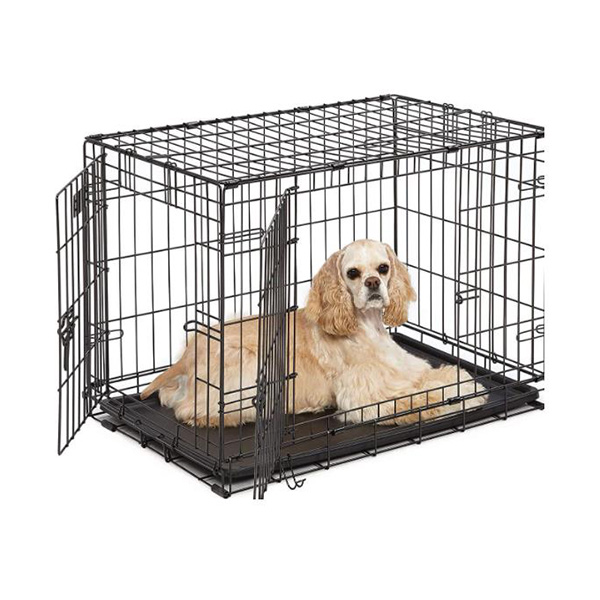
Typical Wire Dog Crate Specifications
| Parameter | Typical Range/Value | Impact on Performance |
|---|---|---|
| Wire Gauge (Frame) | 9-11 Gauge (approx. 3.6-3.0 mm) | Higher strength, increased durability for large/energetic dogs. |
| Wire Gauge (Mesh) | 10-12 Gauge (approx. 2.5-2.0 mm) | Adequate strength for containment, good ventilation. |
| Mesh Spacing | 1.5" x 4" to 2" x 6" (approx. 3.8 x 10 cm to 5 x 15 cm) | Prevents escapes/injuries, ensures airflow. Specifics vary by size. |
| Coating Type | Electro-galvanized, Hot-dip galvanized, Powder Coated | Corrosion resistance, aesthetics, ease of cleaning. Hot-dip offers superior protection. |
| Door Configuration | Single, Double, Triple Access | Versatility in placement, ease of access for pet and cleaning. |
| Foldability/Collapsibility | Yes/No | Crucial for portability and compact storage. |
Application Scenarios and Strategic Advantages of Advanced Wire Crates
The versatility and inherent advantages of modern wire dog crates make them indispensable tools across a spectrum of applications within the animal care sector. In professional veterinary clinics, these crates serve as secure, hygienic recovery spaces for post-operative animals or temporary holding areas for diagnostic procedures, offering superior ventilation and easy sterilization compared to solid carriers. Animal shelters and rescue organizations rely on durable wire puppy crates for housing newly arrived animals, providing a safe, visible, and comfortable temporary home that aids in stress reduction and facilitates easier monitoring of animal health and behavior. For professional dog breeders, these crates are fundamental for managing litters, assisting in house-training young puppies, and providing a designated, secure den for mother dogs. The open design of a metal crate for dogs allows for optimal air circulation, which is crucial for preventing heat stress, especially during transport or in warmer climates, while also enabling clear visual inspection of the animal without disturbance. Furthermore, the robust construction ensures longevity even with continuous use, providing a cost-effective solution for facilities with high animal turnover. The inherent simplicity of the wire structure also makes them relatively lightweight and easy to relocate within a facility, enhancing operational flexibility.
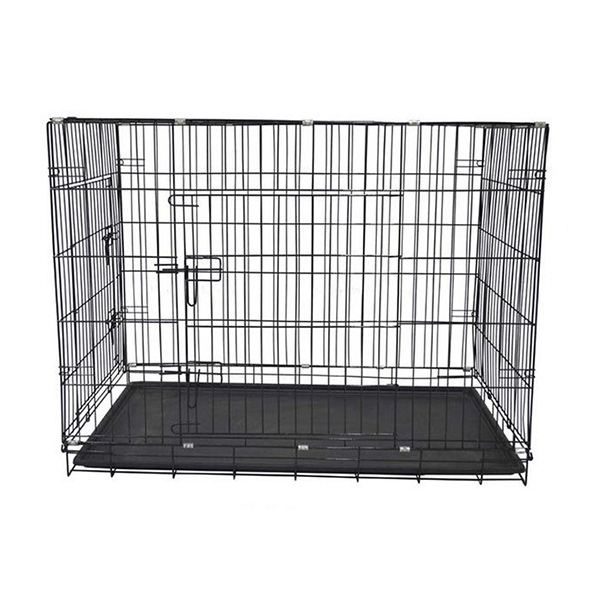
Beyond traditional uses, the strategic advantages of a well-engineered kennel wire system extend to specialized applications, including professional dog training, where crates are integral to teaching proper house manners, impulse control, and providing a safe, quiet retreat for dogs during breaks. The open visibility of a wire dog cage allows trainers to observe subtle canine behaviors, facilitating more effective training interventions. In the context of animal transport, whether by air, ground, or sea, crates must meet stringent safety and comfort regulations; the robust construction and secure locking mechanisms of high-quality wire crates make them a preferred choice for ensuring animal welfare during transit. For commercial pet boarding facilities, the ease of cleaning and sanitization offered by powder-coated or galvanized wire dog crates is a significant operational advantage, preventing the spread of pathogens and maintaining a high standard of hygiene across multiple enclosures. Their modular design often allows for stacking or combination into larger kennel setups, maximizing space efficiency in professional environments. The focus on corrosion resistance in manufacturing, particularly through advanced galvanizing or multi-layer powder coating processes, ensures that these crates maintain their structural integrity and aesthetic appeal over extended periods, even when exposed to demanding conditions, thereby minimizing replacement costs and maximizing return on investment for businesses in the pet industry.
Custom Solutions & Manufacturer Comparison: Elevating Your Wire Crate Investment
For businesses and organizations with unique requirements, the ability to procure custom-engineered wire dog crates is a significant advantage. Customization options can range from specific dimensions to accommodate unusual breed sizes or space constraints, to specialized coatings for extreme environmental conditions, such as marine-grade finishes for animal transport in coastal regions or highly resistant chemical coatings for laboratory animal housing. Manufacturers equipped with advanced fabrication capabilities can offer bespoke solutions, including multi-tier stacking designs for efficient space utilization in shelters, integrated feeding systems, or custom divider panels to adjust space as a puppy grows into an adult, optimizing the utility of a single wire puppy crate. The process typically begins with a detailed consultation to assess specific needs, followed by design conceptualization using CAD software, prototyping, and rigorous testing to ensure the custom solution meets all performance and safety criteria. This bespoke approach ensures that the investment aligns perfectly with operational demands, delivering enhanced efficiency and superior animal welfare outcomes compared to off-the-shelf alternatives. Engaging with manufacturers who demonstrate a deep understanding of material science, structural engineering, and animal behavior is paramount for successful custom projects, ensuring that specialized crates function flawlessly in their intended, often demanding, applications.
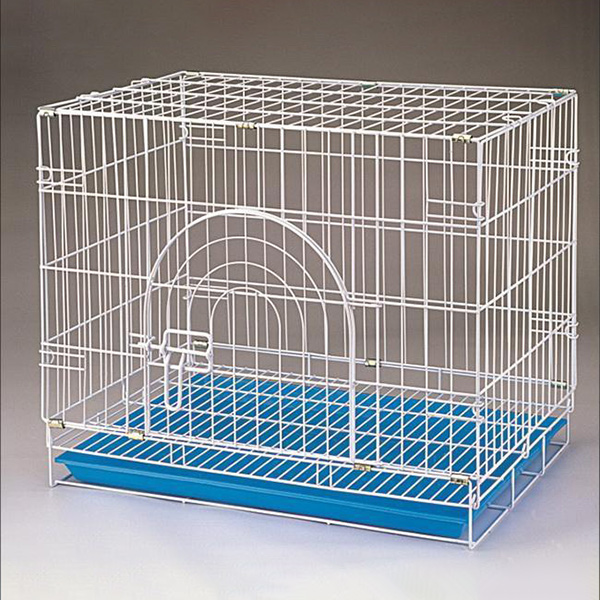
When evaluating manufacturers of metal crates for dogs, a comprehensive comparison goes beyond initial cost to encompass product quality, certifications, after-sales support, and service longevity. Reputable manufacturers adhere to international quality management standards like ISO 9001, providing demonstrable assurance of consistent product quality and reliable manufacturing processes. Their commitment to superior materials, precise welding techniques for robust kennel wire construction, and advanced coating technologies results in a product with an extended lifespan and minimal maintenance requirements. Key differentiators often include the thickness of the wire gauge, the integrity of the welding points, the evenness and durability of the surface coating, and the ergonomic design of features such as secure, jam-proof latches and comfortable carry handles. Furthermore, a manufacturer’s reputation for timely delivery, robust warranty programs, and responsive customer service signifies their commitment to client satisfaction and long-term partnership. Case studies demonstrating successful large-scale deployments in veterinary hospitals, airport animal handling facilities, or police K9 units can serve as powerful indicators of a manufacturer's capability and product reliability. Choosing a vendor that prioritizes transparent communication, offers comprehensive technical support, and has a proven track record of delivering high-performance wire dog cages ensures that your investment provides sustained value and operational excellence.
Ensuring Trust: FAQs, Delivery, and Warranty for Your Wire Dog Crate
Building trust in the B2B procurement of wire dog crates relies heavily on transparent information regarding product specifications, logistical details, and after-sales support. Professional buyers often have immediate questions regarding product suitability and operational integration. Common inquiries include: "What wire gauge is recommended for a high-traffic animal shelter?" (typically 9-gauge for frame, 10-12 gauge for mesh, for maximum durability); "Are the coatings non-toxic and pet-safe?" (Yes, reputable manufacturers use lead-free, non-toxic powder coatings or food-grade galvanized finishes meeting relevant safety standards); and "Can these crates withstand rigorous cleaning protocols using industrial disinfectants?" (High-quality galvanized or powder-coated steel is highly resistant to standard veterinary disinfectants, ensuring longevity and hygiene). Additionally, questions about the collapsibility mechanism’s durability, the effectiveness of the locking latches against determined animals, and the ease of replacing parts like plastic trays or handles are frequently posed. Comprehensive FAQs provided by the manufacturer can preemptively address these concerns, demonstrating expertise and commitment to customer education, thereby fostering confidence in the product and the supplier. A well-structured FAQ section acts as a direct line of communication, anticipating and resolving potential challenges even before a formal inquiry is made, which is invaluable in the fast-paced B2B environment.
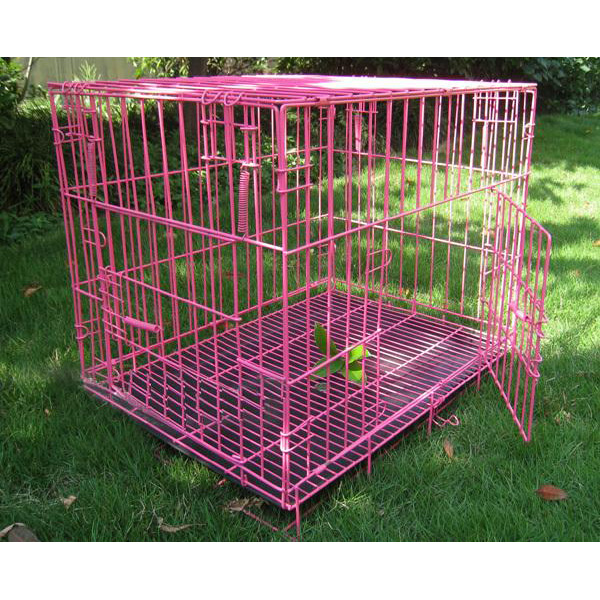
Key Trust Elements: Delivery & Warranty
For large-scale orders of wire dog crates, clarity on delivery schedules and logistics is paramount. A reliable manufacturer will provide estimated lead times based on order volume, customization requirements, and current production capacity. Expedited shipping options and detailed tracking information are often available for urgent requirements, ensuring that critical operational deadlines are met. Manufacturers typically work with established freight partners experienced in handling bulk industrial shipments, minimizing transit damage and ensuring on-time delivery. Furthermore, a robust warranty program is a cornerstone of trustworthiness. A standard warranty for a high-quality metal crate for dogs typically covers manufacturing defects in materials and workmanship for a period ranging from one to five years, reflecting the manufacturer's confidence in their product's durability. Some extended warranties may cover specific components like coating integrity or locking mechanisms for even longer periods. This commitment provides buyers with assurance against premature product failure and safeguards their investment. Comprehensive customer support, including dedicated account managers, technical assistance for assembly or maintenance, and efficient handling of any warranty claims, reinforces the manufacturer’s dedication to long-term client relationships. This holistic approach to product quality, logistical transparency, and after-sales service is what truly distinguishes a reliable partner in the B2B supply chain for pet containment solutions.
Conclusion and Further Reading
The evolution of the wire dog crate from a simple containment device to a sophisticated, engineered solution underscores the industry's commitment to animal welfare and operational efficiency. Through advanced manufacturing processes, rigorous quality control, and the thoughtful integration of design features, modern crates offer unparalleled durability, safety, and versatility for a myriad of applications, from domestic use to highly demanding professional environments. The continuous advancements in material science and coating technologies ensure that these essential products withstand harsh conditions, resist corrosion, and provide a hygienic environment for animals over their extended service life. For B2B decision-makers, understanding the technical specifications, manufacturing integrity, and comprehensive support services offered by reputable manufacturers is crucial for making informed procurement decisions that optimize both animal well-being and long-term cost-effectiveness. As the global pet care market continues to expand and diversify, the demand for high-performance containment solutions will only grow, reinforcing the critical role of technologically advanced wire crates in supporting safe, humane, and efficient animal management practices across all sectors.
References
- Journal of Applied Animal Welfare Science. "The Impact of Housing Environments on Canine Behavior and Well-being."
- Materials Science & Engineering. "Corrosion Resistance of Zinc Coatings on Steel Substrates in Varied Environments."
- Veterinary Clinics of North America: Small Animal Practice. "Best Practices in Post-Operative Canine Care and Confinement."
- International Journal of Production Research. "Optimization of Welding Processes for Wire Mesh Structures in Industrial Applications."
- The Association of Professional Dog Trainers (APDT) Official Guide. "Crate Training Methodologies and Their Efficacy."