The Unrivaled Versatility of Perforated Sheet in Modern Industries
In the vast landscape of industrial materials, the perforated sheet stands out as a material of exceptional versatility and utility. From intricate architectural designs to demanding industrial filtration systems, its unique characteristics, defined by precision-engineered holes through a solid material, offer a myriad of functional and aesthetic benefits. This comprehensive guide delves into the intricate world of perforated materials, exploring their manufacturing processes, technical specifications, diverse applications, and the critical factors that drive their selection in today's rapidly evolving markets. We aim to provide B2B decision-makers and technical personnel with in-depth insights to make informed choices, emphasizing the critical role of expertise, experience, authority, and trustworthiness in selecting a reliable supplier for perforated metal sheet solutions.
The demand for lightweight, durable, and adaptable materials has propelled the perforated sheet into prominence across numerous sectors. Its inherent properties, such as excellent strength-to-weight ratio, superior light and sound diffusion capabilities, and effective fluid or air filtration, make it indispensable. As industries push the boundaries of innovation, the ability to customize perforation patterns, material types, and finishes ensures that perforated metal remains at the forefront of material science and engineering. This article will provide a detailed look at the current industry trends, technological advancements, and the practical implications of utilizing high-quality perforated plate in critical applications.
Understanding the Manufacturing Process: From Raw Material to Precision Perforation
The creation of a high-quality perforated sheet is a meticulous process that combines advanced machinery with a deep understanding of material science. The journey begins with selecting the appropriate raw material, which significantly impacts the final product's performance characteristics. Common materials include stainless steel (e.g., 304, 316, 316L for corrosion resistance), carbon steel, galvanized steel, aluminum, copper, brass, and even plastics, each chosen for specific application demands such as strength, corrosion resistance, weight, or aesthetic appeal. For instance, perforated aluminum sheet is highly favored in architectural and transportation applications due to its lightweight nature and excellent corrosion resistance.
Key Manufacturing Processes:
- Punching (Stamping): This is the most prevalent method. Large, high-speed presses equipped with precise dies punch holes into the metal sheet. Modern CNC (Computer Numerical Control) punching machines allow for intricate patterns, varying hole sizes, and precise spacing, ensuring consistent quality and high production efficiency. The tooling must be robust, often made from hardened steel, to withstand the repetitive force and maintain accuracy over long production runs.
- Laser Cutting: For highly complex patterns, very small holes, or specialized materials, laser cutting offers unparalleled precision. It provides clean cuts with minimal material distortion, though it is generally slower and more expensive than punching for mass production.
- Etching (Chemical Milling): Used for extremely fine perforations or when the material is too thin for mechanical punching. This process involves using chemical reagents to selectively remove material, creating highly precise and burr-free holes.
- Rolling and Flattening: After perforation, the sheets often undergo flattening to ensure they are perfectly flat, removing any stresses or slight distortions caused by the punching process. Some applications may require the sheet to be rolled into cylinders or other forms, typically performed post-perforation.

Figure 1: Illustration of a precision punching machine at work, creating a uniform perforated metal sheet.
Quality Assurance and Standards:
Maintaining high quality is paramount. Manufacturers adhere to rigorous international standards such as ISO 9001 for quality management systems and specific material standards (e.g., ASTM, EN, JIS for metals). For perforated plate, critical inspection points include hole size and spacing accuracy (pitch), flatness, material thickness consistency, and absence of burrs or deformities. Visual inspections, digital measurements, and sometimes even laser scanning are employed to ensure every sheet meets specifications. Compliance with ANSI standards ensures interoperability and reliability in various industrial applications.
The typical service life of a perforated metal sheet varies significantly based on material, application environment, and maintenance. For example, stainless steel perforated sheet used in corrosive environments like petrochemical or wastewater treatment plants can last for decades with proper material selection (e.g., 316L for enhanced corrosion resistance) and protective coatings, significantly reducing long-term replacement costs and operational downtime.
Technical Parameters and Specifications of Perforated Sheet
To precisely specify and procure a perforated sheet, understanding its key technical parameters is crucial. These parameters directly influence performance, cost, and suitability for specific applications.
Key Specifications Table:
| Parameter | Description | Typical Range / Values | Impact on Application |
|---|---|---|---|
| Material Type | Stainless Steel (304, 316, 316L), Carbon Steel, Galvanized Steel, Aluminum (1100, 3003, 5052), Copper, Brass, Plastics (PP, HDPE). | Wide range based on corrosion resistance, strength, and conductivity needs. | Determines resistance to corrosion, temperature, strength, weight, and cost. |
| Sheet Thickness | Gauge of the raw material before perforation. | Typically 0.3mm to 10mm (0.012 to 0.394 inches), can be thicker for specialized perforated plate. | Affects structural integrity, weight, and ability to withstand loads. |
| Hole Shape | Round, Square, Slotted, Hexagonal, Ornamental, Custom. | Round is most common; others for specific filtration, aesthetic, or flow patterns. | Influences flow rate, filtration efficiency, light/sound diffusion, and aesthetics. |
| Hole Size (Diameter/Width) | The dimension of individual perforations. | 0.5mm to 100mm (0.02 to 4 inches), smaller for fine filtration. | Determines particle size for filtration, airflow, sound absorption, and light passage. |
| Pitch (Center Distance) | Distance between the centers of two adjacent holes. | Varies widely, typically 1.5 to 4 times the hole size. | Affects open area percentage and structural integrity. |
| Open Area Percentage | The total area of the holes divided by the total area of the sheet, expressed as a percentage. | Typically 20% to 60%, can range from 5% to 80%+. | Crucial for flow rates, filtration efficiency, sound absorption, and structural strength. Higher open area means lower strength. |
| Pattern Arrangement | Staggered (e.g., 60-degree, 45-degree) or Straight Row. | 60-degree staggered is common for strength and open area balance. | Influences structural strength, visual appeal, and ease of cleaning. |
| Sheet Dimensions | Length and width of the perforated sheet. | Standard sizes (e.g., 4'x8', 4'x10', 5'x10') or custom dimensions. | Impacts transportation, installation, and material waste. |
| Margins (Unperforated Area) | Unperforated borders on the edges of the sheet. | Can be specified as minimum or no margin for certain applications. | Provides structural support for mounting and framing. |
The selection of these parameters is a critical engineering decision, often requiring a balance between functional requirements (e.g., precise filtration, specific airflow), structural integrity, and cost-effectiveness. Reputable manufacturers provide detailed technical data sheets and expert consultation to ensure the optimal perforated metal product is chosen for your specific project.
Diverse Application Scenarios and Key Advantages
The adaptability of perforated sheet makes it a preferred material across an extensive range of industries. Its ability to combine functionality with aesthetics provides innovative solutions to complex engineering challenges.
Applicable Industries and Typical Uses:
- Petrochemical Industry: Used extensively in filtration units, support grids for catalysts, sieve plates, and strainers. The corrosion resistance of stainless steel perforated sheet is crucial in handling aggressive chemicals and high temperatures, ensuring operational safety and longevity.
- Metallurgy and Mining: Employed in screens for mineral processing, sorting, and grading. Wear-resistant perforated plate ensures durability in harsh, abrasive environments, improving efficiency and reducing maintenance downtime.
- Water Treatment and Drainage Systems: Found in water intake screens, filter media support, and sediment separation. The precise hole patterns prevent clogging while allowing efficient flow, vital for clean water infrastructure.
- Food and Beverage Processing: Used for sorting, washing, drying, and straining food products. Stainless steel perforated sheet ensures hygiene, ease of cleaning, and compliance with strict food safety regulations (e.g., FDA).
- Automotive and Transportation: Applied in exhaust systems for noise reduction, grilles, and protective screens. The lightweight nature of perforated aluminum sheet contributes to fuel efficiency while offering robust protection.
- Architectural and Decorative: Popular for facades, sunshades, balustrades, ceilings, and interior design elements. Its aesthetic appeal combined with functional benefits like light diffusion and ventilation make it a versatile architectural material.
- HVAC and Acoustic Panels: Integral to air diffusers, grilles, and acoustic panels due to its ability to control airflow and absorb sound. The open area percentage is carefully designed to optimize acoustic performance and ventilation efficiency.
- Agriculture: Used for grain drying, sorting, and protecting machinery.
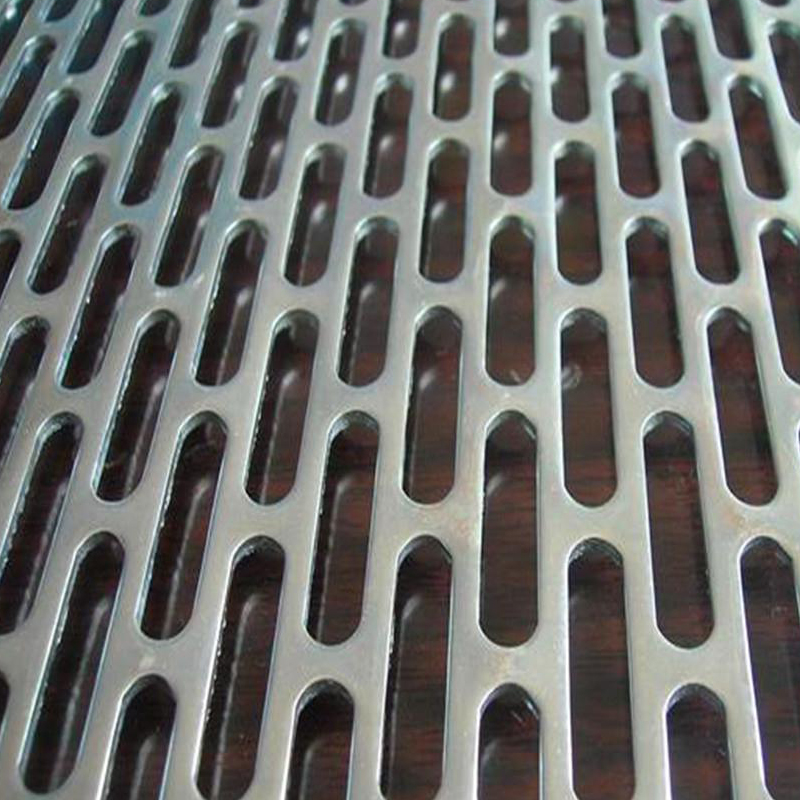
Figure 2: Perforated metal facade on a modern building, demonstrating aesthetic and functional benefits.
Technical Advantages:
- Energy Efficiency: In HVAC systems, strategically designed perforated sheet panels optimize airflow, reducing the energy required for ventilation and cooling. In industrial processes, efficient filtration reduces pump loads.
- Corrosion Resistance: When manufactured from materials like stainless steel or appropriately coated, perforated metal sheet offers superior resistance to corrosive agents, ensuring long-term performance in aggressive environments. This significantly extends the product's lifespan and reduces maintenance cycles.
- Sound Attenuation: The perforations act as resonators, absorbing sound waves and significantly reducing noise levels in industrial settings, power plants, and architectural spaces. This contributes to improved working conditions and acoustic comfort.
- Weight Reduction: By removing significant portions of the material, perforated metal offers substantial weight savings compared to solid sheets, which is critical in applications like transportation, aerospace, and large-scale architectural cladding.
- Heat Dissipation: The increased surface area and openings facilitate heat transfer, making perforated plate ideal for heat shields, enclosures for electronic equipment, and industrial machinery where thermal management is critical.
- Enhanced Safety: Used for guards, screens, and infill panels to prevent access to moving parts or dangerous areas while maintaining visibility and ventilation.
Selecting the Right Partner: Manufacturer Comparison and Custom Solutions
Choosing the right supplier for your perforated sheet needs is as critical as selecting the material itself. A strong supplier partnership ensures quality, reliability, and access to technical expertise.
Key Factors in Manufacturer Comparison:
| Criteria | Description and Importance |
|---|---|
| Certifications & Standards | Look for ISO 9001, ASTM, EN, JIS compliance. This demonstrates a commitment to quality management and product specifications. For food-grade applications, FDA compliance is essential. |
| Manufacturing Capability | Assess the range of hole sizes, patterns, materials, and thicknesses they can produce. Do they have advanced CNC punching, laser cutting, and flattening equipment? High-volume capabilities are critical for large projects. |
| Customization & Engineering Support | A strong supplier offers extensive customization options (e.g., specific hole patterns, secondary fabrication like bending, welding, finishing) and provides engineering consultation to optimize designs. This includes expertise in material selection and pattern design for optimal performance. |
| Experience & Track Record | Evaluate their service years in the industry and review case studies or client testimonials. A history of successful projects in your specific industry builds confidence. Our company has served the industry for over two decades, delivering reliable perforated metal solutions globally. |
| Quality Control & Testing | Inquire about their QC processes, including material testing (e.g., tensile strength, chemical composition), dimensional checks, and visual inspections. Request test reports and data analyses to verify product performance. |
| Logistics & Delivery | Understand their typical lead times, shipping capabilities (domestic and international), and packaging methods to prevent transit damage. Reliable delivery is crucial for project timelines. |
| Customer Support & Warranty | Availability of technical support, responsiveness to inquiries, and clear warranty policies are indicators of a trustworthy partner. We offer comprehensive pre-sales consultation and robust after-sales support, backed by a product quality warranty. |
Tailored Customization Solutions:
The true value of a proficient perforated metal sheet supplier lies in their ability to deliver bespoke solutions. Beyond standard specifications, custom orders can involve:
- Unique Hole Patterns: Designing specific hole sizes, shapes, and arrangements to meet precise functional or aesthetic requirements. This might include varying open area zones within a single sheet.
- Special Materials: Sourcing and perforating exotic alloys or highly specialized plastics for extreme environments.
- Secondary Fabrication: Providing value-added services such as bending, rolling, welding, cutting to size, notching, and framing, delivering ready-to-install components.
- Surface Finishes: Applying coatings, anodizing, polishing, or painting for enhanced corrosion resistance, durability, or specific visual effects. For instance, powder coating on perforated aluminum sheet can provide a vast array of colors for architectural projects.
- Prototyping & Small Batch Production: Supporting R&D efforts with rapid prototyping and flexible small-batch manufacturing before scaling up to mass production.
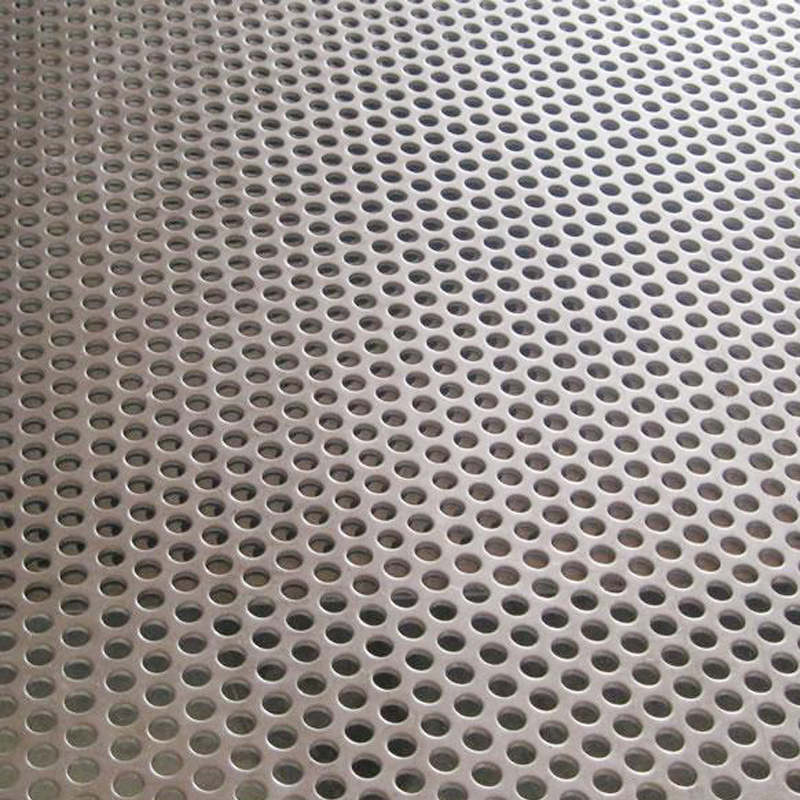
Figure 3: An example of a customized perforated sheet panel with unique hole patterns and a finished edge, ready for installation.
Collaborating with a manufacturer experienced in custom perforated metal solutions ensures that unique project requirements are met with precision and efficiency, optimizing performance and reducing overall project costs.
Real-World Application Cases and Performance Data
The practical application of perforated sheet across various industries highlights its effectiveness and technical superiority. Here are a few notable examples demonstrating its impact.
Case Study 1: Noise Reduction in Industrial Facilities
A major power generation plant faced significant occupational noise exposure issues from its turbine hall, exceeding regulatory limits. Implementing acoustic barriers made from 2mm thick galvanized perforated sheet with 10mm round holes and a 30% open area, backed by sound-absorbing mineral wool, achieved remarkable results.
- Solution: Custom-fabricated acoustic panels using specified perforated metal sheet.
- Performance Data: Average noise reduction of 15 dB(A) in the turbine hall.
- Benefit: Compliance with OSHA noise exposure limits, significantly improved worker safety and comfort, and increased overall operational efficiency due to a safer working environment. The galvanization provided excellent corrosion resistance for long-term outdoor exposure.
Case Study 2: Optimized Filtration in Wastewater Treatment
A municipal wastewater treatment plant needed to upgrade its primary filtration system to handle increased flow rates and finer suspended solids. They opted for customized stainless steel 316L perforated sheet for their drum filters.
- Solution: 3mm thick 316L stainless steel perforated sheet with precision-drilled 1.5mm diameter holes, achieving a 45% open area.
- Performance Data: Reduced suspended solids by an additional 20% compared to previous screens, leading to a 10% reduction in downstream chemical dosing. Filter backwash frequency decreased by 25%.
- Benefit: Enhanced water quality, reduced operational costs through less chemical usage, and decreased energy consumption due to less frequent backwashing. The superior corrosion resistance of 316L ensured a projected lifespan of over 20 years in highly corrosive wastewater.
Case Study 3: Lightweighting in Transportation
A manufacturer of electric vehicles sought to reduce the overall weight of their battery enclosures without compromising structural integrity or thermal management. They integrated perforated aluminum sheet into the design.
- Solution: 1.2mm thick perforated aluminum sheet (Alloy 5052) with hexagonal holes and a 55% open area for optimal heat dissipation and strength.
- Performance Data: Achieved a 12% weight reduction in the battery enclosure assembly. Internal temperature monitoring showed a 7°C reduction in peak battery temperature during rapid charging cycles.
- Benefit: Increased vehicle range and efficiency due to reduced weight, improved battery longevity and safety through better thermal management. The high strength-to-weight ratio of perforated aluminum sheet proved invaluable.
These case studies underscore the tangible benefits and measurable improvements that high-quality perforated sheet can bring to complex industrial challenges. Partnering with a supplier who understands these intricate requirements and can provide empirical data is essential for successful project outcomes.
Trustworthiness and Customer Support: Building Lasting Partnerships
Beyond product specifications, the trustworthiness of a supplier is built on transparent processes, reliable service, and a commitment to customer satisfaction. For critical B2B applications, this translates into clear communication and robust support structures.
Frequently Asked Questions (FAQ) about Perforated Sheet:
Q: What is the maximum thickness you can perforate?
A: Our advanced machinery can perforate sheets up to 10mm (0.394 inches) thick for various metals, and even thicker for specialized perforated plate applications. This capacity allows us to cater to heavy-duty industrial requirements.
Q: Can I get custom hole sizes and patterns?
A: Absolutely. We specialize in custom perforated sheet solutions. Our engineering team works closely with clients to design and manufacture sheets with specific hole shapes, sizes, patterns (e.g., staggered, straight, custom artistic designs), and open area percentages to precisely meet project specifications.
Q: What is the typical lead time for an order?
A: Lead times vary depending on the complexity, material availability, and order volume. For standard perforated metal sheet, it's typically 2-4 weeks. Custom or large-volume orders may take 4-8 weeks. We provide a detailed production schedule upon order confirmation and strive to meet critical deadlines through efficient planning and flexible manufacturing capabilities. Our production planning system incorporates real-time data to provide accurate delivery estimates.
Q: What kind of quality assurance do you provide?
A: Our facility is ISO 9001 certified. Every batch of perforated sheet undergoes stringent quality checks, including raw material inspection, in-process dimensional verification (using advanced optical and mechanical gauges), and final product inspection for hole accuracy, flatness, and finish. We can provide material test certificates (MTCs) and comprehensive quality inspection reports upon request, ensuring compliance with specified industry standards (e.g., ASTM F2570 for perforated metal sheet for acoustic applications or specific ANSI standards for structural integrity).
Q: Do you offer a warranty on your products?
A: Yes, we stand behind the quality of our Perforated Mesh products. We offer a standard one-year warranty against manufacturing defects, assuming proper installation and use in suitable environments. Our commitment extends to providing comprehensive support for any performance-related inquiries throughout the product's expected lifespan, often exceeding 10-20 years for stainless steel applications in non-extreme environments.
Our Commitment to Customer Support and Service Excellence:
Our dedication to client success is reflected in our comprehensive support system. From initial consultation and technical design assistance to post-delivery follow-up, our team of experts ensures a seamless experience. We offer:
- Expert Technical Consultation: Our engineers possess deep knowledge of material properties and perforation mechanics, offering guidance on optimal design parameters for your specific application.
- Dedicated Project Management: A single point of contact ensures smooth communication and efficient project execution from inquiry to delivery.
- Global Logistics and Delivery: We manage complex international shipping requirements, ensuring timely and secure delivery of your perforated sheet order, regardless of location. Our packaging methods are designed to protect the integrity of the sheets during transit, preventing damage and ensuring they arrive ready for use.
- After-Sales Support: We provide ongoing support for any operational or installation queries, upholding our commitment to long-term client relationships.
This holistic approach ensures that every client receives not just a product, but a complete solution backed by expertise, reliability, and unparalleled service. Our long-standing relationships with leading enterprises across petrochemical, automotive, and construction sectors are a testament to our authoritative position and trustworthiness in the perforated metal industry.
Conclusion: The Future of Perforated Sheet Technology
The journey through the world of perforated sheet reveals a material that is far more than just metal with holes. It is a precision-engineered component critical to diverse industrial and architectural applications, offering unparalleled versatility, performance, and aesthetic appeal. As industries continue to innovate, the demand for high-performance, customizable perforated metal solutions will only grow. Advances in manufacturing technology, such as AI-driven pattern optimization and new material developments, promise to further expand its capabilities and applications.
For B2B buyers and technical specifiers, understanding the intricacies of material selection, manufacturing processes, technical parameters, and the advantages offered by different types of perforated sheet is vital. Partnering with a manufacturer that not only produces high-quality products but also demonstrates profound expertise, extensive experience, and unwavering trustworthiness is paramount. Such a partnership ensures that your projects benefit from optimal solutions, delivered on time and within budget, contributing significantly to your operational efficiency and competitive advantage. The continuous evolution of perforated plate technology positions it as a cornerstone material for future industrial and design innovations.
References
- American Society for Testing and Materials (ASTM) Standards for Perforated Metal.
- International Organization for Standardization (ISO) 9001:2015 Quality Management Systems.
- The Engineering Handbook, CRC Press. Section on Material Properties and Manufacturing Processes.
- National Institute of Standards and Technology (NIST) publications on material science and engineering.
- Acoustical Society of America (ASA) journals on sound absorption and panel design.
- Metal Architecture Magazine Archives on innovative uses of perforated metal in building design.
Quality Assurance and Standards:
Maintaining high quality is paramount. Manufacturers adhere to rigorous international standards such as ISO 9001 for quality management systems and specific material standards (e.g., ASTM, EN, JIS for metals). For perforated products, critical inspection points include hole size and spacing accuracy (pitch), flatness, material thickness consistency, and absence of burrs or deformities. Visual inspections, digital measurements, and sometimes even laser scanning are employed to ensure every sheet meets specifications. Compliance with ANSI standards ensures interoperability and reliability in various industrial applications.
The typical service life of a perforated sheet varies significantly based on material, application environment, and maintenance. For example, stainless steel variants used in corrosive environments like petrochemical or wastewater treatment plants can last for decades with proper material selection (e.g., 316L for enhanced corrosion resistance) and protective coatings, significantly reducing long-term replacement costs and operational downtime.
Technical Parameters and Specifications of Perforated Materials
To precisely specify and procure a perforated sheet, understanding its key technical parameters is crucial. These parameters directly influence performance, cost, and suitability for specific applications.
Key Specifications Table:
| Parameter | Description | Typical Range / Values | Impact on Application |
|---|---|---|---|
| Material Type | Stainless Steel (304, 316, 316L), Carbon Steel, Galvanized Steel, Aluminum (1100, 3003, 5052), Copper, Brass, Plastics (PP, HDPE). | Wide range based on corrosion resistance, strength, and conductivity needs. | Determines resistance to corrosion, temperature, strength, weight, and cost. |
| Sheet Thickness | Gauge of the raw material before perforation. | Typically 0.3mm to 10mm (0.012 to 0.394 inches), can be thicker for specialized perforated plate. | Affects structural integrity, weight, and ability to withstand loads. |
| Hole Shape | Round, Square, Slotted, Hexagonal, Ornamental, Custom. | Round is most common; others for specific filtration, aesthetic, or flow patterns. | Influences flow rate, filtration efficiency, light/sound diffusion, and aesthetics. |
| Hole Size (Diameter/Width) | The dimension of individual perforations. | 0.5mm to 100mm (0.02 to 4 inches), smaller for fine filtration. | Determines particle size for filtration, airflow, sound absorption, and light passage. |
| Pitch (Center Distance) | Distance between the centers of two adjacent holes. | Varies widely, typically 1.5 to 4 times the hole size. | Affects open area percentage and structural integrity. |
| Open Area Percentage | The total area of the holes divided by the total area of the sheet, expressed as a percentage. | Typically 20% to 60%, can range from 5% to 80%+. | Crucial for flow rates, filtration efficiency, sound absorption, and structural strength. Higher open area means lower strength. |
| Pattern Arrangement | Staggered (e.g., 60-degree, 45-degree) or Straight Row. | 60-degree staggered is common for strength and open area balance. | Influences structural strength, visual appeal, and ease of cleaning. |
| Sheet Dimensions | Length and width of the perforated sheet. | Standard sizes (e.g., 4'x8', 4'x10', 5'x10') or custom dimensions. | Impacts transportation, installation, and material waste. |
| Margins (Unperforated Area) | Unperforated borders on the edges of the sheet. | Can be specified as minimum or no margin for certain applications. | Provides structural support for mounting and framing. |
The selection of these parameters is a critical engineering decision, often requiring a balance between functional requirements (e.g., precise filtration, specific airflow), structural integrity, and cost-effectiveness. Reputable manufacturers provide detailed technical data sheets and expert consultation to ensure the optimal perforated metal product is chosen for your specific project.
Diverse Application Scenarios and Key Advantages
The adaptability of perforated sheet makes it a preferred material across an extensive range of industries. Its ability to combine functionality with aesthetics provides innovative solutions to complex engineering challenges.
Applicable Industries and Typical Uses:
- Petrochemical Industry: Used extensively in filtration units, support grids for catalysts, sieve plates, and strainers. The corrosion resistance of stainless steel variations is crucial in handling aggressive chemicals and high temperatures, ensuring operational safety and longevity.
- Metallurgy and Mining: Employed in screens for mineral processing, sorting, and grading. Wear-resistant perforated plate ensures durability in harsh, abrasive environments, improving efficiency and reducing maintenance downtime.
- Water Treatment and Drainage Systems: Found in water intake screens, filter media support, and sediment separation. The precise hole patterns prevent clogging while allowing efficient flow, vital for clean water infrastructure.
- Food and Beverage Processing: Used for sorting, washing, drying, and straining food products. Stainless steel perforated metal sheet ensures hygiene, ease of cleaning, and compliance with strict food safety regulations (e.g., FDA).
- Automotive and Transportation: Applied in exhaust systems for noise reduction, grilles, and protective screens. The lightweight nature of perforated aluminum sheet contributes to fuel efficiency while offering robust protection.
- Architectural and Decorative: Popular for facades, sunshades, balustrades, ceilings, and interior design elements. Its aesthetic appeal combined with functional benefits like light diffusion and ventilation make it a versatile architectural material.
- HVAC and Acoustic Panels: Integral to air diffusers, grilles, and acoustic panels due to its ability to control airflow and absorb sound. The open area percentage is carefully designed to optimize acoustic performance and ventilation efficiency.
- Agriculture: Used for grain drying, sorting, and protecting machinery.
Figure 2: Perforated metal facade on a modern building, demonstrating aesthetic and functional benefits.
Technical Advantages:
- Energy Efficiency: In HVAC systems, strategically designed perforated sheet panels optimize airflow, reducing the energy required for ventilation and cooling. In industrial processes, efficient filtration reduces pump loads.
- Corrosion Resistance: When manufactured from materials like stainless steel or appropriately coated, perforated materials offer superior resistance to corrosive agents, ensuring long-term performance in aggressive environments. This significantly extends the product's lifespan and reduces maintenance cycles.
- Sound Attenuation: The perforations act as resonators, absorbing sound waves and significantly reducing noise levels in industrial settings, power plants, and architectural spaces. This contributes to improved working conditions and acoustic comfort.
- Weight Reduction: By removing significant portions of the material, perforated metal offers substantial weight savings compared to solid sheets, which is critical in applications like transportation, aerospace, and large-scale architectural cladding.
- Heat Dissipation: The increased surface area and openings facilitate heat transfer, making perforated plate ideal for heat shields, enclosures for electronic equipment, and industrial machinery where thermal management is critical.
- Enhanced Safety: Used for guards, screens, and infill panels to prevent access to moving parts or dangerous areas while maintaining visibility and ventilation.
Selecting the Right Partner: Manufacturer Comparison and Custom Solutions
Choosing the right supplier for your perforated sheet needs is as critical as selecting the material itself. A strong supplier partnership ensures quality, reliability, and access to technical expertise.
Key Factors in Manufacturer Comparison:
| Criteria | Description and Importance |
|---|---|
| Certifications & Standards | Look for ISO 9001, ASTM, EN, JIS compliance. This demonstrates a commitment to quality management and product specifications. For food-grade applications, FDA compliance is essential. |
| Manufacturing Capability | Assess the range of hole sizes, patterns, materials, and thicknesses they can produce. Do they have advanced CNC punching, laser cutting, and flattening equipment? High-volume capabilities are critical for large projects. |
| Customization & Engineering Support | A strong supplier offers extensive customization options (e.g., specific hole patterns, secondary fabrication like bending, welding, finishing) and provides engineering consultation to optimize designs. This includes expertise in material selection and pattern design for optimal performance. |
| Experience & Track Record | Evaluate their service years in the industry and review case studies or client testimonials. A history of successful projects in your specific industry builds confidence. Our company has served the industry for over two decades, delivering reliable perforated metal solutions globally. |
| Quality Control & Testing | Inquire about their QC processes, including material testing (e.g., tensile strength, chemical composition), dimensional checks, and visual inspections. Request test reports and data analyses to verify product performance. |
| Logistics & Delivery | Understand their typical lead times, shipping capabilities (domestic and international), and packaging methods to prevent transit damage. Reliable delivery is crucial for project timelines. |
| Customer Support & Warranty | Availability of technical support, responsiveness to inquiries, and clear warranty policies are indicators of a trustworthy partner. We offer comprehensive pre-sales consultation and robust after-sales support, backed by a product quality warranty. |
Tailored Customization Solutions:
The true value of a proficient perforated metal sheet supplier lies in their ability to deliver bespoke solutions. Beyond standard specifications, custom orders can involve:
- Unique Hole Patterns: Designing specific hole sizes, shapes, and arrangements to meet precise functional or aesthetic requirements. This might include varying open area zones within a single sheet.
- Special Materials: Sourcing and perforating exotic alloys or highly specialized plastics for extreme environments.
- Secondary Fabrication: Providing value-added services such as bending, rolling, welding, cutting to size, notching, and framing, delivering ready-to-install components.
- Surface Finishes: Applying coatings, anodizing, polishing, or painting for enhanced corrosion resistance, durability, or specific visual effects. For instance, powder coating on perforated aluminum sheet can provide a vast array of colors for architectural projects.
- Prototyping & Small Batch Production: Supporting R&D efforts with rapid prototyping and flexible small-batch manufacturing before scaling up to mass production.
Figure 3: An example of a customized perforated sheet panel with unique hole patterns and a finished edge, ready for installation.
Collaborating with a manufacturer experienced in custom perforated solutions ensures that unique project requirements are met with precision and efficiency, optimizing performance and reducing overall project costs.
Real-World Application Cases and Performance Data
The practical application of perforated materials across various industries highlights its effectiveness and technical superiority. Here are a few notable examples demonstrating its impact.
Case Study 1: Noise Reduction in Industrial Facilities
A major power generation plant faced significant occupational noise exposure issues from its turbine hall, exceeding regulatory limits. Implementing acoustic barriers made from 2mm thick galvanized perforated sheet with 10mm round holes and a 30% open area, backed by sound-absorbing mineral wool, achieved remarkable results.
- Solution: Custom-fabricated acoustic panels using specified perforated metal sheet.
- Performance Data: Average noise reduction of 15 dB(A) in the turbine hall.
- Benefit: Compliance with OSHA noise exposure limits, significantly improved worker safety and comfort, and increased overall operational efficiency due to a safer working environment. The galvanization provided excellent corrosion resistance for long-term outdoor exposure.
Case Study 2: Optimized Filtration in Wastewater Treatment
A municipal wastewater treatment plant needed to upgrade its primary filtration system to handle increased flow rates and finer suspended solids. They opted for customized stainless steel 316L perforated sheet for their drum filters.
- Solution: 3mm thick 316L stainless steel perforated sheet with precision-drilled 1.5mm diameter holes, achieving a 45% open area.
- Performance Data: Reduced suspended solids by an additional 20% compared to previous screens, leading to a 10% reduction in downstream chemical dosing. Filter backwash frequency decreased by 25%.
- Benefit: Enhanced water quality, reduced operational costs through less chemical usage, and decreased energy consumption due to less frequent backwashing. The superior corrosion resistance of 316L ensured a projected lifespan of over 20 years in highly corrosive wastewater.
Case Study 3: Lightweighting in Transportation
A manufacturer of electric vehicles sought to reduce the overall weight of their battery enclosures without compromising structural integrity or thermal management. They integrated perforated aluminum sheet into the design.
- Solution: 1.2mm thick perforated aluminum sheet (Alloy 5052) with hexagonal holes and a 55% open area for optimal heat dissipation and strength.
- Performance Data: Achieved a 12% weight reduction in the battery enclosure assembly. Internal temperature monitoring showed a 7°C reduction in peak battery temperature during rapid charging cycles.
- Benefit: Increased vehicle range and efficiency due to reduced weight, improved battery longevity and safety through better thermal management. The high strength-to-weight ratio of this perforated material proved invaluable.
These case studies underscore the tangible benefits and measurable improvements that high-quality perforated solutions can bring to complex industrial challenges. Partnering with a supplier who understands these intricate requirements and can provide empirical data is essential for successful project outcomes.
Trustworthiness and Customer Support: Building Lasting Partnerships
Beyond product specifications, the trustworthiness of a supplier is built on transparent processes, reliable service, and a commitment to customer satisfaction. For critical B2B applications, this translates into clear communication and robust support structures.
Frequently Asked Questions (FAQ) about Perforated Sheet:
Q: What is the maximum thickness you can perforate?
A: Our advanced machinery can perforate sheets up to 10mm (0.394 inches) thick for various metals, and even thicker for specialized perforated plate applications. This capacity allows us to cater to heavy-duty industrial requirements.
Q: Can I get custom hole sizes and patterns?
A: Absolutely. We specialize in custom perforated sheet solutions. Our engineering team works closely with clients to design and manufacture sheets with specific hole shapes, sizes, patterns (e.g., staggered, straight, custom artistic designs), and open area percentages to precisely meet project specifications.
Q: What is the typical lead time for an order?
A: Lead times vary depending on the complexity, material availability, and order volume. For standard perforated metal sheet, it's typically 2-4 weeks. Custom or large-volume orders may take 4-8 weeks. We provide a detailed production schedule upon order confirmation and strive to meet critical deadlines through efficient planning and flexible manufacturing capabilities. Our production planning system incorporates real-time data to provide accurate delivery estimates.
Q: What kind of quality assurance do you provide?
A: Our facility is ISO 9001 certified. Every batch of perforated sheet undergoes stringent quality checks, including raw material inspection, in-process dimensional verification (using advanced optical and mechanical gauges), and final product inspection for hole accuracy, flatness, and finish. We can provide material test certificates (MTCs) and comprehensive quality inspection reports upon request, ensuring compliance with specified industry standards (e.g., ASTM F2570 for perforated metal sheet for acoustic applications or specific ANSI standards for structural integrity).
Q: Do you offer a warranty on your products?
A: Yes, we stand behind the quality of our Perforated Mesh products. We offer a standard one-year warranty against manufacturing defects, assuming proper installation and use in suitable environments. Our commitment extends to providing comprehensive support for any performance-related inquiries throughout the product's expected lifespan, often exceeding 10-20 years for stainless steel applications in non-extreme environments.
Our Commitment to Customer Support and Service Excellence:
Our dedication to client success is reflected in our comprehensive support system. From initial consultation and technical design assistance to post-delivery follow-up, our team of experts ensures a seamless experience. We offer:
- Expert Technical Consultation: Our engineers possess deep knowledge of material properties and perforation mechanics, offering guidance on optimal design parameters for your specific application.
- Dedicated Project Management: A single point of contact ensures smooth communication and efficient project execution from inquiry to delivery.
- Global Logistics and Delivery: We manage complex international shipping requirements, ensuring timely and secure delivery of your perforated products, regardless of location. Our packaging methods are designed to protect the integrity of the sheets during transit, preventing damage and ensuring they arrive ready for use.
- After-Sales Support: We provide ongoing support for any operational or installation queries, upholding our commitment to long-term client relationships.
This holistic approach ensures that every client receives not just a product, but a complete solution backed by expertise, reliability, and unparalleled service. Our long-standing relationships with leading enterprises across petrochemical, automotive, and construction sectors are a testament to our authoritative position and trustworthiness in the perforated metal industry.
Conclusion: The Future of Perforated Sheet Technology
The journey through the world of perforated sheet reveals a material that is far more than just metal with holes. It is a precision-engineered component critical to diverse industrial and architectural applications, offering unparalleled versatility, performance, and aesthetic appeal. As industries continue to innovate, the demand for high-performance, customizable perforated metal solutions will only grow. Advances in manufacturing technology, such as AI-driven pattern optimization and new material developments, promise to further expand its capabilities and applications.
For B2B buyers and technical specifiers, understanding the intricacies of material selection, manufacturing processes, technical parameters, and the advantages offered by different types of perforated products is vital. Partnering with a manufacturer that not only produces high-quality products but also demonstrates profound expertise, extensive experience, and unwavering trustworthiness is paramount. Such a partnership ensures that your projects benefit from optimal solutions, delivered on time and within budget, contributing significantly to your operational efficiency and competitive advantage. The continuous evolution of perforated plate technology positions it as a cornerstone material for future industrial and design innovations.
References
- American Society for Testing and Materials (ASTM) Standards for Perforated Metal.
- International Organization for Standardization (ISO) 9001:2015 Quality Management Systems.
- The Engineering Handbook, CRC Press. Section on Material Properties and Manufacturing Processes.
- National Institute of Standards and Technology (NIST) publications on material science and engineering.
- Acoustical Society of America (ASA) journals on sound absorption and panel design.
- Metal Architecture Magazine Archives on innovative uses of perforated metal in building design.