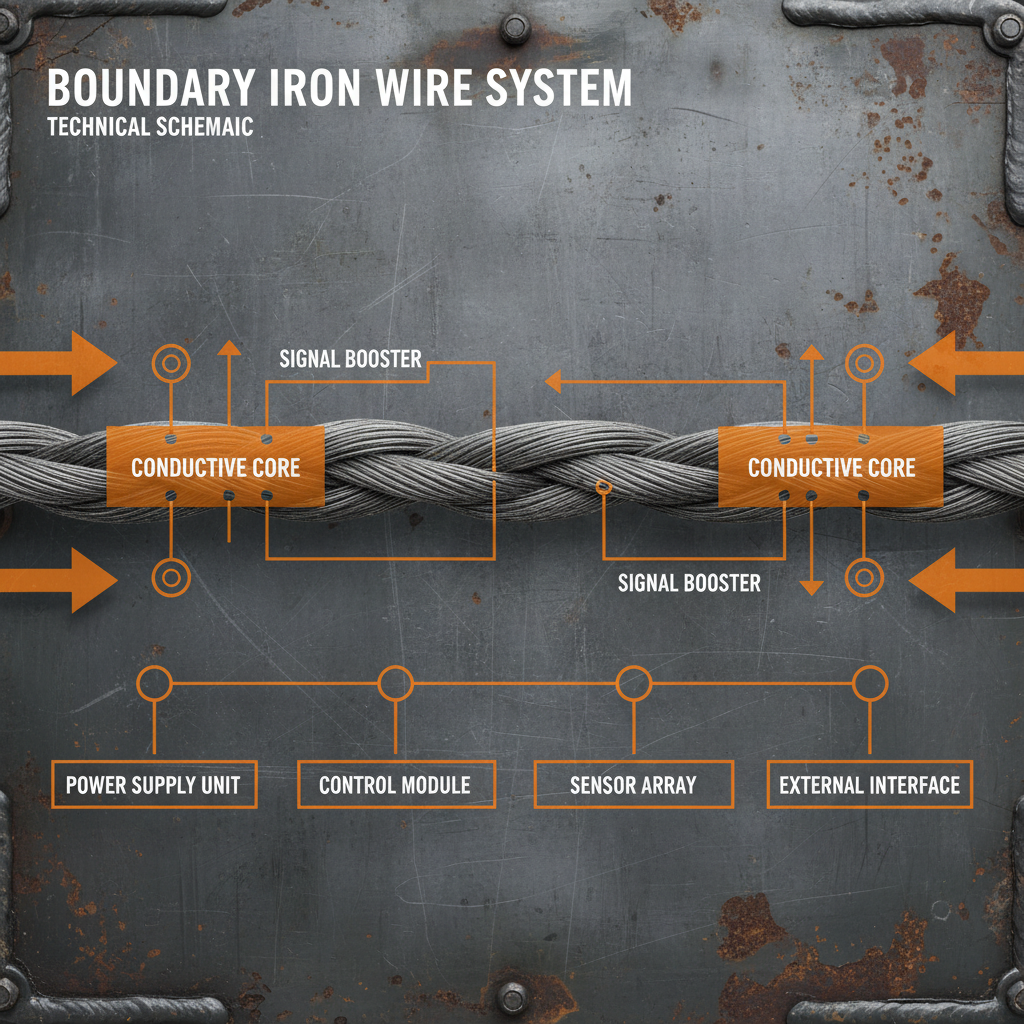
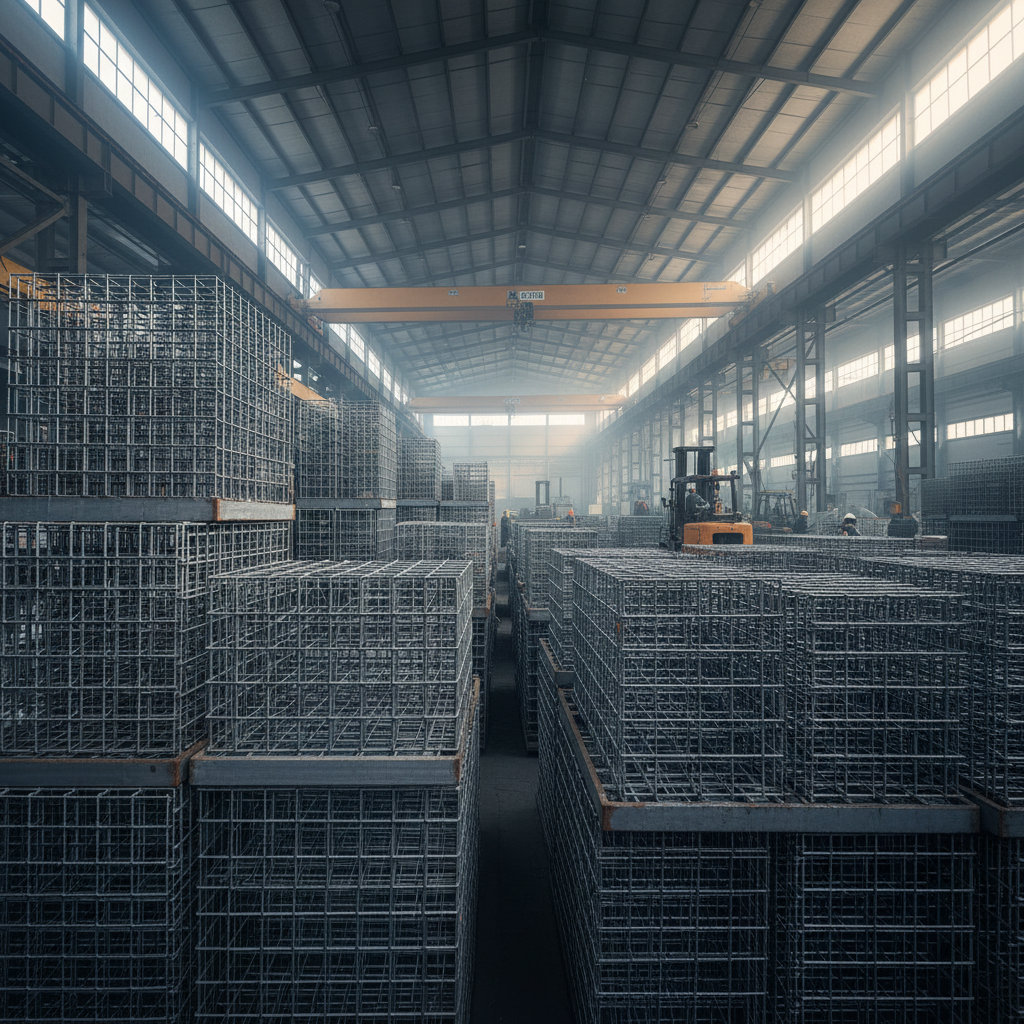
In the demanding world of industrial manufacturing, the quest for materials that combine structural strength with environmental resilience is constant. Coated iron wire has emerged as a critical solution, bridging the gap between the raw strength of steel and the necessity for corrosion resistance in harsh climates. By applying a protective polymer layer, industries can effectively extend the lifecycle of their infrastructure while reducing maintenance overhead.
Across various sectors, from agricultural fencing to marine engineering, the integration of protective coatings on metal cores prevents oxidation and chemical degradation. This technological evolution ensures that critical boundaries and support structures remain intact even when exposed to salt spray, humidity, or industrial pollutants. The versatility of the coating allows for customization in both color and physical properties, making it a staple in global supply chains.
Whether used in the construction of animal cages or specialized wire mesh products, the high-performance nature of coated iron wire provides a reliable shield against the elements. By leveraging low carbon steel or galvanized cores, this product offers a balanced combination of flexibility and tensile strength, ensuring stability in diverse applications ranging from forestry park protection to intricate handicrafts.
Material Composition and Core Specifications
The foundation of a high-quality coated iron wire lies in its inner core. Utilizing premium materials such as low carbon steel wire, Q195, or SAE1008, the core provides the necessary structural integrity. Depending on the specific requirement, these cores can be either galvanized or annealed to enhance initial resistance to rust and improve the flexibility needed for weaving and bending processes.
Technical precision is maintained through a wide range of gauges, spanning from BWG4 to BWG25, with inner diameters ranging from 0.5mm to 6mm. With a tensile strength typically between 300 and 500 N/mm2, the core ensures that the finished product can withstand significant mechanical stress without deformation, making it suitable for heavy-duty industrial use.
Protective Coating Features and Benefits
The outer layer of the wire is engineered using high-grade PVC, which serves as a primary barrier against environmental hazards. This coating is specifically designed to be fire retardant and provides excellent insulating properties, which is critical for applications where electrical safety or fire prevention is a priority. The resilient nature of the PVC ensures that the coating does not easily crack or peel under temperature fluctuations.
Beyond protection, the coating offers significant aesthetic versatility. Available in colors such as dark green, light green, grey, black, red, yellow, white, and pink, the wire can be blended into natural landscapes for forestry or animal husbandry projects. This "camouflage" effect is highly valued in aquaculture and park protection, where visual impact must be minimized.
One of the most significant advantages is the anti-cracking characteristic achieved through the intensive bonding process between the galvanized silk and the plastic. This unified structure ensures a service life that far exceeds that of ordinary untreated wire, reducing the frequency of replacements and lowering the total cost of ownership for the end-user.
Diverse Applications Across Global Industries
The versatility of coated iron wire allows it to be integrated into a vast array of sectors. In the construction industry, it is frequently used as building wire and for the production of durable wire mesh. Its ability to resist corrosion makes it an ideal choice for marine cables and product packaging in humid environments.
In the agricultural sector, coated iron wire is indispensable for animal husbandry and forestry park protection. It is widely utilized in weaving mesh for animal cages and aquaculture stadiums, where the PVC coating prevents the wire from irritating animals and resists the corrosive nature of saltwater and waste.
Furthermore, the creative industry leverages the flexibility and color options of coated iron wire for various handicrafts. From artistic installations to functional home goods, the combination of a strong steel core and a smooth, colorful finish provides a medium that is both durable and visually appealing.
Comparative Performance Analysis
When comparing different coating methods, the effectiveness of the PVC layer on galvanized steel is evident. The synergy between the zinc layer and the polymer coating creates a double-defense mechanism. While standard galvanized wire may eventually succumb to oxidation in extreme saline environments, the added PVC layer provides a physical shield that delays the onset of corrosion.
The following analysis evaluates various specifications of coated wire based on their performance in key industrial metrics, including weather resistance, flexibility, and overall longevity.
Performance Metrics of Coated Iron Wire Variations
Logistics, Packaging, and Customization
To ensure the product reaches the customer in optimal condition, a variety of packaging options are provided. Standard delivery often involves woven bags, but for more sensitive applications or specialized shipping, coils can be lined with PVC strips and wrapped in hessian cloth or PVC. This prevents the coating from being scratched or contaminated during transit.
Customization is a core strength of our production line. We offer coil weights ranging from 0.1kg to 1000kg to meet the needs of both small-scale artisans and large industrial contractors. Additionally, we provide small coils in increments of 50m, 100m, 150m, and 200m, often delivered in spider packing then placed into cartons for maximum stability and ease of handling.
Long-term Value and Durability Metrics
The long-term value of investing in high-quality coated iron wire is found in the drastic reduction of maintenance cycles. In aquaculture or forestry, where moisture is constant, untreated wire can fail within a few seasons. In contrast, the unified plastic-galvanized bond provides a lifespan that lasts for years, ensuring that safety perimeters and cages remain secure without constant patching.
From an economic perspective, the initial slightly higher cost of a coated product is offset by the elimination of recurring rust-treatment costs and labor. The reliability of the material also provides peace of mind, particularly in animal husbandry, where a break in a fence or cage due to corrosion could lead to significant livestock loss.
Furthermore, the insulating properties of the PVC coating add a layer of safety, reducing the risk of electrical conductivity in construction environments. This makes the product not just a structural component, but a safety asset that protects both the workers and the infrastructure they build.
Technical Dimension and Tolerance Guide
Precise dimensioning is critical for the successful weaving of mesh and the installation of fences. The relationship between the core wire diameter and the final coated diameter must be strictly controlled to ensure consistency across thousands of meters of wire. This precision prevents gaps in the weave and ensures that the structural tension remains uniform.
Typically, the coating adds a predictable thickness to the core. For instance, a core of 0.8mm results in a finished diameter of 1.2mm, while a 2.5mm core reaches 3.5mm after coating. This standardized growth allows engineers to calculate exactly how much space a fence or cage will occupy and how much material is required for a project.
The following table summarizes the core-to-coating ratios and the resulting technical characteristics for various common specifications used in global manufacturing.
Core vs. Coated Diameter Technical Specifications
|
Core Diameter (mm)
|
Finished Diameter (mm)
|
Coating Thickness (mm)
|
Application Suitability
|
| 0.8mm |
1.2mm |
0.4mm |
Fine Mesh / Handicrafts |
| 1.0mm |
1.4mm |
0.4mm |
Small Animal Cages |
| 1.4mm |
2.0mm |
0.6mm |
General Purpose Fencing |
| 2.0mm |
3.0mm |
1.0mm |
Industrial Mesh / Marine |
| 2.5mm |
3.5mm |
1.0mm |
Heavy Duty Barriers |
| 4.0mm |
5.0mm |
1.0mm |
Structural Support / Park Protection |
FAQS
The primary advantage is the added layer of protection. While galvanized wire relies on a zinc layer to prevent rust, the PVC coating provides a physical barrier that is waterproof, fire retardant, and insulating. This combination significantly extends the service life, especially in corrosive environments like marine areas or animal farms, and allows for aesthetic color customization.
Yes, customization is a standard part of the process. We offer a wide palette including dark green, light green, white, red, pink, black, blue, and yellow. This allows the wire to either blend into natural surroundings for forestry and park protection or stand out for safety and marking purposes in construction sites.
The tensile strength, typically ranging from 300 to 500 N/mm2, determines how much load the wire can bear before stretching or breaking. High tensile strength is crucial for security fencing and industrial mesh, ensuring that the structure remains taut and secure even under mechanical stress or external pressure.
Absolutely. The smooth PVC coating is specifically designed to prevent the sharp edges of the iron core from causing injuries to animals. Additionally, the anti-corrosive properties ensure that the cages do not rust over time, which maintains a hygienic environment for livestock and pets.
We provide several options to ensure safety during transit: woven bags for bulk orders, PVC strips and hessian cloth wraps for extra protection, and spider packing into cartons for smaller coils (50m-200m). This ensures that the PVC coating remains intact and free from scratches during long-distance shipping.
Due to the intensive processing that unifies the plastic with the galvanized core, our wire possesses strong anti-cracking characteristics. While lifespan depends on the environment, it significantly outperforms ordinary wire, lasting for many years even in outdoor settings, provided the coating is not mechanically punctured.
Conclusion
In summary, the integration of high-grade PVC coating with a robust galvanized or low-carbon steel core creates a versatile and highly durable product. By addressing the critical issues of corrosion, insulation, and aesthetic integration, coated iron wire serves as an essential component in modern industrial, agricultural, and creative applications. From the precision of its BWG gauges to its customizable packaging, every aspect is designed to maximize efficiency and longevity.
As global industries move toward more sustainable and low-maintenance infrastructure, the demand for materials that offer long-term reliability will only increase. Choosing a wire with superior anti-cracking properties and a unified coating process is not just a technical decision, but a strategic investment in safety and durability. We invite you to explore our full range of specifications to find the perfect fit for your next project. Visit our website: www.yjdwiremesh.com