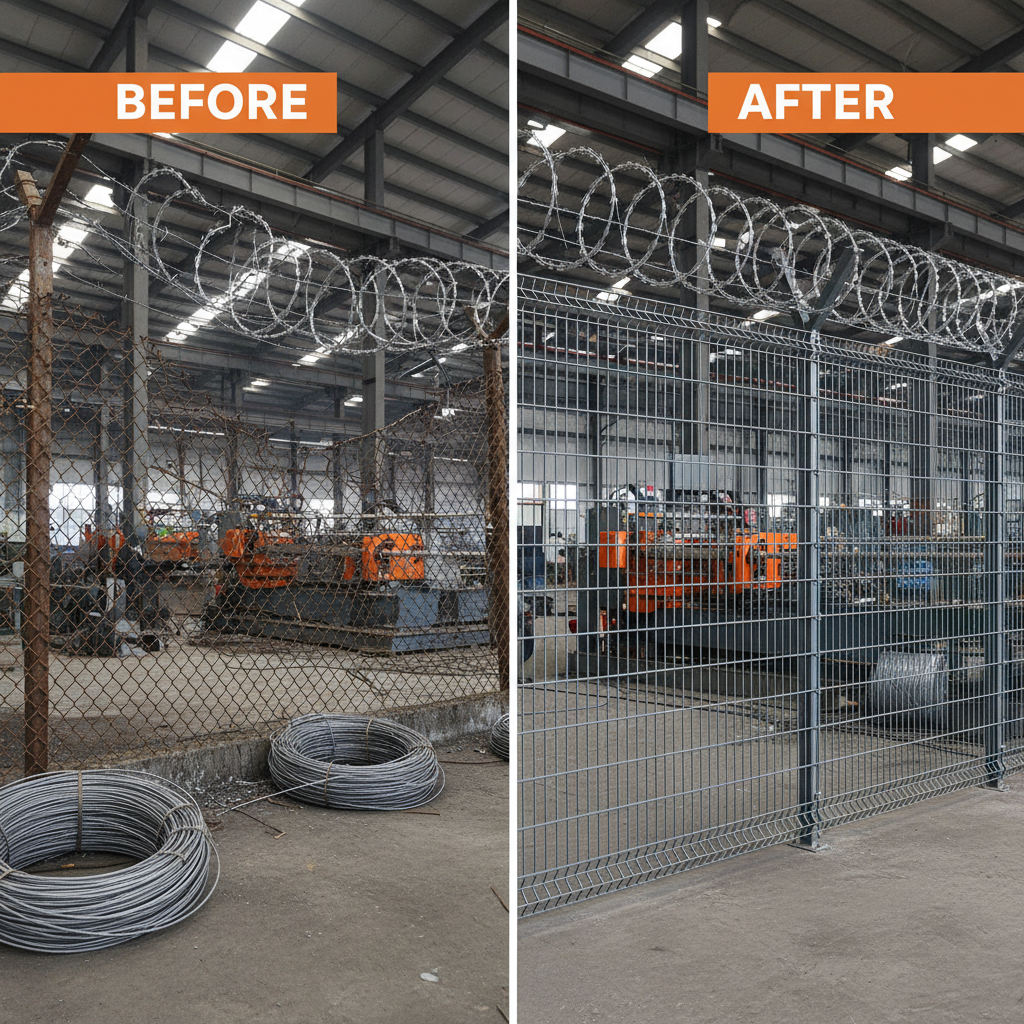
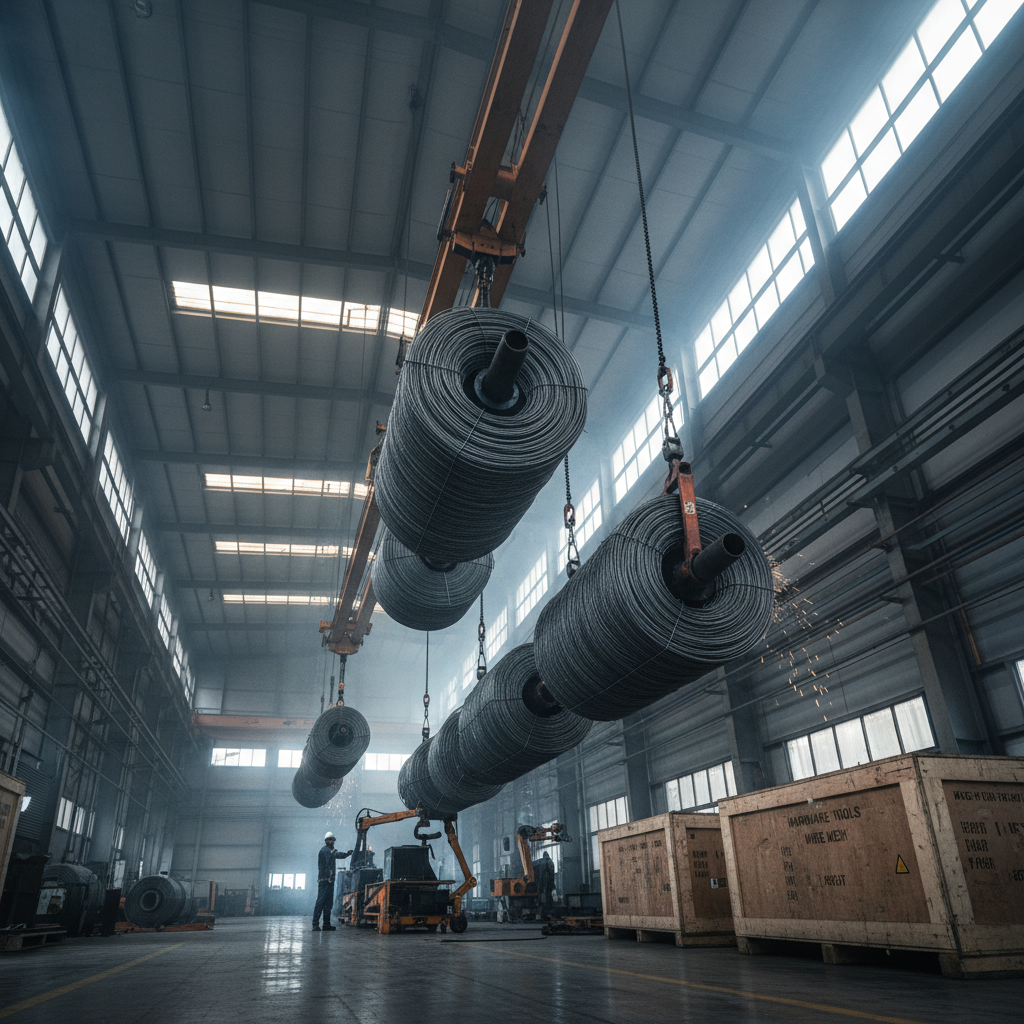
Boundary iron wire plays a critical role in a multitude of applications globally, ranging from agricultural fencing and security perimeters to infrastructure support and even specialized industrial processes. Its versatility and relative cost-effectiveness make it a foundational material for defining boundaries and providing structural support in diverse environments. Understanding the properties and applications of boundary iron wire is crucial for professionals in construction, agriculture, security, and manufacturing industries alike.
The global demand for boundary iron wire is consistently driven by population growth, increasing infrastructure development, and a heightened need for security. According to reports from the World Steel Association, global steel production, a key component in iron wire manufacturing, remains robust. Challenges lie in sustainable sourcing of materials, optimizing production processes for energy efficiency, and adapting to evolving security threats that demand higher-strength and more resilient wire solutions.
Furthermore, the application of boundary iron wire extends beyond simply marking physical limits. It's integral to ensuring the safety of livestock, protecting crops from wildlife, and securing sensitive areas against unauthorized access. The availability of high-quality boundary iron wire is therefore vital to maintaining food security, protecting property, and upholding public safety on a global scale.
Introduction to Boundary Iron Wire
Boundary iron wire, at its core, is a versatile and cost-effective material used extensively for demarcation, security, and structural support. Its enduring presence in various sectors stems from its ability to provide a reliable and robust barrier, easily adaptable to diverse terrain and requirements. From simple agricultural fencing to complex security installations, boundary iron wire remains a foundational element in defining physical spaces.
The fundamental strength of boundary iron wire lies in its tensile strength and resistance to stretching, making it ideal for applications where maintaining a firm, consistent barrier is paramount. Different gauges and coatings are available, further tailoring its suitability to specific environmental conditions and security levels. Understanding these variations is crucial for selecting the appropriate material for a given application.
Defining Boundary Iron Wire
Boundary iron wire is fundamentally a metallic wire, typically crafted from low-carbon steel, and commonly used to delineate property lines, create barriers, and provide structural support. It distinguishes itself from other fencing materials through its cost-effectiveness, ease of installation, and adaptability to varying landscapes. While often perceived as a simple material, advancements in manufacturing processes and coating technologies have significantly enhanced its durability and performance.
Its connection to modern industry and humanitarian needs is multifaceted. In agriculture, it safeguards crops and livestock. In security applications, it forms the basis of perimeters protecting infrastructure and communities. In disaster relief, it can be quickly deployed for temporary enclosures and security measures. It's a versatile material that addresses basic needs for containment and protection across a wide spectrum of scenarios.
The increasing need for secure boundaries, coupled with growing demands for affordable infrastructure solutions, continues to drive the relevance of boundary iron wire. It's a material that adapts to evolving needs, offering a practical and efficient solution for a wide range of applications, making it a significant component in both developed and developing nations.
Core Characteristics of Boundary Iron Wire
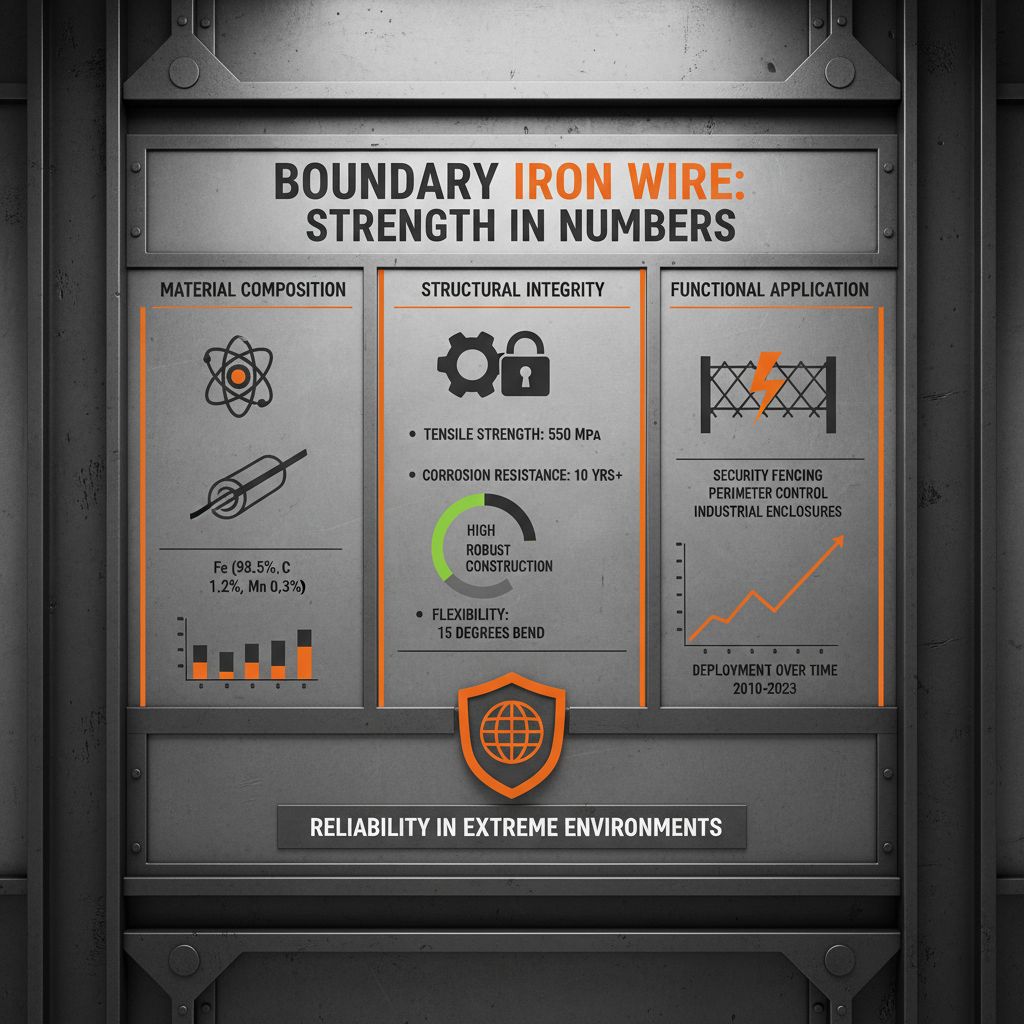
The defining characteristics of boundary iron wire revolve around its material composition, manufacturing process, and subsequent treatment. Typically made from low-carbon steel for pliability and strength, it undergoes a galvanization process to protect against corrosion. This coating, often zinc-based, significantly extends the lifespan of the wire, especially in harsh weather conditions.
Furthermore, boundary iron wire’s tensile strength, measured in pounds per square inch (PSI), is a critical factor determining its ability to withstand stress and maintain its integrity. The wire gauge, or diameter, directly influences this strength – thicker gauges offering greater resistance to breaking or stretching. This characteristic is vital for applications like high-security fencing or supporting heavy loads.
Another crucial aspect is its malleability. While strong, boundary iron wire needs to be easily formed and manipulated during installation. This allows for adaptation to uneven terrain and complex fencing layouts. Different types of wire, such as barbed wire or twisted wire, are created through specific manufacturing processes to enhance their functionality for particular applications.
Key Factors Influencing Boundary Iron Wire Performance
Several key factors dictate the performance and longevity of boundary iron wire. Galvanization quality is paramount, as the thickness and uniformity of the zinc coating directly correlate to rust resistance. Environmental conditions, such as salinity and humidity, significantly impact the rate of corrosion, necessitating varying levels of protection based on location.
Wire gauge plays a critical role. Heavier gauges offer superior strength and durability, making them suitable for high-stress applications, while lighter gauges are more cost-effective for less demanding uses. The method of weaving or twisting the wire also influences its overall strength and resistance to cutting or breaking.
Boundary Iron Wire Performance Metrics
Global Applications and Use Cases
Boundary iron wire finds extensive application in agriculture, particularly in livestock management and crop protection. Farmers utilize it to create secure pastures, prevent animal straying, and safeguard harvests from wildlife. In regions with large-scale farming operations, such as the American Midwest or the Argentinian Pampas, boundary iron wire is a ubiquitous sight.
The security sector heavily relies on boundary iron wire for perimeter fencing around critical infrastructure, industrial facilities, and residential properties. From high-security prisons to commercial complexes, it provides a visible and effective deterrent against unauthorized access. It is commonly implemented in regions with heightened security concerns such as along international borders.
Advantages and Long-Term Value
The advantages of boundary iron wire are numerous, beginning with its cost-effectiveness. Compared to alternative fencing materials like concrete or wood, it presents a significantly lower upfront investment. Its ease of installation further reduces costs, requiring less specialized labor and equipment.
Its long-term value extends beyond mere financial savings. The durability, especially when properly galvanized, ensures a long service life, minimizing replacement costs. The material is also relatively low maintenance, requiring only periodic inspections and occasional repairs. This represents both economic and environmental benefits due to the reduced need for frequent replacements.
Furthermore, boundary iron wire offers a sense of security and peace of mind. It provides a clear physical barrier, deterring trespassers and protecting assets. This contributes to a safer environment for both individuals and communities, adding immeasurable value that extends beyond purely economic considerations.
Future Trends and Innovations
Future trends in boundary iron wire are focused on enhancing durability, sustainability, and security features. Research is ongoing into new coating technologies, such as polymer coatings, that offer superior corrosion resistance and longer lifespans compared to traditional galvanization.
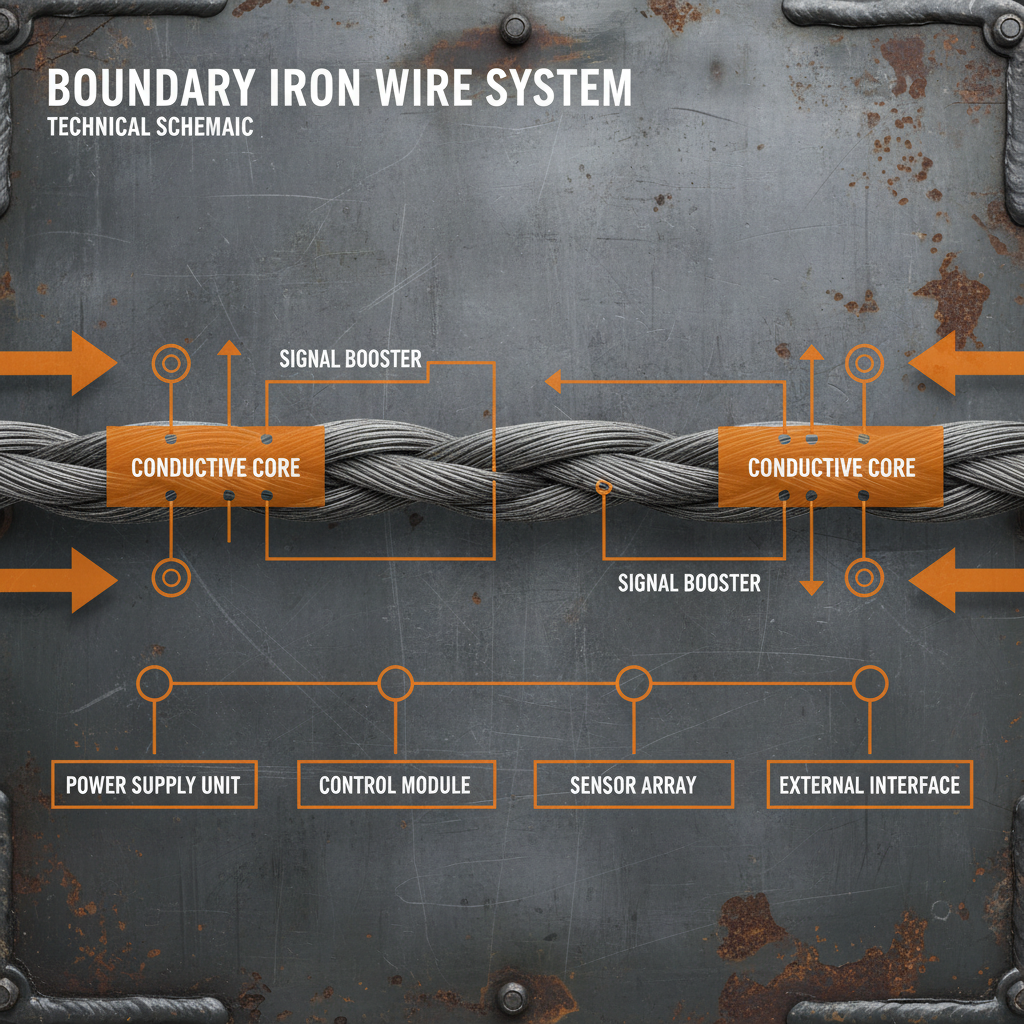
The integration of smart technologies is another emerging trend. Embedding sensors within the wire mesh can provide real-time monitoring of perimeter security, detecting breaches and alerting authorities. These “smart fences” represent a significant advancement in security capabilities.
Sustainability is also gaining prominence. Manufacturers are exploring the use of recycled steel and environmentally friendly coating materials to reduce the carbon footprint of boundary iron wire production. These advancements aim to align the industry with global sustainability goals and minimize environmental impact.
Challenges and Solutions
A primary challenge facing the boundary iron wire industry is corrosion, particularly in harsh marine or industrial environments. Traditional galvanization, while effective, has limitations in extreme conditions. Another challenge is the potential for theft, especially of longer wire sections.
Solutions include the development of advanced coating technologies, such as zinc-aluminum alloys and polymer coatings, that offer superior corrosion resistance. Anti-theft measures, such as embedding microdots or using specialized locking mechanisms, can deter theft and facilitate recovery.
Addressing sustainability concerns through increased use of recycled materials and eco-friendly manufacturing processes is also crucial. Collaboration between manufacturers, researchers, and end-users is essential to overcome these challenges and drive innovation in the boundary iron wire sector.
Key Performance Indicators for Boundary Iron Wire Solutions
| Application Area |
Corrosion Resistance (Scale 1-10) |
Security Level (Scale 1-10) |
Cost-Effectiveness (Scale 1-10) |
| Agricultural Fencing |
7 |
4 |
9 |
| Residential Security |
8 |
6 |
7 |
| High-Security Perimeter |
9 |
9 |
6 |
| Industrial Site Protection |
7 |
7 |
8 |
| Livestock Containment |
6 |
3 |
10 |
| Disaster Relief Enclosures |
5 |
4 |
9 |
FAQS
Galvanized boundary iron wire is coated with zinc for corrosion resistance, making it a cost-effective solution for general applications. PVC-coated wire provides an additional layer of protection with a plastic coating, significantly enhancing durability and lifespan, particularly in harsh environments. PVC coating also offers color options for aesthetic purposes, while galvanization has a standard silver appearance. Choosing between the two depends on the specific environmental conditions and required level of protection.
The appropriate gauge depends on the intended use and the size of the animals or security threats you’re containing. Lighter gauges (e.g., 14 gauge) are suitable for temporary fencing or controlling small animals. Heavier gauges (e.g., 12 or 10 gauge) are recommended for livestock, high-security applications, and areas with strong winds. Consider the span between posts – longer spans require thicker wire to prevent sagging and maintain integrity.
The lifespan of boundary iron wire varies based on the coating type and environmental conditions. Galvanized wire typically lasts 10-20 years, while PVC-coated wire can last 20-30 years or more. Proper installation, including adequate post spacing and tensioning, is crucial. Regular inspections and maintenance, such as repairing damaged sections, can further extend the lifespan.
Boundary iron wire can be a relatively environmentally friendly choice compared to some alternatives. Steel is highly recyclable, and many manufacturers now use recycled content in their production processes. Choosing a durable, long-lasting wire reduces the frequency of replacements, minimizing waste. However, the manufacturing process itself does have an environmental impact, and responsible sourcing of materials is important.
Proper installation is critical for performance. Use appropriate post spacing based on terrain and wire gauge. Ensure posts are securely anchored and of adequate height. Tension the wire correctly to prevent sagging and maintain a tight, consistent barrier. Use appropriate tools for stretching and securing the wire, and consider adding bracing to posts for increased stability.
Coastal areas present a significant corrosion challenge. Using a heavier galvanization coating or, ideally, PVC-coated wire is highly recommended. Regularly inspect the wire for signs of rust and apply a corrosion inhibitor if necessary. Avoid direct contact between the wire and saltwater or other corrosive substances. Proper grounding can also help reduce electrolytic corrosion.
Conclusion
Boundary iron wire remains a foundational material in a multitude of sectors, providing a cost-effective, versatile, and reliable solution for delineation, security, and support. Its enduring relevance stems from its adaptability to diverse applications, ranging from agriculture and security to infrastructure and disaster relief. Understanding the factors influencing its performance, such as galvanization quality, wire gauge, and environmental conditions, is crucial for maximizing its lifespan and effectiveness.
Looking ahead, innovation in coating technologies, the integration of smart features, and a focus on sustainability will continue to shape the future of boundary iron wire. Embracing these advancements will not only enhance its performance but also minimize its environmental impact, ensuring its continued role as a vital material for years to come. For high-quality boundary iron wire solutions, visit our website: www.yjdwiremesh.com