

To be honest, things have been crazy busy lately. Everyone’s talking about pre-fabricated construction, modular designs… it's all the rage. Seems like everyone wants something faster, cheaper. But faster and cheaper usually means corners get cut, you know? And that’s where the headaches begin. I’ve seen too many projects where they chase speed and end up with something that won't last. Anyway, I think the biggest shift I’m seeing is a real push for more sustainable materials. Not just because it looks good on paper, but because, well, we’re starting to feel the effects of using… less than ideal stuff for decades.
Have you noticed how much everything is becoming about customization? Everyone wants their own little tweaks. It’s exhausting. But it's also kind of cool, I guess. It means people are actually thinking about their needs. Though half the time those “needs” are just… well, let’s just say they haven’t spent a day actually doing the work.
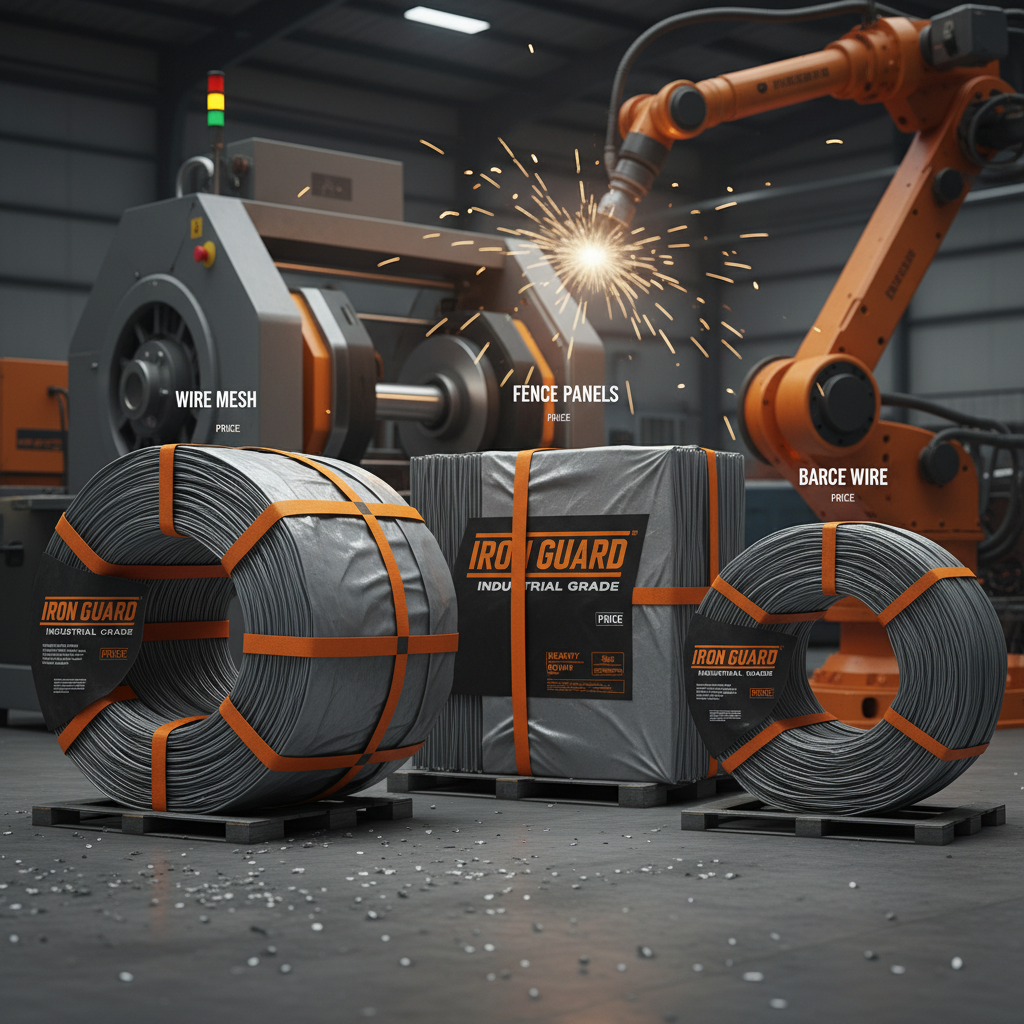
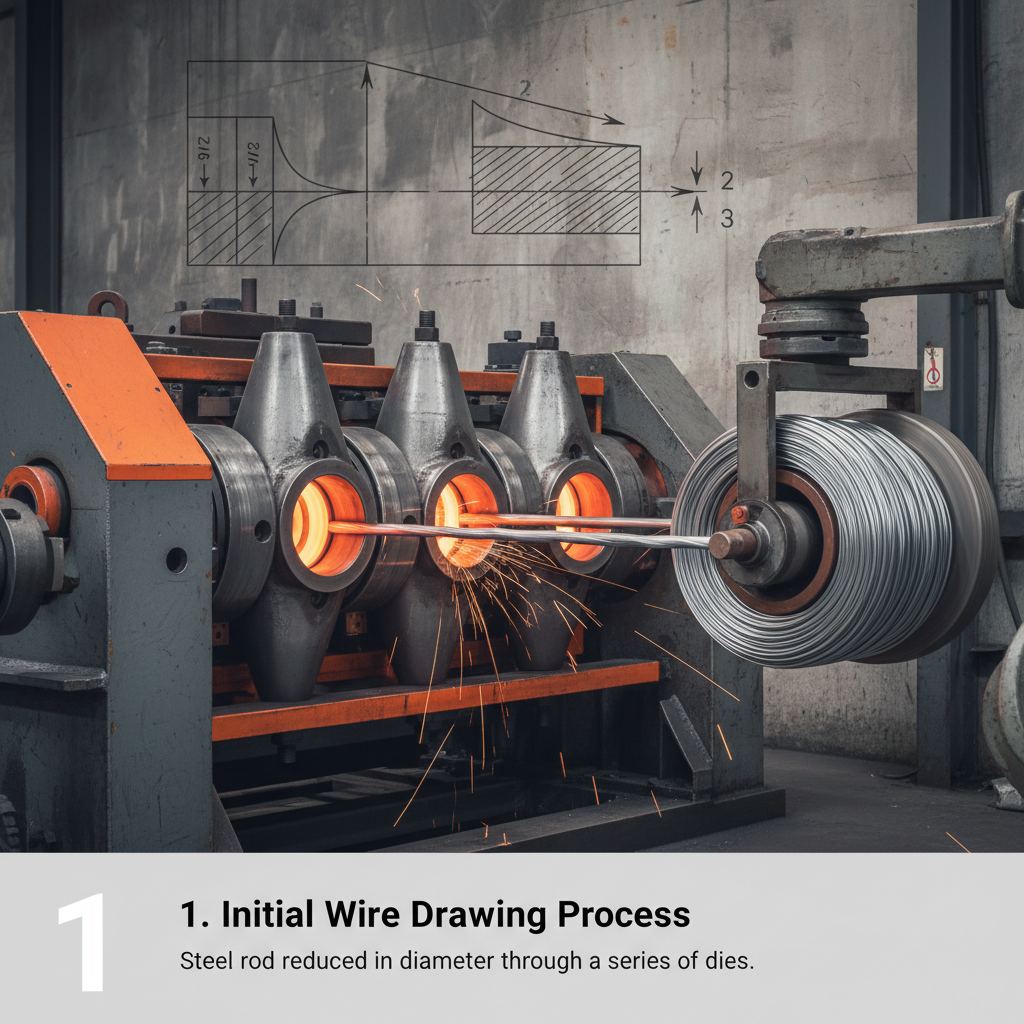
We've been focusing a lot on high-tensile wire mesh lately, specifically for reinforcing pre-cast concrete panels. The stuff we're using now is mostly galvanized steel, sometimes with a polymer coating for extra corrosion resistance. It smells faintly of… zinc, I guess? It's a heavy, solid feel. You can tell it’s good quality. I encountered this at the Huaan factory last time, and their quality control guy was really particular about the coating thickness. Said anything less than 60 microns and it's just not worth the hassle.

Strangely, a lot of designers don’t seem to understand the stresses that these materials actually endure on site. They’ll design something that looks great on a CAD drawing but completely falls apart when you try to actually build it. Like, a perfectly symmetrical weld that cracks the first time you put any real pressure on it. And don't even get me started on the whole “self-healing concrete” fad. Sounds good, but it’s a nightmare to work with.
The biggest pitfall I see is over-engineering. They try to make everything so robust it becomes unnecessarily expensive and difficult to handle. Sometimes, simple is better. A good, strong wire mesh, properly tensioned, can do wonders. It doesn’t need to be coated in unobtanium or have some fancy micro-structure.
For concrete foundations, galvanized steel wire mesh is generally a good choice. It provides sufficient strength and corrosion resistance for most applications. However, if the foundation is exposed to saltwater or harsh chemicals, stainless steel wire mesh is a better option. Always consult with a structural engineer to determine the best choice for your specific project. It’s also important to consider the mesh gauge and spacing – heavier gauge and closer spacing provide greater reinforcement.
While galvanized and stainless steel meshes offer good corrosion resistance, they aren’t immune to rust. Proper concrete cover is crucial – ensuring the mesh is adequately embedded within the concrete helps protect it from the elements. Applying a sealant to exposed edges can also provide extra protection. Regularly inspecting the concrete for cracks and addressing them promptly prevents water ingress, which accelerates corrosion. In extremely harsh environments, consider using epoxy-coated wire mesh.
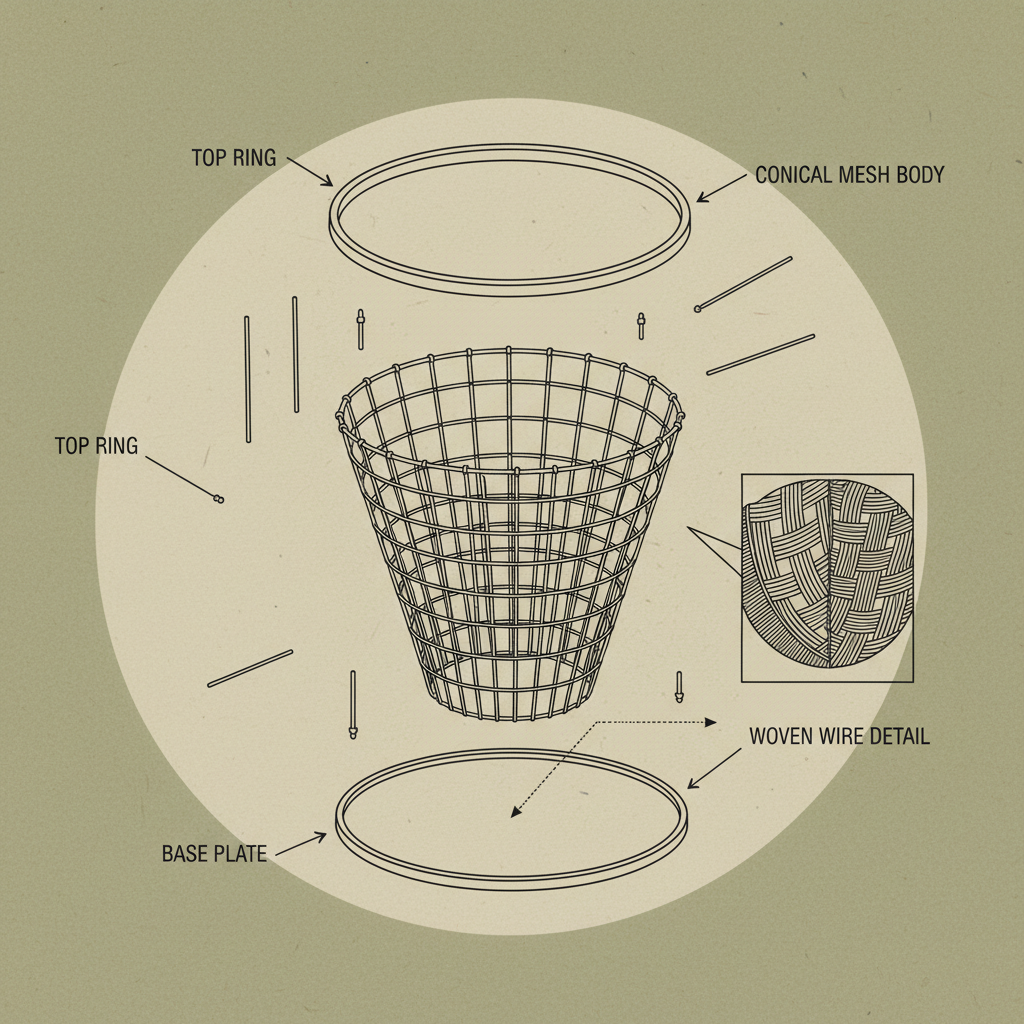
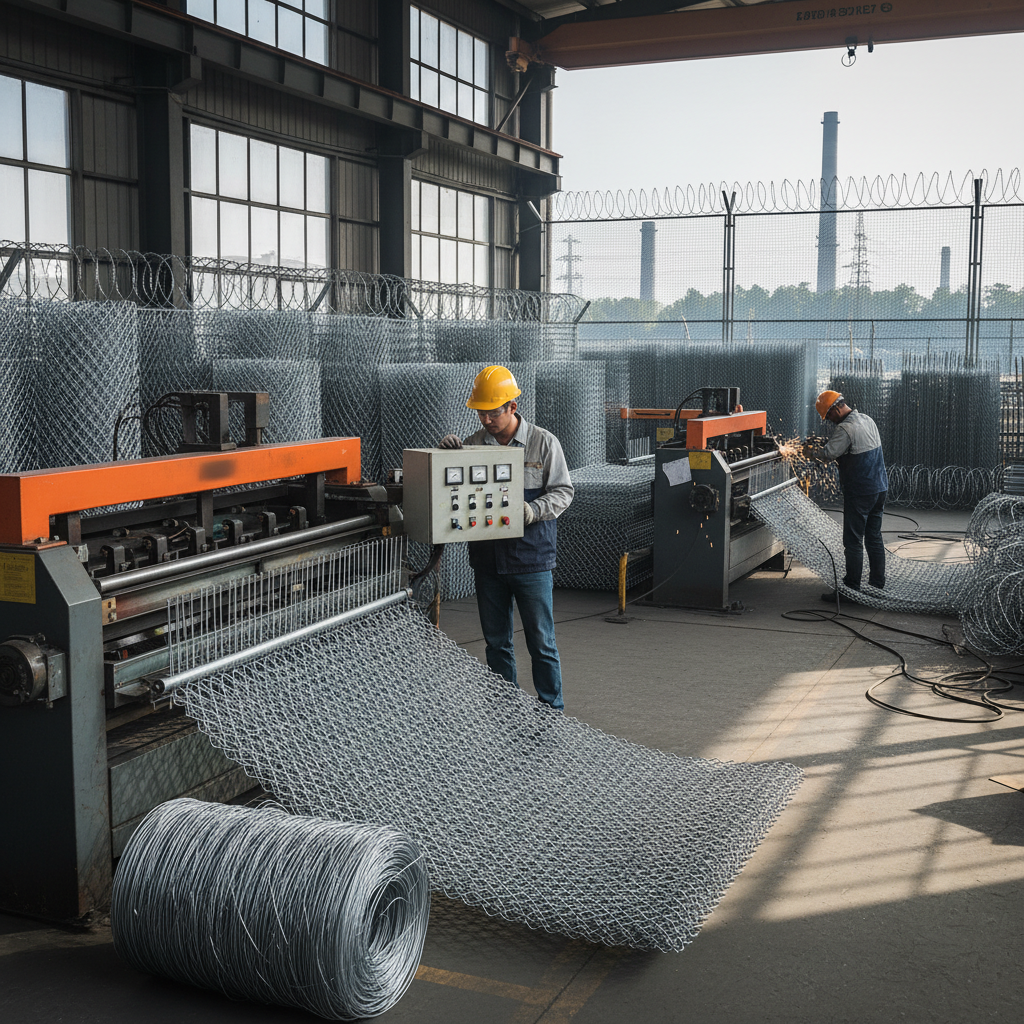
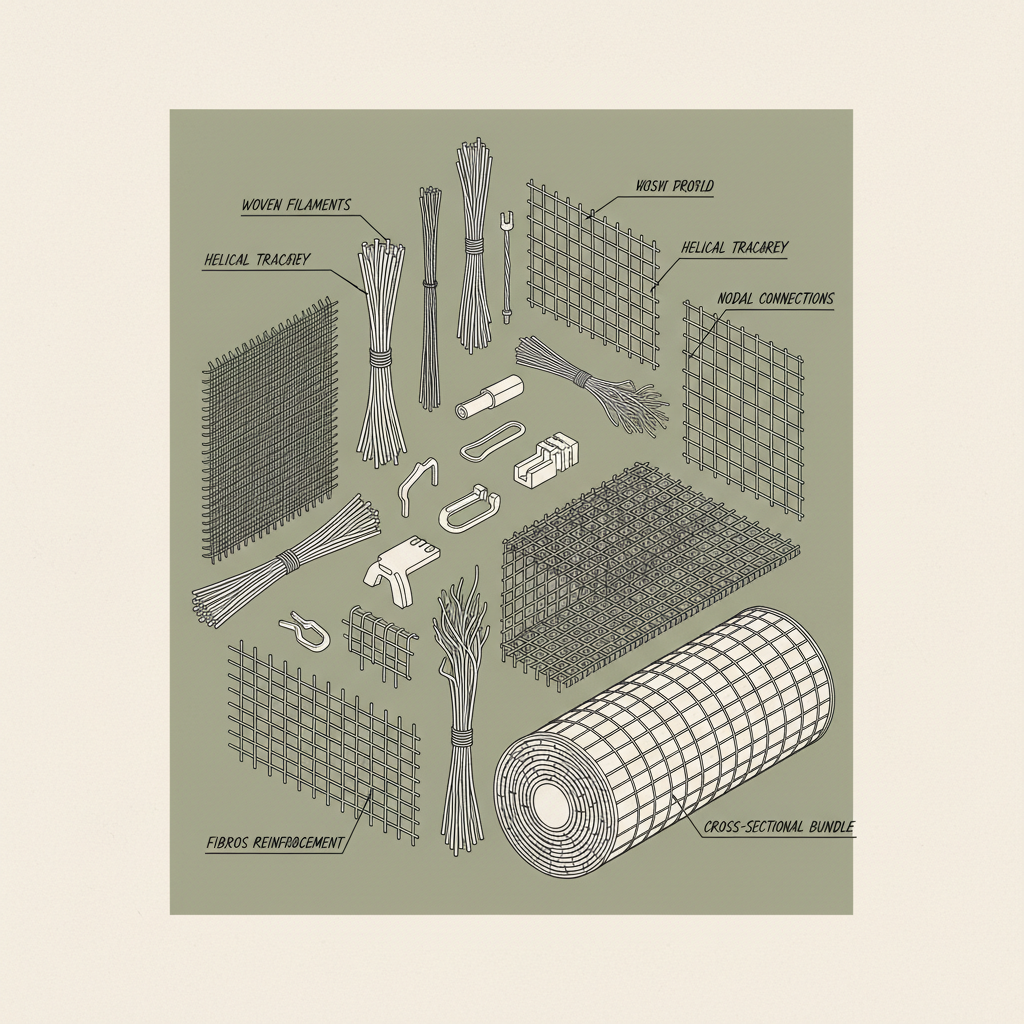
Welded wire mesh is created by joining wires together at their intersections using welding, resulting in a rigid grid. Woven wire mesh, on the other hand, is made by interlacing wires in a pattern similar to cloth. Welded mesh is generally stronger and more dimensionally stable, while woven mesh is more flexible and easier to conform to curved surfaces. The choice depends on the specific application and required properties.
Calculating the required amount of wire mesh involves determining the area to be covered, the mesh spacing, and the overlap required. Start by measuring the length and width of the area. Then, divide the area by the mesh panel size to determine the number of panels needed. Add an overlap of at least one mesh spacing to ensure proper coverage. It’s always better to overestimate slightly than to run short. Consult with a supplier for assistance if you’re unsure.
Yes, absolutely. Most suppliers offer custom cutting and bending services. You can specify the exact dimensions and shapes you need, including cutouts for pipes or other obstructions. This is particularly useful for projects with irregular geometries or complex designs. Customization typically involves an additional cost and lead time, so it’s important to factor that into your planning. For example, a client last month needed a mesh panel shaped like a crescent for a decorative wall, and we were able to deliver.
Wire mesh can be sharp and cause cuts. Always wear heavy-duty gloves and eye protection when handling it. Avoid direct contact with bare skin. Use appropriate cutting tools and avoid bending or manipulating the mesh in a way that could cause it to snap or break. Be mindful of tripping hazards when working with large rolls of mesh. Store mesh properly to prevent it from becoming a hazard to others.
So, we’ve covered a lot of ground here. From the latest industry trends to the nitty-gritty details of material selection and testing, it's clear that wholesale wire mesh is a crucial component in modern construction. It’s a surprisingly versatile material with a wide range of applications, and when used correctly, it can significantly enhance the strength, durability, and safety of structures.
Ultimately, whether this thing works or not, the worker will know the moment he tightens the screw. That’s the truth. If you're looking for high-quality wholesale wire mesh for your next project, visit our website at wholesale wire mesh. We’ve got what you need.