The global industrial landscape relies heavily on the versatility and strength of specialized metal components, where china iron wire stands as a cornerstone of modern manufacturing. From agricultural fencing to complex industrial filtration, the quality of the wire determines the longevity and safety of the end product. Understanding the nuances of material grade and manufacturing precision is essential for procurement managers and engineers worldwide.
Across various sectors, the demand for high-tensile and galvanized options has surged, pushing the boundaries of how china iron wire is processed and coated. As global infrastructure expands, the need for cost-effective yet durable binding and reinforcing materials becomes critical, making the selection of the right wire specifications a strategic business decision rather than a mere purchase.
By integrating advanced metallurgy with large-scale production capabilities, the industry has transformed simple iron strands into high-performance tools. Whether it is used in the production of animal cages or window screening, china iron wire provides the structural integrity required to withstand environmental stress while remaining economically viable for large-scale deployment.
Global Industrial Relevance of China Iron Wire
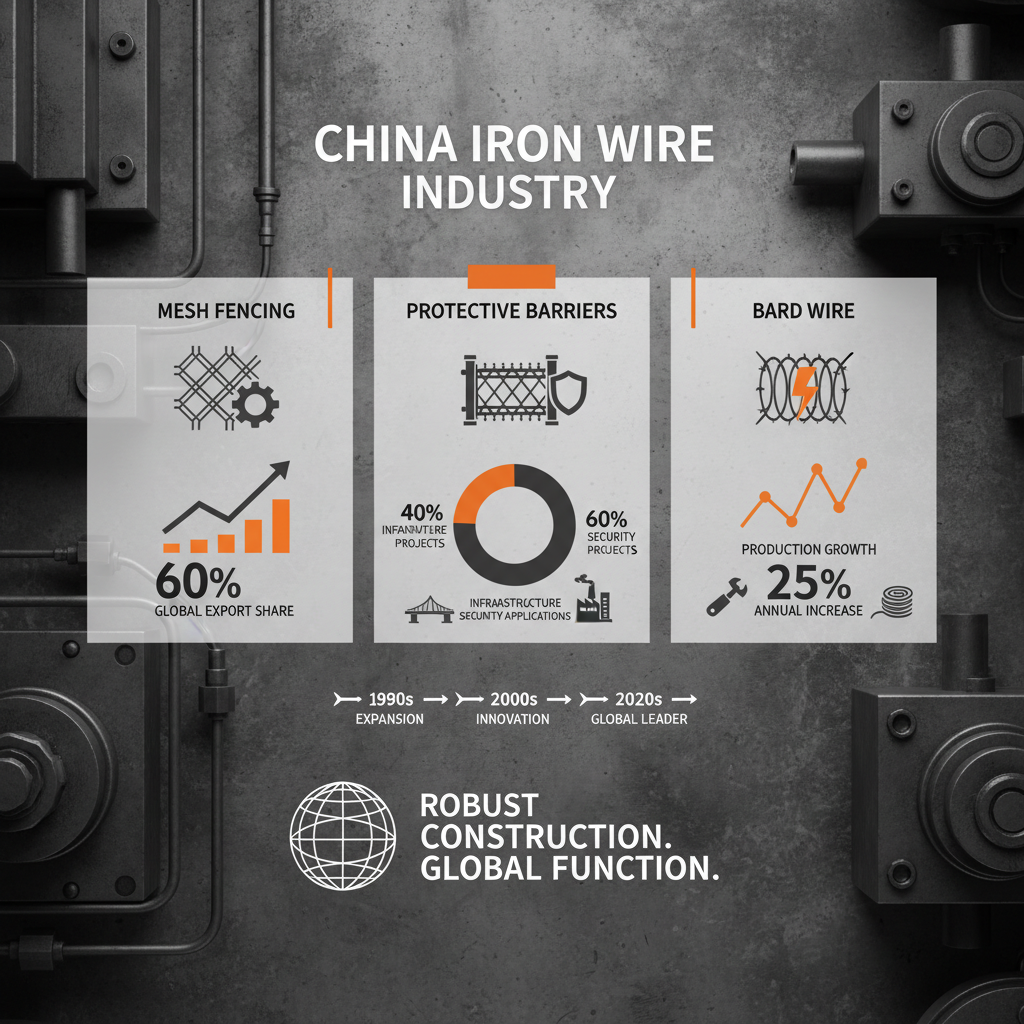
The global supply chain for construction and agricultural materials is deeply intertwined with the production of china iron wire. According to international trade data, the volume of wire products exported from Asia accounts for a significant portion of the world's infrastructure needs, adhering to ISO standards to ensure compatibility across different continents.
The primary challenge addressed by high-grade iron wire is the balance between tensile strength and corrosion resistance. In harsh environments, such as coastal regions or industrial zones, the ability of the wire to resist oxidation while maintaining its load-bearing capacity is what separates premium industrial products from low-cost alternatives.
Defining the Standards of China Iron Wire
In simple terms, china iron wire refers to the specialized processed steel or iron strands produced through drawing, annealing, and coating processes to meet specific industrial requirements. It is not a single product but a category of materials that ranges from soft annealed wire for binding to hard-drawn wire for high-tension fencing.
This material is intrinsically connected to modern humanitarian and industrial needs. For instance, in the creation of secure animal cages or protective window screening, the wire must be flexible enough for fabrication but rigid enough to prevent breaches. This duality makes it indispensable for both commercial agriculture and urban safety.
Furthermore, the "China" designation often implies a scale of production that allows for extreme customization in gauge and coating thickness. By leveraging advanced automation, manufacturers can produce millions of meters of wire with a deviation of only a few microns, ensuring consistent performance across entire project sites.
Core Technical Components of High-Quality Wire
Durability is the first pillar of premium china iron wire. This is achieved through precise galvanization, where a zinc coating is applied to prevent rust. The thickness of this layer determines how many years the wire can survive in outdoor environments before requiring maintenance.
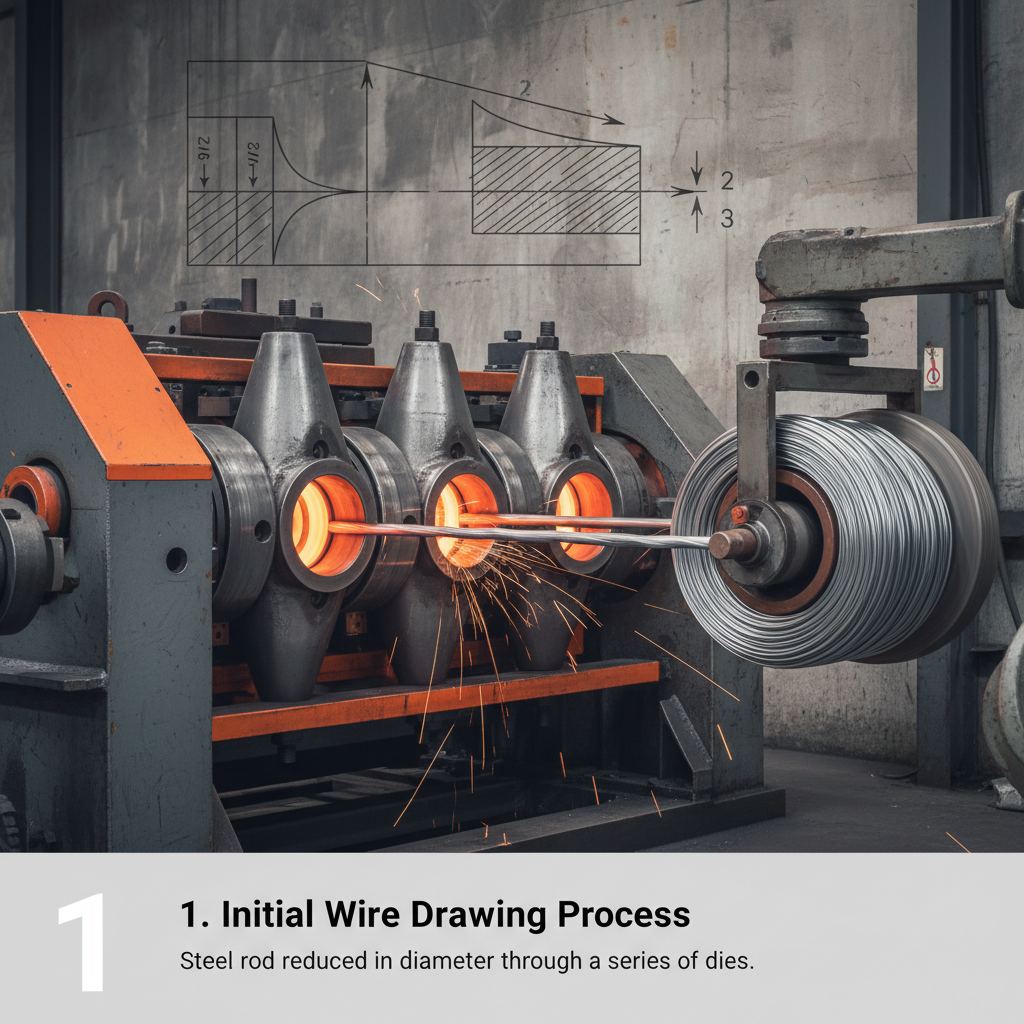
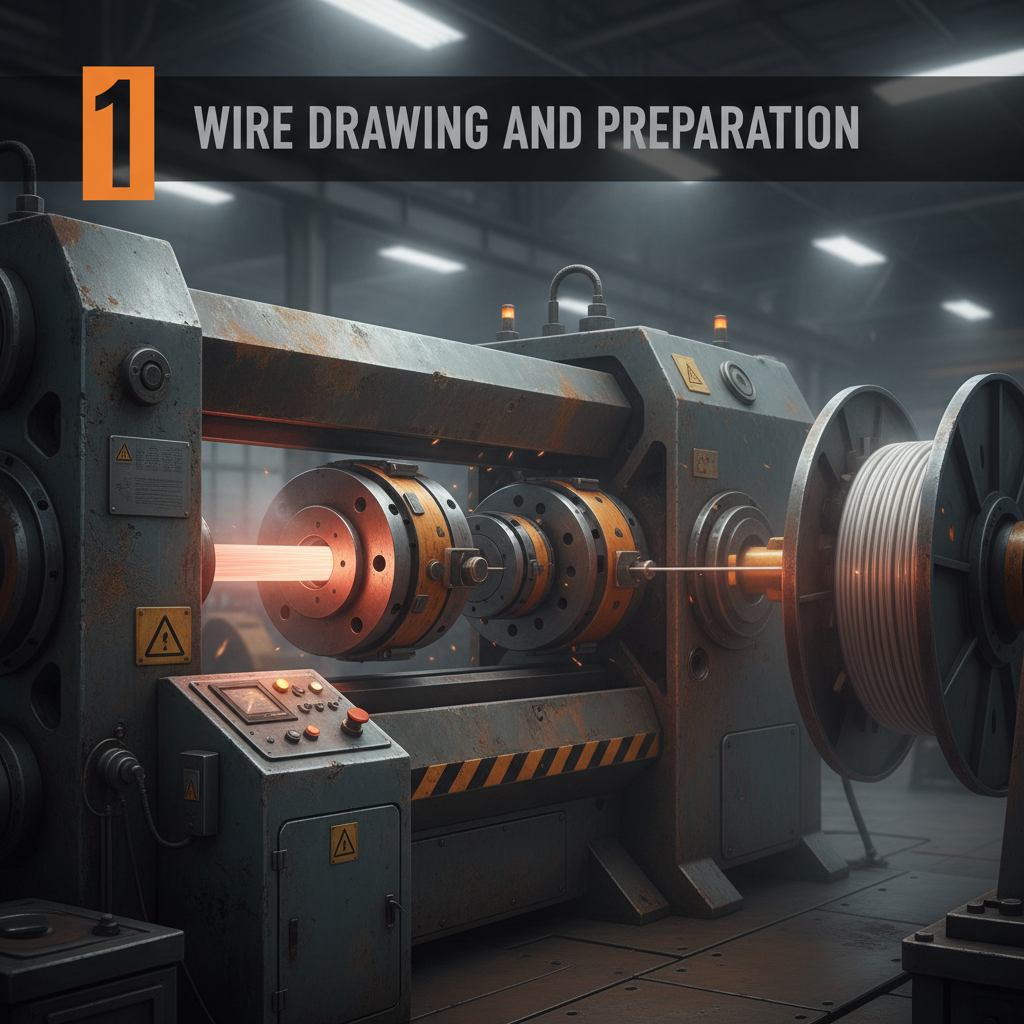
Tensile strength and scalability are equally critical. Depending on the intended use—be it barbed wire for security or iron nails for construction—the wire undergoes a cold-drawing process that aligns the molecular structure of the metal, increasing its strength without adding bulk.
Finally, cost-efficiency is realized through the optimization of raw material sourcing and energy-efficient drawing mills. High-quality china iron wire offers a superior price-to-performance ratio, allowing large-scale developers to secure their perimeters without compromising on safety standards.
Practical Applications and Use Cases
The versatility of china iron wire is evident in its widespread adoption across diverse industries. In the agricultural sector, it is the primary material for animal cages and livestock fencing, providing a secure environment for animals while remaining cost-effective for farmers in rural regions.
Beyond the farm, it is critical in urban infrastructure. For example, in remote industrial zones or post-disaster relief operations, rapid-deployment fencing made from high-tensile iron wire is used to establish secure perimeters and organize logistics hubs efficiently.
Performance Comparison of China Iron Wire Types
Long-Term Economic and Structural Value
Investing in high-grade china iron wire provides tangible long-term benefits, primarily in the reduction of replacement costs. When a product is correctly galvanized and tempered, its service life extends by years, significantly lowering the total cost of ownership for facility managers.
From a logical and emotional perspective, the reliability of these materials translates into trust and safety. Whether it is a secure fence protecting a family's livestock or a window screen preventing pests from entering a home, the peace of mind provided by a structurally sound product is an invaluable asset.
Future Trends in Wire Manufacturing
The future of china iron wire is being shaped by the global drive toward sustainability. Green energy initiatives are prompting manufacturers to adopt low-carbon steel production methods and eco-friendly coating processes that reduce the release of volatile organic compounds (VOCs).
Digital transformation is also playing a role, with the implementation of AI-driven quality control systems. These systems can detect microscopic flaws in the wire during the drawing process, ensuring that every batch of wire meets stringent safety specifications before it leaves the factory.
Furthermore, we are seeing a shift toward "smart materials," where iron wires are integrated with specialized coatings that can signal corrosion or structural failure through color changes, allowing for predictive maintenance in critical infrastructure.
Overcoming Challenges in Wire Selection
One of the most common limitations in the current practice is the "specification gap," where buyers order wire based on price rather than environmental suitability. This often leads to premature failure in high-salinity or high-humidity areas where standard china iron wire might not suffice without extra protection.
To overcome this, expert procurement involves a "site-first" analysis. By evaluating the chemical composition of the surrounding air and soil, engineers can specify the exact micron thickness of the zinc coating or the specific carbon content required for the core wire.
Innovative approaches now include the use of hybrid coatings—combining galvanization with polymer layers. This "double-shield" method provides an unprecedented level of protection, ensuring that the wire remains intact even in the most corrosive industrial environments.
Analysis of China Iron Wire Specification and Performance
| Wire Category |
Coating Type |
Tensile Strength |
Expected Lifespan |
| Hot-Dipped Galvanized |
Heavy Zinc Layer |
High (8-9) |
15-20 Years |
| Electro-Galvanized |
Thin Zinc Layer |
Medium (6-7) |
5-10 Years |
| Soft Annealed |
Oil/Black Finish |
Low (4-5) |
2-5 Years (Indoor) |
| PVC Coated |
Polymer + Zinc |
High (7-8) |
20+ Years |
| Hard Drawn |
None/Minimal |
Very High (9-10) |
10-15 Years |
| Barbed Steel |
Mixed Galvanized |
Medium (7-8) |
10-20 Years |
FAQS
Galvanized wire is coated with a layer of zinc, which acts as a sacrificial anode. This means the zinc corrodes before the iron does, significantly extending the life of the product in outdoor or humid environments. Black wire is generally used for indoor applications where rust is not a primary concern.
The correct gauge depends on the tension requirements and the weight of the load the wire must support. For security fencing, a thicker gauge (lower BWG number) is recommended for strength, while for window screening or animal cages, a thinner, more flexible gauge is usually sufficient.
Yes, iron and steel are among the most recycled materials on earth. Modern manufacturers are further improving sustainability by using electric arc furnaces and reducing chemical waste during the galvanization process to lower the overall carbon footprint of production.
Timeline varies by shipping method. Sea freight usually takes 20-45 days depending on the destination port. To ensure timely delivery, we recommend placing orders at least 2 months in advance, accounting for production lead times and customs clearance.
Absolutely. By adjusting the carbon content of the raw steel and the degree of the cold-drawing process, we can produce wire that meets specific MPa (Megapascal) strength requirements to suit heavy-industrial or light-commercial needs.
Hot-dipped galvanizing involves immersing the wire in molten zinc, creating a thick, durable coating. Electro-galvanizing uses an electric current to apply a thinner, more uniform layer. Hot-dipped is superior for outdoor longevity, while electro-galvanized is better for aesthetics and precision.
Conclusion
In summary, the strategic selection of china iron wire is paramount for any project requiring structural stability, security, and longevity. By understanding the critical relationship between coating types, tensile strength, and environmental conditions, businesses can optimize their operational costs while ensuring maximum safety. The transition from simple raw materials to high-precision engineered products has made iron wire an indispensable asset in global construction and agriculture.
Looking forward, the integration of sustainable manufacturing and smart-coating technologies will continue to elevate the standards of the industry. For those seeking to enhance their infrastructure with reliable and cost-effective solutions, prioritizing quality certifications and technical expertise is the only way to ensure long-term success. We invite you to explore our full range of products and technical specifications to find the perfect match for your requirements. Visit our website: www.yjdwiremesh.com