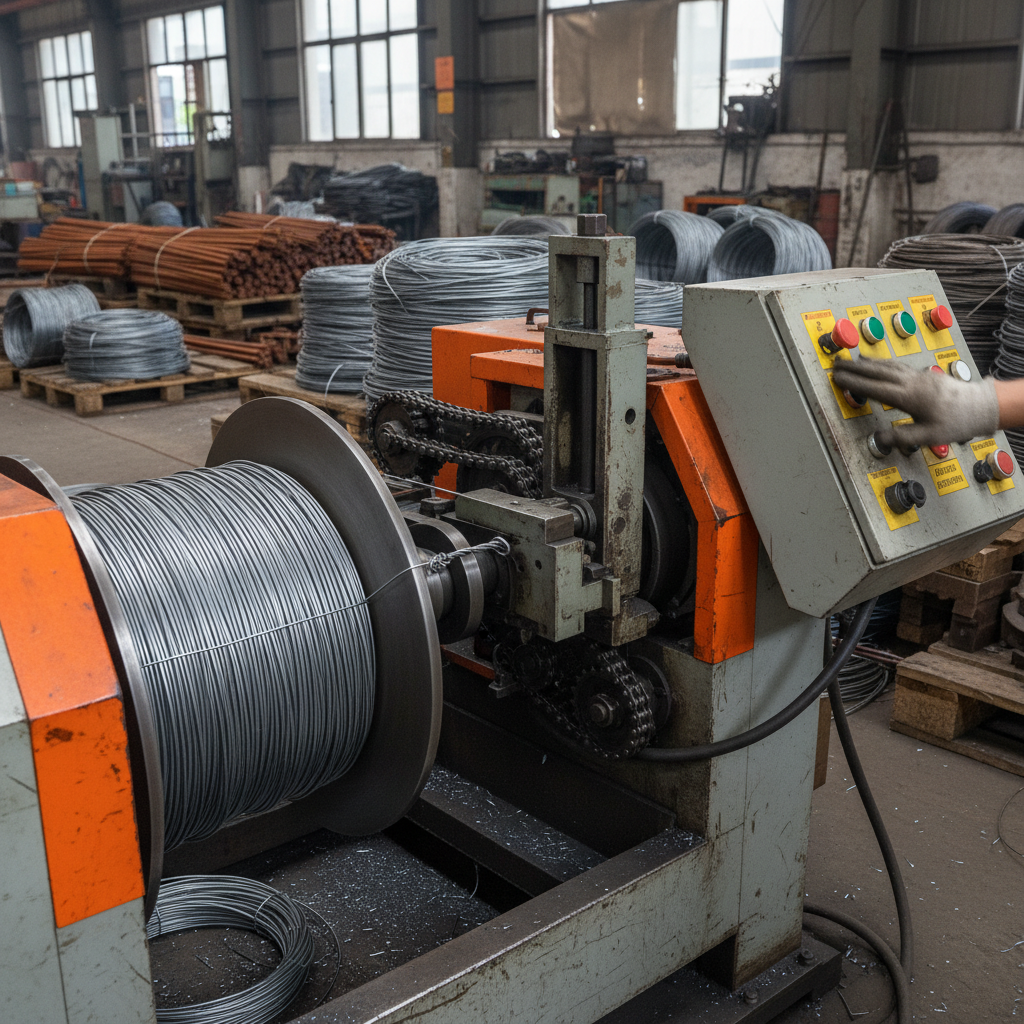
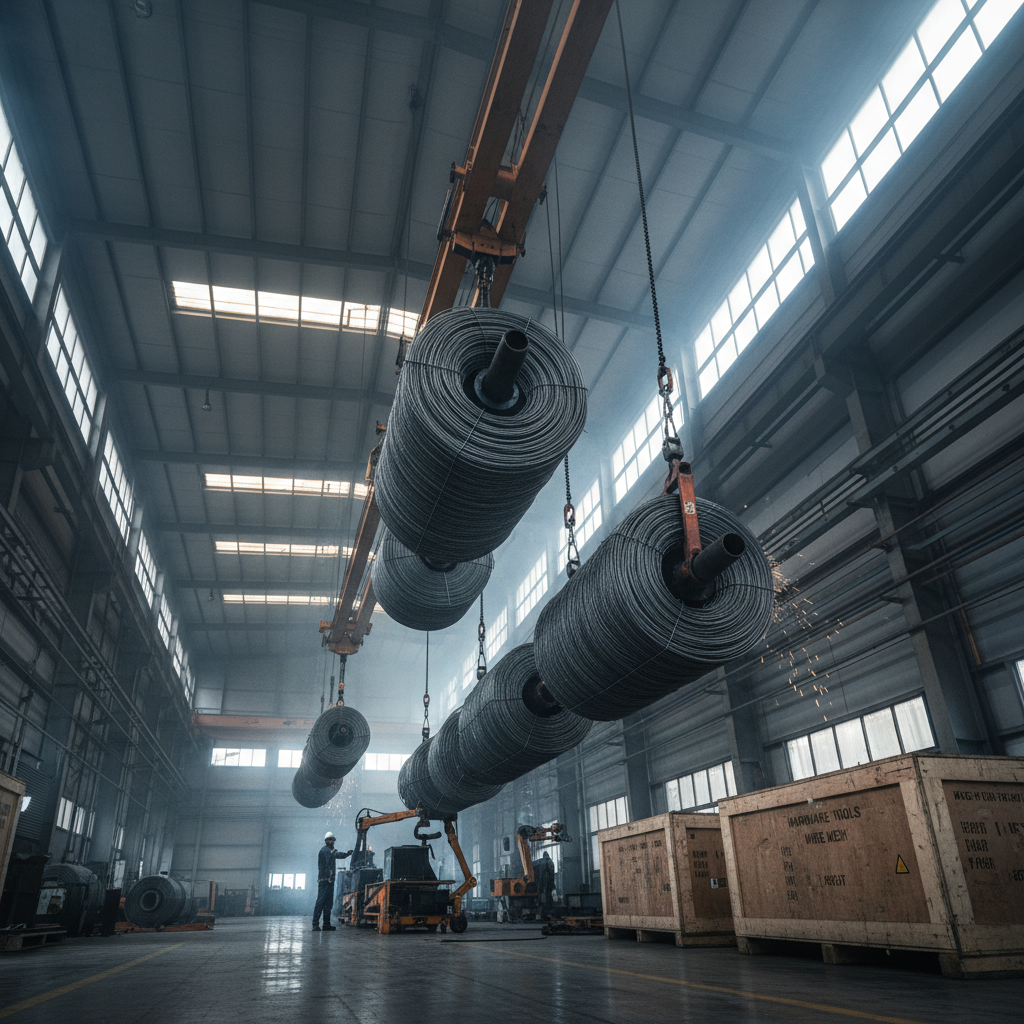
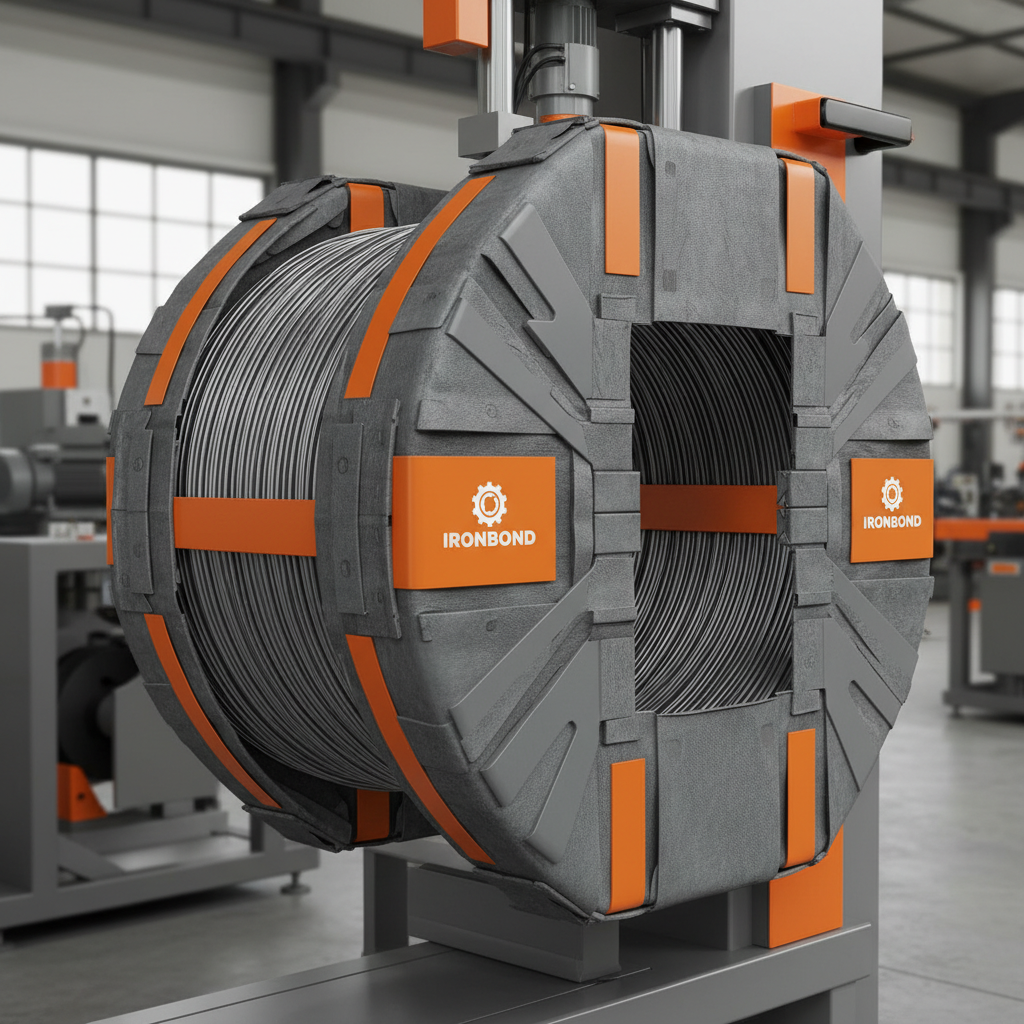
Binding wire iron, a seemingly simple material, plays a crucial role in countless applications globally. From reinforcing concrete structures to securing agricultural fencing and providing essential support in disaster relief, its versatility and affordability make it indispensable across diverse sectors. Understanding the properties, applications, and future trends surrounding binding wire iron is vital for engineers, builders, aid organizations, and anyone involved in infrastructure development or emergency response.
The global demand for binding wire iron is substantial, driven by ongoing construction booms in developing nations, a growing emphasis on infrastructure investment worldwide, and the frequent need for rapid response solutions in the wake of natural disasters. According to the World Bank, infrastructure investment in developing countries is projected to reach trillions of dollars in the coming decades, a significant portion of which will require reliable and cost-effective binding materials. Recognizing its importance is key to addressing these large-scale projects efficiently.
Ultimately, the strategic use of binding wire iron contributes to safer, more durable, and more resilient structures, saving lives and improving the quality of life for communities around the world. It's a foundation of modern construction and critical humanitarian aid, offering a balance of strength, flexibility, and economic viability that is difficult to match.
The Importance of Binding Wire Iron
Binding wire iron’s significance stems from its fundamental role in consolidating materials. Whether it’s tying rebar in concrete foundations or securing components in prefabricated structures, it provides the necessary tensile strength to maintain structural integrity. This often overlooked material directly contributes to the safety and longevity of buildings, bridges, and other vital infrastructure.
Beyond construction, its applications extend into diverse areas, from agricultural support systems to emergency shelter construction. The ease of use, combined with its relatively low cost, makes it a practical solution for a wide range of projects, especially in scenarios where speed and efficiency are paramount.
Definition and Industrial Significance
Binding wire iron, in its simplest form, refers to a ferrous metal wire specifically designed for tying and securing components together. Typically composed of mild steel, it offers a balance of strength and malleability, allowing for easy manipulation without compromising its structural capabilities. Its gauge (thickness) varies depending on the application, with thicker gauges used for heavier-duty tasks.
In modern industry, binding wire iron serves as a fundamental building block, directly supporting the construction, agriculture, and emergency response sectors. It's an integral component in reinforcing concrete, creating secure fencing, and assembling temporary structures. Its widespread use reflects its ability to address a broad spectrum of needs efficiently and economically.
This wire’s connection to humanitarian needs is particularly noteworthy. In disaster relief scenarios, it’s used for rapidly constructing shelters, securing debris, and establishing temporary infrastructure, often proving to be a critical resource for affected populations.
Core Characteristics of Binding Wire Iron
Several key characteristics define the quality and suitability of binding wire iron. Firstly, its tensile strength determines its ability to withstand pulling forces without breaking, directly impacting the structural integrity of whatever it's binding. Secondly, its ductility, or malleability, allows it to be bent and tied easily without snapping, crucial for efficient application.
Corrosion resistance is another vital property, particularly in outdoor applications. Galvanized binding wire iron offers enhanced protection against rust and weathering, extending its lifespan and reducing maintenance needs. Finally, consistent diameter and uniform surface finish are essential for reliable performance and preventing damage to the materials being bound.
The quality of the steel used in manufacturing binding wire iron also significantly impacts its overall performance. Low-carbon steel is commonly used for its good balance of strength and workability, but variations in carbon content and alloy composition can affect its properties.
Key Performance Indicators of Binding Wire Iron
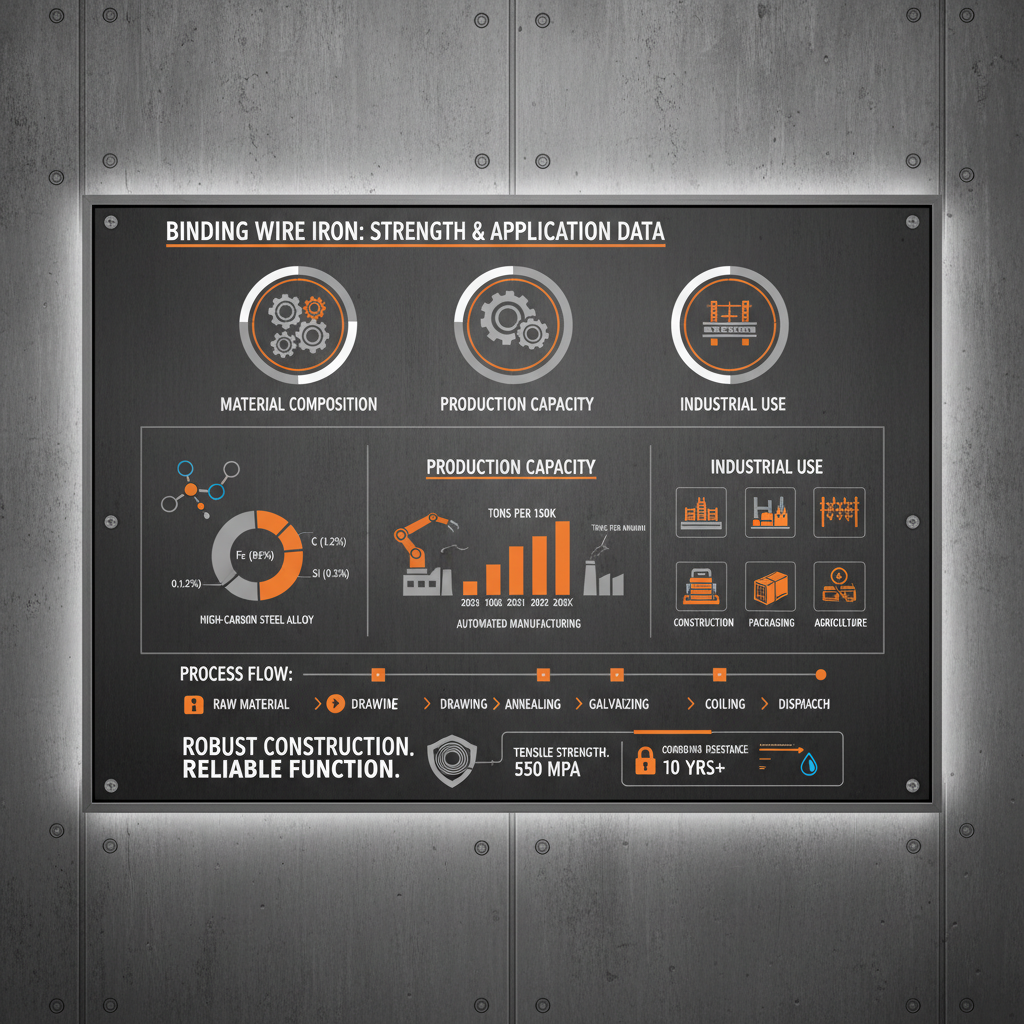
Evaluating the performance of binding wire iron relies on several quantifiable indicators. Tensile Strength (measured in MPa or PSI) indicates the maximum stress the wire can withstand before breaking. Elongation at Break (expressed as a percentage) denotes its ductility, demonstrating how much it can stretch before failure.
Performance Comparison of Binding Wire Iron Types
Global Applications and Real-World Use Cases
The applications of binding wire iron are incredibly diverse and span numerous industries. In construction, it is used to tie rebar in concrete structures, ensuring the reinforcement mesh remains stable during pouring and setting. It also plays a role in securing formwork and creating temporary bracing.
Agriculture benefits significantly from binding wire iron for creating trellises, supporting vines, and securing fencing. In packaging and logistics, it’s utilized for bundling goods and securing pallets. Furthermore, its use extends to crafting, DIY projects, and even artistic installations.
In post-disaster relief operations, binding wire iron is rapidly deployed for constructing temporary shelters, reinforcing damaged buildings, and securing debris. Organizations like the Red Cross and Habitat for Humanity often rely on this versatile material for quick and effective responses to emergencies.
Advantages and Long-Term Value Proposition
The advantages of utilizing binding wire iron are multifaceted. Its cost-effectiveness makes it an attractive option, particularly for large-scale projects where budget constraints are a concern. Its relative ease of use translates to reduced labor costs and faster project completion times.
Beyond the economic benefits, binding wire iron offers inherent reliability and durability. When properly applied, it provides a strong and lasting connection, enhancing the structural integrity of the assembled components. This contributes to long-term safety and reduces the need for frequent repairs or replacements.
Future Trends and Innovation in Binding Wire Iron
The future of binding wire iron is likely to see advancements in materials and coatings to enhance corrosion resistance and strength. Research into high-strength low-alloy (HSLA) steel and polymer coatings is expected to yield more durable and longer-lasting products.
Automation in wire processing and tying could also revolutionize the industry, increasing efficiency and reducing labor costs. Integration with digital construction technologies, such as Building Information Modeling (BIM), could optimize wire usage and improve overall project management.
Sustainability is another key driver of innovation. The development of recycled binding wire iron and environmentally friendly manufacturing processes will become increasingly important as industries strive to reduce their carbon footprint.
Summary of Challenges and Potential Solutions for Binding Wire Iron
| Challenge |
Impact |
Potential Solution |
Implementation Cost |
| Corrosion in Harsh Environments |
Reduced Lifespan, Structural Weakness |
Enhanced Galvanization or Polymer Coating |
Medium |
| Manual Tying - Labor Intensive |
Increased Project Costs, Slower Progress |
Automated Wire Tying Tools |
High (Initial Investment) |
| Material Inconsistency |
Compromised Structural Integrity |
Stricter Quality Control Standards |
Low to Medium |
| Limited Recyclability |
Environmental Impact |
Developing Closed-Loop Recycling Systems |
Medium to High |
| Supply Chain Disruptions |
Project Delays, Increased Costs |
Diversifying Supplier Network |
Low |
| Lack of Standardized Specifications |
Confusion and Potential for Errors |
Establishing Industry-Wide Standards |
Medium |
FAQS
Standard binding wire iron typically exhibits a tensile strength ranging from 400 to 550 MPa (megapascals). This provides sufficient strength for most common binding applications, like securing rebar in concrete. However, higher tensile strength options are available for more demanding projects, offering increased resistance to pulling forces and ensuring a more robust connection.
Galvanized binding wire iron is coated with a layer of zinc, providing superior corrosion resistance compared to plain binding wire iron. This makes it ideal for outdoor applications or environments exposed to moisture and corrosive elements. While slightly more expensive, the increased lifespan and reduced maintenance requirements often make galvanized wire a cost-effective choice in the long run.
The appropriate gauge of binding wire iron for tying rebar depends on the diameter of the rebar being used. Generally, 16-gauge wire is sufficient for smaller rebar diameters (e.g., #3-#4), while 14-gauge or even 12-gauge wire may be necessary for larger diameters (e.g., #5-#6) to ensure a secure and lasting connection. Consult relevant building codes and structural engineering specifications for specific requirements.
While binding wire iron can be embedded within concrete, it's generally not recommended to rely on it for long-term structural support in direct contact with concrete. The wire can corrode over time, especially in harsh environments, potentially compromising the integrity of the concrete structure. It's primarily used for temporary support during the construction phase and should not be considered a replacement for reinforcing steel.
Binding wire iron is typically made from steel, a recyclable material. However, the production of steel can have environmental impacts. Choosing recycled binding wire iron or opting for manufacturers with sustainable practices can help minimize the environmental footprint. Proper disposal and recycling of used wire are also crucial for reducing waste and conserving resources.
To prevent corrosion, binding wire iron should be stored in a dry, sheltered environment, away from direct contact with moisture and corrosive substances. Storing it indoors, or covering it with a waterproof tarp if stored outdoors, is recommended. Regular inspection for signs of rust and prompt replacement of corroded wire can also help maintain its integrity and performance.
Conclusion
In conclusion, binding wire iron is a fundamental material underpinning a vast array of industries and applications. Its cost-effectiveness, versatility, and essential role in ensuring structural integrity make it an indispensable component of modern construction, agriculture, and emergency response. Understanding its properties, applications, and emerging trends is critical for professionals across these sectors.
Looking forward, innovations in materials science, automation, and sustainable manufacturing practices will further enhance the performance and reduce the environmental impact of binding wire iron. By embracing these advancements and prioritizing responsible material sourcing, we can unlock its full potential and continue to rely on this unassuming yet vital material for building a more resilient and sustainable future. For a reliable supply of quality binding wire iron, visit our website: https://www.yjdwiremesh.com