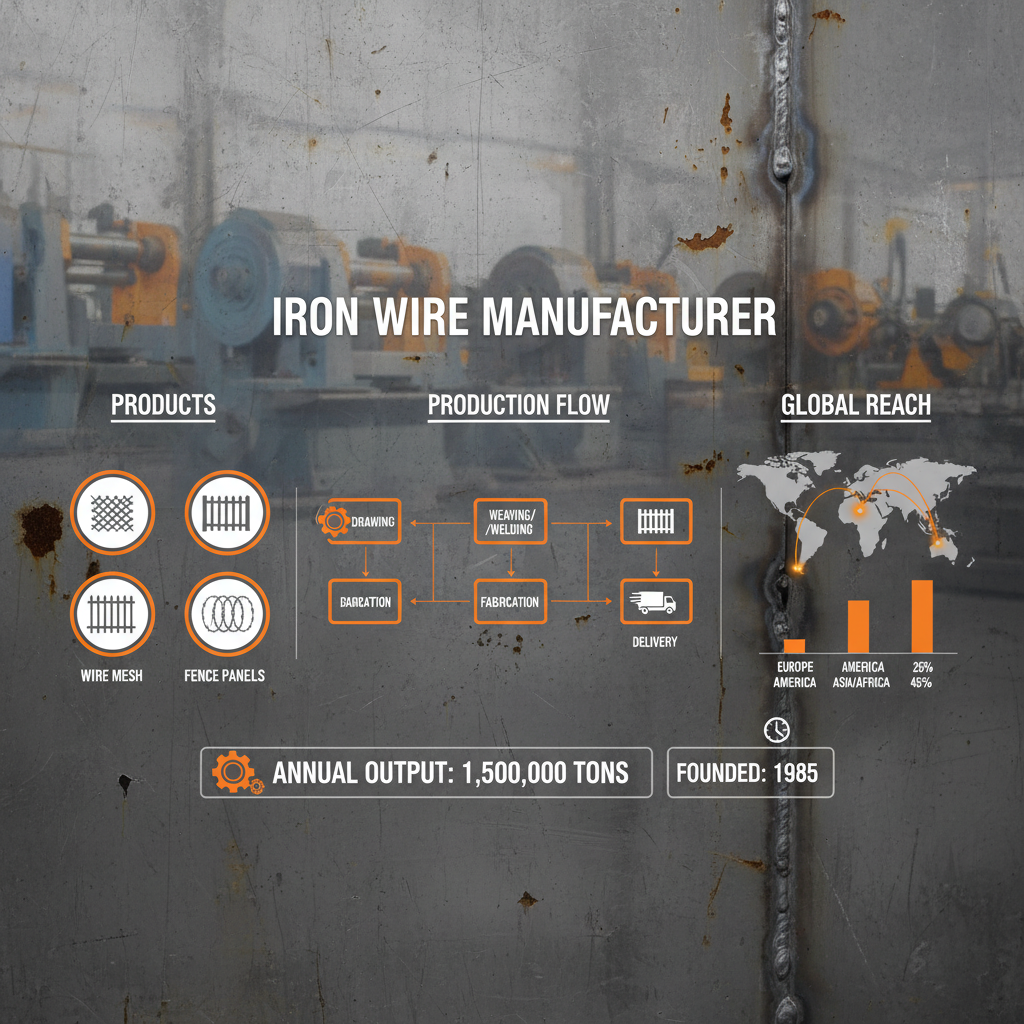
Selecting a reliable iron wire manufacturer is a critical decision for industries ranging from large-scale agriculture to sophisticated urban construction. The versatility of iron wire products—including everything from barbed wire for security to precision-engineered window screenings—makes them indispensable components in global infrastructure. Understanding the nuances of material grades and manufacturing standards ensures that the final application remains durable and safe under varying environmental stresses.
In today's competitive industrial landscape, the role of a professional iron wire manufacturer extends beyond mere production; it involves the integration of metallurgy and engineering to solve specific client challenges. Whether it is optimizing the tensile strength of animal cages or improving the corrosion resistance of iron nails, the right manufacturing partner provides the technical backbone for operational efficiency and long-term reliability.
As global demand for sustainable and high-strength materials grows, the iron wire industry is evolving to meet stricter ISO standards and environmental regulations. This guide explores the essential factors that define a top-tier iron wire manufacturer, examining the technical specifications, global applications, and future innovations that drive the metal wire products sector forward.
Global Relevance of the Iron Wire Manufacturer
The global reliance on a skilled iron wire manufacturer is evidenced by the pervasive use of metal wire in almost every sector of human development. From the vast agricultural plains of Brazil requiring livestock fencing to the high-density urban centers of Asia needing secure window screenings, iron wire serves as a foundational element. According to international trade data and ISO standards, the precision of the drawing process and the quality of the raw steel directly impact the safety and longevity of critical infrastructure.
However, the industry faces significant challenges, particularly regarding material waste and the environmental impact of traditional galvanization processes. A forward-thinking iron wire manufacturer must balance the need for high-volume output with the growing demand for "green" steel and sustainable coatings. The ability to deliver consistent gauge precision while reducing the carbon footprint of production has become a primary differentiator in the global marketplace.
Defining the Scope of an Iron Wire Manufacturer
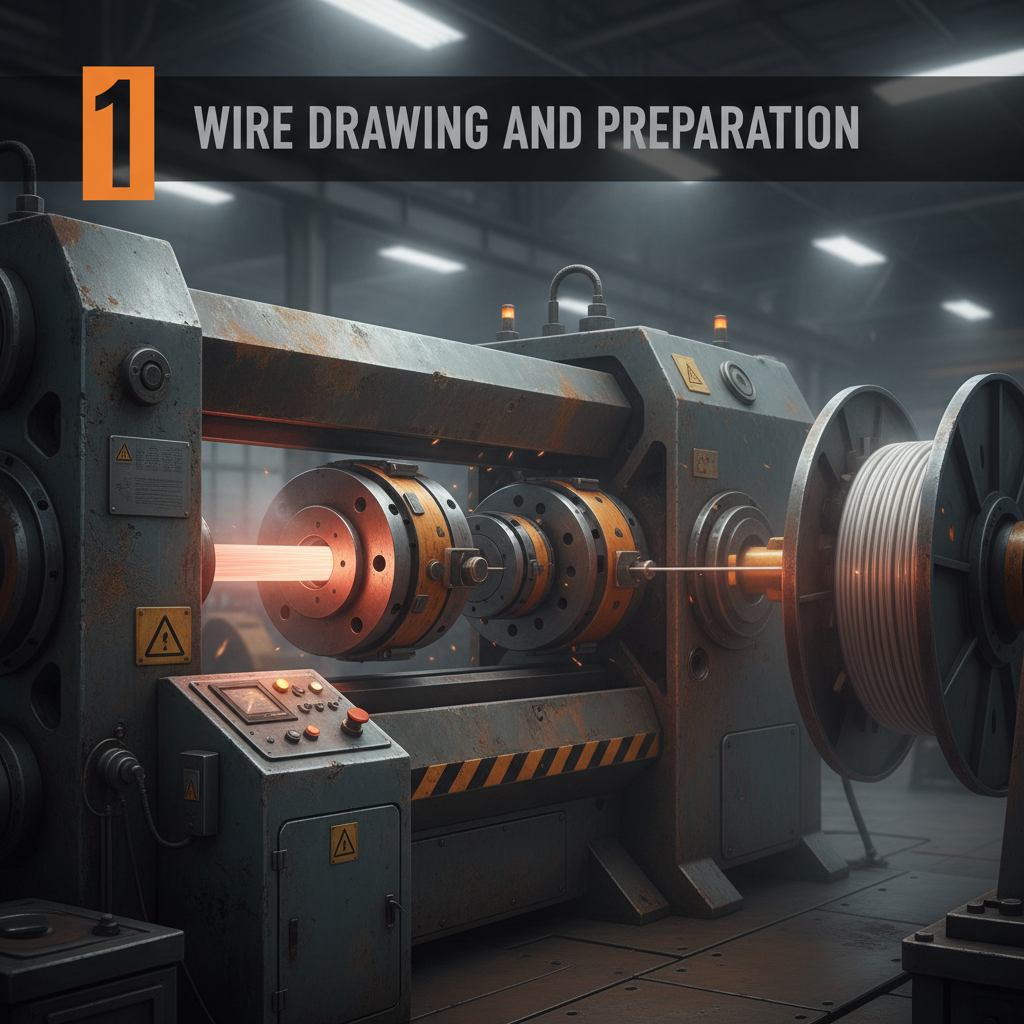
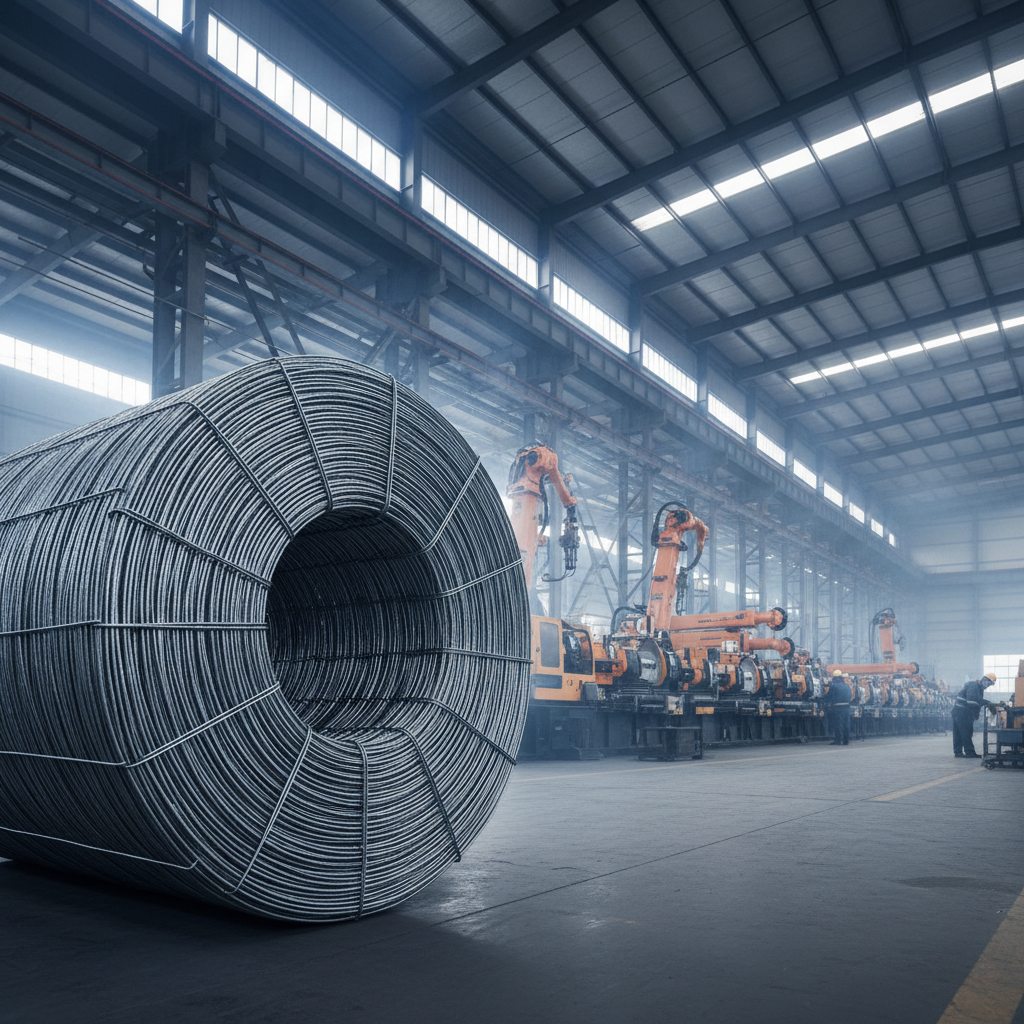
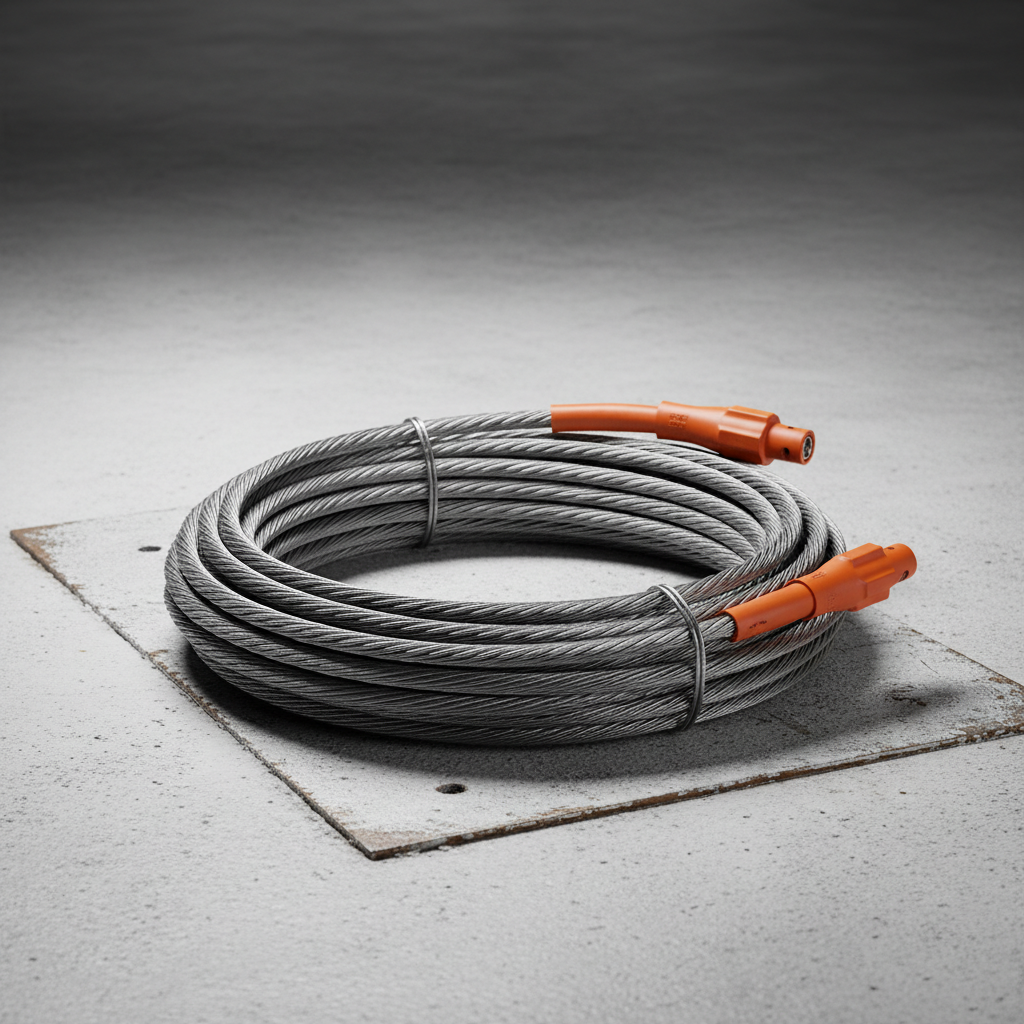
At its core, an iron wire manufacturer is an industrial entity specializing in the process of "wire drawing," where a thick metal rod is pulled through a series of dies to reduce its diameter to a specific gauge. This process is not merely about size reduction but about altering the physical properties of the metal to achieve the desired balance of flexibility, tensile strength, and durability. The output ranges from heavy-duty Barbed Wire Series for border security to delicate Window Screening Series for residential use.
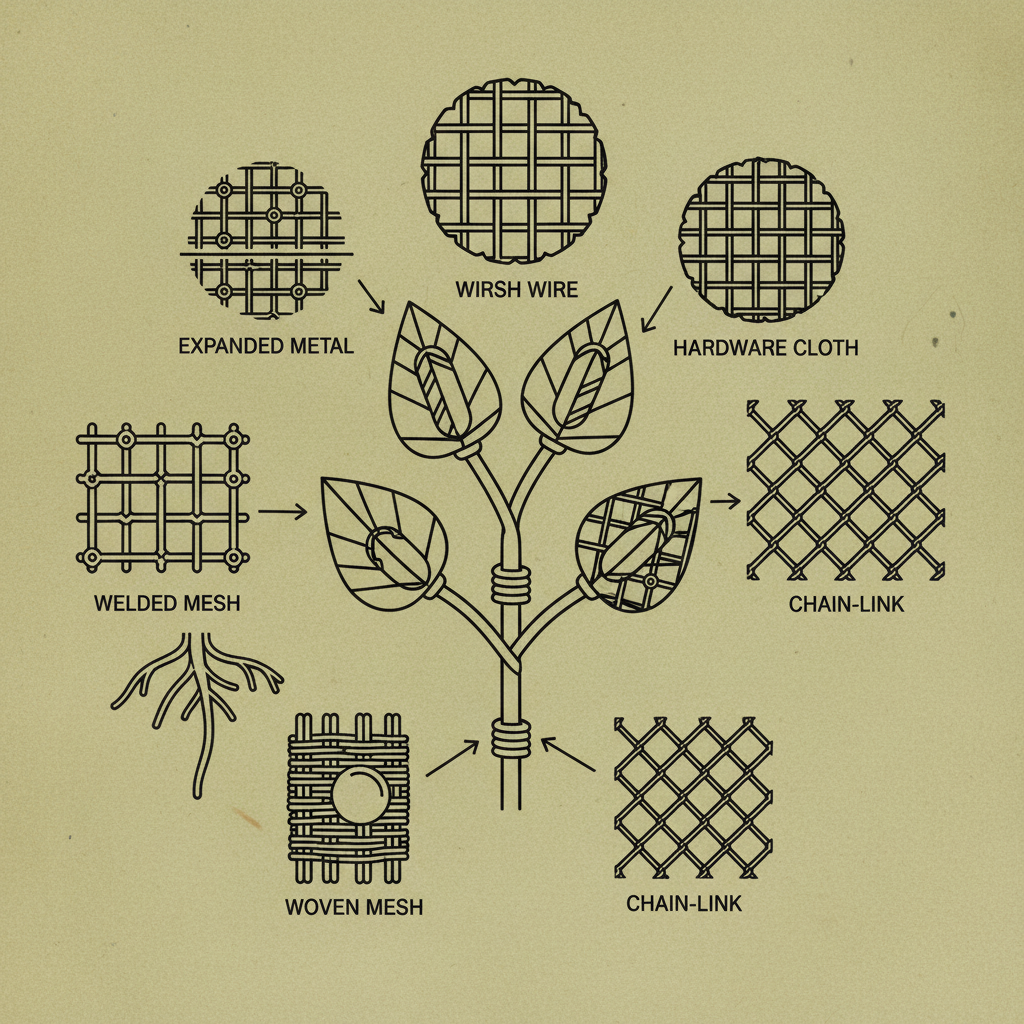
Beyond the machinery, the scope of a modern manufacturer involves rigorous quality control and metallurgical testing. By controlling the carbon content and the heat treatment process, an iron wire manufacturer can create products that are either highly malleable for the Iron Nails category or extremely rigid for the Wire Mesh Products category. This versatility allows a single facility to serve diverse markets, from construction and farming to industrial filtration.
In a broader humanitarian and economic context, these manufacturers provide the essential materials needed for disaster relief and rural development. For example, the rapid deployment of animal cages for livestock protection or the creation of secure enclosures in remote industrial zones depends entirely on the accessibility and reliability of high-grade iron wire. Thus, the industry acts as a silent engine driving global stability and agricultural productivity.
Core Components of Quality Wire Production
The hallmark of a premium iron wire manufacturer lies in its commitment to material purity and tensile consistency. Durability is the primary metric here; the wire must withstand atmospheric corrosion and mechanical stress without premature failure. This is achieved through advanced galvanization techniques, where a protective zinc layer is applied to prevent oxidation, ensuring that the wire remains functional for decades regardless of the climate.
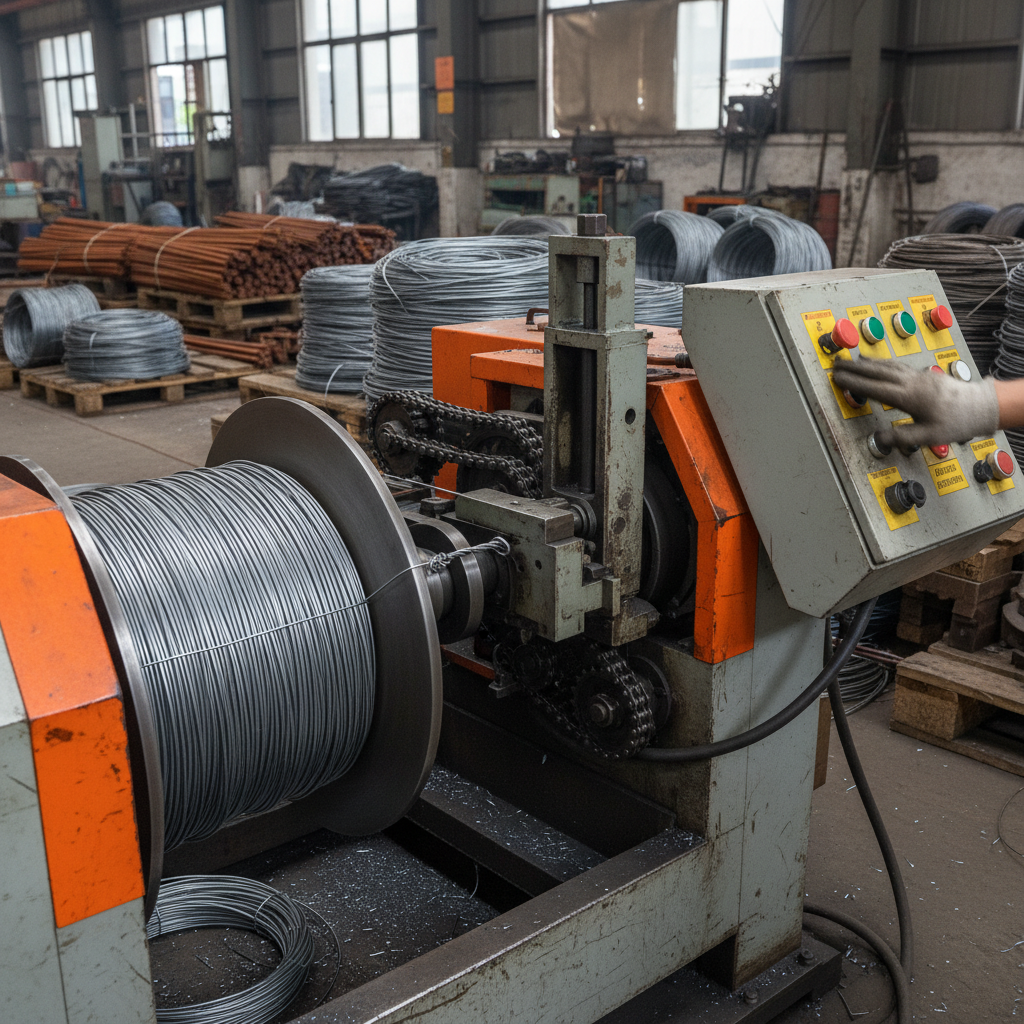
Scalability and precision are equally vital. A professional iron wire manufacturer utilizes automated drawing machines that can maintain a tolerance of mere microns across thousands of kilometers of wire. This precision is essential for the Iron Wire Series and Wire Mesh Products, where a slight deviation in diameter can lead to structural weakness or fitting issues during the assembly of animal cages or industrial screens.
Finally, cost efficiency is achieved through optimized raw material sourcing and energy-efficient production cycles. By integrating lean manufacturing principles, an iron wire manufacturer can reduce overhead while maintaining high E-E-A-T (Experience, Expertise, Authoritativeness, and Trustworthiness) standards. This allows the end-user to receive a product that is both economically viable and technically superior, bridging the gap between affordability and industrial-grade quality.
Performance Metrics in Wire Manufacturing
Evaluating the success of an iron wire manufacturer requires looking at a combination of mechanical properties and production reliability. Key performance indicators (KPIs) typically include the break-load strength, the uniformity of the coating thickness, and the consistency of the wire diameter across different batches. These metrics ensure that whether a client is purchasing barbed wire for a fence or precision nails for construction, the product performs predictably under pressure.
The following data represents a comparative analysis of different production methodologies used by a leading iron wire manufacturer to achieve varying performance outcomes. By analyzing these ratings, procurement officers can determine which manufacturing method aligns best with their specific application requirements, such as high-corrosion environments or high-tension structural needs.
Comparative Performance Ratings of Iron Wire Manufacturer Methods
Global Applications and Use Cases
The practical application of products from an iron wire manufacturer spans a vast array of global industries. In the agricultural sector, the Animal Cage Series and Barbed Wire Series are fundamental for livestock management and land demarcation, particularly in regions like Sub-Saharan Africa and South America where securing grazing lands is essential for economic stability. The ability to provide weather-resistant, high-tensile wire ensures that farmers can protect their assets with minimal maintenance.
In the urban and industrial sectors, Window Screening Series and Wire Mesh Products are utilized for everything from ventilation systems to security barriers. For instance, in large-scale industrial zones in Southeast Asia, heavy-duty mesh is used to create safety partitions and filtration screens that withstand harsh chemical environments. This versatility demonstrates that the expertise of a manufacturer is not just in creating wire, but in engineering solutions that adapt to the specific environmental challenges of the user's location.
Long-Term Value and Strategic Advantages
Partnering with a reputable iron wire manufacturer provides tangible long-term value through the reduction of replacement costs and the enhancement of safety. When high-grade materials are used, the interval between maintenance cycles increases significantly. For a construction firm using Iron Nails or wire ties, this means fewer structural failures and a higher degree of trust from their own clients, as the materials used are certified to meet global safety standards.
Beyond the financial metrics, there is an emotional and strategic value rooted in reliability. Trusting a supplier who understands the chemistry of corrosion and the physics of tension allows engineers to design with confidence. This peace of mind is invaluable in high-stakes projects, such as building secure perimeter fencing for critical infrastructure or designing durable animal habitats that prioritize animal welfare through non-toxic, smooth-finish wire.
Furthermore, a strategic partnership with a manufacturer allows for custom-engineered solutions. Instead of relying on off-the-shelf products, companies can collaborate to develop specific wire gauges or coating thicknesses that are optimized for their unique environment. This collaborative approach fosters innovation and ensures that the resulting products are not only functional but are optimized for maximum efficiency and minimal waste.
Future Trends and Industrial Innovations
The future of the iron wire manufacturer is being shaped by the dual forces of digital transformation and the "Green Industrial Revolution." Automation and AI are now being integrated into the drawing and weaving processes to eliminate human error and optimize material usage. Smart sensors can now detect microscopic flaws in the wire in real-time, allowing for immediate adjustments and virtually zero-defect production runs.
Sustainability is also taking center stage. We are seeing a shift toward eco-friendly galvanization processes that reduce the use of hazardous chemicals and the adoption of recycled steel scrap as a primary raw material. This transition not only helps an iron wire manufacturer comply with strict environmental policies but also appeals to a growing segment of eco-conscious B2B buyers who prioritize a sustainable supply chain.
Moreover, the development of hybrid coatings—combining traditional zinc with nanotechnology—is extending the lifespan of wire products in extreme saline or acidic environments. This innovation is particularly beneficial for offshore installations and chemical processing plants, where traditional iron wire would degrade rapidly. The integration of these advanced materials ensures that the industry remains relevant in an era of increasingly extreme environmental conditions.
Comparative Analysis of Wire Production Standards and Innovations
| Production Metric |
Traditional Method |
Innovative Approach |
Impact Score (1-10) |
| Corrosion Resistance |
Standard Hot-Dip Zinc |
Nano-Composite Coating |
9.5 |
| Diameter Precision |
Manual Die Adjustment |
Laser-Guided Calibration |
9.0 |
| Material Efficiency |
Standard Scrap Rate |
Closed-Loop Recycling |
8.5 |
| Tensile Strength |
Basic Cold Drawing |
Controlled Heat Treatment |
8.8 |
| Production Speed |
Mechanical Batching |
AI-Driven Continuous Flow |
9.2 |
| Eco-Compliance |
Standard Emissions |
Zero-Liquid Discharge |
9.7 |
FAQS
When selecting a manufacturer for agricultural use, prioritize those who specialize in hot-dip galvanization and high-tensile strength. Look for certifications such as ISO 9001 and request samples to test the zinc coating thickness. A quality manufacturer should be able to provide technical data sheets specifying the break-load of the wire to ensure it can withstand livestock pressure and harsh outdoor weather conditions.
Electro-galvanized wire is coated using an electrical current, resulting in a thinner, smoother, and more aesthetically pleasing finish, which is ideal for indoor use or short-term applications. Hot-dip galvanizing involves immersing the wire in molten zinc, creating a much thicker and more durable protective layer. A professional iron wire manufacturer will recommend hot-dip for any outdoor or high-corrosion environment to ensure long-term durability.
Yes, a full-service iron wire manufacturer possesses the die-sets and machinery required to customize wire diameters to precise specifications. Whether you need ultra-fine wire for specialized window screenings or heavy-gauge wire for industrial cages, the manufacturer can adjust the drawing process to meet your exact tensile and diameter requirements, provided the raw material grade supports the requested specs.
Consistency is maintained through a combination of automated tension control and periodic sampling. Top-tier manufacturers use online diameter gauges that monitor the wire in real-time and automatically adjust the drawing speed or die pressure. Additionally, laboratory tests on random samples from each batch ensure that the chemical composition and tensile strength remain within the agreed-upon tolerances.
Yes, many forward-thinking manufacturers are moving toward PVC coatings or specialized organic polymer coatings that reduce the environmental impact of chemical baths. Furthermore, the use of recycled steel and the implementation of closed-loop water filtration systems in the galvanizing process are becoming industry standards for those aiming to reduce their carbon footprint and comply with global green building certifications.
Lead times typically vary based on the complexity of the order and the volume. Standard products (like basic iron nails or standard barbed wire) can often be shipped within 2-4 weeks. Custom-engineered orders may take 6-10 weeks due to the need for die customization and quality testing. To minimize delays, it is recommended to provide detailed technical specifications and clear volume forecasts during the initial inquiry phase.
Conclusion
In summary, the selection of a competent iron wire manufacturer is a strategic investment in the safety, durability, and efficiency of any project. From the critical precision of the drawing process to the advanced science of corrosion-resistant coatings, the quality of iron wire products directly influences the longevity of agricultural fences, industrial meshes, and construction fasteners. By focusing on material purity, technological innovation, and sustainable production, leading manufacturers provide the essential infrastructure that supports global industry and rural development.
Looking forward, the integration of AI-driven quality control and eco-friendly metallurgy will continue to redefine the standards of the wire industry. For businesses seeking to optimize their supply chain, the key lies in partnering with a manufacturer that balances traditional craftsmanship with modern innovation. We invite you to explore how high-grade wire solutions can enhance your operational reliability. Visit our website for professional consultation and product catalogs: www.yjdwiremesh.com