The industrial world relies heavily on specialized fastening solutions, and among them, the u type iron wire—often referred to in professional circles as double loop tie wire—stands as a cornerstone of versatility. From stabilizing agricultural crops to securing complex construction frameworks, this simple yet engineered component ensures structural integrity and efficient binding across multiple sectors.
Understanding the nuances of u type iron wire is essential for procurement managers and engineers who seek a balance between tensile strength and ease of application. By utilizing low carbon steel and various protective coatings, these wires are designed to withstand environmental stressors while remaining flexible enough for rapid manual or automated installation.
In a global market moving toward precision and sustainability, the selection of the right gauge and finish for your u type iron wire can significantly reduce material waste and labor costs. Whether it is for heavy-duty industrial binding or delicate horticultural support, the right technical specifications ensure a reliable long-term hold.
Material Specifications of u type iron wire
The core strength of u type iron wire is derived from high-quality low carbon steel, including grades such as Q195 and SAE1008. These materials are selected specifically for their optimal balance of ductility and strength, allowing the wire to be bent into double loops without fracturing, while maintaining a tensile strength typically ranging from 300 to 500 N/mm².
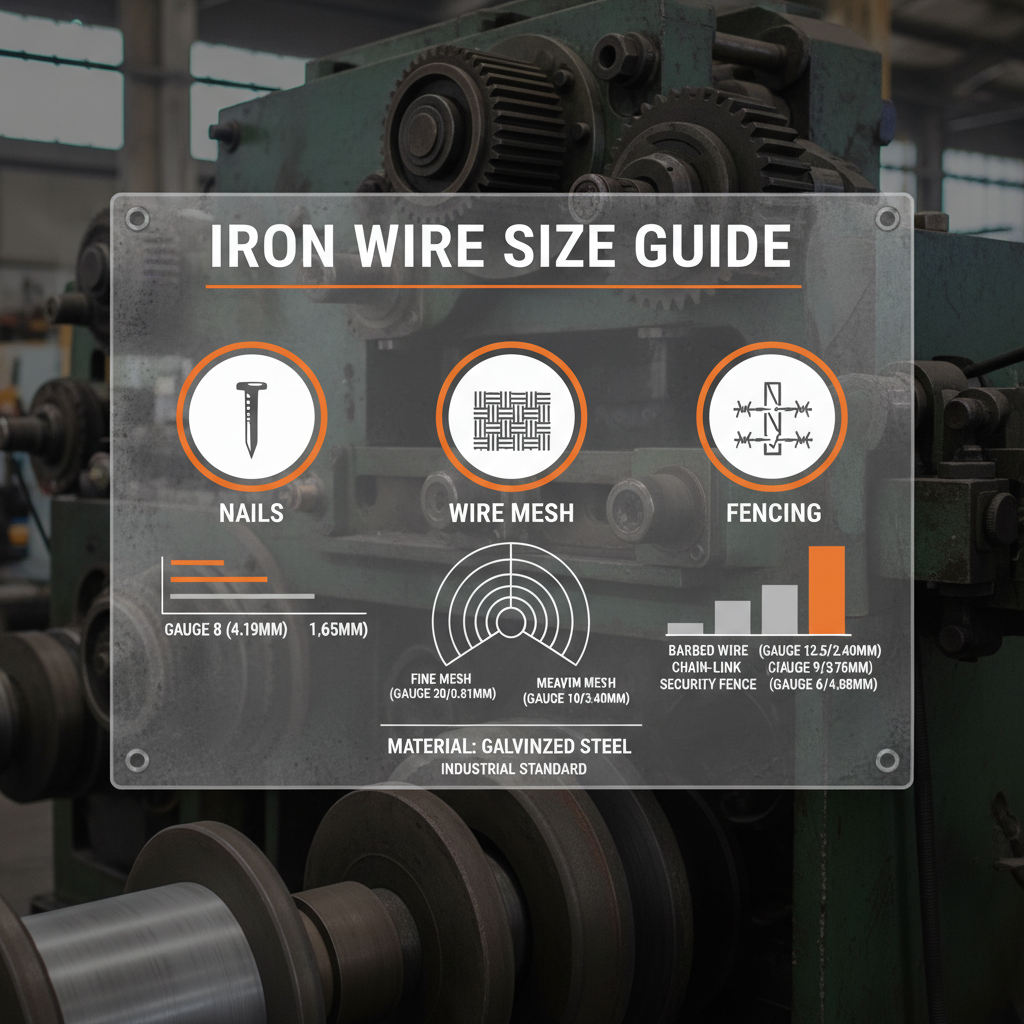
Precision in manufacturing is evident in the available wire gauges, spanning from BWG4 to BWG20 (approximately 6mm down to 1.2mm). This breadth of sizing ensures that whether the application requires a heavy-duty industrial anchor or a fine binding tie for laundry bags, the u type iron wire provides the exact mechanical properties needed for the task.
Industrial Versatility and Application
The adaptability of u type iron wire makes it indispensable in agriculture. It is extensively used for securing trees, vines, and creepers to supports and trellises, providing a firm hold that allows plant growth without restricting the stem. This horticultural application relies on the wire's ability to be twisted securely and quickly.
In the construction and industrial sectors, these wires serve as critical binding materials. They are used for erecting and joining support structures, ensuring that components remain in place during the assembly process. The double loop design allows for a more secure lock than single-strand ties, reducing the risk of accidental loosening under vibration.
Beyond heavy industry, u type iron wire finds daily utility in consumer packaging and domestic use. From tying heavy-duty bags to acting as seals for laundry bags, the "small coil" variety provides a convenient, cost-effective solution for temporary yet strong closures in various commercial environments.
Protective Finishes and Durability
To prevent oxidation and corrosion, u type iron wire is treated with a variety of specialized finishes. Black annealed finishes are ideal for indoor applications where flexibility is paramount, while galvanized coatings provide a zinc barrier essential for outdoor exposure.
For environments requiring extreme corrosion resistance, u type iron wire can be PVC coated or manufactured from stainless steel. These options are critical for marine environments or chemical plants where standard carbon steel would degrade rapidly.
Additionally, coppered finishes are available for specific electrical or decorative needs. The choice of finish directly impacts the lifespan of the installation, ensuring that the u type iron wire remains functional despite humidity, rain, or chemical exposure.
Performance Analysis of Wire Gauges
Selecting the appropriate gauge for u type iron wire is a decision based on the load-bearing requirements of the project. Thicker gauges (BWG4-BWG10) are reserved for structural support, while thinner gauges (BWG14-BWG20) are optimized for rapid binding and lightweight packaging.
The relationship between wire diameter and tensile strength is linear; as the diameter increases, the load capacity increases, but the ease of manual twisting decreases. This makes the mid-range gauges the most popular for general construction and agricultural use.
Performance Rating of u type iron wire Variations
Global Supply Chain and Packaging
The logistical efficiency of u type iron wire is managed through standardized packaging that caters to both wholesale and retail needs. Typical roll quantities range from 1,000 to 5,000 pieces per roll, allowing for scalable distribution across various project sizes.
To ensure protection during international transit, rolls are packed in durable woven bags and secured on pallets. Package weights are typically managed between 10kg and 50kg, although custom weight requirements are often accommodated to meet the specific handling capabilities of the end-user.
Comparative Advantages in Construction
Compared to traditional plastic ties or single-loop wires, u type iron wire offers superior longevity and mechanical grip. Its ability to be tightened and then "locked" through the double loop prevents the slipping common in lower-grade fasteners, which is vital for maintaining safety standards on construction sites.
From a cost-benefit perspective, the use of low carbon steel ensures that the product remains affordable even when purchased in bulk. The efficiency gained in installation time—due to the pre-formed loops—reduces labor overhead, making it a preferred choice for large-scale infrastructure projects.
Furthermore, the flexibility of the u type iron wire allows it to conform to irregular shapes and surfaces, a feature that rigid fasteners cannot match. This adaptability is why it remains a staple in the "Iron Wire Series" of professional building materials.
Technical Standards and Customization
The production of u type iron wire is not limited to standard catalogs. Customization is a core part of the service, where lengths can be tailored from 3 inches up to 44 inches to fit specific binding needs. This ensures that there is no unnecessary material waste on-site.
Adherence to international standards for tensile strength (300-500 N/mm²) ensures that the wire performs predictably under stress. By combining specific materials like SAE1008 with custom finishes, manufacturers can create a product optimized for any climate or industrial environment.
Ultimately, the technical success of u type iron wire lies in its simplicity and reliability. By focusing on high-grade low carbon steel and precision coating, the product bridges the gap between basic utility and engineered performance.
Technical Analysis of u type iron wire Specifications
| Material Grade |
Wire Gauge |
Typical Finish |
Primary Use Case |
| Q195 Low Carbon |
BWG 12 |
Black Annealed |
General Construction |
| SAE1008 |
BWG 16 |
Galvanized |
Agriculture / Vines |
| High Steel Wire |
BWG 6 |
Stainless Steel |
Industrial Marine |
| Low Carbon Steel |
BWG 18 |
PVC Coated |
Horticultural Support |
| Q195 Low Carbon |
BWG 20 |
Black Annealed |
Packaging/Bags |
| SAE1008 |
BWG 10 |
Coppered |
Specialized Industrial |
FAQS
Galvanized u type iron wire is coated with zinc to prevent rust, making it ideal for outdoor use in agriculture or construction. Annealed wire has been heat-treated to make it softer and more flexible, which is preferred for indoor binding where ease of twisting is more important than weather resistance.
Yes, customization is available. While standard lengths are common, we can produce u type iron wire in lengths ranging from 3 inches up to 44 inches to meet your specific project requirements, ensuring you have the exact amount of material needed for each tie.
For agricultural vines, a mid-to-fine gauge such as BWG16 or BWG18 is typically recommended. This size provides enough strength to support the plant's weight without being so thick that it damages the plant's stem or becomes difficult to twist manually.
PVC coated u type iron wire provides an extra layer of protection against moisture and chemical corrosion, and it is gentler on delicate surfaces (like plant stems). However, galvanized wire is often more resistant to extreme mechanical abrasion and high temperatures.
Our wires are packed in quantities ranging from 1,000 to 5,000 pieces per roll. Each roll is wrapped in a heavy-duty woven bag and then secured on pallets to prevent shifting and damage during international maritime or land transit.
Our low carbon steel u type iron wire typically features a tensile strength between 300 and 500 N/mm². This range ensures the wire can hold a secure bind without snapping, while remaining ductile enough for the double-loop forming process.
Conclusion
In summary, u type iron wire serves as an essential, high-efficiency tool for binding across the construction, agricultural, and industrial sectors. By combining high-quality low carbon steel with versatile finishes like galvanization and PVC coating, and offering a wide range of gauges from BWG4 to BWG20, this product provides a reliable solution for everything from heavy structural support to delicate horticultural ties.
Looking forward, the demand for precision-engineered fasteners continues to grow. Investing in the correct technical specifications for your binding materials not only ensures the safety and longevity of your structures but also optimizes operational costs. For high-quality, customizable wire solutions, we invite you to explore our full range of products. Visit our website: www.yjdwiremesh.com