Understanding 1.6 mm Garden Wire: Why It Holds a Special Place Worldwide
If you have ever peeked over a garden fence or admired a trellis supporting climbing roses, chances are you’ve glimpsed 1.6 mm garden wire at work. Though it sounds niche, this seemingly humble wire plays a surprisingly large role globally. It’s a backbone of home gardens, small farms, construction sites, and even humanitarian efforts.
Why care about this particular thickness? Well, at 1.6 millimeters, the wire strikes a remarkable balance—thin enough to be flexible and easy to handle, yet sturdy for countless applications. Appreciating its qualities helps gardeners, engineers, and even relief organizations select the right material for fencing, plant support, or structural needs.
In essence, this topic touches on materials science, sustainability, and practical design all at once. Plus, it’s more connected to global challenges than you might think.
Global Context: The Widespread Impact of 1.6 mm Garden Wire
On a world scale, garden wires like the 1.6 mm gauge are quietly ubiquitous. According to ISO standards and manufacturing data, wire products constitute billions of dollars in trade annually—supporting everything from agriculture to infrastructure.
Consider this: The food and agriculture sector, pivotal to feeding over 8 billion people, frequently relies on efficient and economical materials for fencing and crop protection. Here, wires must be durable yet cost-effective. The World Bank reports increasing investment in rural fencing to protect crops from encroaching wildlife and stabilize smallholder farms.
The 1.6 mm garden wire bridges that gap — a balance between price, strength, and versatility. But challenges remain regarding rust resistance and handling post-disaster or in rapid rural development contexts.
What Exactly Is 1.6 mm Garden Wire?
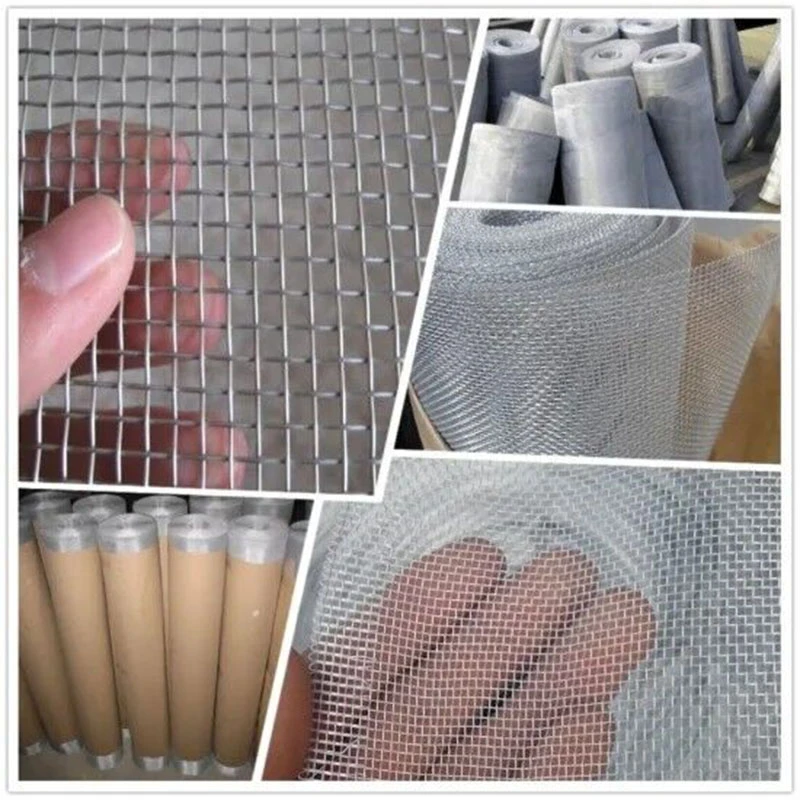
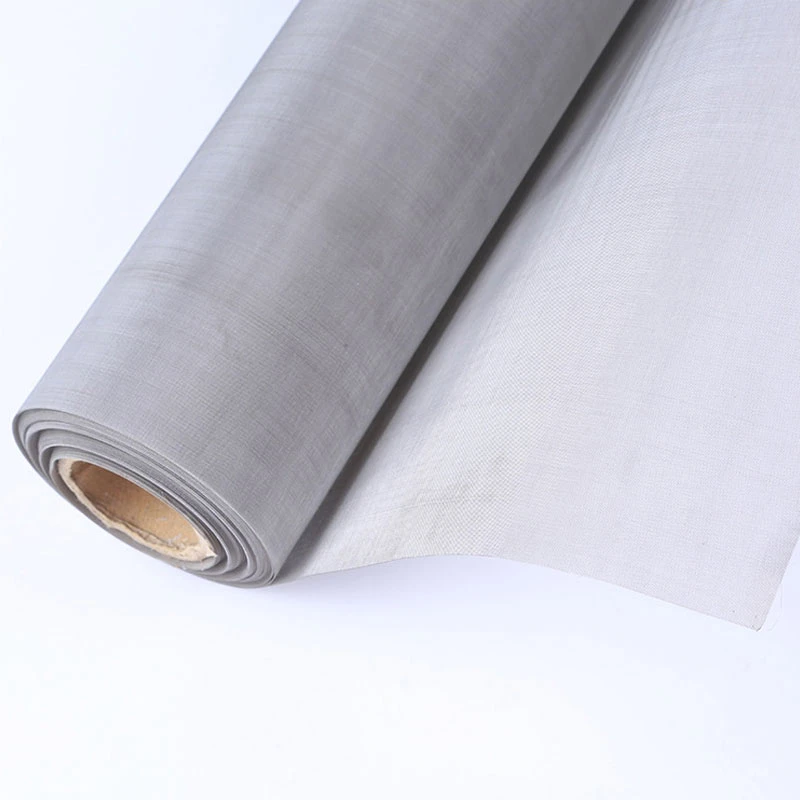
It’s simply wire with a diameter of 1.6 millimeters, usually made from galvanized steel or other coated metals. Garden wires help secure plants, create fencing, or structure garden trellises. Thanks to its modest thickness, it offers flexibility for shaping without snapping, yet isn’t so thin that it bends beyond use.
Its connection to industry is more than local garden aesthetics. In fact, supplying reliable, affordable wiring supports food security, disaster resilience, and small-scale manufacturing worldwide. Many NGOs, for example, use 1.6 mm garden wire for rapid temporary fencing, because it’s lightweight and easy to ship.
Key Characteristics of 1.6 mm Garden Wire
1. Durability
Being generally galvanized (coated in a thin protective zinc layer), this wire resists rust decently in outdoor environments. It lasts several seasons in temperate climates, which is critical when you need fencing or plant supports to stay intact without constant replacement.
2. Flexibility
The 1.6 mm thickness allows for easy bending by hand or simple tools, enabling gardeners or small-scale users to customize trellises or cages on-site.
3. Affordability
Compared to thicker steel wire or plastic-coated specialty wires, it’s very cost-effective—which matters a lot to farmers and community projects in emerging economies.
4. Compatibility
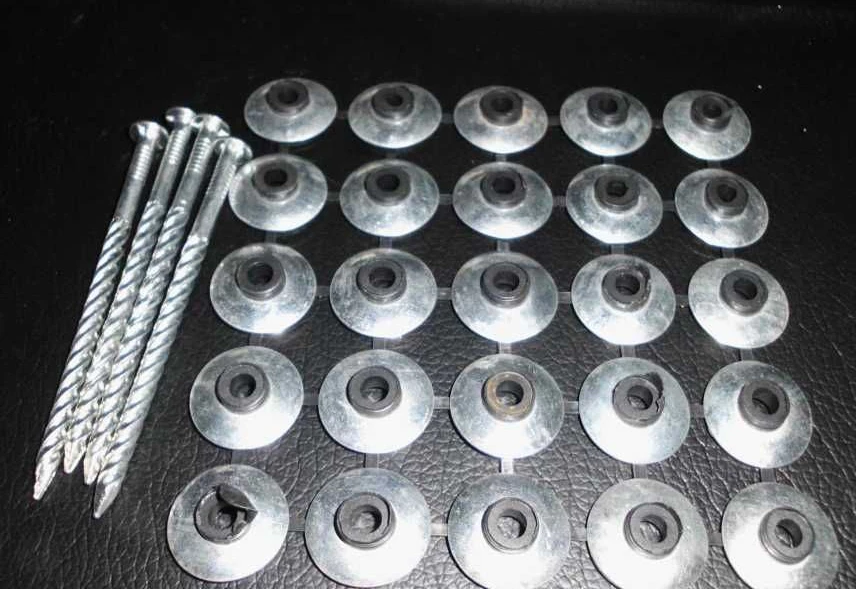
This wire works well with various fastening materials — staples, clips, ties — making it a friendly choice in the field.
5. Availability
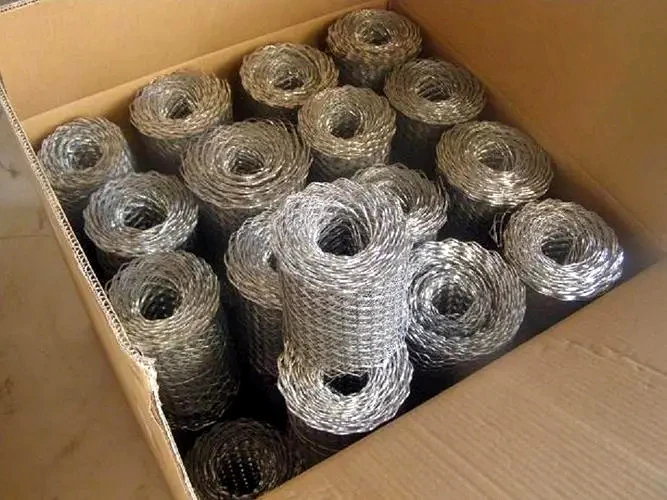
Since it is a common industrial product, 1.6 mm garden wire usually sees good availability worldwide, including accessible shipping from vendors like 1.6 mm garden wire suppliers.
How Is 1.6 mm Garden Wire Used Across the Globe?
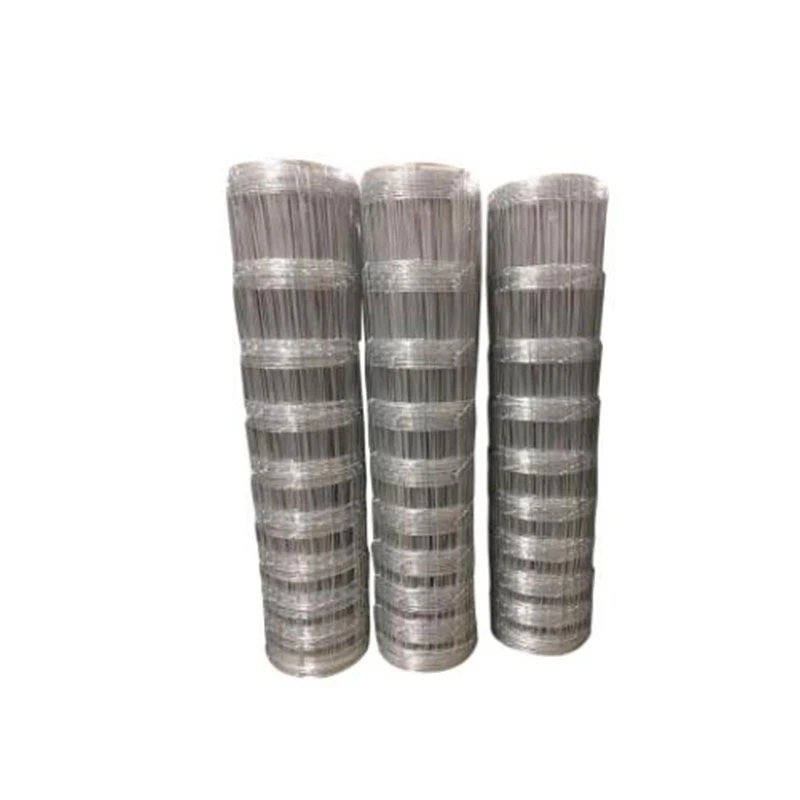
Let’s get practical. In temperate zones like Europe and North America, smallholder farmers use this wire extensively for constructing chicken coops, small paddocks, and delicate fencing to guard vegetables.
In tropical countries, NGOs depend on light fencing for rapid post-disaster relief. You might find 1.6 mm garden wire at refugee camps, protecting sanitation zones or establishing boundaries without heavy infrastructure.
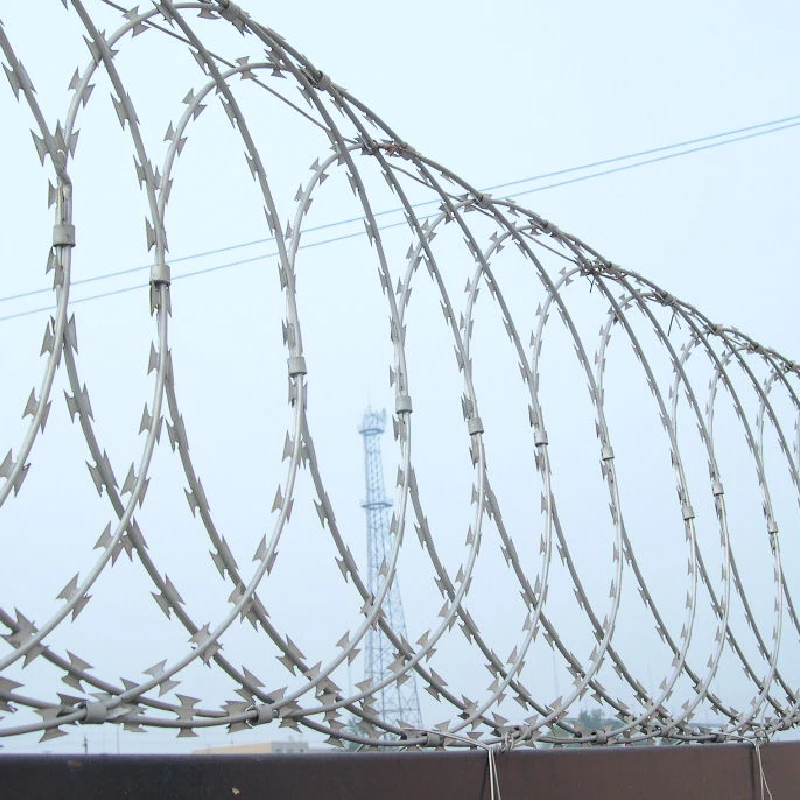
Asian horticulturists often employ it for bonsai training or vertical gardens. Meanwhile, in remote industrial areas, light fencing controls wildlife and unauthorized access.
Real-World Examples
- Kenya’s rural maize farms rely on 1.6 mm galvanised wire fencing to safeguard crops from elephants and deer.
- In post-flood Bangladesh, rapid fencing erected using lightweight garden wire protects essential food supplies.
- European vine growers use it to train grape vine branches, optimizing sunlight exposure and yield.
Typical Specifications of 1.6 mm Garden Wire
| Specification | Details |
|---|---|
| Diameter | 1.6 mm (±0.1 mm tolerance) |
| Material | Galvanized steel or mild steel |
| Coating | Zinc galvanization for corrosion resistance |
| Length per roll | 50 m to 200 m |
| Tensile strength | Approx. 350-500 MPa |
Comparing Vendors: What to Look For
| Vendor | Price per roll | Coating Quality | Customization | Shipping Range |
|---|---|---|---|---|
| YJD Wiremesh | $12.00 | High zinc coating | Roll size & packaging | Worldwide |
| GardenPro Supplies | $15.50 | Standard galvanized | Standard only | North America |
| EcoWire Co. | $13.75 | Zinc and organic coating | Various gauges & treatment | Europe and Asia |
Advantages and Long-Term Value of 1.6 mm Garden Wire
It’s a product that ticks many boxes: budget-friendly for cash-strapped gardeners or communities, yet tough enough to fulfill its protective role season after season. The sustainability aspect comes partly from its durability—avoiding frequent replacements means less waste.
Emotionally, it ties to peace of mind. Farmers can rest knowing their fences stand up to wanderers or wildlife. Gardeners experience pride watching their delicate trellises flourish, supported by this quietly competent wire. It isn’t just material; it’s a small but impactful symbol of stability.
Emerging Trends: What’s Next for the 1.6 mm Garden Wire?
As sustainability becomes non-negotiable, innovations in corrosion-resistant coatings appear promising. Some manufacturers are experimenting with organic or polymer blends atop zinc galvanization to extend lifespan significantly without harmful chemicals.
Digital transformation touches this too. In remote or automated agriculture, sensors and IoT devices sometimes get integrated into fencing systems built using standard garden wire. This isn’t mainstream yet, but the idea of “smart fencing” using reliable wire like 1.6 mm gauges feels like it’s on the horizon.
It’s also worth noting the push for greener steel production methods, which affects the carbon footprint of the wire. Certified low-impact steel sources could soon be a selling point alongside pricing and quality.
Common Challenges and Practical Solutions
Rust remains a concern in extremely humid or saline conditions. Regular maintenance or applying protective sprays may help. Another limitation is strain capacity—this wire won't replace high-tensile steel for heavy-duty fencing.
Experts suggest combining 1.6 mm wire with treated wooden posts or metal stakes for structural reinforcement. Even simple weatherproof coatings applied locally can prolong wire life.
For shipping to remote areas, lightweight packaging and roll sizes matter a lot. Vendors like YJD Wiremesh offer flexible preparation, easing distribution obstacles.
FAQs About 1.6 mm Garden Wire
Q1: Is 1.6 mm garden wire strong enough for small animal fencing?
A: Yes, it is suitable for small to medium animals like rabbits or chickens, especially when combined with proper posts and mesh. For larger or more aggressive animals, thicker or reinforced wire may be needed.
Q2: Can I use 1.6 mm garden wire for supporting climbing plants?
A: Absolutely. Its flexibility and corrosion resistance make it great for trellises or vine training systems. Just ensure it’s installed tautly to avoid sagging.
Q3: How long does galvanized 1.6 mm wire last outdoors?
A: Typically 5 to 10 years in moderate climates. Lifespan may shorten in very salty or wet environments unless extra coatings are applied.
Q4: Can NGOs easily import 1.6 mm garden wire internationally?
A: Yes, wire is considered a common commodity with relatively simple customs requirements. Choosing suppliers with international shipping like YJD Wiremesh can streamline the process.
Wrapping It All Up
So, as you can see, the 1.6 mm garden wire is more than just an accessory—it’s a core material with impressive global utility. Whether in gardens tucked away in Europe, on farms in Africa, or in humanitarian efforts after crises, it supports life and livelihoods.
If you want to explore top-quality, customizable 1.6 mm garden wire, I highly recommend visiting YJD Wiremesh. Their expertise and global shipping make selecting the right wire easier — and that’s half the battle won.
In the end, the value of this versatile wire reminds us that sometimes, the smallest components hold the biggest power.