Understanding 1.2 mm Galvanised Wire: Why It Matters Worldwide
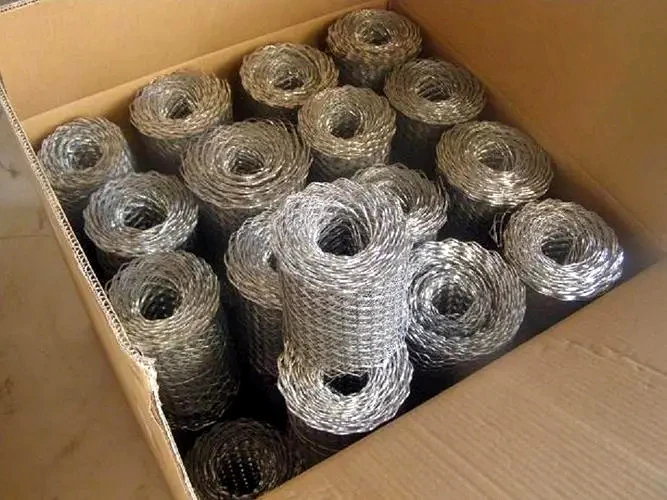
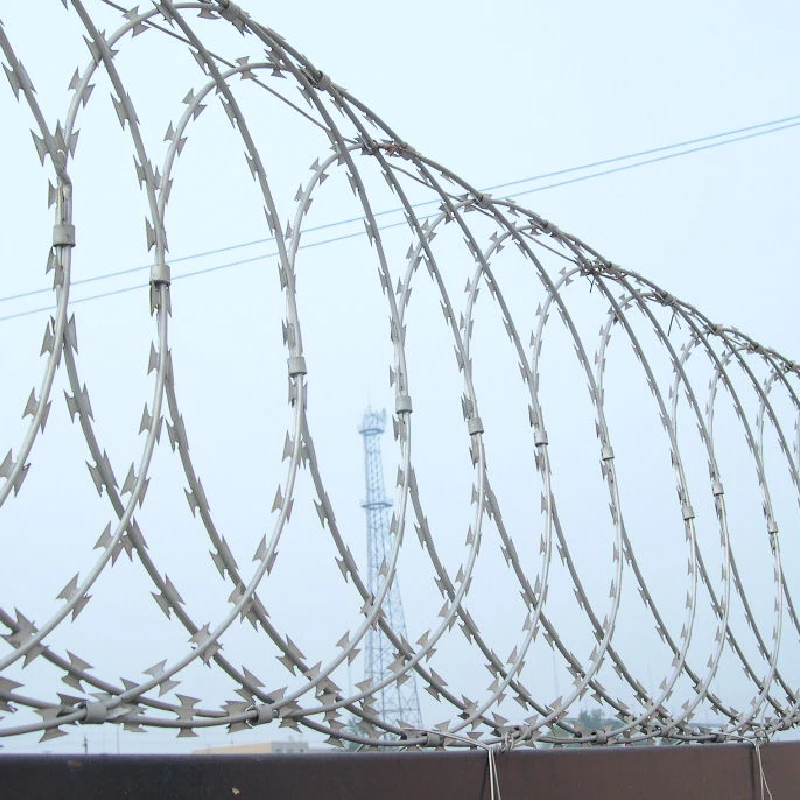
If you’ve ever noticed the sturdy cages, fencing, or layered mesh around construction sites or even in agricultural settings, 1.2 mm galvanised wire is often the unsung hero behind the scenes. But why is this specific wire diameter so pivotal globally? Well, it’s a delicate but tough balance — the thickness offers reliable strength while maintaining flexibility, and the galvanisation process gives it longevity against rust and wear. This means industries, governments, and humanitarian operations can depend on it for everything from durable fencing to infrastructure reinforcement.
In a world increasingly concerned with sustainability, costs, and long-term performance, understanding 1.2 mm galvanised wire can streamline material choices and improve project outcomes. More than just a wire, it’s a practical solution often overlooked.
Global Context: The Backbone of Durable Wire Products
Globally, steel consumption is expected to grow steadily, projected by World Steel Association to reach nearly 2 billion tonnes by 2030. Within that, galvanised wire represents a significant share used primarily in construction, agriculture, and manufacturing sectors. According to the ISO standards, galvanisation ensures corrosion resistance, which is crucial for regions exposed to harsh weather.
Yet, challenges remain — from environmental degradation concerns to supply chain disruptions, many industries grapple with sourcing wires that won't prematurely fail. The 1.2 mm galvanised wire, due to its balance of strength and adaptability, is a practical answer in many contexts: it prevents rust, reduces maintenance costs, and supports sustainable infrastructure development worldwide.
Mini Takeaway:
The 1.2 mm galvanised wire isn’t just a raw material; it embodies a critical step towards sustainable and reliable infrastructure across diverse industries globally.
What Exactly Is 1.2 mm Galvanised Wire?
Simply put, 1.2 mm galvanised wire is a steel wire with a diameter of 1.2 millimeters coated in a layer of zinc to shield it from corrosion. “Galvanised” refers to that zinc coating achieved by dipping the wire in molten zinc, which forms a protective barrier. This process is essential in industry because it dramatically extends the wire's usable life in outdoor or moist conditions.
Why 1.2 mm specifically? It’s a sweet spot — thin enough for flexibility and ease of installation but thick enough to handle moderate to heavy-duty applications like fencing, mesh, and binding wires.
From reinforcing concrete cages in construction to securing livestock in agricultural zones, the 1.2 mm galvanised wire acts as a versatile material interface between durability requirements and cost efficiency — which modern industry and humanitarian relief efforts can’t afford to overlook.
Key Factors Driving the Use of 1.2 mm Galvanised Wire
Durability
Its zinc coating protects the steel core from rust — a must in humid or coastal environments where corrosion can compromise safety and longevity. This means less frequent replacement cycles and lower costs over time.
Strength-to-Weight Ratio
The 1.2 mm diameter gives just enough tensile strength for uses like fencing, wire mesh, or cages, balancing sturdiness with ease of handling. This balance is essential when you’re building long lines of material on-site.
Cost Efficiency
Compared to thicker gauge wires, 1.2 mm galvanised wire is affordable yet reliable. For many applications, going thicker can become overkill economically — and cutting corners thinner risks failure.
Corrosion Resistance
The galvanisation process acts like a zinc “armor” that allows this wire to survive exposed outdoor use for years. It’s often rated to last 20+ years depending on environment, which frankly beats many untreated materials hands down.
Versatility & Ease of Use
Its manageable flexibility makes it suitable for manual installation or mechanized fasteners. It’s ideal in scenarios demanding both quick assembly and lasting protection, such as emergency shelters or rapid infrastructure repair.
Mini Takeaway:
The strength, longevity, and price point of 1.2 mm galvanised wire stem from more than just a number — it’s the synthesis of factors making it smart for real-world stress and budgets.
Product Specifications at a Glance
| Specification | Details |
|---|---|
| Wire Diameter | 1.2 mm (±0.02 mm) |
| Material | High-grade mild steel |
| Coating | Hot-dip galvanised zinc layer (~60-100 g/m²) |
| Tensile Strength | 450-550 MPa |
| Typical Uses | Fencing, mesh, construction reinforcement, binding wire |
| Environmental Rating | Suitable for outdoor coastal to moderate industrial atmospheres |
Who Uses 1.2 mm Galvanised Wire? Real-World Applications
This isn’t some niche product hidden away in labs. The wire is all over the globe:
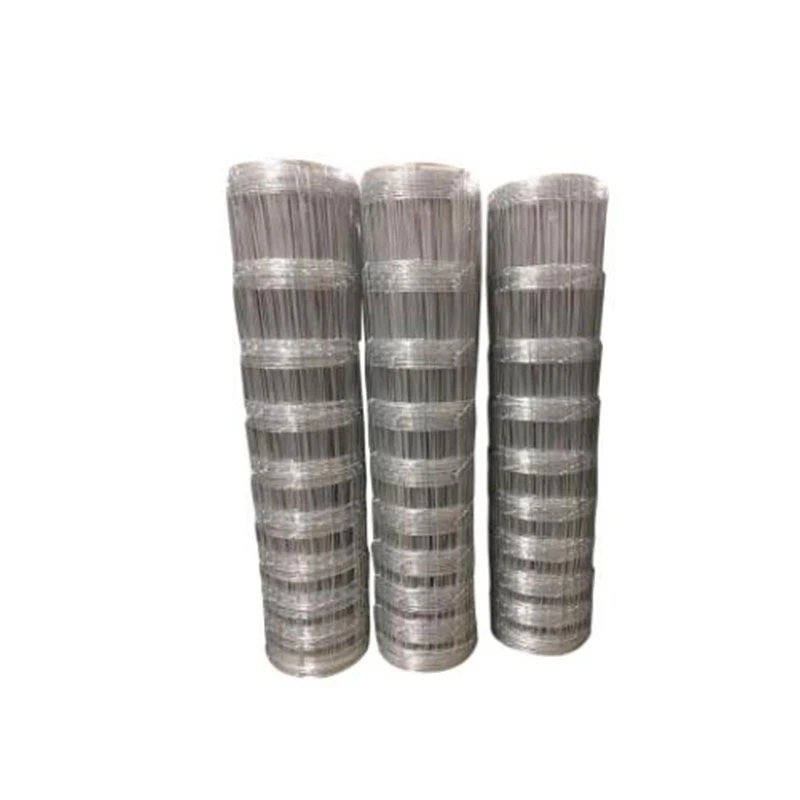
- Agriculture: Farmers use it for fencing to keep livestock safe from predators or stray animals, especially in remote parts of Africa and Southeast Asia where fencing must resist the rough outdoor environment.
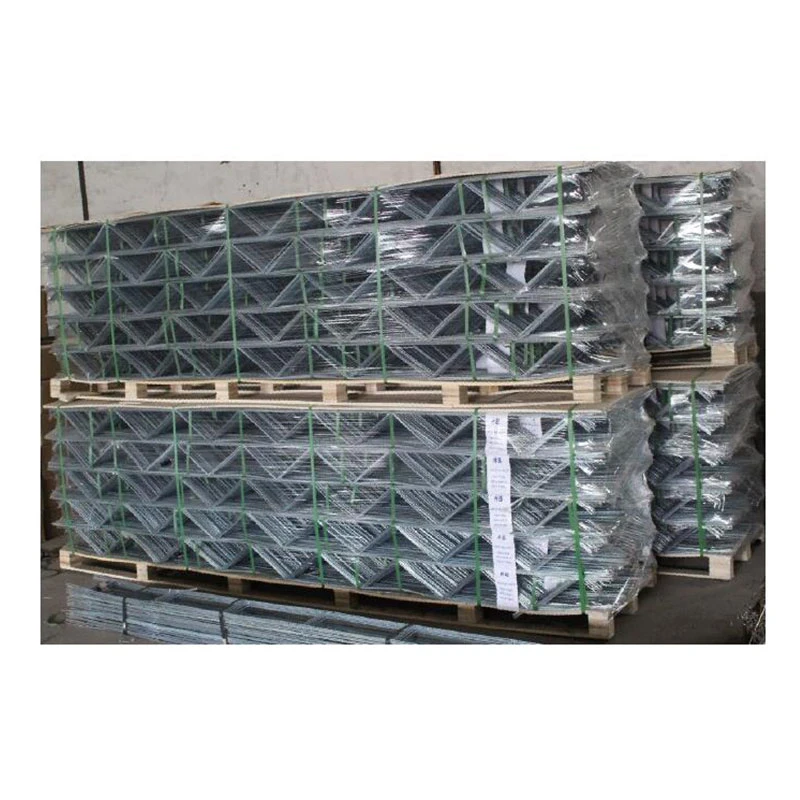
- Construction: It’s fundamental for tying rebar cages in concrete structures, particularly in urban expansion zones of India and Latin America.
- Disaster Relief Operations: NGOs deploying temporary shelters rely on galvanised wire mesh and fencing to build secure, rust-resistant perimeters rapidly, for example, post-earthquake recovery efforts in Nepal.
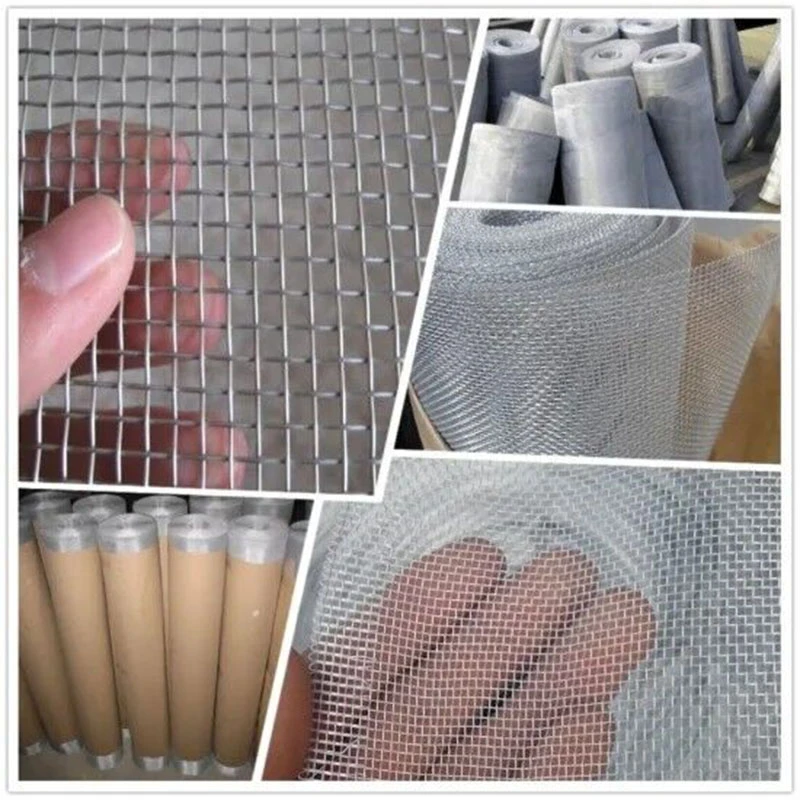
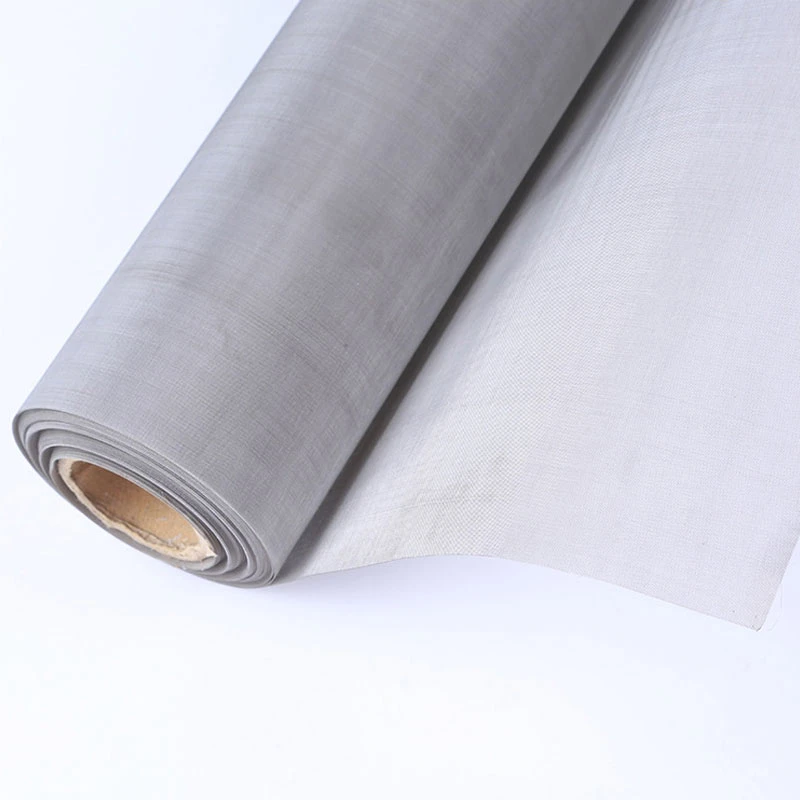
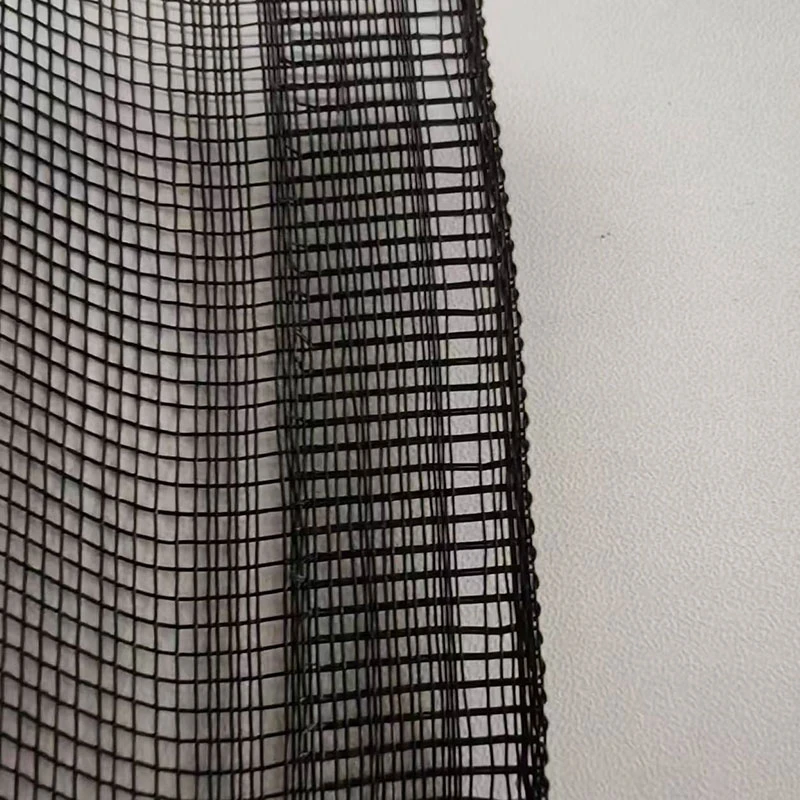
- Industrial: Used in wire mesh for filtration, sieves, or cable armoring, especially where strength and corrosion resistance are critical.
Oddly enough, it feels like 1.2 mm galvanised wire quietly forms the backbone of many essential human activities.
For more on top quality wire products, check out 1.2 mm galvanised wire.
Mini Takeaway:
Across continents and industries, this wire’s versatility and durability prove indispensable — from farms to factories to frontline humanitarian projects.
Why Choose 1.2 mm Galvanised Wire? The Long-Term Advantages
Many engineers say the long-lasting corrosion resistance means fewer replacements — that’s a big cost saver. Making infrastructure safer and more stable brings not just budgets but also peace of mind.
Plus, choosing galvanized wire supports sustainability by reducing waste — less frequent replacements means less material consumption. Emotionally, people value the safety that comes with reliable fencing or sturdy building ties.
Moreover, in disaster-prone or harsh environments, the wire ensures that temporary or permanent structures maintain dignity and security for communities, aligning with social responsibility goals.
Emerging Trends & Future Outlook
Looking ahead, I notice industries experimenting with eco-friendlier galvanising methods, like advanced zinc-aluminium alloys that improve environmental profiles and durability. There's also growing interest in integrating smart coatings that signal damage or corrosion digitally.
Automation in wire production helps maintain tighter tolerances and better repeatability, reducing waste and downtime. The “Internet of Things” for construction materials might sound futuristic — but already some projects use sensors mapped on reinforcing wires.
Finally, sustainability standards and stricter environmental policies, especially in Europe and North America, push for increasingly green steel and coating technologies.
Challenges and How Experts Are Tackling Them
Like all materials, 1.2 mm galvanised wire has its trade-offs. The galvanising layer can sometimes flake under extreme bending or heavy mechanical abuse, and cheaper imports occasionally don’t meet proper coating thickness standards.
However, better quality controls, batch testing, chemical treatments pre-galvanising, and improved zinc bath compositions are helping overcome these issues. Additionally, innovations offer enhanced weldability and weld spatter reduction, critical for construction efficiency.
Progressive suppliers now provide traceability certificates, reassuring clients on quality — a step often missed in older supply chains.
Vendor Comparison for 1.2 mm Galvanised Wire
| Feature | Vendor A | Vendor B | Vendor C |
|---|---|---|---|
| Coating Thickness (g/m²) | 85 | 60 | 90 |
| Tensile Strength (MPa) | 530 | 460 | 520 |
| Price per kg (USD) | 1.10 | 1.00 | 1.25 |
| Grade Certification | ISO 9001 | None | ISO 14001, ISO 9001 |
| Delivery Options | Bulk rolls, coils | Limited stock, coils only | Custom order, bulk rolls |
Frequently Asked Questions About 1.2 mm Galvanised Wire
Q: How long does the galvanised coating typically last outdoors?
A: Generally, a hot-dip galvanized coating on 1.2 mm wire lasts between 15 to 25 years depending on environmental conditions. Coastal or industrial areas may reduce lifespan due to higher corrosive elements, but routine inspections and maintenance can help prolong its usability.
Q: Is 1.2 mm galvanised wire flexible enough for tight bending on site?
A: Yes, 1.2 mm wire strikes a good balance between flexibility and strength. It can be bent or twisted by hand or machinery for fencing or mesh without cracking the zinc layer when handled properly.
Q: Can this wire be used for electrical grounding applications?
A: While galvanised wire is conductive, its zinc coating and tensile strength make it more suited for fencing or structural uses rather than dedicated electrical grounding cables, which typically use copper or bare steel.
Q: How can NGOs source reliable 1.2 mm galvanised wire for remote disaster zones?
A: NGOs often partner with reputable wire manufacturers offering certifications and flexible shipping options. Bulk orders are usually shipped in coils or rolls for easy transport. Checking for ISO standards and traceability helps ensure quality, even in challenging logistics scenarios.
Wrapping Up: The Lasting Impact of 1.2 mm Galvanised Wire
In the grand scheme, this modest diameter of galvanised wire quietly underpins critical functions worldwide — protecting assets, preserving infrastructure, enabling rapid deployment in emergencies, and even shaping sustainability practices. The balance of durability, price, and versatility makes it a staple no engineer or project manager should overlook.
Curious to explore options or bulk supplies? Drop by https://www.yjdwiremesh.com to learn more about how 1.2 mm galvanised wire can fit your next project.