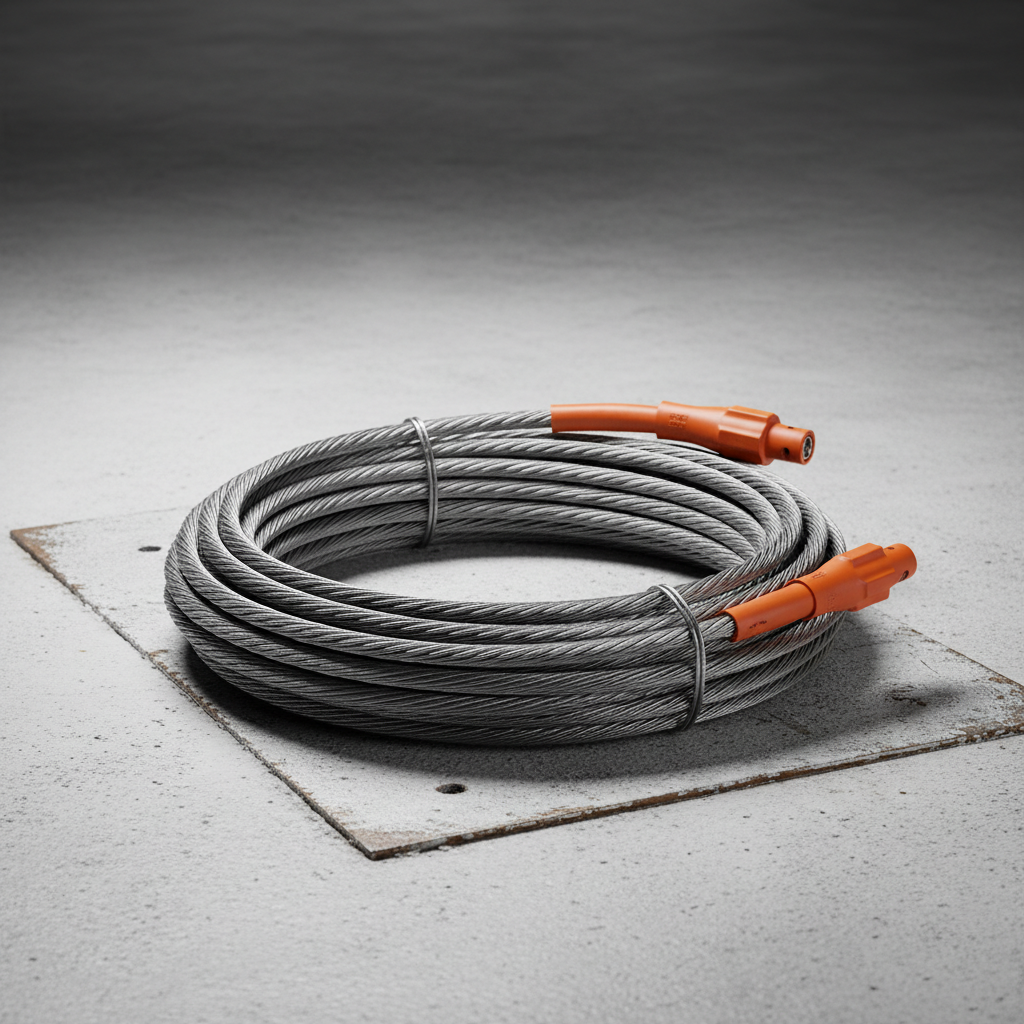
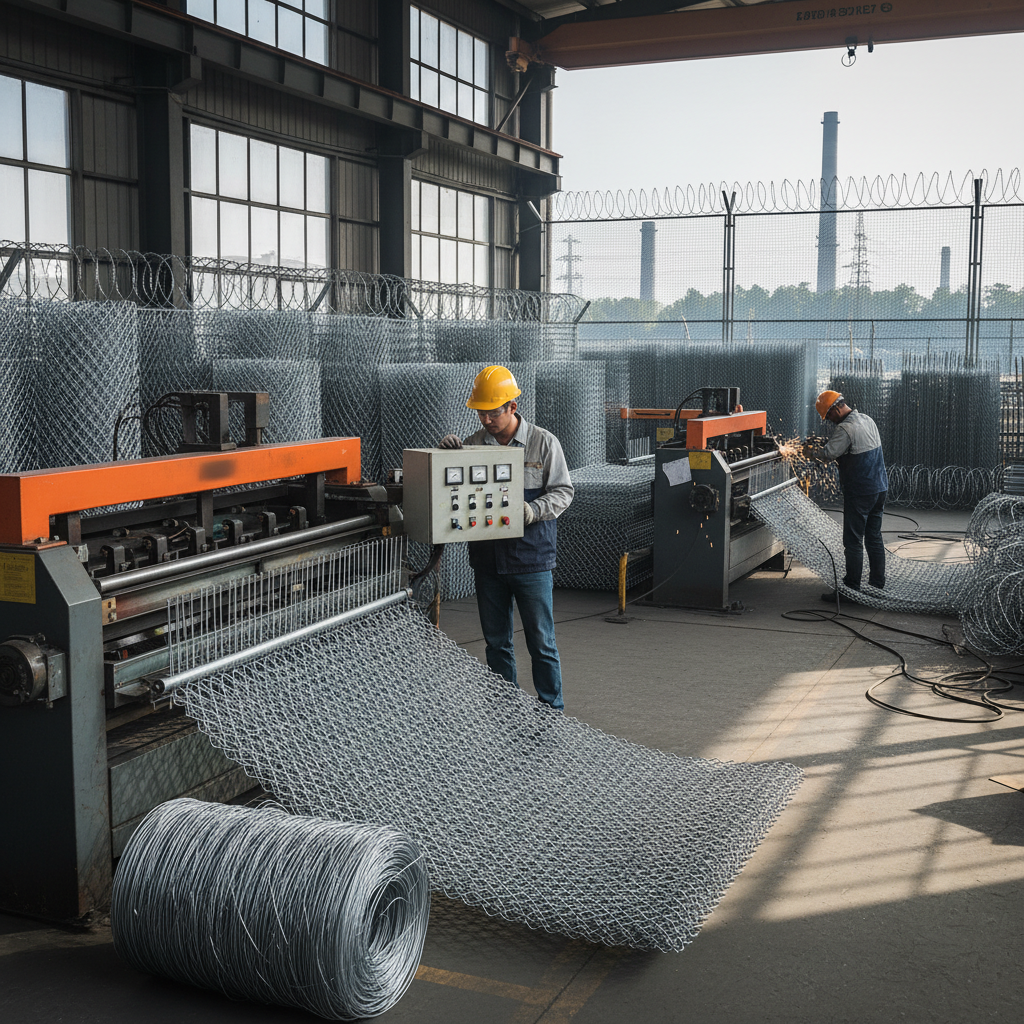
Finding reliable iron wire suppliers is a critical decision for any procurement manager in the construction, agriculture, or industrial manufacturing sectors. The quality of the raw wire determines the structural integrity of everything from simple fasteners to complex animal cages and high-security fencing, making the choice of a partner a matter of both safety and operational efficiency.
In today's globalized economy, the iron wire industry has evolved beyond simple metallurgy into a high-precision science. Modern iron wire suppliers now leverage advanced galvanization and drawing technologies to ensure that their products can withstand extreme environmental corrosion while maintaining the necessary tensile strength for heavy-duty applications.
Whether you are sourcing materials for a large-scale infrastructure project or specialized components for window screening and mesh products, understanding the landscape of global production is key. By aligning with experienced iron wire suppliers, businesses can reduce waste, optimize costs, and ensure long-term durability across their entire product line.
Global Relevance of Iron Wire Suppliers
On a global scale, iron wire suppliers form the backbone of the industrial supply chain. From the sprawling agricultural landscapes of Brazil to the dense urban centers of Southeast Asia, the demand for versatile wire products—such as barbed wire for livestock and iron nails for construction—remains constant. According to international trade standards, the consistency of wire gauge and zinc coating is paramount to prevent premature oxidation in humid tropical climates.
The primary challenge facing the industry today is the balance between cost-efficiency and sustainability. Many procurement officers struggle to find iron wire suppliers who can provide ISO-certified materials without inflating the price point, especially as raw steel prices fluctuate due to geopolitical tensions and energy costs.
Defining the Role of Iron Wire Suppliers
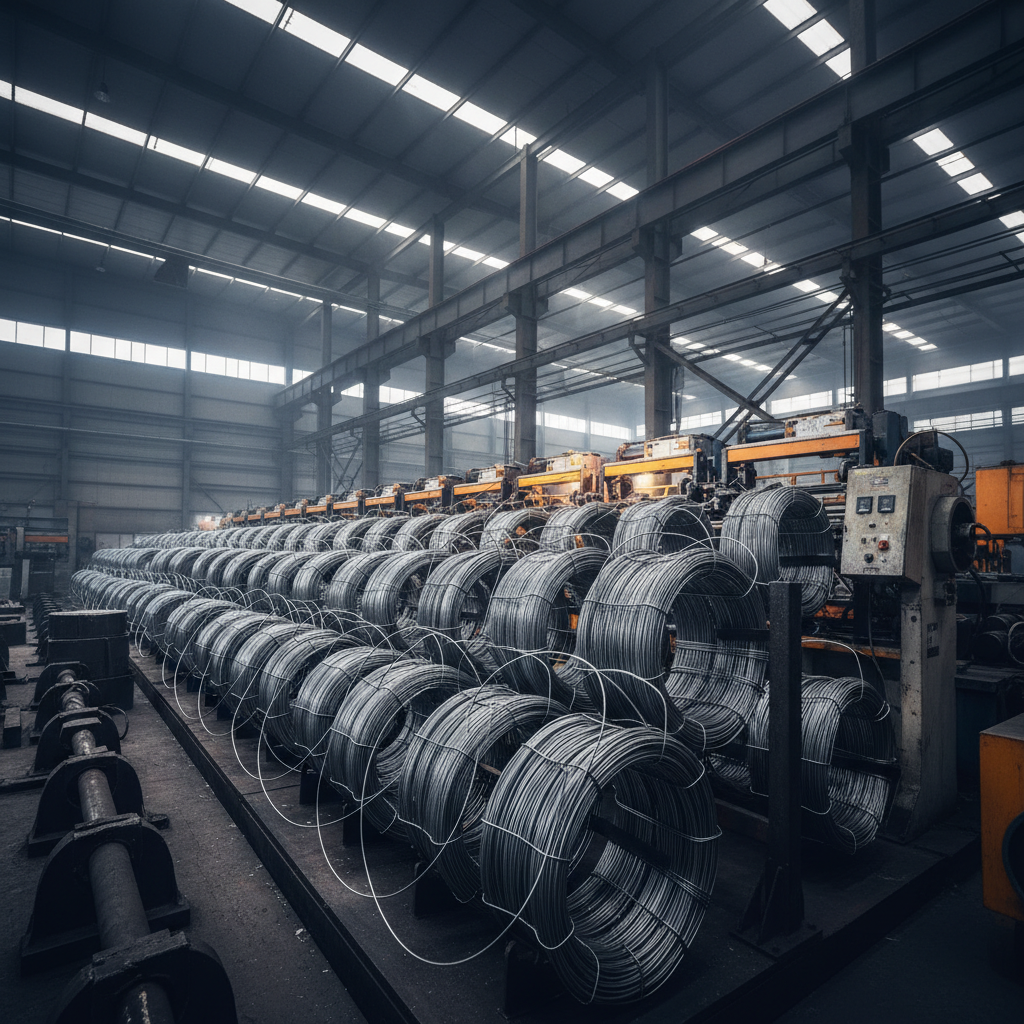
In simple terms, iron wire suppliers are specialized manufacturers and distributors that transform raw steel rods into thin, flexible, or rigid wires through a process of drawing and heat treatment. These suppliers don't just provide a raw material; they provide a tailored engineering solution, whether that involves creating a specific tensile strength for iron nails or a precise aperture for window screening series.
Beyond the industrial aspect, these suppliers play a vital role in humanitarian and agricultural needs. For instance, the production of affordable animal cages and secure fencing allows small-scale farmers in developing nations to protect their livestock and increase food security, demonstrating that the work of iron wire suppliers has a direct impact on global living standards.
Modern suppliers have shifted toward a "solution-provider" model. Rather than offering a generic catalog, the best iron wire suppliers collaborate with clients to determine the exact chemical composition and coating required for a specific environment, ensuring the final product is neither over-engineered (too expensive) nor under-engineered (prone to failure).
Core Components of High-Quality Wire Production
The primary hallmark of reputable iron wire suppliers is their commitment to material purity. The base iron or steel must be free of slag and impurities to prevent "brittle breaks" during the drawing process, which is essential for the longevity of the Iron Wire Series and Barbed Wire Series.
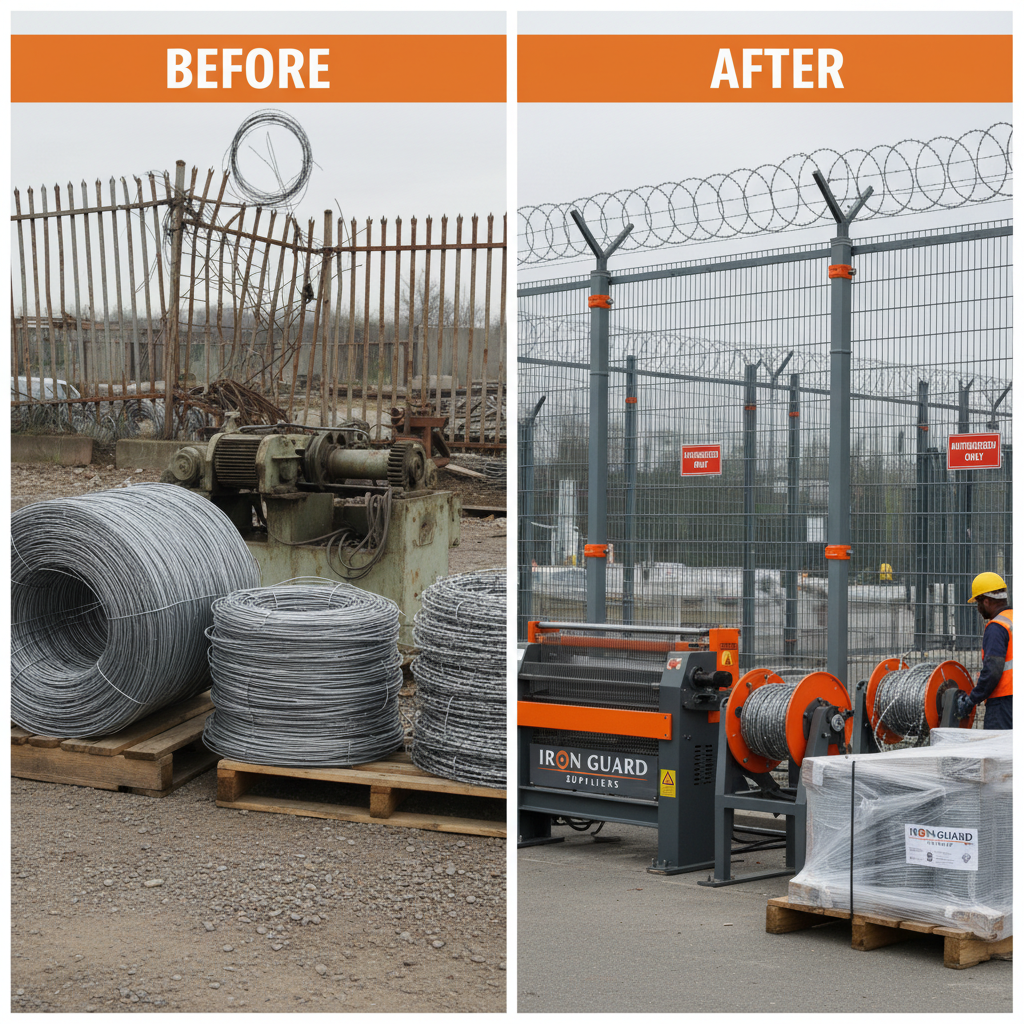
Corrosion resistance is the second critical component. Leading iron wire suppliers utilize hot-dip galvanizing, where the wire is submerged in molten zinc. This creates a metallurgical bond that protects the inner core from rust, a feature that is non-negotiable for outdoor wire mesh products.
Lastly, dimensional consistency defines the professionalism of iron wire suppliers. Using laser-micrometer monitoring, suppliers ensure that every millimeter of the wire maintains a constant diameter, which is crucial for automated machinery used in the production of iron nails and industrial cages.
Key Performance Factors in Wire Sourcing
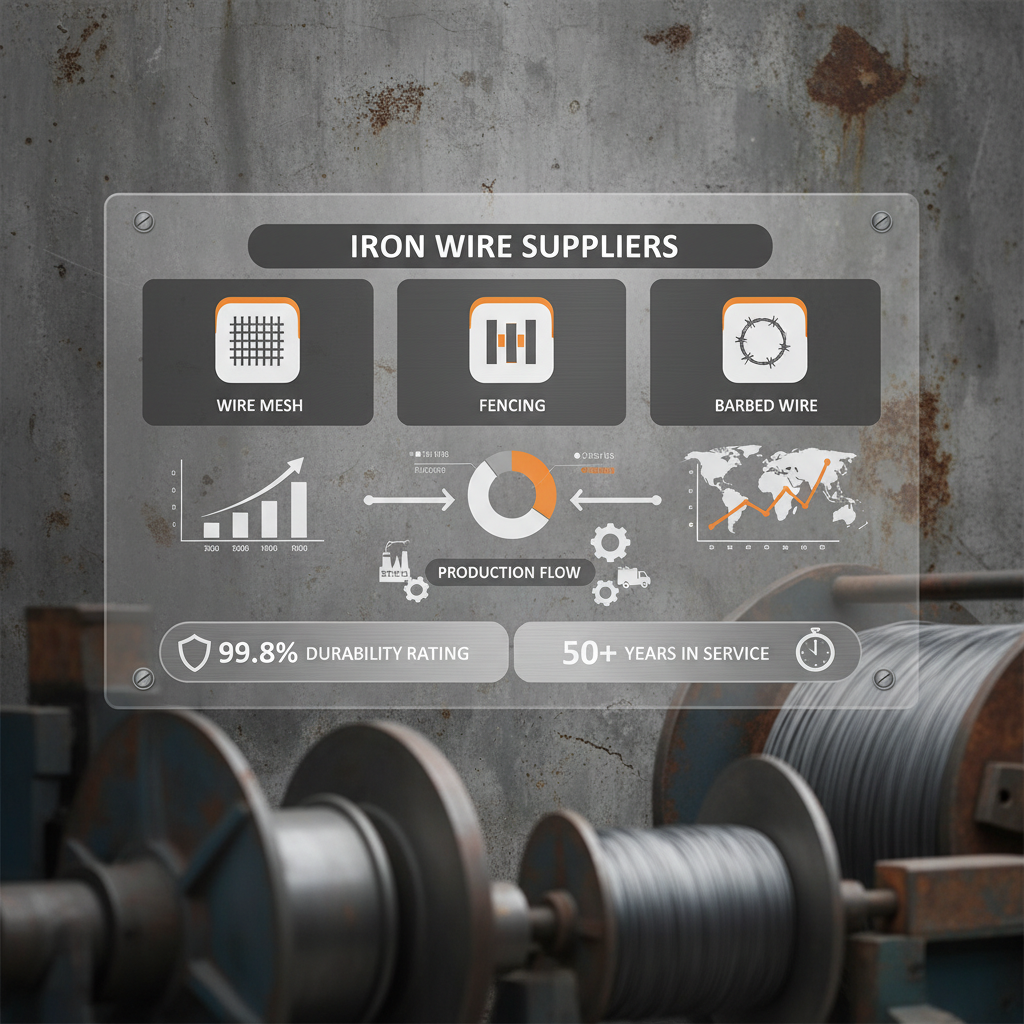
When evaluating iron wire suppliers, procurement teams typically focus on four main pillars: tensile strength, coating uniformity, lead-time reliability, and price stability. A supplier that can maintain a tight tolerance on the zinc coating weight ensures that the product won't rust prematurely, reducing the total cost of ownership over the product's lifecycle.
Furthermore, the ability of iron wire suppliers to scale production during peak seasonal demands—such as the spring planting season for agriculture—is a significant competitive advantage. This scalability prevents bottlenecks in the downstream manufacturing of animal cages and window screening.
Comparison of Sourcing Metrics for Iron Wire Suppliers
Real-World Applications of Iron Wire Products
The output from professional iron wire suppliers is integrated into countless daily applications. In the agricultural sector, the Animal Cage Series provides secure housing for poultry and small mammals, where the wire must be smooth to avoid injuring animals but strong enough to prevent escapes. Similarly, the Barbed Wire Series is essential for perimeter security in remote industrial zones and large-scale ranching.
In urban residential settings, the Window Screening Series relies on the precision of iron wire suppliers to create meshes that are breathable yet durable enough to keep pests out. Even the humble iron nail, produced by the millions, requires a specific grade of carbon steel wire to ensure it can be driven into hard timber without bending, showcasing the versatility of these metal products.
Long-Term Value and Economic Advantages
Investing in a partnership with top-tier iron wire suppliers provides a hidden economic shield. While budget options might seem attractive initially, the long-term costs of replacing rusted fences or failing animal cages far outweigh the initial savings. High-quality galvanization leads to a lower "life-cycle cost," meaning the product lasts 3-5 times longer in harsh environments.
Beyond the financial aspect, there is the element of trust and safety. In industrial applications, a wire failure in a structural mesh can lead to catastrophic accidents. Reliable iron wire suppliers provide full traceability and mill certificates, giving engineers the peace of mind that the materials meet international safety standards.
Moreover, sustainability is becoming a primary driver of value. Many leading iron wire suppliers are now incorporating recycled steel scrap into their production without compromising strength, allowing their clients to meet "green building" certifications and corporate social responsibility goals.
Future Innovations in the Wire Industry
The future of iron wire suppliers is being shaped by the intersection of materials science and automation. We are seeing the rise of "smart coatings"—zinc-aluminum-magnesium alloys that offer self-healing properties when the surface is scratched, significantly extending the life of wire mesh products in coastal, salt-heavy environments.
Digital transformation is also hitting the factory floor. Modern iron wire suppliers are implementing AI-driven quality control systems that can detect a microscopic flaw in a wire reel in real-time, automatically diverting the defective segment. This ensures that the end-user receives 100% flawless material, eliminating the "hit-or-miss" nature of traditional batches.
As the world moves toward carbon neutrality, iron wire suppliers are exploring electric arc furnaces (EAF) to reduce the carbon footprint of steel production. This shift not only protects the environment but also makes the supply chain more resilient to carbon taxes and environmental regulations.
Technical Specification Comparison for Iron Wire Product Series
|
Product Series
|
Primary Material Requirement
|
Critical Quality Metric
|
Durability Rating (1-10)
|
|
Animal Cage Series
|
Low-Carbon Steel / Galv
|
Surface Smoothness
|
7
|
|
Barbed Wire Series
|
High-Tensile Steel
|
Barb Attachment Strength
|
9
|
|
Iron Nails
|
Hardened Carbon Steel
|
Bending Resistance
|
8
|
|
Iron Wire Series
|
Mild Steel / Annealed
|
Ductility/Flexibility
|
6
|
|
Window Screening
|
Stainless / Galvanized
|
Mesh Aperture Precision
|
8
|
|
Wire Mesh Products
|
Mixed Alloy Steel
|
Joint Weld Integrity
|
9
|
FAQS
The most effective way is to request material mill certificates and ISO 9001 certifications. Additionally, ask for a sample batch to perform a "bend test" and a "salt spray test" to verify the coating's corrosion resistance. Reputable iron wire suppliers will provide detailed technical data sheets (TDS) for every product line.
Hot-dipped galvanizing involves dipping the wire in molten zinc, creating a thick, durable layer ideal for outdoor use. Electro-galvanizing uses an electrical current to apply a thinner, smoother zinc layer, which is more aesthetically pleasing but less resistant to harsh weather. Your choice depends on whether you prioritize longevity or appearance.
Yes, professional suppliers can customize the wire diameter (gauge) and tensile strength based on your specifications. Whether you need ultra-thin wire for precision screening or heavy-duty gauge for industrial animal cages, custom drawing dies can be used to meet your exact requirements.
Since raw steel is the primary component, the price of iron wire is closely tied to the global steel index. To mitigate this, many businesses enter into long-term contracts with their iron wire suppliers to lock in prices or use "floating price" agreements that adjust based on monthly market averages.
For coastal environments, we recommend a heavy-duty hot-dip galvanized coating or a Zinc-Aluminum alloy coating. These provide a sacrificial layer of protection that prevents the iron core from oxidizing even when exposed to salt air and high moisture levels.
Lead times vary by volume and customization. Standard products typically ship within 7-14 days, while custom-gauge or specially coated orders may take 21-30 days. To ensure timely delivery, it is recommended to maintain a safety stock and coordinate with your iron wire suppliers at least a month in advance.
Conclusion
Selecting the right iron wire suppliers is far more than a simple transaction; it is a strategic partnership that influences the durability, safety, and cost-effectiveness of your final products. From the precision required in window screening to the raw strength needed for barbed wire and industrial cages, the quality of the wire is the foundation of structural success. By prioritizing material purity, advanced galvanization, and dimensional consistency, businesses can ensure their products stand the test of time and environment.
As the industry moves toward smarter coatings and greener production methods, the gap between premium and budget suppliers will only widen. We encourage procurement managers to look beyond the initial price tag and consider the long-term value of reliability and sustainability. For high-quality, certified wire solutions that drive industrial growth, visit our website: www.yjdwiremesh.com.