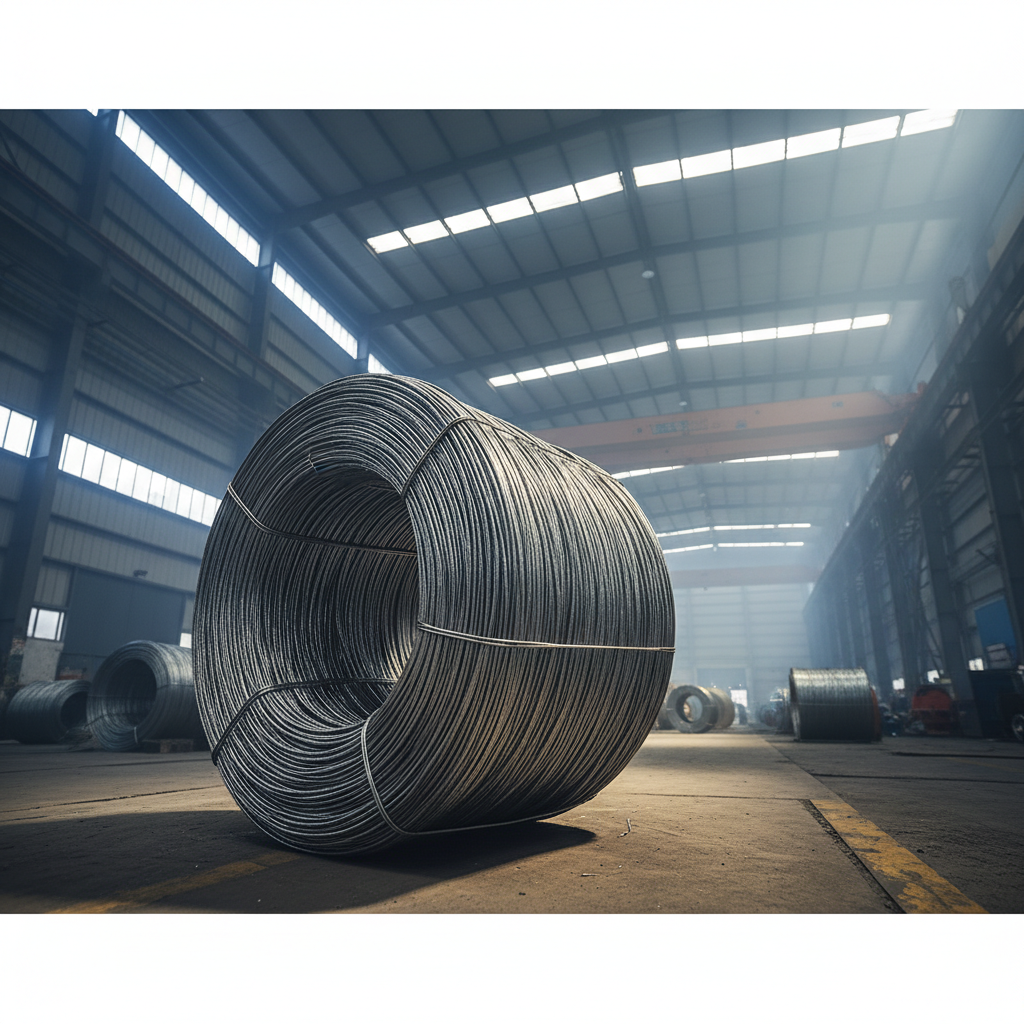
Selecting a reliable iron wire factory is a critical decision for businesses across the construction, agricultural, and industrial sectors. The quality of the base material directly influences the structural integrity of everything from security fencing to reinforced mesh, making the manufacturing process the heartbeat of project longevity.
Globally, the demand for precision-engineered wire products has surged as urban infrastructure expands and agricultural needs become more specialized. A professional iron wire factory doesn't just produce metal strands; it provides the essential building blocks for safety, containment, and architectural stability.
Understanding the nuances of wire drawing, galvanization, and tempering allows procurement managers to optimize their supply chains. By partnering with a factory that prioritizes E-E-A-T (Experience, Expertise, Authoritativeness, and Trustworthiness) principles, companies can ensure they receive products that meet international ISO standards while remaining cost-effective.
The Global Impact of Iron Wire Factory Standards
The global reliance on a high-capacity iron wire factory is evident in the rapid urbanization of emerging economies. According to industry data, the metal wire market is intrinsically linked to GDP growth in construction-heavy regions, where the need for barbed wire, window screening, and reinforced mesh is constant. The challenge often lies in maintaining consistency across massive production batches.
When a factory adheres to strict international standards, it reduces the risk of premature corrosion and mechanical failure. This global standardization ensures that a product manufactured in one region performs reliably in another, whether it's used for Animal Cage Series in livestock farming or Iron Nails in residential framing.
Defining the Modern Iron Wire Factory Ecosystem
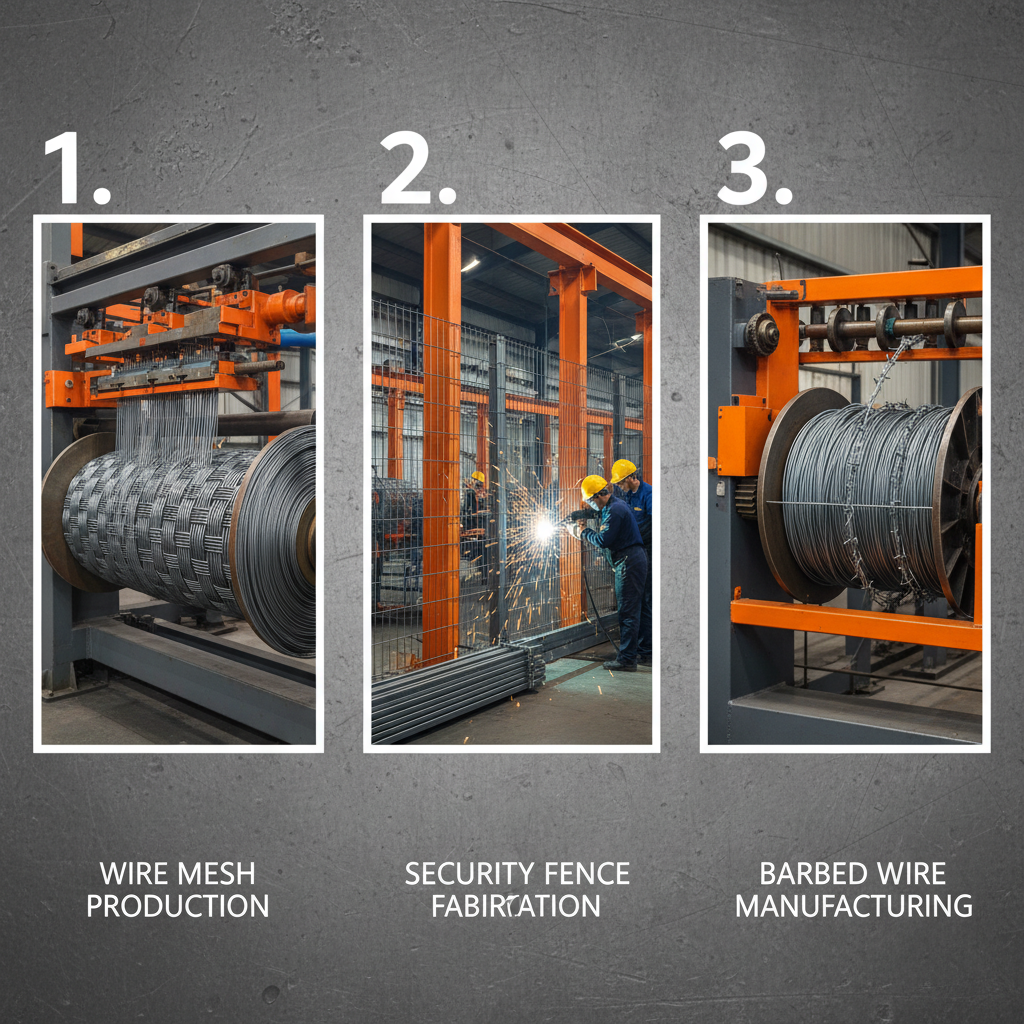
In simple terms, an iron wire factory is a specialized industrial facility that transforms raw steel rods into thin, flexible, or rigid wires through a process called cold drawing. This process involves pulling the metal through a series of dies to achieve the precise diameter required for specific applications, ranging from heavy-duty industrial cables to fine window screens.
Modern facilities integrate advanced chemistry through galvanization and powder coating to protect the iron from oxidation. This transformation is what allows a simple piece of metal to become a durable tool for humanitarian needs, such as creating secure fencing for refugee camps or essential infrastructure for remote medical clinics.
The ecosystem of a factory also includes rigorous quality control laboratories where tensile strength and coating thickness are measured. This ensures that every roll of wire leaving the facility can withstand the environmental pressures of its intended destination, bridging the gap between raw metallurgy and practical engineering.
Core Components of Wire Manufacturing Quality
Durability is the primary metric for any iron wire factory. This is achieved through the precise control of the carbon content in the steel and the application of zinc coatings. High-quality galvanization prevents rust, ensuring that barbed wire or wire mesh products remain functional for decades even in humid or saline environments.
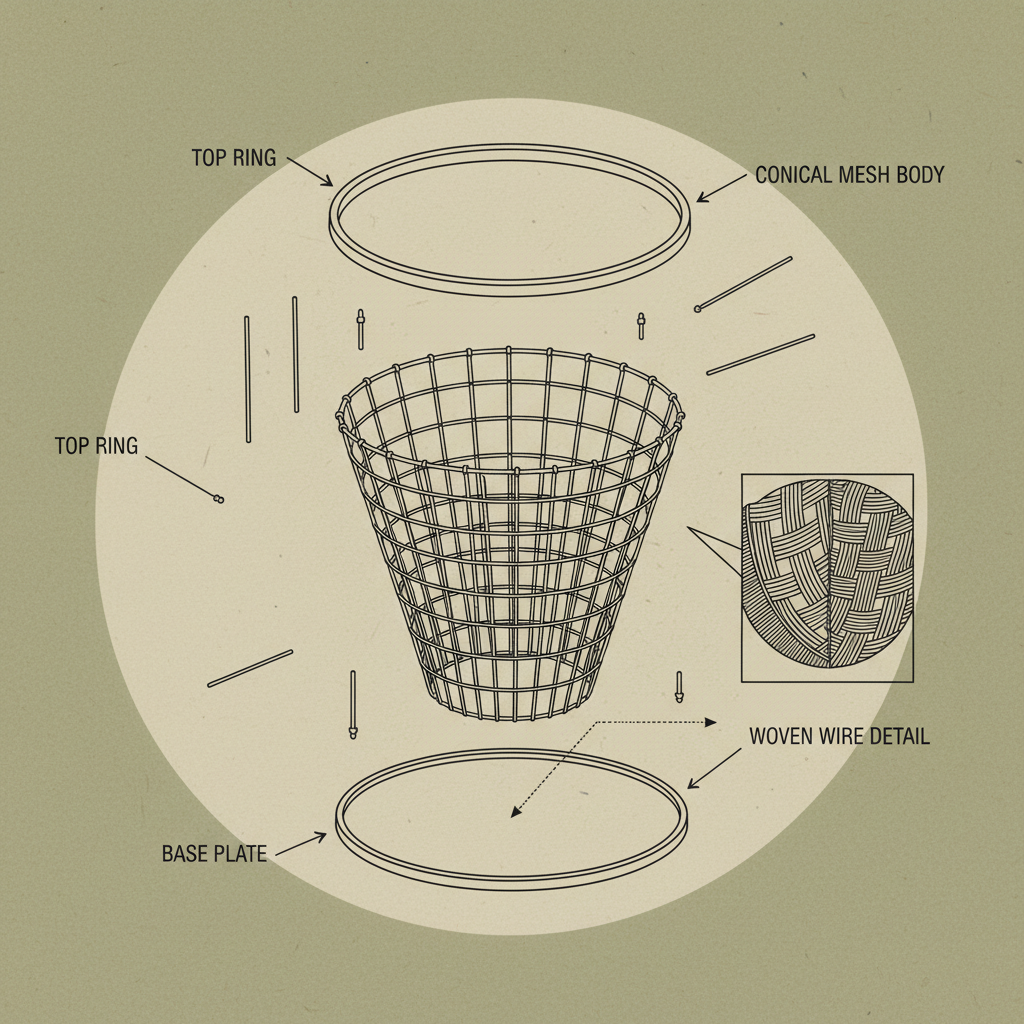
Scalability and precision are equally vital. A top-tier iron wire factory utilizes automated drawing machines that can maintain a tolerance of microns across thousands of kilometers of wire. This precision is essential for the Window Screening Series, where gaps must be uniform to effectively block insects while allowing airflow.
Cost efficiency is the final pillar, achieved not by cutting corners, but through waste reduction and energy-efficient smelting. By optimizing the scrap metal recycling process, a factory can offer competitive pricing for Iron Nails and Iron Wire Series without sacrificing the structural integrity required for industrial safety.
Industrial Applications and Use Cases
The versatility of products from an iron wire factory allows them to permeate almost every sector of the economy. In the agricultural sector, the Animal Cage Series is indispensable for sustainable farming, providing secure and hygienic environments for livestock. Meanwhile, the Barbed Wire Series remains the gold standard for perimeter security in remote industrial zones and border control.
In urban environments, the Window Screening Series and various Wire Mesh Products are used in everything from HVAC filtration to architectural facades. For instance, in post-disaster relief operations, rapid-deployment fencing produced by an efficient factory provides immediate security and organization for temporary shelters and supply depots.
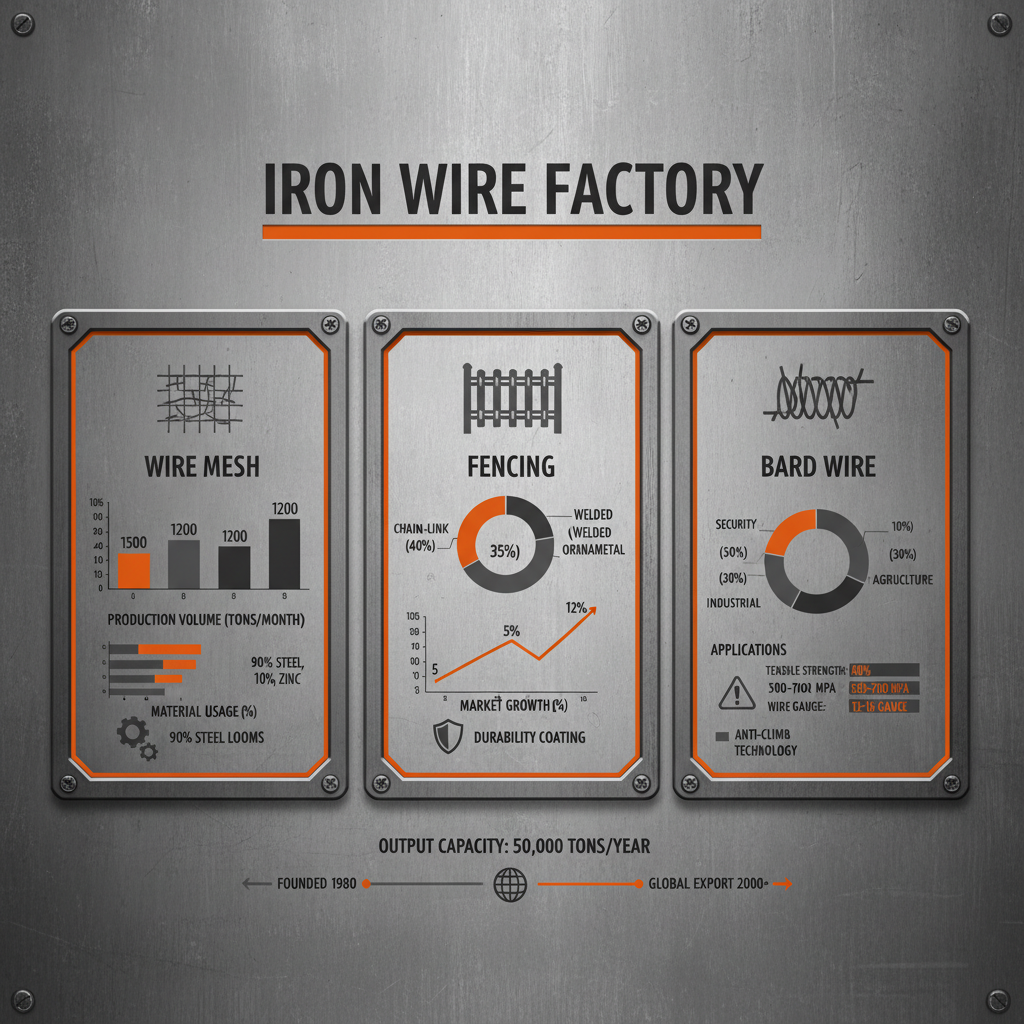
Efficiency Ratings of Iron Wire Factory Production Methods
Tangible Advantages of Professional Production
Partnering with a certified iron wire factory provides a strategic advantage in terms of reliability and risk mitigation. When products are manufactured under strict quality control, the long-term cost of ownership decreases because replacement cycles are extended. This reliability fosters trust between the supplier and the end-user, ensuring that safety-critical installations, like high-tensile fencing, do not fail unexpectedly.
Beyond the technical specs, there is a significant sustainability angle. Modern factories are pivoting toward "Green Steel" and closed-loop water systems for galvanization, reducing the environmental footprint of the metal industry. This commitment to sustainability not only meets regulatory requirements but also appeals to the growing market of eco-conscious developers and NGOs.
Future Innovations in Wire Technology
The future of the iron wire factory lies in the integration of Industry 4.0. Automation and AI-driven quality inspection are replacing manual sampling, allowing for 100% real-time monitoring of wire diameter and coating uniformity. This digital transformation minimizes human error and maximizes throughput.
Material science is also evolving, with the introduction of nano-coatings that offer superior corrosion resistance compared to traditional hot-dip galvanizing. These innovations allow for thinner, lighter wires that maintain the same strength as thicker traditional counterparts, reducing transport costs and installation time.
Furthermore, the shift toward smart manufacturing means that factories can now offer highly customized products on demand. Whether it's a specific gauge for a niche medical device or a custom-weave for specialized industrial filtration, the flexibility of modern production lines is redefining the capabilities of the wire industry.
Overcoming Common Manufacturing Challenges
One of the most persistent challenges for an iron wire factory is the fluctuation of raw material costs. To combat this, leading factories employ strategic sourcing and hedging strategies, ensuring that clients are protected from sudden price spikes in the global steel market.
Another hurdle is the environmental impact of chemical treatments. The solution lies in the adoption of trivalent chromium plating and other non-toxic alternatives to traditional hexavalent chromium. By investing in advanced wastewater treatment plants, factories can maintain high production volumes while adhering to strict environmental laws.
Finally, maintaining a skilled workforce in an era of automation is critical. The most successful operations combine the intuition of seasoned metallurgists with the precision of robotic systems, creating a hybrid workforce capable of solving complex production anomalies that AI cannot yet handle.
Analysis of Manufacturing Optimization across Iron Wire Factory Segments
| Product Series |
Primary Challenge |
Innovation Solution |
Impact Score (1-10) |
| Animal Cage Series |
Corrosion from Waste |
Electro-Galvanizing |
9 |
| Barbed Wire Series |
Tensile Inconsistency |
Cold-Drawing Calibration |
8 |
| Iron Nails |
High Material Waste |
Precision Cutting AI |
7 |
| Window Screening |
Mesh Uniformity |
Computerized Weaving |
10 |
| Iron Wire Series |
Surface Roughness |
Diamond Die Polishing |
8 |
| Wire Mesh Products |
Joint Weakness |
Ultrasonic Welding |
9 |
FAQS
When evaluating an iron wire factory, prioritize ISO certifications, the presence of an in-house quality testing lab, and their experience with specific coatings like hot-dip galvanizing. Ask for tensile strength reports and coating thickness certifications to ensure the products will withstand your specific environment. A reputable factory will be transparent about their raw material sources and production tolerances.
The lifespan depends on the coating thickness and the environment. Hot-dipped galvanized wire from a high-quality iron wire factory can last 20-50 years in rural settings, while electro-galvanized wire is better suited for indoor or mild environments and may last 5-10 years. Always verify the zinc coating weight (g/m²) to estimate the expected longevity of your investment.
Yes, professional factories offer custom drawing services. By adjusting the dies and the annealing process, they can create wires with specific hardness or flexibility. Additionally, coatings can be customized—such as PVC coating for animal cages or specialized anti-corrosive polymers for marine environments—to meet exact technical specifications provided by the client.
Cold-drawn wire is pulled through dies at room temperature, which increases its strength and provides a smoother surface finish, making it ideal for window screens and precision mesh. Hot-rolled wire is processed at high temperatures, making it more ductile and easier to bend, which is often preferred for heavy-duty construction ties or basic iron wire series where extreme precision isn't required.
Consistency is maintained through automated tension controls and laser-based diameter measurement systems that scan the wire in real-time. Most factories implement a Statistical Process Control (SPC) system to track variances and adjust machinery instantly. This ensures that the first roll of wire is identical in quality to the ten-thousandth roll.
Importing from a large-scale iron wire factory can be highly cost-effective due to economies of scale and advanced automation. However, you must factor in shipping costs and tariffs. To optimize this, many companies order in bulk and utilize sea freight. The key is to ensure the factory provides comprehensive quality certifications to avoid the high cost of receiving defective shipments.
Conclusion
In summary, the operational excellence of an iron wire factory is the foundation upon which countless industrial, agricultural, and residential projects are built. From the rigorous precision of cold-drawing to the protective shield of galvanization, every step in the manufacturing process determines the ultimate safety and durability of the product. By focusing on E-E-A-T principles—expertise in metallurgy, experience in global logistics, and a commitment to transparent quality standards—factories can provide immense long-term value to their partners.
Looking forward, the integration of green energy and smart automation will further elevate the industry, making wire products more sustainable and precisely tailored to niche requirements. For businesses seeking to secure their infrastructure or optimize their production, partnering with a factory that embraces both tradition and innovation is the most reliable path to success. To explore high-quality wire solutions and professional manufacturing, visit our website: www.yjdwiremesh.com.