A sturdy roof is the first line of defense against the elements, and when damage occurs—whether from storms, aging, or wear—using the right roofing nails is critical for effective repairs. The choice between coil roofing nails, stainless steel roofing nails, and standard options can make or break the longevity of the fix. Shijiazhuang Yajiada Metal Products Co., Ltd, with a legacy since 1992 (formerly YinQuan wire factory), is a trusted producer of quality roofing nails, adhering to the tenet of "integrity, quality, reputation, and mutual benefit." Their range includes durable roofing nails designed for various roof types, making them a top choice for wholesalers serving contractors and construction suppliers. This article guides wholesalers through the process of repairing roofs with new roofing nails, highlighting key considerations to share with clients.
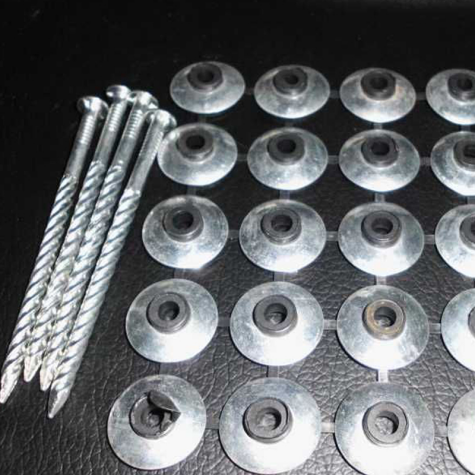
Selecting the Right Roofing Nails for Repair
- Material Matters: Stainless steel roofing nails are ideal for coastal or high-moisture areas, as their corrosion resistance prevents rust from compromising the roof’s integrity. In drier climates, galvanized roofing nails offer a cost-effective alternative, balancing durability and affordability. Wholesalers can note that Yajiada’s nails come in both materials, catering to diverse regional needs.
- Coil vs. Individual Nails: Coil roofing nails are designed for use with nail guns, speeding up large repair projects like re-shingling entire sections. Their coil design allows for continuous feeding, reducing downtime. Individual nails, on the other hand, are better for small, precise repairs (like replacing a few damaged shingles) where a hammer is more practical. This versatility ensures wholesalers can supply clients with tools for any job size.
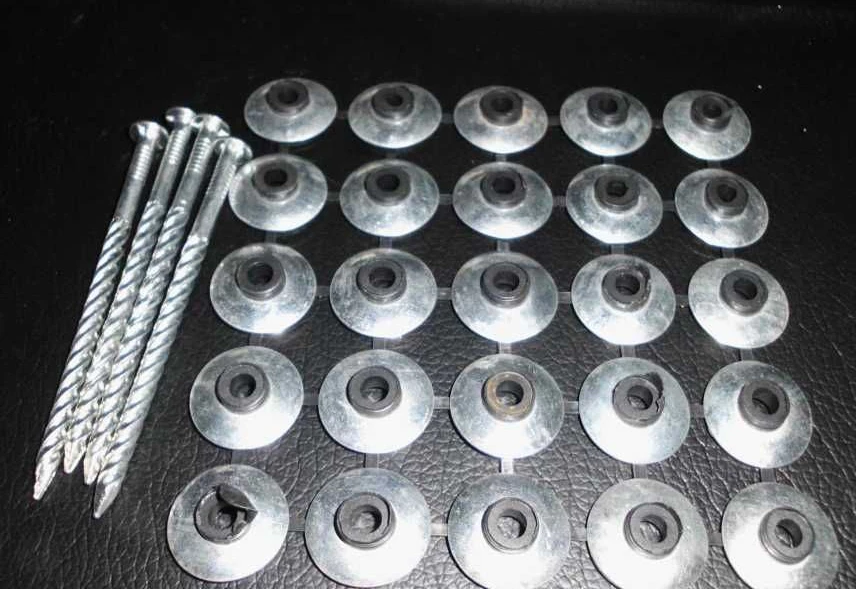
- Length and Shank Design: Roofing nails typically range from 1 to 2.5 inches, with longer lengths needed for thicker materials (like asphalt shingles over plywood). Ring-shank roofing nails provide extra grip, preventing loosening from wind or temperature fluctuations— a key feature for clients in storm-prone areas.
Step-by-Step Roof Repair with Coil Roofing Nails
- Remove Damaged Materials: Start by carefully prying up damaged shingles or flashing using a pry bar, taking care not to disturb surrounding undamaged areas. Discard old, rusted nails, as reusing them risks future leaks. For large sections, this is where coil roofing nails and a nail gun become invaluable, as they allow for efficient removal and replacement.
- Prepare the Underlayment: Inspect the roof deck and underlayment for water damage. Replace any rotted wood or torn underlayment to ensure a solid base. This step is crucial—even the best stainless steel roofing nails can’t seal a leak if the underlayment is compromised. Wholesalers should emphasize that proper preparation extends the life of the repair.
- Secure New Materials with Roofing Nails: Lay the new shingle or flashing in place, aligning it with the existing roof pattern. For shingles, drive roofing nails just above the adhesive strip, ensuring they penetrate the roof deck by at least ¾ inch. When using a nail gun with coil roofing nails, adjust the pressure to avoid over-driving, which can crack shingles.
- Seal the Nails: Apply roofing cement around nail heads to prevent water seepage, especially in low-slope roofs or areas prone to pooling water. This extra step enhances the repair’s weather resistance— a detail that adds value for clients focused on long-term protection.
Comparing Performance of Roofing Nails Types
|
Nail Type |
Best For |
Lifespan |
Installation Speed |
Wholesale Appeal |
|
Stainless Steel Roofing Nails |
Coastal areas, high humidity, salt exposure. |
20–30+ years |
Moderate (hammer use) |
High demand in harsh climates; premium pricing for better margins. |
|
Coil Roofing Nails |
Large repairs, asphalt shingle re-roofing. |
15–25 years |
Fast (nail gun use) |
Popular with contractors for efficiency; bulk orders drive sales. |
|
Standard Galvanized Roofing Nails |
General repairs, dry climates. |
10–20 years |
Moderate |
Affordable entry point; steady demand for routine maintenance. |
This table helps wholesalers match clients with the right roofing nails based on their project scope and environment.
Tips for Maximizing Repair Durability with Stainless Steel Roofing Nails
- Use the Right Nail Gun Settings: When using coil roofing nails with a nail gun, adjust the depth setting to ensure nails are driven flush with the shingle surface—neither too deep (which can damage the shingle) nor too shallow (which leaves the head exposed). This precision prevents leaks and extends the repair’s life.
- Space Nails Properly: For shingle repairs, space stainless steel roofing nails 6–8 inches apart along the edges and 12 inches apart in the field. This even distribution ensures the shingle is held securely without causing stress points that lead to cracking.
- Inspect for Hidden Damage: Before nailing, check for signs of rot or mold under damaged shingles. Addressing these issues first ensures the new roofing nails anchor into solid material, preventing future loosening. Wholesalers can recommend this thoroughness to clients to avoid callbacks.
Roofing Nails FAQS
Can Coil Roofing Nails Be Used for Small Repairs?
While coil roofing nails are designed for nail guns and large projects, they can be used for small repairs with a hammer, though it’s less efficient. Wholesalers should note that individual nails are often more practical for minor fixes, while coils remain the top choice for bulk work.
Are Stainless Steel Roofing Nails Worth the Extra Cost?
In coastal or humid areas, yes—stainless steel roofing nails resist rust that would quickly degrade galvanized nails, saving clients from costly re-repairs. For wholesalers, their higher price point also means better profit margins in regions with high demand.
How Do I Prevent Roofing Nails from Backing Out Over Time?
Using ring-shank roofing nails and ensuring they’re driven to the correct depth (flush with the shingle) minimizes backing out. Additionally, applying roofing cement over nail heads adds a barrier against moisture, which can cause nails to loosen.
What Length of Roofing Nails Is Best for Asphalt Shingles?
For standard asphalt shingles over plywood decking, 1.25–1.5-inch roofing nails are ideal—long enough to penetrate the deck by ¾ inch. Thicker shingles or multiple layers may require 1.75–2-inch nails, a range Yajiada supplies to meet varied needs.
Where Can Wholesalers Source Reliable Roofing Nails?
Shijiazhuang Yajiada Metal Products Co., Ltd offers high-quality roofing nails, coil roofing nails, and stainless steel roofing nails for all repair needs. Visit their website to explore their range and partner with a supplier committed to durable, weather-resistant roofing solutions.