Understanding 12 Gauge GI Wire: An Industrial and Global Overview
When you first hear "12 gauge GI wire," it might sound a bit technical or niche—but frankly, it's a product that quietly powers some of the most essential applications worldwide. From agricultural fencing to construction reinforcements, 12 gauge galvanized iron (GI) wire carries weight both literally and figuratively. Understanding this wire isn’t just for procurement specialists or engineers; it’s a doorway into how industries, infrastructure projects, and even humanitarian efforts keep things connected, contained, and secure.
Why 12 Gauge GI Wire Matters Globally
In real terms, industries worldwide rely on robust materials that can withstand harsh environments—enter galvanized iron wire, coated with zinc to prevent rust. According to the World Steel Association, galvanized steel consumption has consistently grown due to its versatility and longevity. The 12 gauge specifically, roughly 2.05 mm in diameter, balances strength and flexibility, making it a staple in many sectors.
The global construction and agriculture industries alone consume millions of tons annually, reflecting a fundamental demand for reliable wire products. Oddly enough, in humanitarian contexts—think post-disaster relief or refugee camps—simple materials like this wire help build fences, shelters, and partitions that uphold dignity and safety. Certified sourcing and quality therefore aren't just industrial concerns but social imperatives.
Defining 12 Gauge GI Wire
At its core, 12 gauge GI wire is galvanized iron wire of a specific thickness. “Gauge” is simply a measure of diameter, with 12 gauge denoting wire about 2.05 millimeters thick. The “GI” means the wire is zinc-coated iron, providing corrosion resistance to harsh elements—especially important in outdoor or industrial environments.
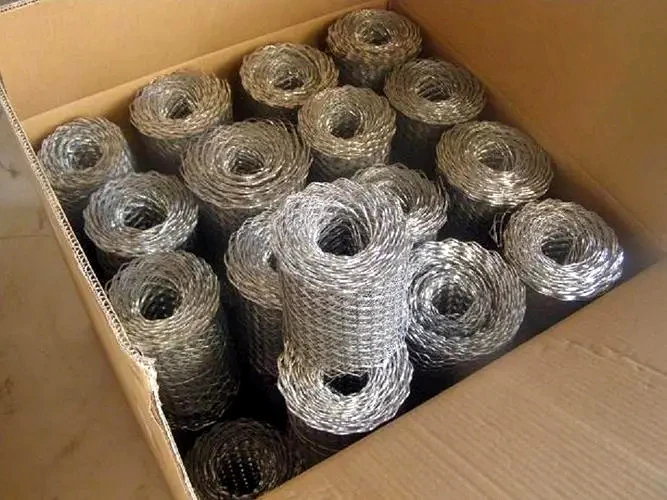
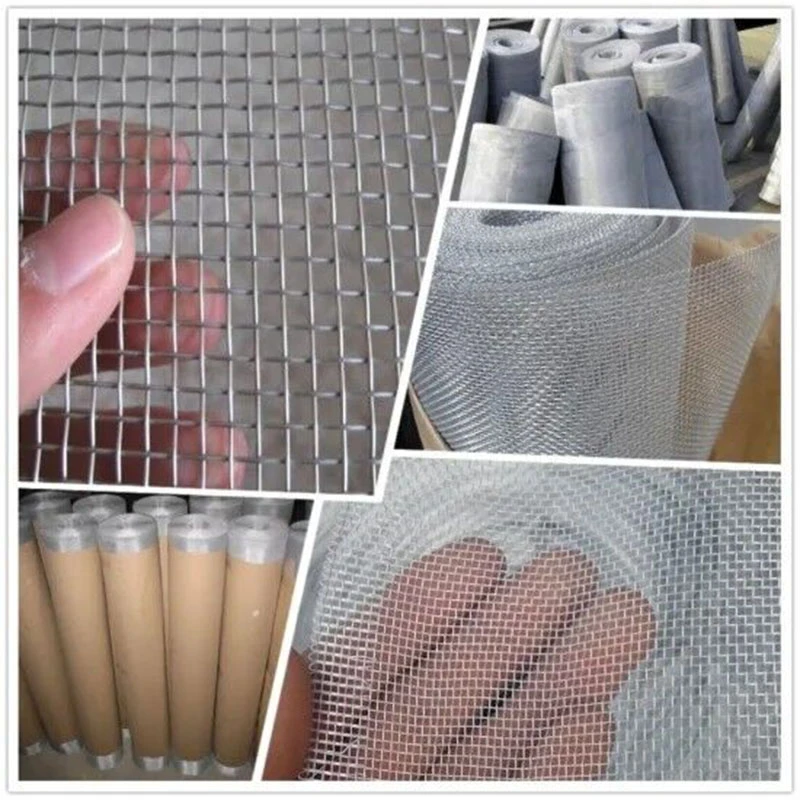
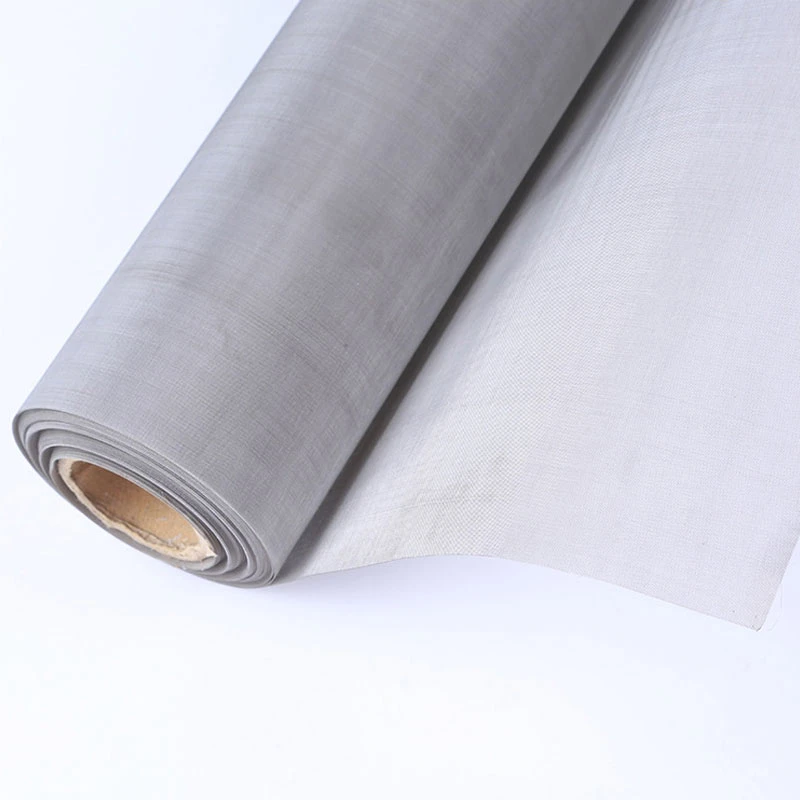
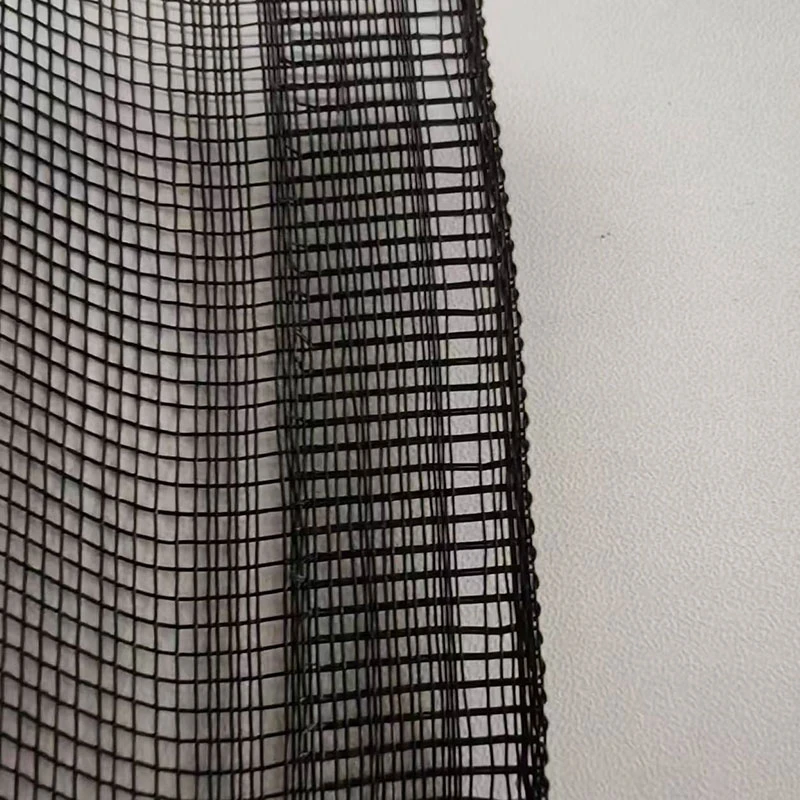
This wire is fundamental to wire mesh production, fencing, binding, and more. Its combination of durability and moderate thickness makes it highly practical, especially compared to thinner, less durable alternatives or much heavier wire that's harder to handle. It strikes a sweet spot that's widely acknowledged in ISO standards and industry best practices.
Core Components and Key Factors of 12 Gauge GI Wire
1. Durability
The zinc coating prevents rust and degradation, extending the wire’s service life by years—even decades under optimal conditions. Durability ensures reduced maintenance costs and less frequent replacement.
2. Tensile Strength
With a typical tensile strength range of 380-550 N/mm², this wire withstands significant pulling forces—important for fencing under tension or as binding wire in concrete.
3. Flexibility
Compared to thicker wire gauges, 12 gauge GI wire offers a degree of bendability without cracking, enabling easier installation and customization on site.
4. Corrosion Resistance
The galvanized coating serves as sacrificial anode, protecting the iron core from oxidation. This is key in humid, saline, or industrial environments.
5. Cost Efficiency
It costs less than stainless steel alternatives but still offers reliable performance, making it attractive for large-scale projects with budget constraints.
| Specification | Details |
|---|---|
| Material | Galvanized Iron (GI) |
| Diameter | Approximately 2.05 mm (12 gauge) |
| Zinc Coating Thickness | 40-60 g/m² |
| Tensile Strength | 380-550 N/mm² |
| Typical Applications | Fencing, binding, mesh, construction reinforcement |
Global Applications & Use Cases
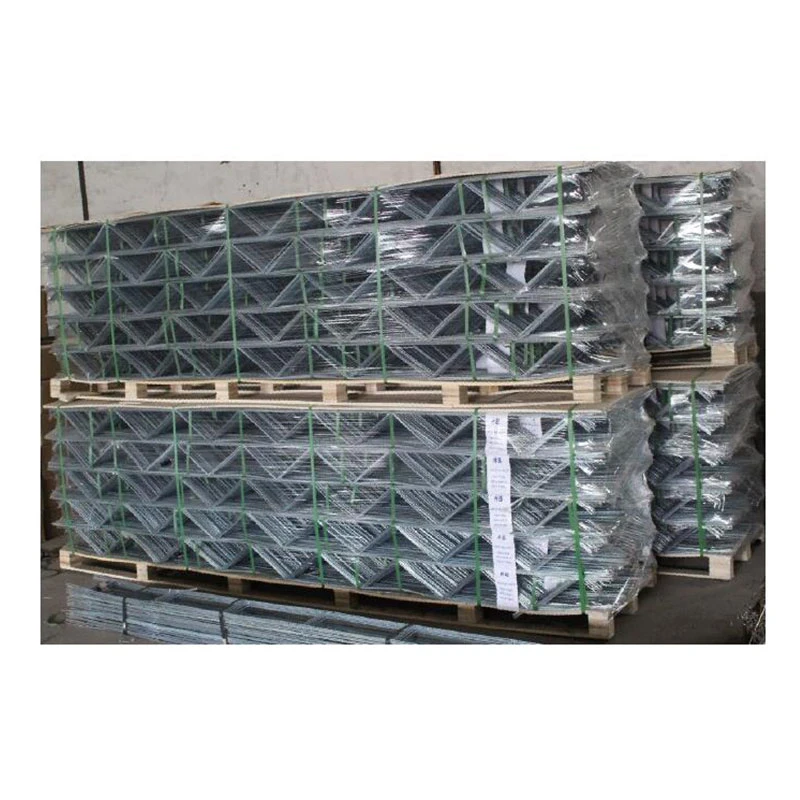
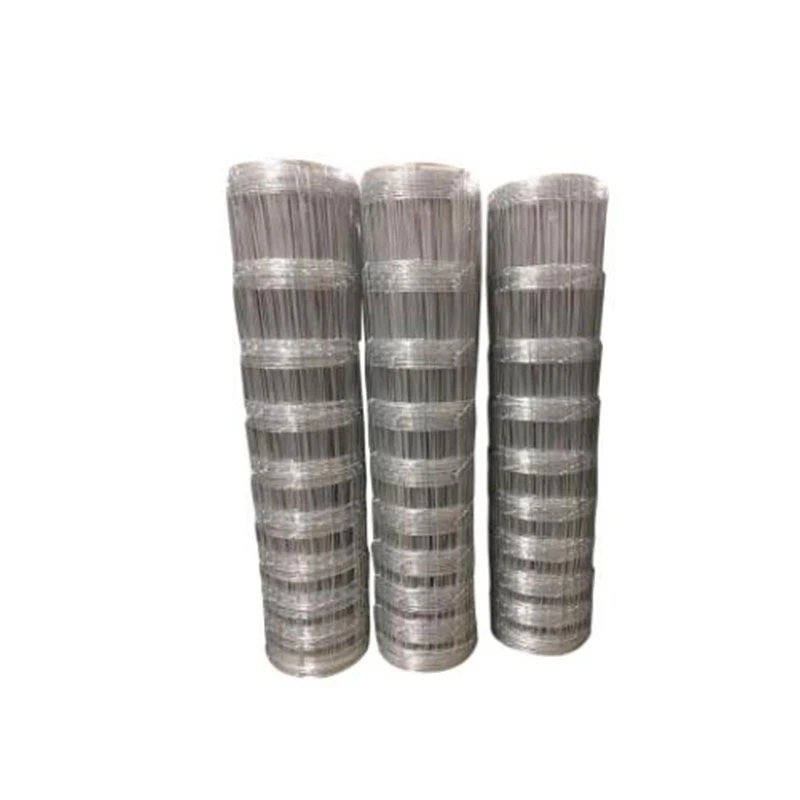
The reach of 12 gauge GI wire is surprisingly broad—and international. In the agricultural belts of the United States and Australia, it’s used for durable fencing that withstands not just livestock but weather extremes. In South Asia and Africa, 12 gauge gi wire plays a pivotal role in creating livestock enclosures for food security projects. EN-standard manufacturers export these wires globally to meet rising demand.
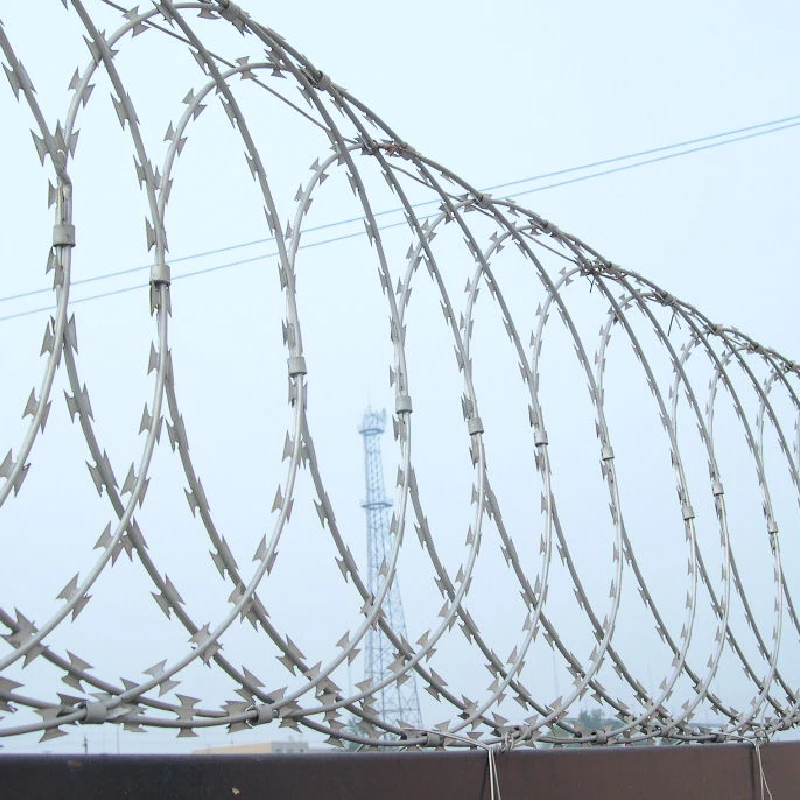
In humanitarian relief, NGOs use this wire to build erect fences quickly in refugee camps, enabling safety and privacy. Sometimes, it shapes the framework for temporary shelters after earthquakes or floods. Industrial zones use it within machinery guards or in scaffolding systems—areas where safety is non-negotiable.
Vendor Comparison for 12 Gauge GI Wire
| Vendor | Zinc Coating (g/m²) | Price per Kg (USD) | Lead Time | Export Experience |
|---|---|---|---|---|
| YJD Wire Mesh | 55 g/m² | 0.85 | 2 weeks | 10+ years |
| Global Wires Co. | 42 g/m² | 0.78 | 3 weeks | 5 years |
| SteelPro Pvt Ltd | 60 g/m² | 0.92 | 1.5 weeks | 8 years |
Advantages & Long-Term Value of 12 Gauge GI Wire
Using this wire offers several tangible advantages. Cost-wise, it provides a great balance between upfront investment and durability. Sustainability also plays a role—galvanized iron wire can often be recycled at end-of-life, reducing waste. Socially, the wire's role in building fences or partitions helps safeguard communities and livestock, contributing to stability and trust.
On an emotional level, knowing you’ve chosen a reliable, proven product means fewer unexpected failures, which frankly can be a real relief in fast-moving projects. The material’s adaptability also invites innovation: from creative agricultural designs to temporary boundary-making in crises, it’s a go-to resource.
Future Trends & Innovations
The future is trending towards greener production methods and enhanced coatings for GI wire. Research into lower-carbon galvanizing processes aims to reduce environmental impact without sacrificing protection. Additionally, some innovators are experimenting with hybrid wire coatings combining zinc with polymers for even better corrosion resistance.
Smart infrastructure may soon utilize sensor-embedded wires for condition monitoring, integrating traditional materials with Internet of Things (IoT) tech. Oddly enough, even something as basic as 12 gauge GI wire could become a component of digitized construction sites!
Challenges & Expert Solutions
Despite its many benefits, the wire can face challenges such as potential coating wear in extremely abrasive or chemically aggressive environments. Ensuring uniform zinc coating and proper storage is crucial to prevent premature corrosion. Some manufacturers now offer post-galvanizing quality checks and certifications to maintain standards.
Supply chain disruptions can affect availability, but partnering with experienced exporters—like YJD Wire Mesh—helps navigate these limitations with more reliable lead times and transparent communication.
FAQ: Frequently Asked Questions About 12 Gauge GI Wire
- Q: What makes 12 gauge GI wire a better choice than thinner wires for fencing?
A: The 12 gauge offers an ideal balance of thickness for strength and flexibility. Thinner wires can deform or break more easily under tension, whereas 12 gauge provides longer durability and better resistance to environmental wear. - Q: How long does galvanized iron wire typically last outdoors?
A: Depending on environmental conditions, properly galvanized wire can last 15–25 years or more. Coastal or industrial atmospheres may shorten this lifespan, but zinc coating significantly delays rusting. - Q: Can 12 gauge GI wire be used for concrete binding in construction?
A: Absolutely. Its tensile strength and corrosion resistance make it suitable for binding rebar and mesh during concrete pours, ensuring structural integrity over time. - Q: Is galvanized wire recyclable?
A: Yes. Both the iron core and zinc coating can be recycled, making GI wire a more sustainable choice compared to non-recyclable materials. - Q: How do NGOs procure 12 gauge GI wire internationally?
A: Many NGOs partner with experienced vendors who handle export logistics and quality assurance. Companies like YJD Wire Mesh offer tailored international shipping and certification support for transparent sourcing.
Conclusion: The Long-Term Benefits of 12 Gauge GI Wire
Exploring the world of 12 gauge GI wire reminded me how such a seemingly simple product supports complex global needs—from farming to emergency shelter construction. Its strength, flexibility, and resilience are why it remains so indispensable. Whether you’re an industrial buyer or a humanitarian coordinator, investing in quality galvanized iron wire can save time, money, and headache down the line.
If you’re interested in sourcing premium 12 gauge GI wire, do check out YJD Wire Mesh for trusted products backed by experience.
Mini takeaway: 12 gauge GI wire isn’t just a product—it’s a staple that quietly upholds safety, sustainability, and innovation across industries worldwide.
References: