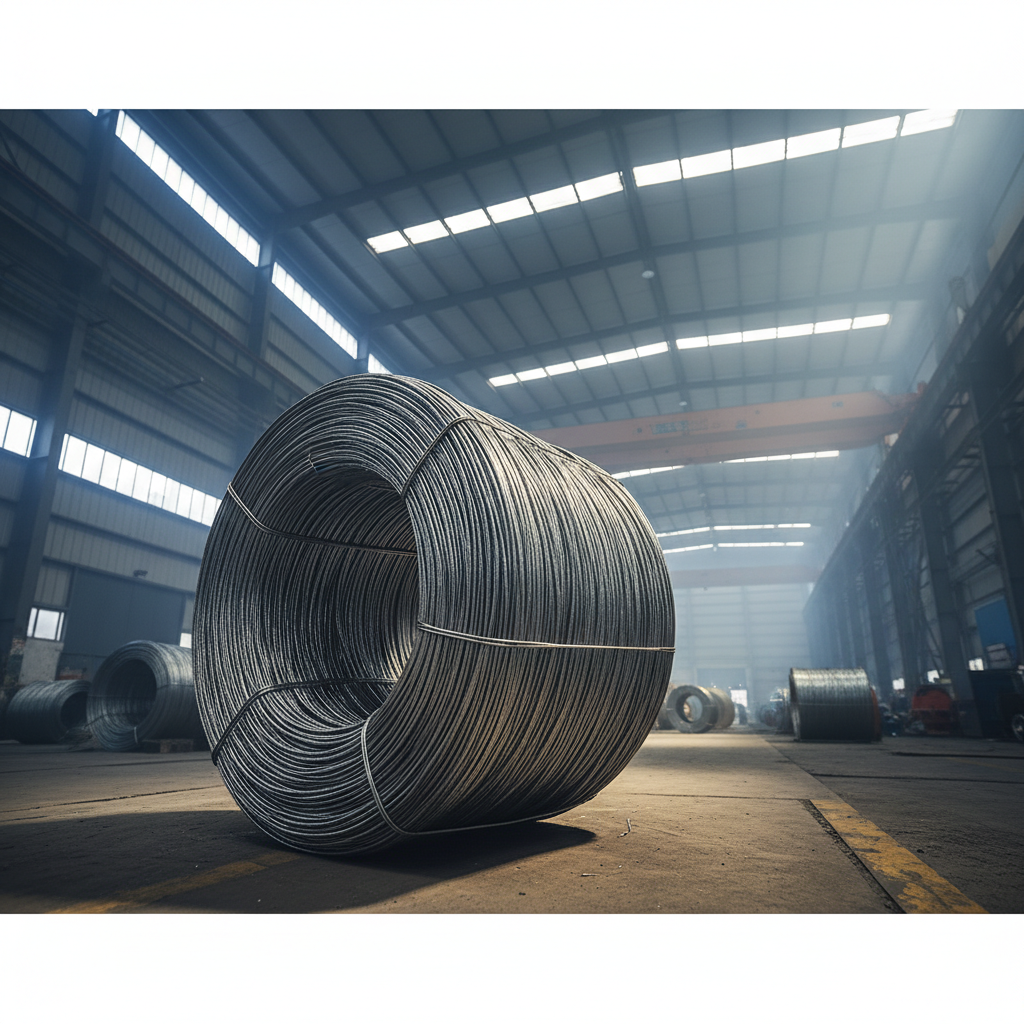
Iron binding wire, often overlooked, is a fundamental component in countless industries globally, from construction and agriculture to packaging and disaster relief. Its simple yet robust nature provides essential support, security, and connection in a vast array of applications. Understanding its properties, uses, and future trends is vital for professionals and organizations across diverse sectors seeking efficient, reliable, and cost-effective solutions.
The global demand for iron binding wire is substantial and continuously evolving, influenced by factors such as infrastructure development in emerging economies, increasing agricultural output, and the growing need for secure packaging solutions. According to market research reports, the wire industry is expected to witness steady growth in the coming years, driven by innovations in materials and manufacturing processes. Recognizing the role of this seemingly simple material is crucial for addressing present and future global challenges.
The significance of iron binding wire extends beyond mere industrial application. It plays a vital role in humanitarian efforts, such as constructing temporary shelters after natural disasters and securing supplies for affected populations. Its affordability and ease of use make it an ideal choice for rapid deployment in crisis situations, contributing to immediate relief and long-term recovery.
Introduction to Iron Binding Wire
Iron binding wire, at its core, is a versatile fastening solution crucial across numerous sectors. Its primary function revolves around securely connecting materials, providing structural integrity, and ensuring reliable performance in diverse applications. From reinforcing concrete in construction to bundling agricultural products, the simplicity and effectiveness of iron binding wire make it an indispensable material.
The demand for high-quality iron binding wire is consistently high, driven by the continuous need for robust and cost-effective fastening solutions. Manufacturers are continually striving to improve the wire's tensile strength, corrosion resistance, and ease of use, adapting it to meet the evolving requirements of modern industries. This constant refinement ensures its continued relevance in a rapidly changing world.
Global Relevance of Iron Binding Wire
Iron binding wire’s global relevance stems from its essential role in fundamental industries. Construction, agriculture, and manufacturing, all cornerstones of the global economy, heavily rely on this material. The United Nations reports that infrastructure development in developing nations requires vast amounts of binding wire for reinforcing concrete and securing building components. This makes iron binding wire a critical component in improving living standards and economic growth worldwide.
The World Bank highlights the importance of efficient agricultural practices for food security, where iron binding wire is utilized for bundling crops, securing irrigation systems, and constructing agricultural structures. Furthermore, the ISO standards governing material quality ensure the consistent performance and safety of binding wire used in critical applications. These international standards contribute to global trade and quality control.
A significant challenge lies in balancing the increasing demand for iron binding wire with sustainable manufacturing practices. Rising raw material costs and environmental concerns necessitate a shift toward more eco-friendly production methods and responsible sourcing of iron ore. Addressing these challenges is paramount to ensuring the long-term viability of the industry and its continued contribution to global development.
Defining Iron Binding Wire
Iron binding wire is a relatively simple yet highly functional product. It’s typically manufactured from low-carbon steel, offering a balance of strength, ductility, and affordability. The wire is processed through drawing, annealing, and galvanizing (or other coating processes) to enhance its properties and provide corrosion resistance. Its primary purpose is to physically bind materials together, providing stability and support.
The connection to modern industry is undeniable. In construction, it reinforces concrete structures, tying rebar together to create robust foundations and frameworks. In agriculture, it secures crops for harvest and supports plant growth. Beyond these, it’s integral in packaging, fencing, and countless other applications. Its adaptability ensures its continued relevance in the face of technological advancements.
Importantly, iron binding wire also plays a humanitarian role. Its low cost and ease of use make it a vital resource for rapid deployment in disaster relief scenarios. Building temporary shelters, securing medical supplies, and creating makeshift infrastructure all benefit from the accessibility of this crucial material, directly impacting the welfare of communities in need.
Core Components of Iron Binding Wire
The effectiveness of iron binding wire is rooted in several key factors. Firstly, tensile strength determines the amount of stress the wire can withstand before breaking, crucial for applications demanding high structural integrity. Secondly, ductility, or the wire’s ability to deform without fracturing, allows for easy bending and tying without snapping.
Corrosion resistance is another vital component, protecting the wire from rust and degradation, particularly in outdoor or harsh environments. This is often achieved through galvanization or coating with other protective materials. Finally, uniformity of diameter ensures consistent performance and reliable binding, preventing weak points and failures. These qualities are intrinsically linked to the manufacturing process and material composition.
Iron Binding Wire Performance Metrics
Applications Across Industries
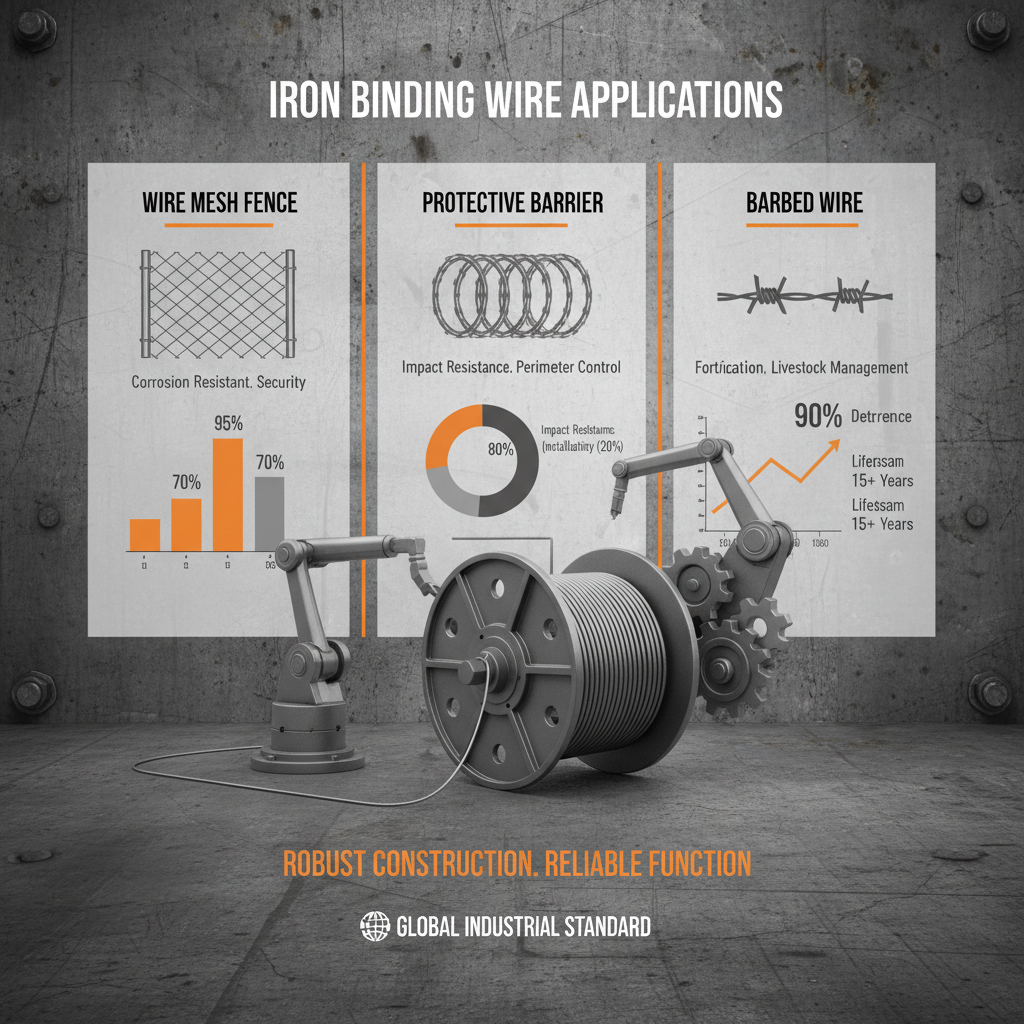
The applications of iron binding wire are remarkably diverse. In construction, it's used extensively for tying rebar in concrete structures, securing formwork, and installing mesh reinforcement. Agriculture utilizes it for bundling crops like hay and straw, supporting plants with trellises, and repairing fencing. The packaging industry relies on it for securing boxes, crates, and pallets during shipping and storage.
In post-disaster relief operations, iron binding wire is invaluable for constructing temporary shelters, securing tarpaulins, and creating barriers. In remote industrial zones, it's a practical solution for securing materials and equipment where more sophisticated fastening systems are unavailable. These examples demonstrate the adaptability and widespread utility of this seemingly simple material.
The Value Proposition of Iron Binding Wire
The advantages of using iron binding wire are multifaceted. Firstly, it offers exceptional cost-efficiency, being significantly more affordable than many alternative fastening solutions. This makes it accessible to a wide range of users, including small-scale farmers and organizations with limited budgets. Secondly, it promotes sustainability through recyclability, reducing waste and minimizing environmental impact.
Beyond the tangible benefits, iron binding wire also offers a degree of reliability and safety. Its robust construction ensures secure connections, minimizing the risk of structural failures. This is particularly critical in construction and disaster relief scenarios where lives may depend on the integrity of the fastening system. Ultimately, it delivers a blend of practicality, affordability, and peace of mind.
The consistent availability of iron binding wire also fosters trust within supply chains, enabling projects to stay on schedule and within budget. This reliability extends to its ease of use, requiring minimal specialized skills or equipment for effective implementation, further solidifying its position as a cornerstone material.
Future Trends and Challenges
The future of iron binding wire is being shaped by several key trends. Increasing demand for sustainable materials is driving research into bio-based coatings and alternative production methods that reduce carbon emissions. Digital transformation is enabling more precise manufacturing processes, improving wire quality and consistency. Automation in packaging and construction is also influencing the demand for specialized wire products tailored to automated systems.
One significant challenge is maintaining cost-competitiveness while adopting more sustainable practices. The rising cost of raw materials and energy puts pressure on manufacturers to innovate and find ways to reduce production costs without compromising quality. Additionally, adapting to evolving industry standards and regulations requires continuous investment in research and development.
The integration of smart technologies, such as sensors embedded within the wire to monitor stress levels and predict potential failures, represents another exciting avenue for innovation. This proactive approach to maintenance and safety could revolutionize industries reliant on iron binding wire, enhancing efficiency and minimizing risks.
FAQS
Standard iron binding wire generally exhibits a tensile strength ranging from 300 to 400 MPa (Megapascals). This strength is sufficient for most common binding applications in construction, agriculture, and packaging. However, higher-strength variations are available for specialized uses, reaching tensile strengths of up to 500 MPa. Understanding the specific tensile requirements of your application is crucial for selecting the appropriate wire gauge and type.
Corrosion is a common concern with iron binding wire, especially in outdoor or humid environments. Several protective measures can be taken, including galvanization (coating with zinc), applying a polymer coating, or using stainless steel wire as an alternative. Regularly inspecting the wire for signs of rust and replacing corroded sections is also recommended. Proper storage in a dry, sheltered location can significantly extend the wire’s lifespan.
The optimal wire gauge for securing rebar depends on the size and spacing of the rebar. Commonly used gauges range from 16 to 20 gauge. Larger rebar sizes and wider spacing typically require heavier gauge wire for adequate support. It’s essential to consult local building codes and engineering specifications to ensure compliance and structural integrity. Using the correct gauge will prevent slippage and ensure a secure, robust concrete structure.
Yes, iron binding wire is highly recyclable. Steel is one of the most recycled materials globally, and iron binding wire can be readily processed and reused in various applications. Recycling reduces the demand for virgin iron ore, conserves natural resources, and minimizes environmental impact. Scrap metal dealers typically accept iron binding wire for recycling, contributing to a circular economy.
Working with iron binding wire can pose safety hazards. Always wear gloves to protect your hands from sharp edges and potential cuts. Use wire cutters or pliers specifically designed for cutting wire, and avoid using methods that could cause the wire to snap unexpectedly. Wear safety glasses to protect your eyes from flying wire fragments. Be mindful of your surroundings and ensure that no one is within range of the wire when cutting or twisting it.
While standard iron binding wire is susceptible to corrosion in marine environments, specialized corrosion-resistant options are available. Stainless steel binding wire is highly recommended for marine applications due to its superior resistance to saltwater and harsh conditions. Alternatively, galvanized wire with a thick coating can provide adequate protection for less demanding marine uses. Regular inspection and maintenance are crucial to prevent corrosion and ensure long-term durability.
Conclusion
In conclusion, iron binding wire remains a fundamental material in a diverse range of industries, providing a cost-effective, reliable, and versatile fastening solution. Its adaptability to various applications, from construction and agriculture to disaster relief and packaging, underscores its continued relevance in the modern world. Understanding its properties, applications, and future trends is essential for professionals seeking efficient and sustainable solutions.
Looking ahead, innovations in materials science and manufacturing processes will further enhance the performance and sustainability of iron binding wire. Embracing eco-friendly production methods, exploring bio-based coatings, and integrating smart technologies will be crucial for meeting the evolving demands of a global market. For more information on high-quality iron binding wire and related products, visit our website: www.yjdwiremesh.com.