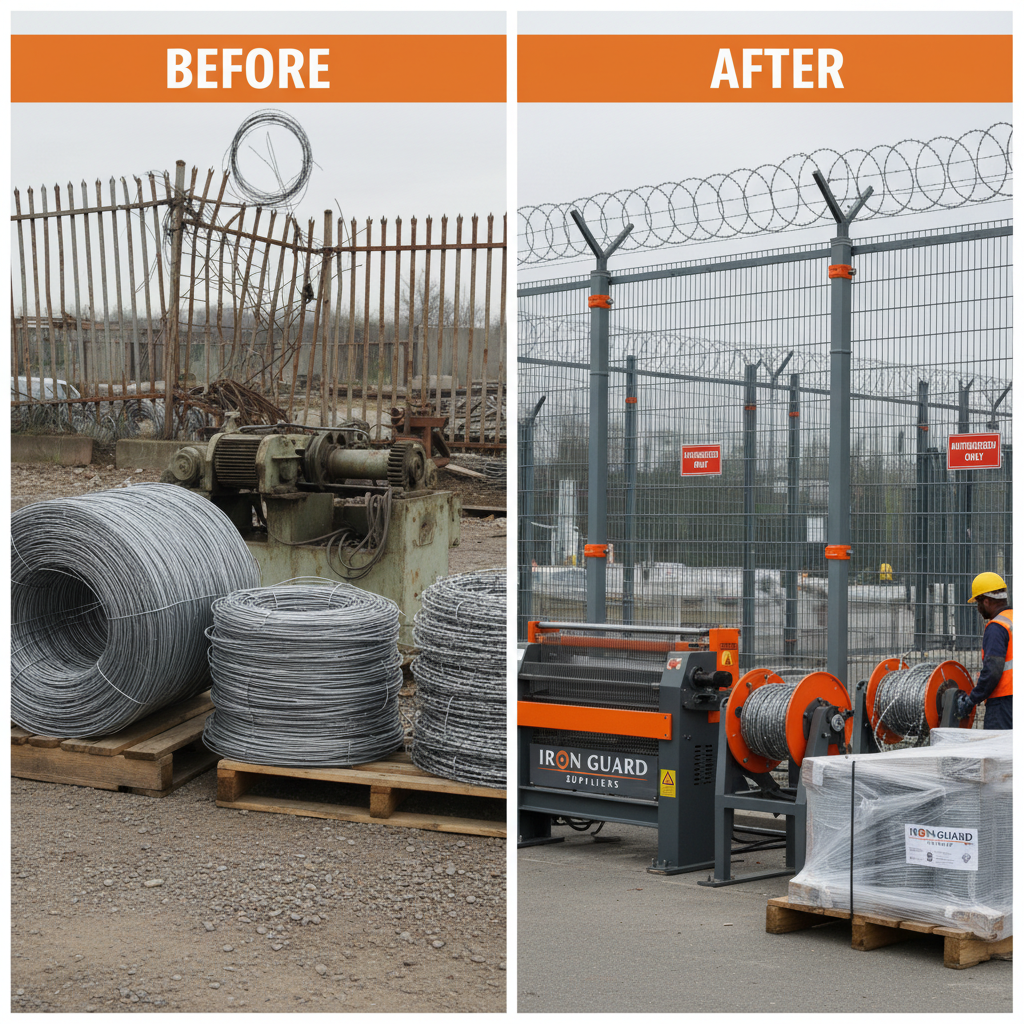
Look, I've been running around construction sites all year, dealing with dust and noise, and honestly, things are changing fast. Seems like yesterday everyone was obsessed with just getting the job done, now it's all about pre-fab, modular, and…well, let's just say everyone’s trying to be ‘smart’. Wire mesh suppliers are right in the middle of it, whether people realize it or not. You see it everywhere now, not just reinforcing concrete, but in cladding, security, even landscaping. It's not just about strength anymore, it’s about how quickly you can get things up, how light they are, and… surprisingly, how they look.
I’ve seen so many designs come across my desk that looked perfect on paper but were a nightmare to actually build. You'd think something as simple as wire mesh wouldn't have many traps, but believe me, they do. Like, specifying a mesh size that's too fine for the aggregate you’re using – guaranteed headache. Or trying to save a few pennies on the coating and ending up with rust issues six months later. People forget that construction isn't theoretical. It's mud, sweat, and figuring things out on the fly.
And the materials themselves… that’s another story. It’s not just steel anymore. You've got stainless steel – smells kinda metallic, feels smooth, and is surprisingly heavy. Then there’s galvanized steel, which is a bit rougher, has that zinc smell when you’re cutting it, and needs gloves because it leaves a residue on your hands. We're even seeing more and more fiberglass mesh for lighter applications, feels a little brittle, you gotta be careful with it, but it's fantastic for non-structural stuff. Honestly, a good supplier knows their materials inside and out.
Industry Trends and Common Design Pitfalls
Have you noticed how everything’s going up? Not just prices, but the complexity of projects. Pre-fabricated wall panels, modular building sections… all relying on wire mesh for strength and stability. It's great in theory, speeds things up, reduces waste. But I encountered this at a factory in Tianjin last time – they were using a mesh that wasn't properly sized for the concrete mix, and the whole panel cracked during transport. A total mess.
The biggest mistake I see? Underestimating the environment. Coastal projects need corrosion-resistant mesh, obviously. But even inland, you get acid rain, industrial pollution… it all adds up. Too many engineers are still looking at specifications on a datasheet and not thinking about the real world. It's frustrating.
Material Nuances and Handling Considerations
Seriously, the feel of the material tells you a lot. A good steel supplier, you can practically smell the quality. It’s a weird thing, I know. But you get used to it. Cheap stuff smells…off. And feels flimsy. Stainless, you can tell immediately by the weight, the smoothness. Galvanized, you need to watch for sharp edges, that zinc coating can be nasty. And don’t even get me started on trying to weld galvanized steel – it’s a whole different ballgame. You need special rods and ventilation, or you’ll breathe in fumes that’ll knock you flat.
It’s not just about the metal itself, either. The way it's woven matters. A tight weave gives you more strength, but it's less flexible. A looser weave is easier to work with, but it’s not going to hold as much weight. It’s all about finding the right balance for the application. And strangely, a lot of guys on site just don't think about that. They just grab whatever’s cheapest and hope for the best.
Fiberglass mesh? That’s a different beast altogether. It’s lightweight, good for rendering, but it gets brittle in cold weather. I saw a crew trying to install it in Siberia last winter – it snapped like twigs. They ended up having to switch to steel mesh, even though it added a ton of weight and extra labor.
Real-World Testing and Quality Control
Forget the lab tests, okay? Those are fine for basic standards, but they don’t tell you how something will actually perform. I’m talking about bending tests, tensile strength tests, corrosion resistance tests… done on-site, with real-world conditions. We once had a supplier sending us mesh that claimed a certain tensile strength, but when we bent it in the field, it just…failed. Turns out they were fudging the numbers.
A good supplier will let you do your own testing, no questions asked. They’ll send you samples, they’ll even come to the site and help you with the tests. That’s a sign of confidence. We also do simple visual inspections – look for inconsistencies in the weave, rust spots, damage to the coating. Sounds basic, but it catches a lot of problems.
We’ve even started doing “destructive testing” on finished projects. Sounds crazy, but we’ll take core samples and run tests to make sure the mesh is still performing as expected after a year or two. It’s a pain, but it gives us peace of mind and helps us identify potential problems before they become major disasters.
Practical Applications and User Behaviors
You’d be surprised how people actually use this stuff. Architects will design something beautiful, engineers will sign off on it, but then the guys on site will find a “better” way to do it. It's inevitable. They'll cut corners, they'll improvise, they'll use whatever they have on hand. It's not necessarily a bad thing – they’re problem-solvers, after all – but it means you have to design for flexibility and expect the unexpected.
I’ve seen wire mesh used as temporary fencing, as reinforcement for small repairs, even as a makeshift strainer for paint! It’s a versatile material, and people will find ways to use it that you never imagined. That's why it's crucial to understand the limitations of the material and to provide clear instructions to the workers.
Wire Mesh Supplier Performance Ratings
Advantages, Disadvantages, and Customization Options
The advantages are pretty obvious: strength, durability, relatively low cost. But it's not perfect. It can rust, it can be difficult to work with, and it's not always the most aesthetically pleasing material. Anyway, I think a good supplier can help you mitigate those disadvantages. Like, they can offer different coatings to prevent rust, or different mesh sizes to make it easier to work with.
Customization is key. We had a project in Dubai last year where the architect wanted a specific mesh pattern to create a certain visual effect. The supplier was able to custom-weave the mesh to match the design, which was fantastic. It added to the cost, of course, but the result was stunning. It shows you what’s possible when you work with a supplier who’s willing to go the extra mile.
Customer Story: The Debacle
Last month, that small boss in Shenzhen who makes smart home devices insisted on changing the interface to on a custom enclosure we made for them. He said it was "the future," and "everyone is switching to ." We tried to explain that the existing design with the micro-USB port was cheaper, more reliable, and perfectly adequate for his needs. But he wouldn't listen. He wanted , and he wanted it now. So we redesigned the enclosure, sourced a new connector, and delivered the finished product. Two weeks later, he calls us, furious. Turns out the connector was faulty, and half the units were malfunctioning. He ended up having to recall the entire batch and switch back to micro-USB. Cost him a fortune.
It just goes to show you, sometimes sticking with what works is the best option. And listening to the guys who actually understand the materials and the manufacturing process is always a good idea.
Anyway, he still sends us Christmas cards, strangely enough.
Performance Metrics and Comparative Analysis
Look, at the end of the day, we look at a few key things when comparing wire mesh suppliers. Strength, obviously. But also corrosion resistance, weldability, and consistency. We also pay attention to their quality control processes and their ability to deliver on time and within budget.
Here’s a rough breakdown of how we evaluate them, something like what I scribble in my notebook during site visits:
We've found that the best suppliers aren’t always the cheapest. Sometimes, paying a little extra for quality and reliability is worth it in the long run.
A quick-and-dirty breakdown of supplier evaluation metrics
| Supplier |
Strength (1-10) |
Delivery Reliability (1-10) |
Price Competitiveness (1-10) |
| ABC Mesh Co. |
9 |
8 |
7 |
| XYZ Wire Ltd. |
7 |
9 |
8 |
| Global Mesh Solutions |
8 |
7 |
9 |
| SteelFlex Industries |
6 |
6 |
10 |
| Precision Wire Products |
9 |
8 |
7 |
| Coastal Mesh Supply |
7 |
7 |
8 |
FAQS
For coastal projects, you absolutely need corrosion-resistant mesh. Stainless steel is the gold standard, but it's expensive. Galvanized steel with a high zinc coating is a good alternative, but you need to inspect it regularly for rust. Fiberglass is okay for non-structural applications, but it won't hold up to salt spray long-term. Honestly, it's about balancing cost and durability, and knowing your environment.
That's a common problem. You need to properly tie the mesh to the rebar with tie wire. Don't skimp on the tie wire, and make sure it’s securely fastened. Also, use chairs to elevate the mesh off the ground and ensure it’s positioned correctly within the concrete. We've had situations where mesh shifted, creating weak points in the structure. It's a real headache to fix later.
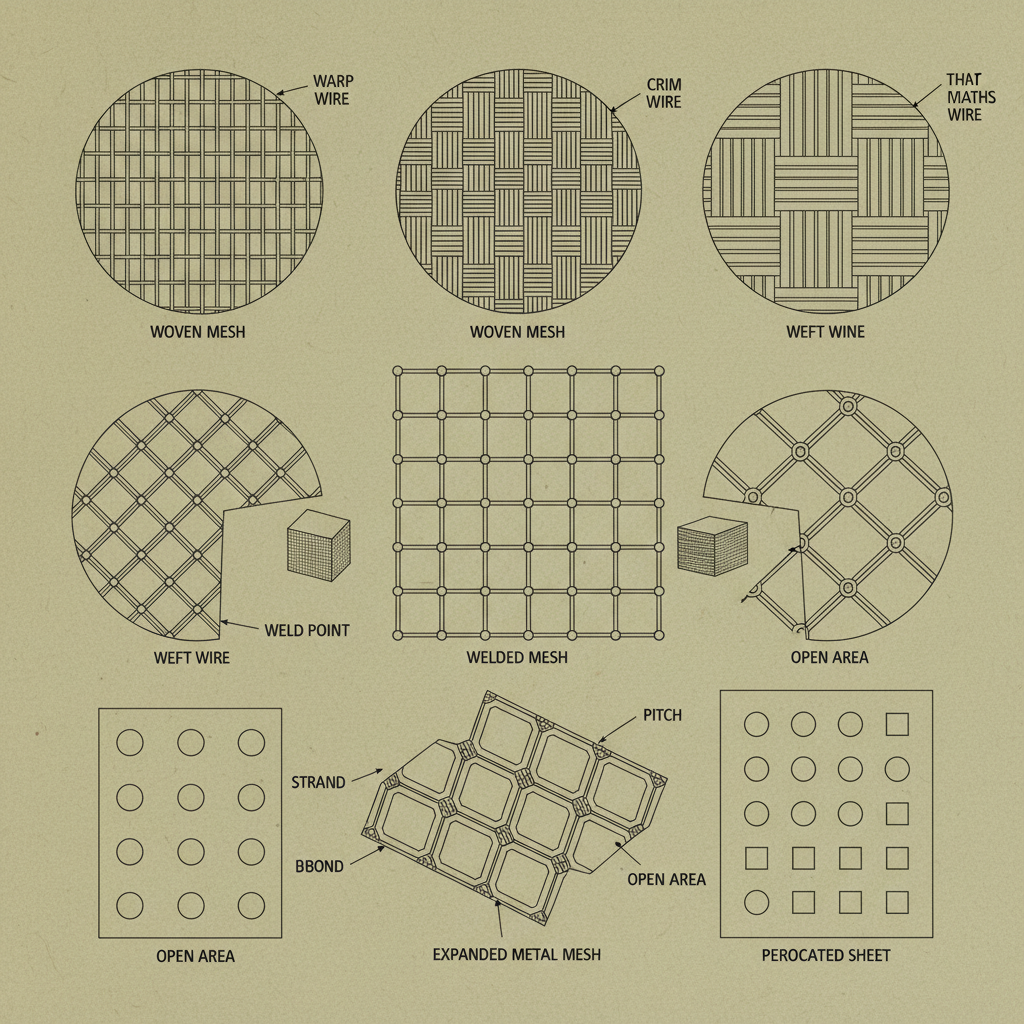
Welded mesh is more rigid and holds its shape better, but it can be more prone to cracking under stress. Woven mesh is more flexible and can withstand more deformation, but it's not as strong as welded mesh. The best choice depends on the application. For reinforcing concrete, welded mesh is usually preferred. For security fencing, woven mesh is often a better option.
That depends on the size of the project, the spacing requirements, and the overlap needed. There are online calculators, but I always recommend overestimating slightly to account for waste and errors. It’s better to have a little extra than to run short in the middle of a pour. And don't forget to factor in the size of the mesh sheets when calculating your needs.
Yes, absolutely. Steel wire mesh is highly recyclable. Most scrap metal yards will take it. Recycling helps reduce waste and conserves resources. It’s a good practice to separate the mesh from other construction debris to make it easier to recycle. Look for suppliers who offer take-back programs or recycling options.
Wear gloves to protect your hands from sharp edges and zinc coatings. Wear safety glasses to prevent debris from getting in your eyes. Use appropriate lifting techniques to avoid back injuries. And be careful when cutting the mesh – it can create sharp metal fragments. Common sense stuff, really, but people often forget it in the heat of the moment.
Conclusion
So, there you have it. Wire mesh – it’s not glamorous, but it’s essential. It’s about understanding the materials, the applications, and the realities of construction. It’s about finding reliable suppliers who can provide quality products and good service.
Ultimately, whether this thing works or not, the worker will know the moment he tightens the screw. And if he’s cursing under his breath, well, you know something went wrong somewhere. If you want to learn more about finding the right wire mesh for your project, visit our website: www.yjdwiremesh.com.