Understanding Galvanized Iron Wire Manufacturers: Why They Matter Globally
Galvanized iron wire manufacturers play a surprisingly crucial role in modern infrastructure and industry worldwide. At first glance, the phrase might sound a bit technical or niche. But when you scratch the surface, galvanized iron wires stretch far beyond fencing farms; they’re the backbone of construction, agriculture, disaster relief, and even health sectors globally. Understanding who these manufacturers are and what they do not only helps industries choose the best materials but also shapes supply chains that affect billions.
In a world increasingly focused on resiliency, sustainability, and smart use of resources, knowing about galvanized iron wire production unlocks insights into durability, cost-efficiency, and environmental responsibility. Plus, the whole concept ties into larger themes of global trade, innovation, and humanitarian efforts — which is why our little deep dive is worth your time.
The Global Pulse: Why Galvanized Iron Wire Manufacturers Are More Important Than You Think
According to data from the United Nations Industrial Development Organization (UNIDO), the global galvanized wire market has shown steady growth, largely due to rising infrastructure needs in Asia, Africa, and Latin America. Roughly 30% of all wire produced worldwide is galvanized for protection against corrosion—a key factor in regions facing harsh climates.
Yet there’s a wrinkle. Many regions lack reliable, local manufacturers, depending heavily on imports, which drags up costs and lead times. This gap affects everything from fencing livestock in rural communities to reinforcing concrete in urban projects. For developing countries, galvanized iron wire manufacturers aren’t just suppliers — they’re enablers of progress.
Mini takeaway: Global industrial growth and environmental challenges spotlight galvanized iron wire manufacturers as critical agents enabling durable and affordable infrastructure worldwide.
What Exactly Are Galvanized Iron Wire Manufacturers?
Simply put, a galvanized iron wire manufacturer produces iron wires coated with a thin layer of zinc. This galvanization shields the iron from rust and corrosion. You can think of it as giving sturdy iron a tough skin to survive the elements—rain, wind, and even salt air.
Industry-wise, the connection is straightforward. Every galvanized iron wire manufacturer supplies raw or semi-finished wire used in fencing, construction mesh, cable armoring, agriculture, and more. But beyond business, they indirectly impact food security, housing, and disaster resilience by providing materials that last longer and require less maintenance.
Core Components That Define Quality and Use
Durability
Durability is the star here. The zinc coating prevents rust, meaning wires can last decades, even in humid or coastal environments. Without it, iron wires would corrode quickly, compromising safety and functionality.
Scalability
Good manufacturers manage to scale production efficiently. This means meeting huge orders for infrastructure projects or small batches for specialized uses — a versatility that keeps supply consistent worldwide.
Cost Efficiency
Galvanized iron wire balances affordability and performance. Well-chosen coating thickness and production techniques ensure wires are not overpriced yet robust enough for demanding conditions.
Customization Options
From varying wire gauges to coating thickness and tensile strengths, the best manufacturers offer custom specs, tailoring products to exact project needs, whether for tight agricultural fencing or reinforced wire mesh panels.
Environmental Compliance
With today’s sustainability push, many galvanized iron wire manufacturers adhere to ISO environmental management standards to reduce waste and emissions during production — something clients increasingly require.
Quality Control & Testing
Reliable manufacturers employ rigorous testing — from zinc coating thickness measured by magnetic gauges to tensile strength analysis — ensuring uniform product quality that engineers and installers can trust.
Mini takeaway: A combination of durability, scale, cost, and quality control defines top galvanized iron wire manufacturers and their product offerings.
Where Does Galvanized Iron Wire Get Used? The Wide-Ranging Applications
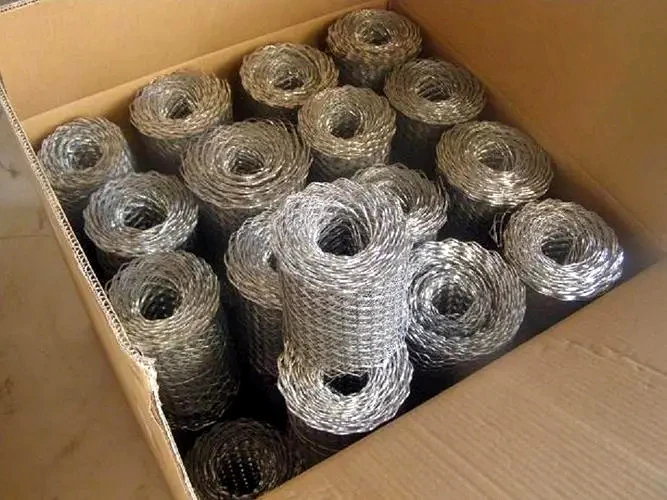
Here’s a fun bit: these wires are everywhere. In Australia and New Zealand, sheep farms rely heavily on galvanized wire fencing. In Southeast Asia, construction mesh made from galvanized wire reinforces concrete in booming urban expansions. Post-disaster zones, like parts of Southeast Asia after typhoons, see NGOs use galvanized wire nets and cages for rebuilding safe shelters.
Industrial zones in the Middle East and Africa use galvanized iron wire in cable armoring—protecting critical power and communication lines from damage. Even household-level uses, like garden fencing or DIY crafts, benefit.
In humanitarian contexts, the reliability and longevity of galvanized wire means fewer replacements, lower costs, and safer environments for vulnerable populations. It’s a bit amazing how a simple wire can help build dignity.
Advantages and the Long-Term Value of Investing in Quality Galvanized Wire
- Cost Savings Over Time: Thanks to corrosion resistance, galvanized wires reduce the frequency and expense of repair or replacement.
- Sustainability: Longer-lasting products mean fewer resources consumed over time—aligned with circular economy goals.
- Enhanced Safety and Reliability: Structural applications benefit from wires that withstand environmental stress without failure.
- Social Impact: By enabling farmers, builders, and aid workers to rely on consistent materials, galvanized iron wire manufacturers contribute to community stability.
Emotionally, choosing quality galvanized wire often translates to trust — trust that fences won’t fail, that buildings won’t crumble prematurely, that lives and livelihoods are protected.
Looking Ahead: Innovations and Trends in Galvanized Iron Wire Manufacturing
Innovation isn’t often the first thing people think of with iron wire... yet, here we are. Automation in wire drawing processes improves consistency and reduces costs. Some manufacturers are experimenting with advanced zinc–aluminum alloy coatings to enhance corrosion resistance.
Environmental policies are pushing for greener production methods, such as recycling scrap steel and using renewable energy in plants. Digital technologies like IoT sensors are starting to track supply chain conditions, ensuring product quality from factory to site.
The rise of green infrastructure projects also signals growing demand for wires that harmonize high performance with low ecological impact. So, the future does look promising.
Challenges and Practical Solutions in the Industry
Of course, every story has hurdles. Common challenges include supply chain disruptions, fluctuating raw material costs (iron and zinc), and regional capability gaps in quality assurance.
Manufacturers are increasingly adopting just-in-time logistics and strategic inventory management to mitigate delays. Vertical integration—where zinc galvanizing happens in-house—helps control quality and pricing.
Training and certification programs also improve workforce skills, ensuring that even smaller facilities maintain high standards.
FAQ: Your Most Common Questions About Galvanized Iron Wire Manufacturers
- Q: How long does galvanized iron wire typically last in outdoor use?
- A: With proper coating thickness and maintenance, galvanized iron wire can last 15 to 50 years depending on environment. Coastal or industrial areas shorten lifespan, but zinc coatings significantly prolong usability over bare iron.
- Q: Are all galvanized iron wires made the same way?
- A: No, manufacturers may vary in wire gauge, zinc coating methods (hot-dip vs electro-galvanizing), and quality control. Selecting a reputable manufacturer ensures consistent product properties suited for your project.
- Q: Can galvanized iron wire be recycled?
- A: Yes. Both the iron core and zinc coatings are recyclable, contributing to sustainability efforts. Many manufacturers source recycled steel, which is a growing industry practice.
- Q: What industries rely most heavily on galvanized iron wire?
- A: Agriculture, construction, telecommunications, and humanitarian aid sectors are major users, benefiting from its durability and corrosion resistance.
- Q: How can I find reliable galvanized iron wire manufacturers internationally?
- A: Look for manufacturers certified by ISO standards, with transparent quality control processes and positive client references — often highlighted on sites like galvanized iron wire manufacturers.
Product Specification Table
| Specification | Typical Value | Notes |
|---|---|---|
| Wire Diameter | 0.30 mm - 6.00 mm | Varies by product type |
| Zinc Coating Thickness | 40 - 275 g/m² | Hot-dip galvanizing standard |
| Tensile Strength | 350 - 700 MPa | Depends on wire gauge and alloy |
| Standard Compliance | ASTM A641, BS EN 10244 | International industry standards |
| Packaging | Spools, coils, or straight lengths | Custom orders available |
Vendor Comparison at a Glance
| Feature | YJD Wiremesh | Global Steel Co. | AsiaWire Supplies |
|---|---|---|---|
| ISO Certified | Yes | Yes | No |
| Custom Coating Thickness | Yes (40–275 g/m²) | Limited options | Standard only |
| Lead Times | 2-3 weeks | 3-5 weeks | 4-6 weeks |
| Global Shipping | Yes | Yes | Mostly regional |
| Sustainability Practices | Recycling & energy efficiency programs | Limited | None reported |
Wrapping Up: The Long-Term Benefits of Choosing the Right Manufacturer
When you think about it, galvanized iron wire manufacturers might not be household names, but their output supports critical industries that touch all our lives—from the humble farm fence to skyscraper foundations. Choosing reputable manufacturers ensures you’re investing in strength, longevity, and sustainability. Plus, it’s reassuring to know that innovations continue to push the sector towards smarter, greener production.
If you’re looking to source high-quality galvanized iron wire with customized solutions, I’d definitely recommend exploring options from galvanized iron wire manufacturers. Their certifications, flexible production, and environmental commitment set a strong example in the market.
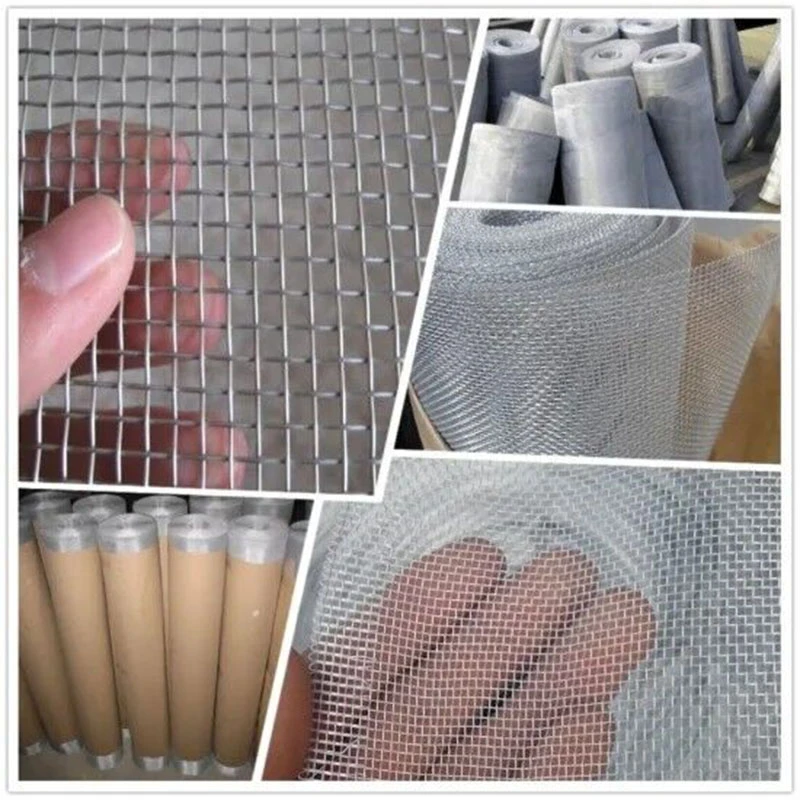
So next time you see a wire mesh, think of the silent hard work behind it...
References:
1. United Nations Industrial Development Organization (UNIDO). Global Wire Market Reports.
2. ASTM International and British Standards Institution (BSI). Industry Specifications for Galvanized Wire.
3. International Organization for Standardization (ISO). Environmental Management Systems (ISO 14001).