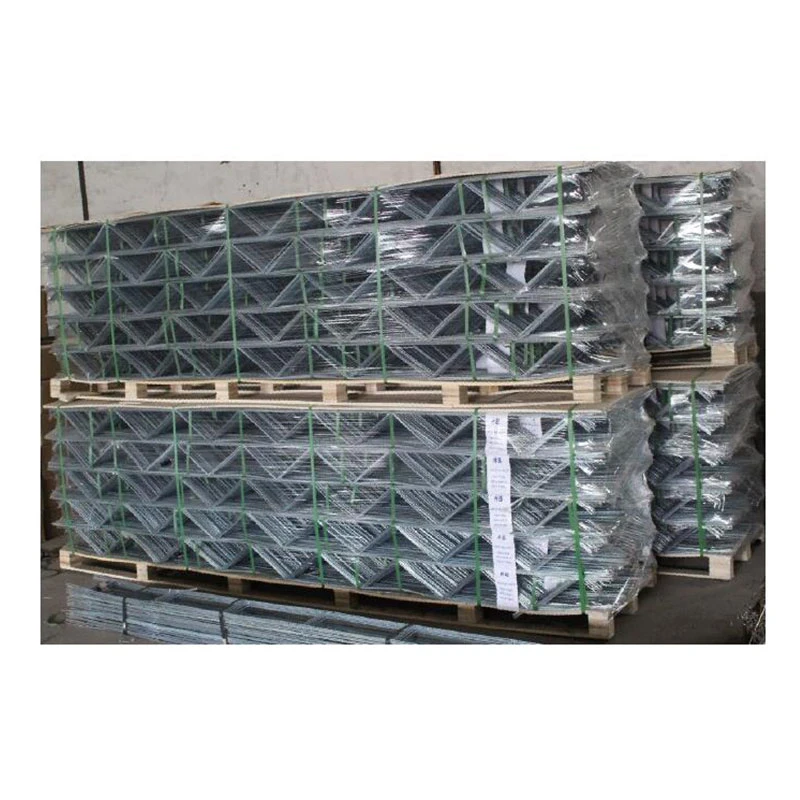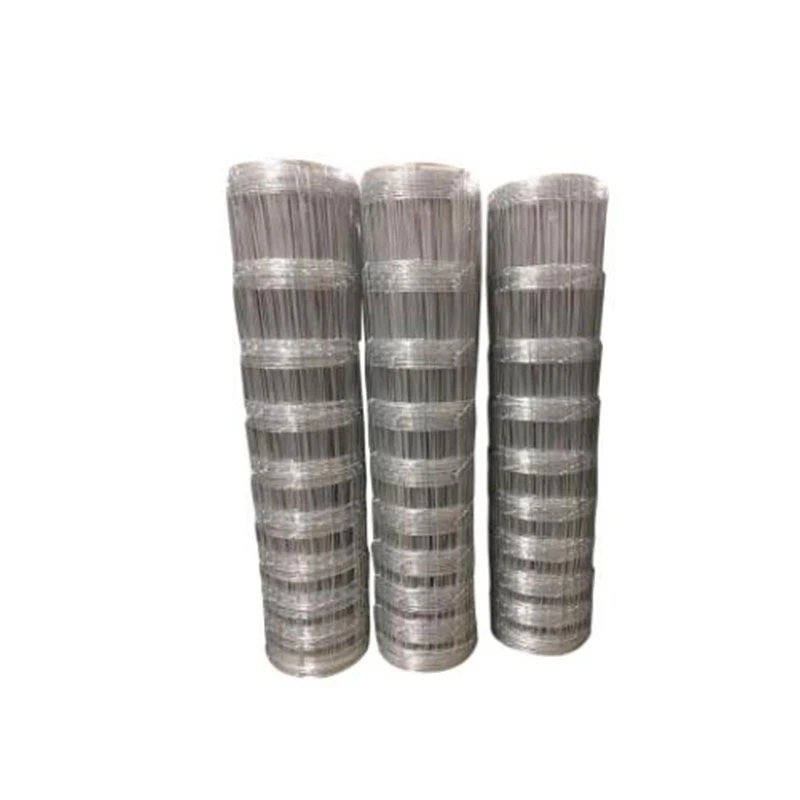
Understanding GI Wire 14 Gauge Price: Why It Matters Globally
Few materials quietly underpin modern infrastructure and industry quite like galvanized iron (GI) wire. The 14 gauge variant, in particular, strikes a delicate balance between strength and flexibility that’s prized in everything from construction to agriculture. But if you've ever tried to nail down the gi wire 14 gauge price, you might have noticed its volatility and variation across regions. Why is this so important? For starters, GI wire is central to fencing, binding, crafting, and even humanitarian projects worldwide. The cost of 14 gauge GI wire affects budgets big and small — from sprawling industrial zones in Asia to village farms in Africa. This isn’t just about metal prices; it's about enabling infrastructure, supporting communities, and ensuring global supply chains tick smoothly. ---The Global Landscape of GI Wire Pricing: A Quick Dive
Globally, the galvanized iron wire market is influenced by raw material prices, training labor costs, and local manufacturing capabilities. According to the World Bank’s latest data, global steel production topped 1.8 billion metric tons in 2023, highlighting hefty demand. Zinc prices, which cover the GI wire to prevent rust, remain a wildcard, affected by mining output and environmental regulations (1). One challenge? Sudden spikes in raw material costs can unpredictably inflate the gi wire 14 gauge price, forcing industries to scramble for alternatives or delay projects. Emerging economies disproportionately feel this pinch since importing or producing the wire locally can be costlier compared to industrialized nations. Understanding these price dynamics helps businesses and humanitarian agencies plan better—and inevitably impacts construction timelines, product durability, and sustainability efforts. ---Breaking It Down: What Exactly is GI Wire 14 Gauge Price?
In its simplest terms, "GI wire 14 gauge price" refers to the market cost associated with purchasing galvanized iron wire that is 14 gauge thick. To put gauge into perspective: the higher the gauge number, the thinner the wire. Fourteen gauge wire typically measures about 1.63 millimeters in diameter — thick enough to hold firm for fencing but flexible enough to bend without snapping. Galvanizing means the wire is coated with zinc, which creates a corrosion-resistant barrier. This makes the 14 gauge GI wire suitable for many outdoor and industrial applications where rust is the enemy. This price point reflects not only the cost of raw steel and zinc coating but factors like manufacturing efficiency, geographic location of vendors, and global supply chain conditions. Beyond being just a number on a price list, this figure shapes how projects are scoped and delivered worldwide. ---Core Aspects Affecting GI Wire 14 Gauge Price
1. Material Quality and Zinc Coating Thickness
The durability of GI wire often correlates with the thickness of its galvanization. Heavier zinc coating prevents rust –– essential for long-term outdoor use. Wires with thicker zinc layers tend to cost more but deliver far better value over time.2. Manufacturing Technique
Cold drawn wire tends to have a more uniform diameter and greater tensile strength than hot rolled. Yet, the process complexity can elevate production costs that ripple through pricing.3. Supply Chain Stability and Raw Material Costs
Steel prices are notoriously volatile. Add fluctuating zinc prices fueled by geopolitical factors and mining constraints, and you’ve got an unpredictable cost environment affecting GI wire 14 gauge pricing globally.4. Local Labor and Energy Costs
Production generally consumes a lot of electricity and labor—both varying widely between regions. Lower-cost labor might reduce GI wire prices in one country but could influence quality or lead times.5. Packaging and Delivery Logistics
From bulky coils to compact bundles, packaging impacts shipping costs. In remote zones, transportation expenses can push final prices up noticeably. Mini Takeaway: The gi wire 14 gauge price is a melting pot of metal market fluctuations, manufacturing quality, and logistical hustle — knowing these helps buyers get the best deal and avoid surprises. ---Product Specification Table – Typical GI Wire 14 Gauge
| Specification | Typical Value | Units |
|---|---|---|
| Wire Diameter | 1.63 | mm |
| Tensile Strength | 550-650 | MPa |
| Zinc Coating Thickness | 40-55 | g/m² |
| Coil Weight | 25-50 | kg |
| Color | Silver Gray | N/A |
Where and How the GI Wire 14 Gauge Price Plays Out Around the World
The industrial heartbeat of GI wire pulses strongest in Asia — countries like China, India, and Vietnam dominate production, impacting global pricing. Meanwhile, developed regions like Europe and North America often import these wires, factoring in tariffs and transport costs. Across emerging markets in Africa and Latin America, the wire is invaluable for agricultural fencing, rural electrification projects, and low-cost housing support — all sensitive to price fluctuations. For humanitarian organizations operating in disaster-prone regions, the gi wire 14 gauge price is a key piece of their supply chain puzzle. When disaster strikes, fencing off relief zones or securing temporary shelters depends on affordable, reliable wire. Mini Takeaway: Global demand is high but fragmented — understanding regional supply chains can mean the difference between project success or costly delays. ---Real-World Advantages & Why it Still Holds Value
- Cost Efficiency: Affordable raw materials combined with simple manufacturing make GI wire 14 gauge relatively cheap per meter — enabling budget-conscious projects to thrive. - Sustainability: Galvanized coatings extend lifespan, reducing waste from frequent replacements. - Safety & Reliability: Engineers often cite GI wire’s strength and rust resistance as critical when securing sites or materials. - Innovation: From garden trellises to tensile roofing supports, this wire adapts to creative needs with ease. Oddly enough, the confidence it inspires isn’t just practical. It’s emotional — knowing your fence won’t collapse or your mesh won’t rust speaks to trust in materials that can feel surprisingly rare these days. ---Looking Ahead: Future Trends in GI Wire Pricing and Application
The future promises some interesting shifts. Environmentally, we see growing pressure to reduce zinc mining’s carbon footprint, pushing producers into greener galvanizing methods and recycled steel feedstock. Automation and precision manufacturing may lower costs and improve quality consistency — particularly in developing regions eager to boost local production. Digitally enabled supply chains also mean greater pricing transparency; buyers can compare gi wire 14 gauge price directly from multiple manufacturers online. And with the global push to modernize infrastructure (think smart cities and enhanced agriculture), demand for higher-quality, consistent GI wire will only grow. ---Overcoming Challenges: What Holds the Industry Back?
- Price Fluctuations: Raw material instability remains a headache that’s tough to neutralize fully. - Quality Variation: Not all manufacturers uphold the same coating or tensile standards, risking downstream problems. - Logistics Bottlenecks: Remote areas often pay a premium due to transport delays or poor infrastructure. Innovative solutions include longer-term supplier partnerships, quality audits with digital traceability, and bulk purchasing groups that leverage volume discounts to stabilize costs. ---Vendor Comparison: GI Wire 14 Gauge Pricing & Services
| Vendor | Estimated Price (USD/kg) | Lead Time | Quality Certification | Global Shipping |
|---|---|---|---|---|
| YJD Wire Mesh Ltd. | 1.20 - 1.35 | 7-10 days | ISO 9001 | Yes |
| Global Steel Supplies | 1.10 - 1.28 | 10-14 days | ISO 14001 | Yes |
| Asia Wire Corp. | 1.25 - 1.40 | 5-7 days | ISO 9001 | Limited |
Frequently Asked Questions About GI Wire 14 Gauge Price
Q1: What factors primarily impact the price of 14 gauge GI wire?A: The main drivers are the costs of steel and zinc raw materials, local manufacturing expenses, and transportation logistics. Seasonal demand shifts and tariffs can also play significant roles.
Q2: Can bulk purchasing reduce the GI wire 14 gauge price?
A: Absolutely. Buying in larger quantities often unlocks volume discounts, lowers shipping costs per unit, and helps stabilize pricing over longer periods.
Q3: How durable is 14 gauge GI wire compared to other gauges?
A: It balances flexibility and strength well. Thicker gauges provide more durability but less flexibility, while thinner gauges may rust more quickly if not properly galvanized.
Q4: Are there eco-friendly alternatives to traditional GI wire?
A: Yes, manufacturers are exploring recycled steel blends and zinc application methods that reduce emissions, contributing to greener production cycles.
Q5: How do I import GI wire 14 gauge for industrial use?
A: Coordinate with certified suppliers who offer international shipping, ensure compliance with import regulations, and verify quality certifications to avoid surprises during customs clearance. ---