Understanding 1mm Galvanized Wire: A Global Industrial Staple
When we talk about 1mm galvanized wire, we're diving into a widely utilized material that quietly shapes everything from large infrastructure projects to small household fixes. Despite its simplicity, this wire matters a lot on a global scale, touching industries like construction, agriculture, and even humanitarian aid. Understanding its composition, uses, and challenges can offer insight into how modern industry balances cost, durability, and sustainability.
Why 1mm Galvanized Wire Matters Globally
Galvanized wire with a diameter of 1 millimeter isn't just a product; it’s an enabler for numerous applications worldwide. According to industry reports and standards from organizations like the ISO and the United Nations, materials that combine lightweight design with corrosion resistance are essential in addressing infrastructure challenges, especially in harsh climates. For instance, the demand for galvanized wire in developing nations is increasing by about 5% annually due to expanding agricultural fencing markets and urban repairs.
Yet, despite its popularity, some challenges persist, such as balancing cost-effectiveness with environmental impact, especially as sustainability becomes a critical concern.
What Exactly is 1mm Galvanized Wire?
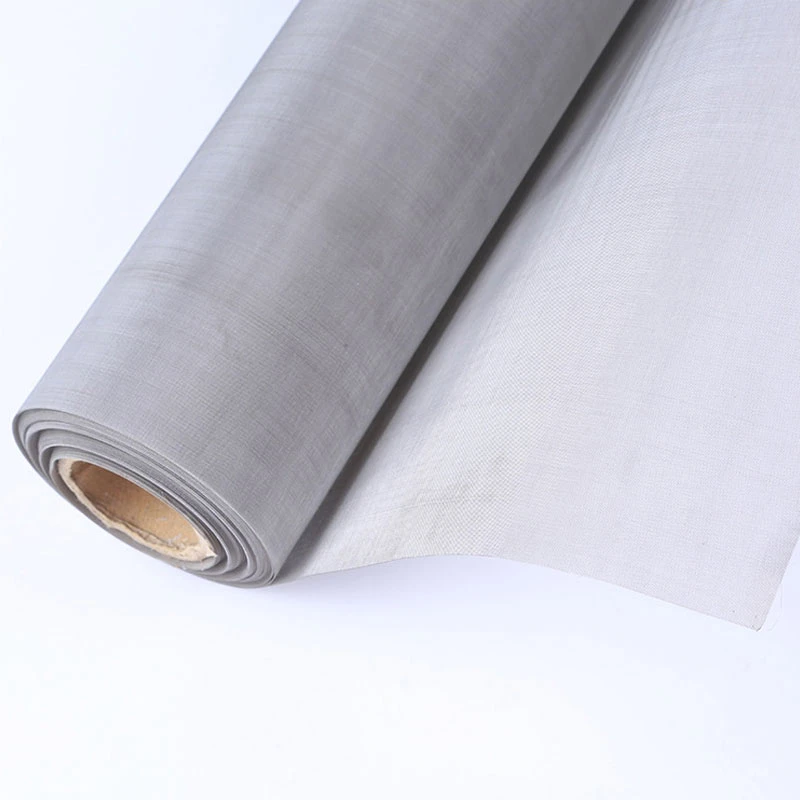
Simply put, 1mm galvanized wire is thin steel wire coated with a protective layer of zinc through a process called galvanization. This zinc layer shields the wire against rust and corrosion. The 1mm thickness strikes a practical balance—it’s thin enough for flexibility and light handling, but strong enough for many industrial and consumer applications.
Its modern significance extends beyond just metalworking. NGOs, construction companies, and manufacturers rely on it for fencing, mesh, and support wiring, which indirectly supports safety, security, and agricultural productivity worldwide.
Key Characteristics of 1mm Galvanized Wire
Durability
The galvanization process practically gives the wire a zinc “armor” that resists rust, greatly extending its lifespan—even in wet or saline environments. This is essential for outdoor use, especially in coastal or rainy regions.
Flexibility & Workability
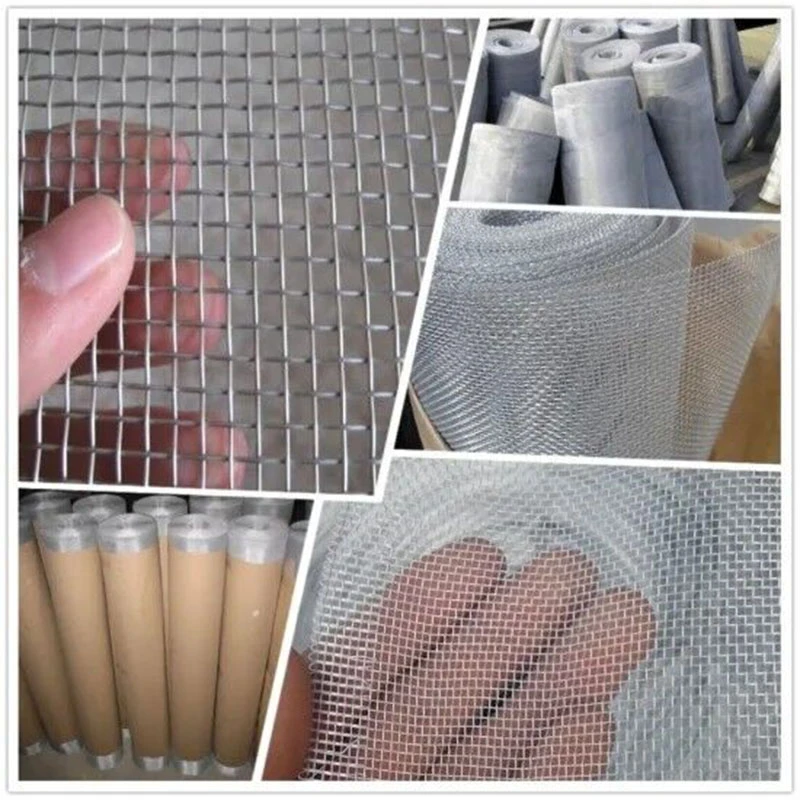
At 1mm thick, the wire strikes a good compromise between strength and bendability. It can be easily woven, twisted, or tied, which makes it popular for mesh fencing and craft applications.
Cost Efficiency
Compared to thicker or more exotic wires, 1mm galvanized wire remains affordable while delivering reliable performance. This drives its widespread use in both low-budget projects and large-scale operations.
Corrosion Resistance
The zinc coating protects the steel beneath, a safeguard necessary for longevity in both industrial and household uses. This resilience cuts down replacement frequency and maintenance costs.
Versatility
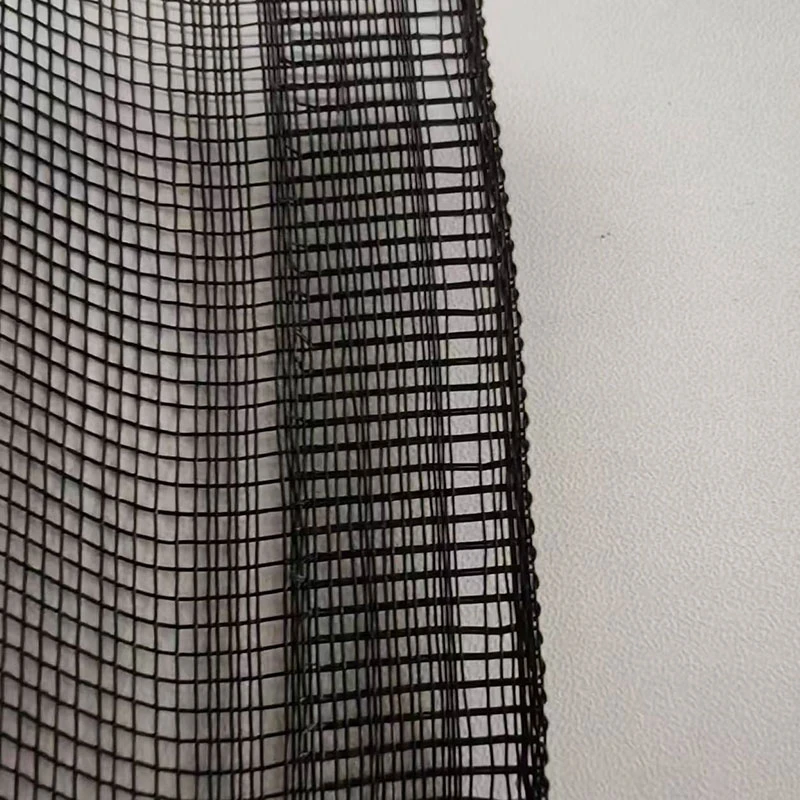
Its ubiquity across sectors like agriculture, construction, and even disaster relief attests to its flexibility in function — it can fence crops, reinforce concrete, or form protective screens in electronics.
Mini Takeaway:
1mm galvanized wire is a tough, affordable, and versatile material that stands strong where many metals fail — clearly making it a backbone of various industries.
Global Applications & Use Cases
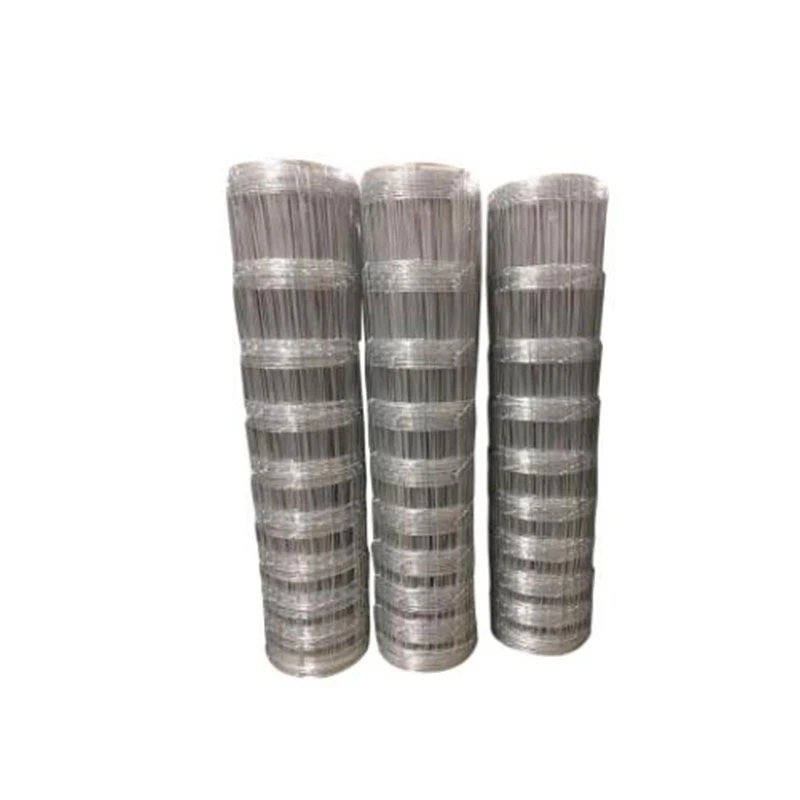
- Agriculture: Farmers worldwide depend on galvanized wire fences to protect crops and livestock. In places like sub-Saharan Africa, these fences contribute to sustainable farming by keeping wildlife out while allowing airflow.
- Construction: It’s a key player in wire mesh for concrete reinforcement in Asia and Europe, ensuring buildings can withstand stress without breaking the bank.
- Disaster Relief: In post-disaster zones, rapidly deployable fencing using galvanized wire defines safe zones and controls traffic flow, aiding both safety and humanitarian efforts.
- Electronics and Manufacturing: The wire is often used for protective cages or screens around sensitive components, especially in factories focused on automation.
Mini Takeaway:
Its real-world relevance spans continents and crises, from supporting farmers in remote areas to enabling fast and safe rebuilding after calamities.
Advantages & Long-Term Value
Frankly, what makes 1mm galvanized wire stand out is how it blends tangible benefits with less tangible but equally important qualities. Cost-wise, it keeps budgets in check, allowing projects to scale without inflated expenses. From a sustainability angle, the extended lifespan and reduced need for replacements mean less material waste overall. Socially, its use promotes safety — think perimeter fencing in schools or clinics — indirectly supporting dignity and community trust.
Plus, the reliability factor makes it a favorite among engineers who demand consistent performance. You might not notice it directly, but communities clearly benefit from this quiet dependability.
| Property | Description |
|---|---|
| Diameter | 1 millimeter (+/- 0.05 mm) |
| Material | Low carbon steel with zinc coating |
| Zinc Coating Thickness | Minimum 45 grams per square meter |
| Tensile Strength | 400 - 550 MPa |
| Typical Applications | Fencing, mesh, packaging, general binding |
Future Trends & Innovations
Oddly enough, even a humble product like galvanized wire is evolving. Research is ongoing to develop greener galvanizing processes using less hazardous zinc compounds, responding to tightening environmental standards from bodies like the ISO. In addition, some manufacturers are integrating nano-coatings on top of zinc to fight corrosion even more effectively.
Moreover, with the rise of smart construction and Industry 4.0, wire production lines are increasingly automated to improve precision and reduce human error. This means better quality and scalability with less waste. As countries aim for net-zero emissions, producers face pressure to source steel from electric arc furnaces powered by renewable energy. So yes, the wire industry isn’t stuck in the past — it's quietly shifting gears.
Challenges & Solutions
Of course, there are some limitations. For example, 1mm galvanized wire isn’t suitable where extremely high mechanical strength or load-bearing is required. Alternatives like stainless steel or thicker wire may be needed there.
Another issue is zinc coating degradation over very long exposures in harsh environments—marine applications, for instance. Yet, combining galvanized wire with polymer coatings or paints can significantly delay corrosion, an approach many specialists recommend.
The supply chain can also face material price volatility and logistics hurdles. Some vendors now adopt just-in-time manufacturing and regional stocking hubs to ease costs. Innovation in recycling zinc and steel scrap also promises to stabilize supply.
| Vendor | Quality Certification | Price Range (per kg) | Environmental Standards | Global Availability |
|---|---|---|---|---|
| YJD Wire Mesh | ISO 9001, ISO 14001 | $1.20 - $1.50 | Advanced Zinc Recovery, Low Emissions | Asia, Europe, Americas |
| WireCo Ltd. | ISO 9001 | $1.15 - $1.45 | Standard Zinc Galvanizing | North America, Europe |
| EcoWire Ltd. | ISO 9001, Environmental Management System | $1.30 - $1.55 | Eco-Friendly Coatings | Europe, Asia |
Frequently Asked Questions About 1mm Galvanized Wire
- Is 1mm galvanized wire strong enough for electric fencing?
- Yes, it is commonly used in light to medium electric fencing due to its flexibility and conductivity, but for very high tension or large perimeter fencing, thicker wire might be recommended.
- How does galvanized wire compare to stainless steel wire?
- Galvanized wire is more cost-effective but less resistant to corrosion than stainless steel. Stainless steel is preferred in marine or highly corrosive environments, although it comes at a higher price point.
- What’s the best way to store galvanized wire to extend its lifespan?
- Keep the wire in a dry, well-ventilated space away from direct contact with soil or chemicals to minimize zinc coating degradation.
- Can galvanized wire be recycled?
- Yes, both steel core and zinc coating are recyclable. Many producers also incorporate recycled materials in their manufacturing to enhance sustainability.
- Where can I source high-quality 1mm galvanized wire online?
- Reputable suppliers like YJD Wire Mesh offer certifications and worldwide shipping options.
Conclusion: Why 1mm Galvanized Wire Still Holds Its Ground
In real terms, 1mm galvanized wire remains a versatile, affordable, and reliable choice across multiple sectors globally. Its protective zinc coating and balanced size help it endure challenges that would quickly degrade untreated metals, ensuring safety, practicality, and cost-effectiveness over time. Looking ahead, the industry’s drive toward greener processes and smarter manufacturing suggests this wire will adapt further to modern needs—making it a material worth understanding.
If you’re considering sourcing quality galvanized wire, visit YJD Wire Mesh for detailed product info and competitive pricing.
It’s fascinating how such a thin wire can be so fundamentally crucial.