Understanding 1mm Garden Wire: A Small Detail with Big Impact
When you hear “1mm garden wire,” you might picture a thin, almost delicate strand of metal. But don’t be fooled — this simple wire plays a surprisingly significant role in gardening, agriculture, and even global industry. The reason? Its versatility and durability make it a go-to choice for everything from fencing and plant training to large-scale construction mesh. If you’ve ever leaned into gardening or farming, you’ll appreciate why understanding this seemingly humble material matters. Plus, grasping its benefits can influence everything from cost management to sustainability efforts worldwide.
Introduction: Why 1mm Garden Wire Matters Globally
Globally, agriculture remains a backbone of many economies. According to the Food and Agriculture Organization of the United Nations (FAO), nearly 60% of the world’s population depends on agriculture for their livelihood. And within that ecosystem, materials like 1mm garden wire become vital for efficient cultivation and protection. This wire isn’t just about aesthetics; it addresses critical challenges such as protecting crops from pests and wildlife, supporting delicate plants, and offering a sustainable fencing solution.
The World Bank notes that innovative yet cost-effective farming inputs directly improve yields and economic stability. Thin gauge, strong wire like this meets those needs without excessive cost or complexity. Oddly enough, many small-scale farmers and gardeners might not realize the pivotal role that the right gauge wire can have.
What Is 1mm Garden Wire? Definition & Meaning
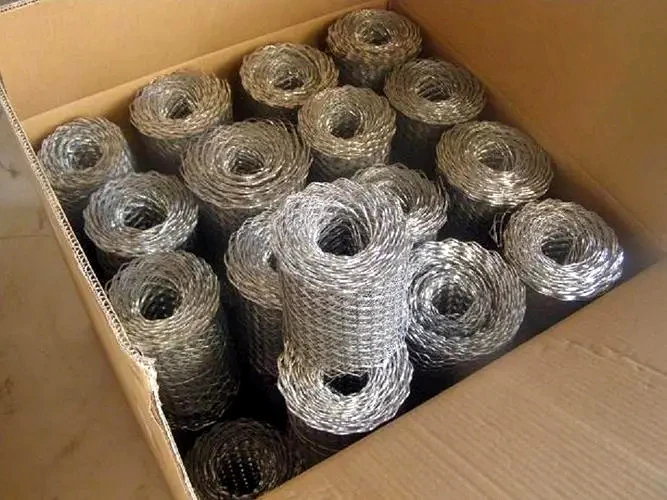
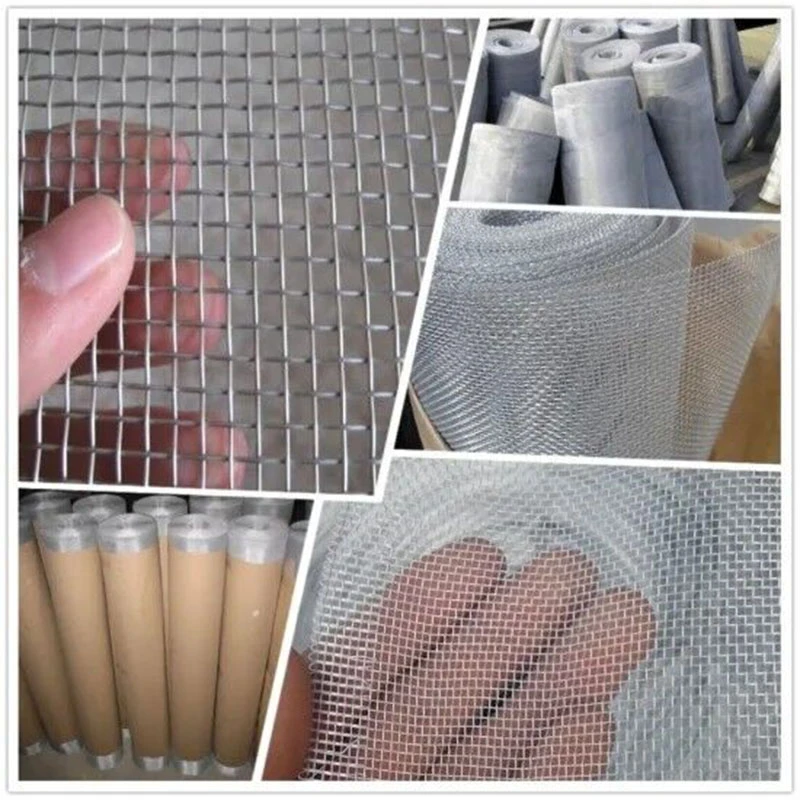
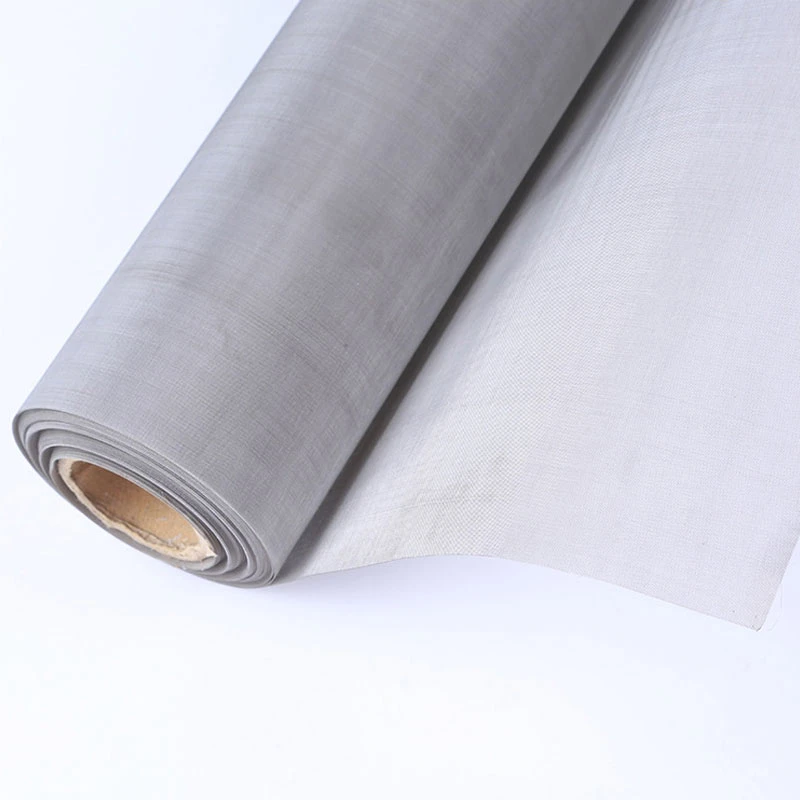
Straight-up, 1mm garden wire is simply metal wire — often galvanized steel — with a diameter of approximately 1 millimeter (about 0.04 inches). This thin wire strikes a sweet spot between flexibility and strength, making it highly adaptable. It’s commonly used in fencing, trellising, and crafting support systems for plants like tomatoes or climbing vines.
Its applications, frankly, bridge from home gardens to humanitarian contexts — like reinforcing structures in temporary shelters or agricultural setups in developing countries. Because of its manageable weight and ease of transport, it’s favored in modern industry projects that aim to balance cost-efficiency with reliability.
Key Factors of 1mm Garden Wire
Durability
Despite its slim profile, the wire is surprisingly durable — especially when galvanized to resist rust and corrosion. This means it lasts outdoors across multiple seasons, standing up against weather and physical strain.
Flexibility
Because it’s thin, you can bend or twist it easily to fit roofing supports or mesh panels without breaking. This makes installation quicker and adaptability higher, especially for irregular shapes.
Cost Efficiency
Compared to thicker wire gauges, 1mm wire is more affordable, both to purchase and transport. It requires less raw material but still delivers strength where needed, making it a budget-friendly option.
Eco-Friendliness
Many manufacturers produce this wire with recyclable steel, reinforcing sustainable practices. Plus, longer lifespan means less frequent replacement, which cuts down waste.
Weight
This wire is lightweight — a big plus when handling large volumes or shipping overseas for relief or commercial applications.
Mini takeaway: The interplay of strength, cost, and flexibility is what makes 1mm garden wire indispensable in numerous practical scenarios.
Global Applications & Typical Use Cases
Across continents, you’ll find 1mm garden wire woven into the fabric of agricultural, horticultural, and even infrastructure projects. Some examples:
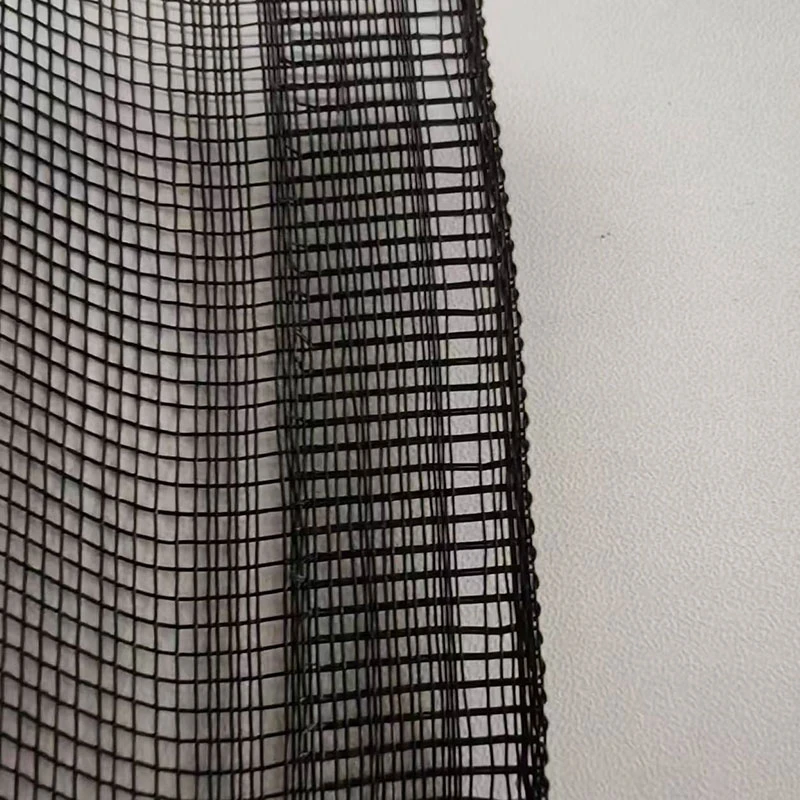
- Post-disaster relief: Used to quickly erect fencing or protective mesh to safeguard food gardens in temporary housing zones.
- Greenhouses: Provides lightweight yet strong support for plants trained on trellises, optimizing space and yield.
- Urban gardening: Enables city dwellers to fit vertical gardens on limited balconies or rooftops, enhancing green space.
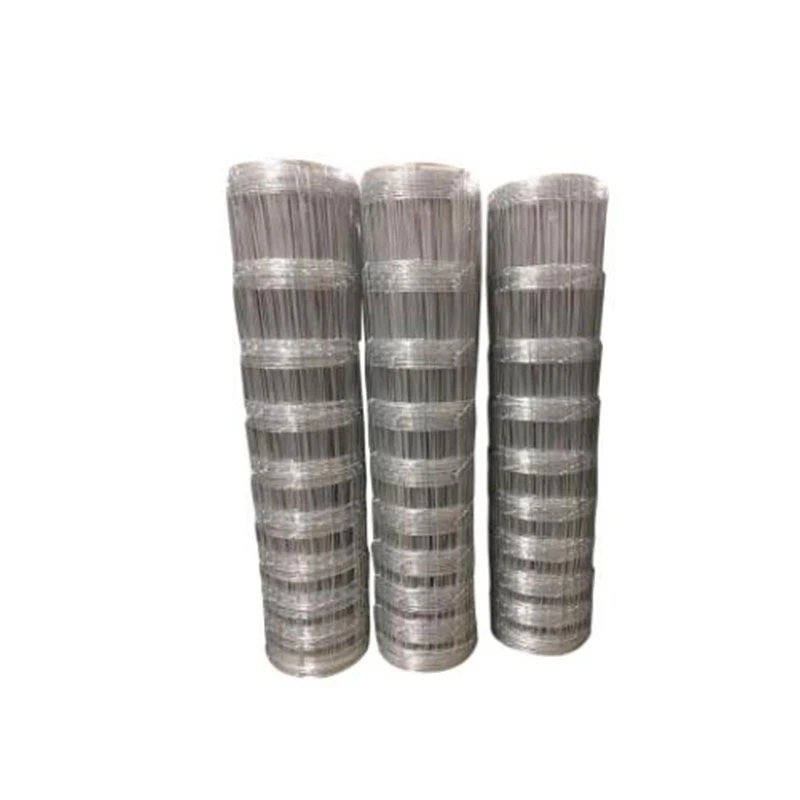
- Livestock management: Acts as affordable fencing to keep smaller animals safely contained on farms.
Industries ranging from agriculture in Southeast Asia to horticulture in Europe rely on this wire for affordable, practical solutions. Notably, in the UK and parts of Australia, the wire is used extensively in vine and fruit orchard support systems.
Advantages & Long-Term Value of 1mm Garden Wire
Okay, here’s where things get interesting. This wire isn’t just about the immediate “holding plants up” task. It carries a deeper value — economic, social, and environmental.
- Economic: Saves money on replacement and maintenance.
- Sustainability: Galvanized steel option reduces rusting and waste.
- Social: Supports farmer independence, enabling reliable food production.
- Reliability: Withstands tough weather, reducing crop loss risks.
Emotionally, there’s something trustworthy about a material that just “does its job” quietly and effectively — kind of like that old dependable tool in your shed. It supports not just plants, but entire communities.
Future Trends & Innovations
Technology and sustainability concerns mean 1mm garden wire is evolving too:
- Eco coatings: New polymer galvanizing techniques improve corrosion resistance without toxic chemicals.
- Smart farming: Some wires are being integrated with sensors to monitor plant stress or environmental conditions.
- Automation: Wire mesh production increasingly employs robotics for precision and lower waste.
- Renewable materials: Research into composite wires mixing plant fibers and metals could reduce carbon footprints.
It’s a niche yet fascinating interplay between traditional materials and digital transformation.
Challenges & Solutions
Despite the positives, 1mm garden wire isn’t without limits:
- Strength limits: Can’t replace thicker wire where heavy-duty security or livestock containment is needed.
- Rust concerns: Non-galvanized wire corrodes quickly; users must choose coated versions.
- Installation skill: Bending and attaching requires some manual dexterity to avoid kinks or breaks.
Solutions include choosing reputable suppliers, applying protective coatings, and utilizing installation aids like tension tools or pre-cut lengths.
Product Specification Table
| Feature | Specification |
|---|---|
| Wire Diameter | 1mm ±0.02mm |
| Material | Galvanized Steel / Stainless Steel |
| Tensile Strength | > 350 MPa |
| Coating | Zinc galvanization (thickness 45g/m²) |
| Weight per 100m | Approx. 0.79 kg |
Vendor Comparison Table
| Supplier | Material Quality | Coating Type | Price per kg | Lead Time |
|---|---|---|---|---|
| YJD Wire Mesh | High-grade galvanized steel | Zinc (45g/m²) | $3.50 | 2 weeks |
| WireCo Ltd. | Standard galvanized steel | Zinc (30g/m²) | $3.20 | 3–4 weeks |
| EcoWire International | Recycled galvanized steel | Eco-friendly Zinc coating | $4.00 | 3 weeks |
FAQs About 1mm Garden Wire
Q1: Is 1mm garden wire strong enough for fencing animals?
A1: It depends on the animal size and behavior. For small livestock or poultry, 1mm wire can work well when combined with tight mesh. However, larger animals require thicker and stronger wire gauges for safety and durability.
Q2: How long does galvanized 1mm wire typically last outdoors?
A2: Galvanized 1mm wire can last 10 to 20 years outdoors depending on climate and conditions. Coastal or highly humid areas might see rusting sooner without additional protective coatings.
Q3: Can I use 1mm garden wire for plant trellising?
A3: Absolutely! Its flexibility and strength make it perfect for supporting climbing plants, beans, tomatoes, and grapes, especially in greenhouses or home gardens.
Q4: What is the best way to secure 1mm wire during installation?
A4: Using tension tools, wire clips, or garden staples ensures tight and safe placement. Avoid kinking the wire by bending carefully during attachment.
Conclusion: Why 1mm Garden Wire Is a Smart Choice
In real terms, 1mm garden wire is more than just a thin strand of metal. It’s an economic, versatile, and surprisingly durable tool that supports livelihoods and sustainable agriculture worldwide. Whether you’re a home gardener, commercial farmer, or a relief organization, understanding this wire’s attributes can make a tangible difference. To explore high-quality options or learn more about how this wire can meet your needs, visit YJD Wire Mesh — your reliable partner in garden wire solutions.
Mini takeaway: Small but mighty — 1mm garden wire quietly holds together some of the most important work in agriculture and beyond.
References:
1. Food and Agriculture Organization of the United Nations (FAO), Agriculture and Food Security Statistics.
2. World Bank Agricultural Input Data, 2023.
3. ISO 16120-1:2016 Wire Products – Steel Wire.