Understanding 6mm Galvanised Wire: A Small but Mighty Industrial Staple
When we talk about industrial materials that quietly underpin everything from infrastructure to agriculture, 6mm galvanised wire might not be the first thing to spring to mind. Yet this deceptively simple product has become a global essential for durability, cost efficiency, and sustainability. Its applications span from sturdy fencing in rural communities to reinforcement in construction projects around the world. Understanding its role isn’t just for engineers or procurement specialists — it matters for anyone curious about how modern supply chains and humanitarian efforts tackle real-world challenges.
Why? Because in a global economy increasingly conscious of resource efficiency and environmental footprint, knowing what makes this wire common — and why it lasts — helps us appreciate an overlooked part of industrial innovation.
Global Context: Why 6mm Galvanised Wire Commands Industrial Attention
Steel production alone accounts for nearly 8% of global CO2 emissions, according to the International Energy Agency (IEA). As industries push for greener alternatives, materials like galvanised wire stand out for their combination of strength, corrosion resistance, and recyclability. The 6mm gauge, roughly a quarter of an inch thick, hits a kind of sweet spot where tensile strength meets versatility.
In fact, the global market for galvanised steel wire is projected to grow at an average annual rate of around 4% through 2028. 6mm galvanised wire often finds itself at the heart of this growth, especially in developing regions where infrastructure investment is booming. But there’s a persistent challenge it helps address — protecting structures and communities in harsh conditions from rust, wear, and costly maintenance. Think tropical climates, coastal areas, or dusty mining operations.
Mini Takeaway
6mm galvanised wire is no mere commodity; it's a material solution to real-world durability and cost challenges in a warming, industrializing planet.
What Exactly Is 6mm Galvanised Wire?
Simply put, it’s steel wire that’s been coated with a layer of zinc to prevent rust. The zinc layer acts like a shield, protecting the steel core underneath from oxygen and moisture. The 6mm dimension refers to the wire’s nominal diameter — thick enough for structural uses but flexible enough for fabrication.
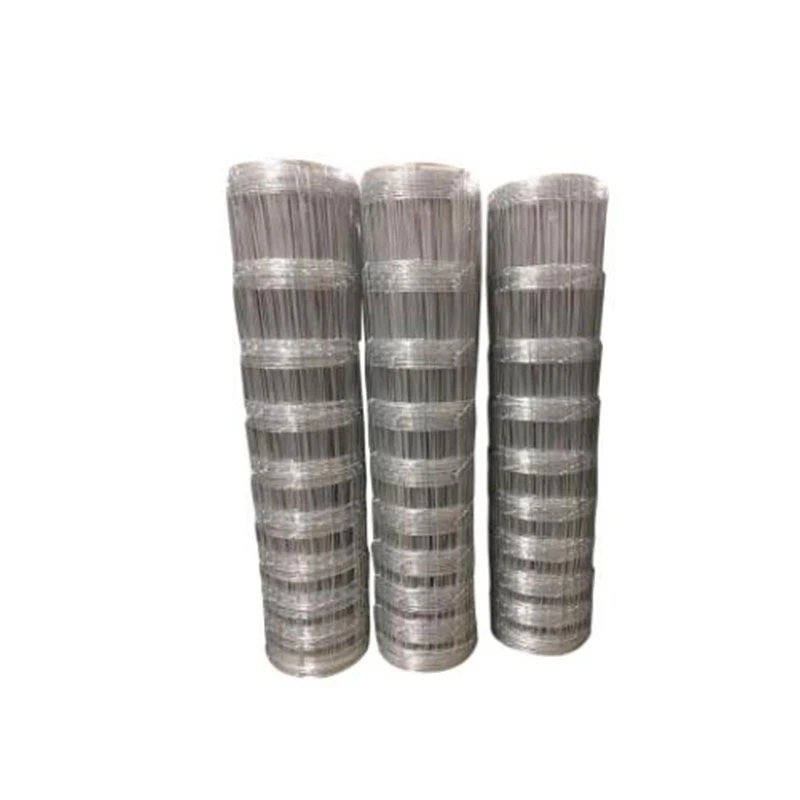
In modern industry, this wire is prized for everything from fencing livestock, building wire mesh, supporting concrete, to crafting cages or even in automotive spring assemblies. Not to mention its role in humanitarian contexts — for example, temporary shelters often rely on wire frameworks that won’t corrode quickly.
Mini Takeaway
6mm galvanised wire is the intersection of simplicity and efficiency — steel strength wrapped in zinc’s protective embrace.
Key Factors That Define 6mm Galvanised Wire
Durability
The zinc coating resists rusting in harsh weather and keeps the core steel intact for years, even decades. Many engineers say this is what makes it invaluable in remote areas where replacements aren’t easy.
Cost Efficiency
Compared to stainless steel or plastic coatings, galvanisation balances budget and performance. The initial higher cost offsets long-term repair expenses, making it a smart choice for large-scale applications.
Scalability & Availability
The production of 6mm galvanised wire is mature, meaning it’s readily available worldwide — from industrial hubs in Asia to local distributors in Africa or South America.
Versatility
Its application breadth is remarkable: used in agriculture fencing, industrial mesh, construction reinforcement, suspension bridges, and more.
Environmental Considerations
Galvanised wire is recyclable, and ongoing innovations aim to reduce zinc usage or explore eco-friendly coatings without sacrificing strength.
| Parameter | Value | Units |
|---|---|---|
| Diameter | 6.00 ± 0.10 | mm |
| Tensile Strength | 450 - 650 | MPa |
| Zinc Coating Weight | 60 - 275 | g/m² |
| Coating Thickness | 40 - 80 | µm |
| Elongation at Break | 10 - 14 | % |
Mini Takeaway
The 6mm galvanised wire finds its sweet spot in performance specs that meet diverse industry needs without overkill.
Global Applications & Use Cases
Picture a rugged mountainous region where farmers need reliable fencing to protect livestock. Or an urban construction site requiring wire mesh to reinforce concrete pillars that will hold a bridge. In both cases, 6mm galvanised wire makes sense — it can withstand harsh environments and heavy mechanical stress.
In Southeast Asia, rapid urbanization fuels demand for corrosion-resistant materials, thanks to tropical rain and humidity. Meanwhile, humanitarian organizations use galvanized wire to build shelters quickly after natural disasters — the wire’s longevity reduces repeated costs for struggling communities.
Mining projects in Africa often rely on welded wire mesh made from 6mm galvanised wire for rockfall protection and site fencing. It doesn’t just hold metal bars together; it secures livelihoods, keeps people safe, and sustains long-term projects.
Advantages & Long-Term Value
- Cost Savings: Though initial costs are higher than bare steel wire, galvanised wire’s long life means fewer replacements and repairs — a vital consideration when transport is tough.
- Sustainability: Fully recyclable and with evolving eco-friendly coatings, galvanised wire fits into circular economy principles.
- Safety and Trust: Durable fencing means safer environments, whether preventing livestock from straying or securing industrial zones from trespassers.
- Innovation Potential: Improved galvanisation techniques and wire treatments continue to enhance product life, lowering environmental impact.
Mini Takeaway
6mm galvanised wire’s benefits aren’t just technical; they ripple through social, economic, and environmental spheres, offering real long-term value.
Future Trends & Innovations in Galvanised Wire
It’s fascinating how a classic product like galvanised wire keeps evolving. Innovations include:
- Nanotechnology Coatings: Improving corrosion resistance while reducing zinc usage.
- Automation in Production: Ensuring consistent wire diameter and coating thickness for premium quality.
- Eco-Design Policies: Governments pushing for greener steel products increase demand for sustainable galvanised wire.
- Hybrid Materials: Combining galvanised steel cores with polymer coatings for extremely harsh environments.
Challenges & Solutions
While galvanised wire is robust, there are some hurdles:
- Environmental Wear: In extremely acidic or marine environments, zinc can corrode faster. Specialized coatings or thicker galvanised layers help.
- Supply Chain Fluctuations: Zinc prices can be volatile, affecting costs. Bulk purchasing and local production mitigate this.
- Quality Control: Uneven coating can reduce lifespan. Automated inspection and ISO standards improve reliability.
Innovative vendors are also researching biodegradable coatings for temporary applications — a neat trick that hints at how dynamic an old product can be.
| Vendor | Zinc Coating Range (g/m²) | Price Range (USD/kg) | ISO Certified | Lead Time |
|---|---|---|---|---|
| GlobalSteel Industries | 60 - 100 | 1.2 - 1.5 | Yes | 2-3 weeks |
| YJD Wire Mesh | 100 - 275 | 1.3 - 1.7 | Yes | 1-2 weeks |
| SteelPro Supply Co. | 80 - 150 | 1.1 - 1.4 | No | 3-4 weeks |
FAQ: 6mm Galvanised Wire
Q1: How long can 6mm galvanised wire typically last outdoors?
On average, properly galvanized 6mm wire can last between 20 to 50 years depending on the environment. Coastal or industrial areas with more corrosive elements may shorten this lifespan, but zinc coatings significantly extend its durability compared to uncoated steel.
Q2: Is 6mm galvanised wire suitable for high-tension fencing applications?
Yes, the 6mm gauge provides good tensile strength for many fencing needs, including livestock containment and industrial security fences. Always verify the tensile strength rating with your supplier for critical applications.
Q3: Can I weld 6mm galvanised wire, or will the coating cause issues?
Welding galvanized wire is possible but requires precautions. Zinc coating vapors can be toxic if inhaled and cause weld defects. It’s best done in well-ventilated areas with proper protective gear or by stripping the zinc from weld points.
Q4: How can NGOs and international buyers import quality 6mm galvanised wire?
Working with ISO-certified suppliers — such as YJD Wire Mesh — helps secure documented quality. Additionally, consolidating shipments and understanding import duties smooth the process.
Wrapping Up: Why 6mm Galvanised Wire Matters for Tomorrow
It might be easy to overlook something as mundane as 6mm galvanised wire, but its impact quietly shapes industries and communities alike. The balance of durability, cost efficiency, and global availability means projects benefit from enhanced reliability and sustainability. The future hints at smarter coatings and eco-sensitive production, so this classic wire continues to evolve.
If you're curious to explore more or consider sourcing options, don’t hesitate to visit our trusted supplier partner: 6mm galvanised wire.