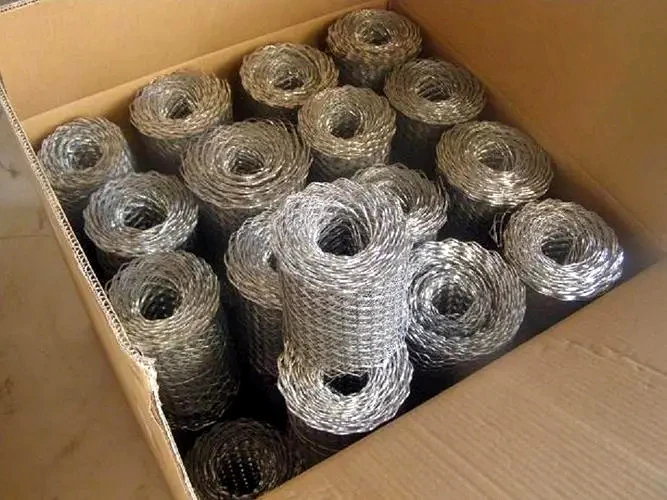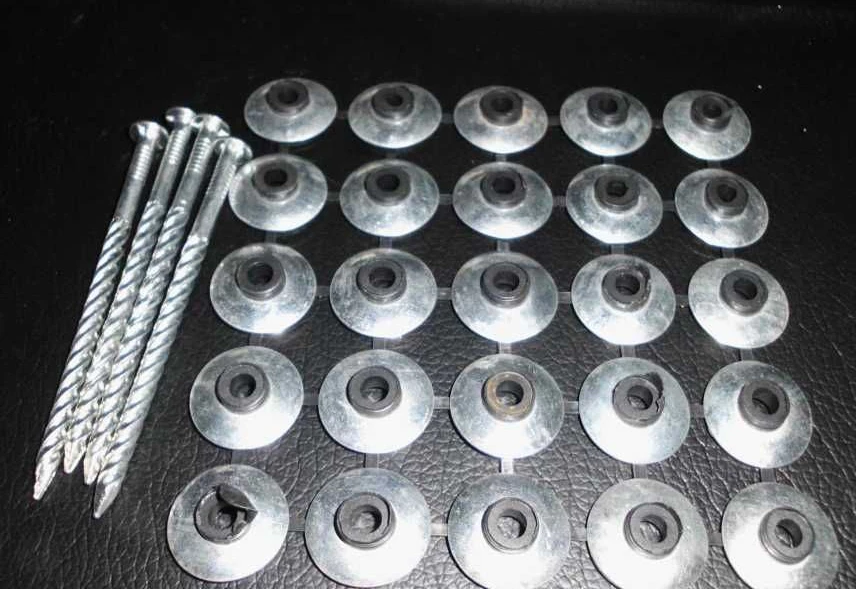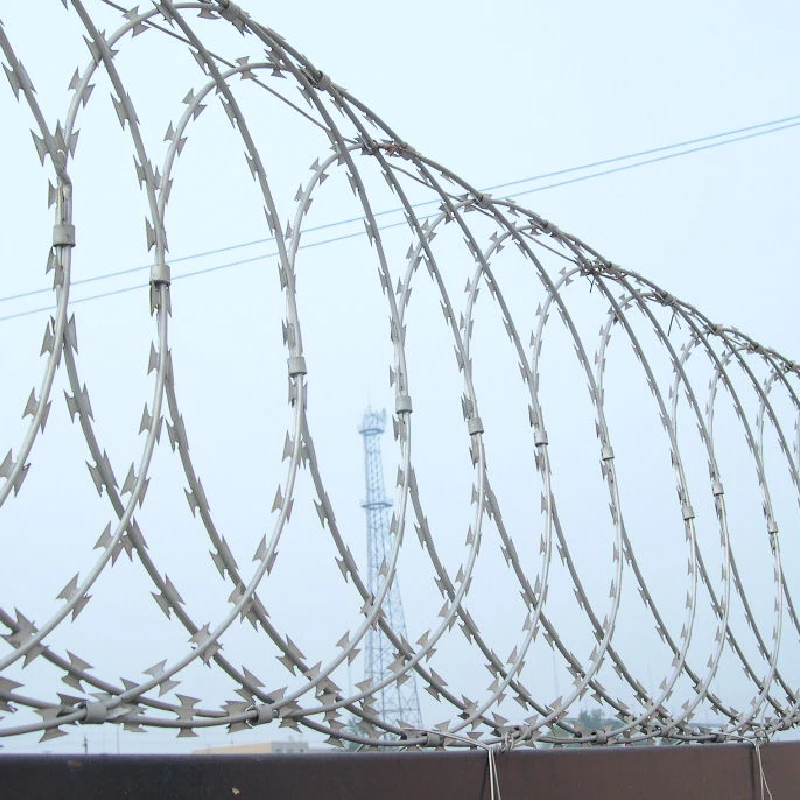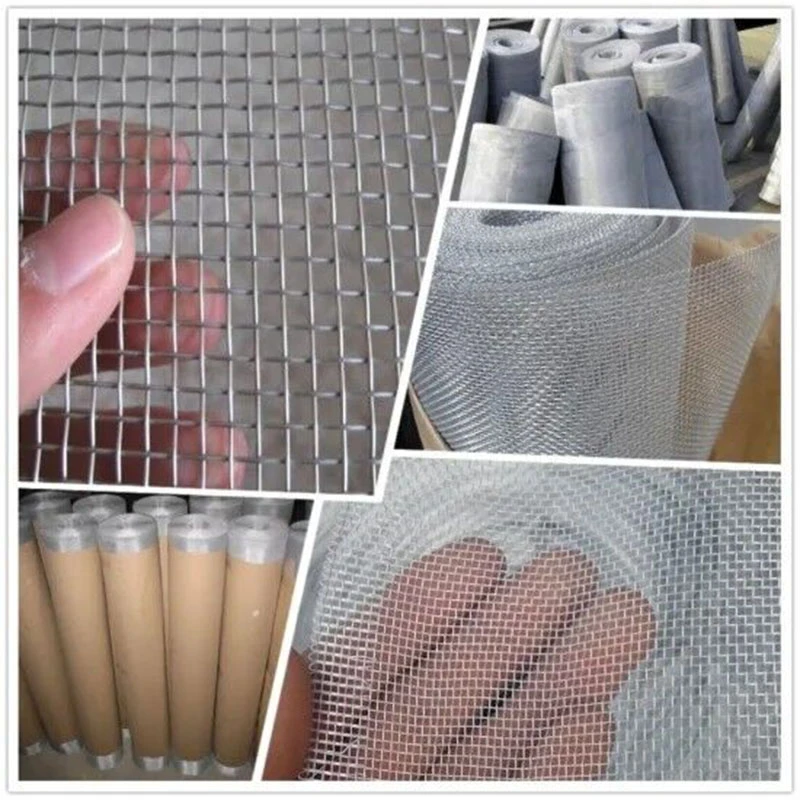
The Growing Importance of Zinc Plated Wire in Modern Industry
When you think about wires, the first image might be some bare copper strands or thick industrial cables. But zinc plated wire? It’s something else — a cleverly coated product that offers strength, durability, and corrosion resistance all wrapped into one. Globally, this seemingly humble wire plays a crucial role in sectors ranging from construction to agriculture. Simply put, zinc plating extends the life and functionality of wire, saving costs and labor in harsh environments.
Why does this matter? The World Bank and ISO data consistently point to infrastructure longevity and sustainability as key development goals worldwide. Corrosion and wear are silent enemies of many projects, leading to waste and maintenance headaches. Zinc plated wire serves as a frontline defense, ensuring that fences, reinforcement meshes, and electrical wiring are built to last.
In this article, we’ll delve into what zinc plated wire really is, why it’s trusted across continents, and how it continues to evolve with future industry demands.
Understanding Zinc Plated Wire: What Is It and Why It Matters
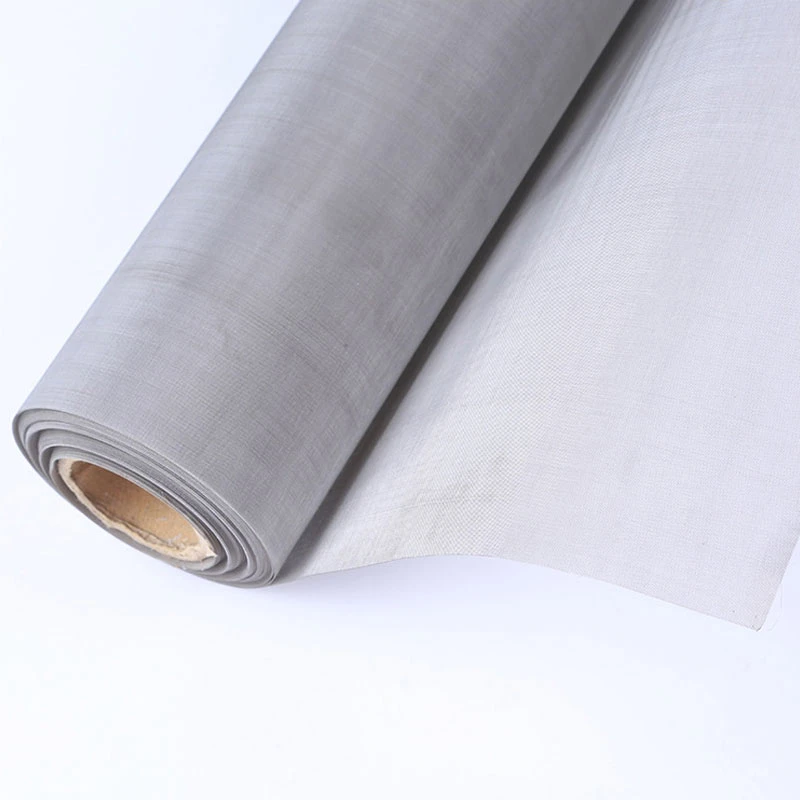
At its core, zinc plated wire is steel wire coated with a thin layer of zinc. This isn’t just a cosmetic coat. The zinc acts as a sacrificial layer, resisting rust and corrosion by oxidizing before the steel beneath can. The result? A wire that retains mechanical strength and flexibility, yet stands strong against moisture, chemicals, and rust-inducing environments.
Industries highly dependent on reliable, long-lasting wire find this invaluable — think construction rebar meshes, wire fencing, cable protection, and more. Oddly enough, the humanitarian sector also benefits, using zinc plated wire in temporary shelters and fencing in disaster relief zones where durability is critical but budgets tight.
In a globalized world facing climate change and mounting infrastructure needs, zinc plated wire ties neatly into the narrative of sustainable development and disaster resilience.
Key Features That Make Zinc Plated Wire a Go-To Choice
1. Durability and Corrosion Resistance
Zinc plating significantly extends wire lifespan by protecting against oxidation. This resistance is crucial for outdoor and industrial environments where moisture and chemicals wreak havoc on untreated steel.
2. Mechanical Strength
The base steel wire keeps its essential tensile strength and flexibility. So, zinc plating doesn’t make it brittle or overly stiff—something many engineers confirm when specifying materials for fencing or mesh.
3. Cost Efficiency
Compared to stainless steel wire or galvanized alternatives, zinc plating strikes a balance: robust protection at a lower price point. This makes it attractive across industries especially in developing regions.
4. Ease of Processing
Zinc plated wire can be drawn, woven, welded, and bent without cracking the coating, allowing for diverse applications like wire mesh, cable lacing, or intricate fencing designs.
5. Visual Appearance
The silvery finish adds an aesthetic appeal, blending well in both urban and rural settings—helpful when wire is visible and design matters.
How Zinc Plated Wire Is Used Around the World
The versatility of zinc plated wire means it’s everywhere, really. From fencing sprawling farms in South America to reinforcing concrete in urban Asia, it finds diverse roles.
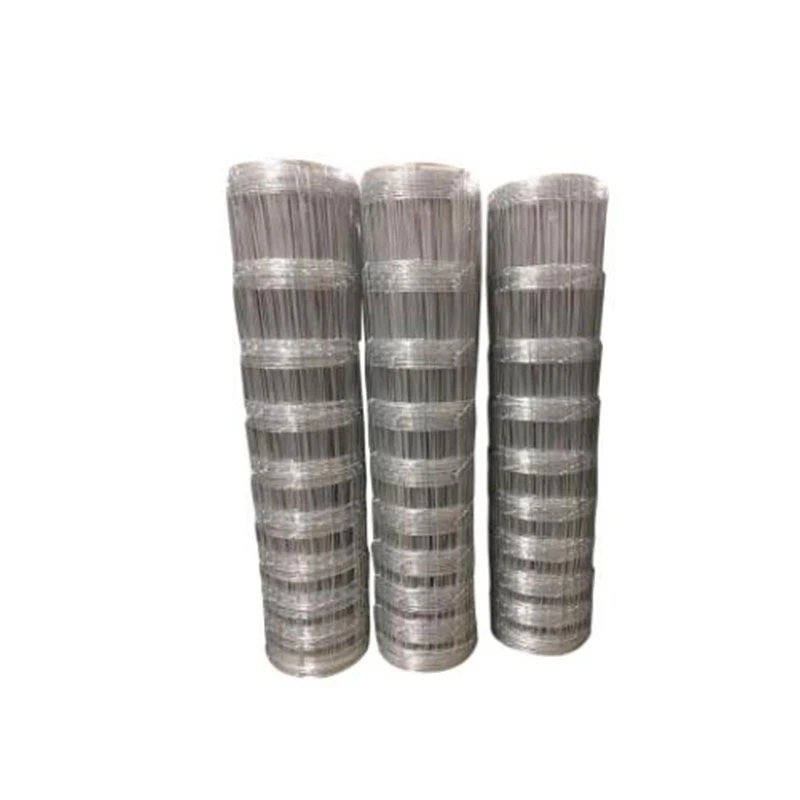
- Agriculture: Used extensively in wire fencing and trellises to protect crops and livestock from harsh weather and rodents.
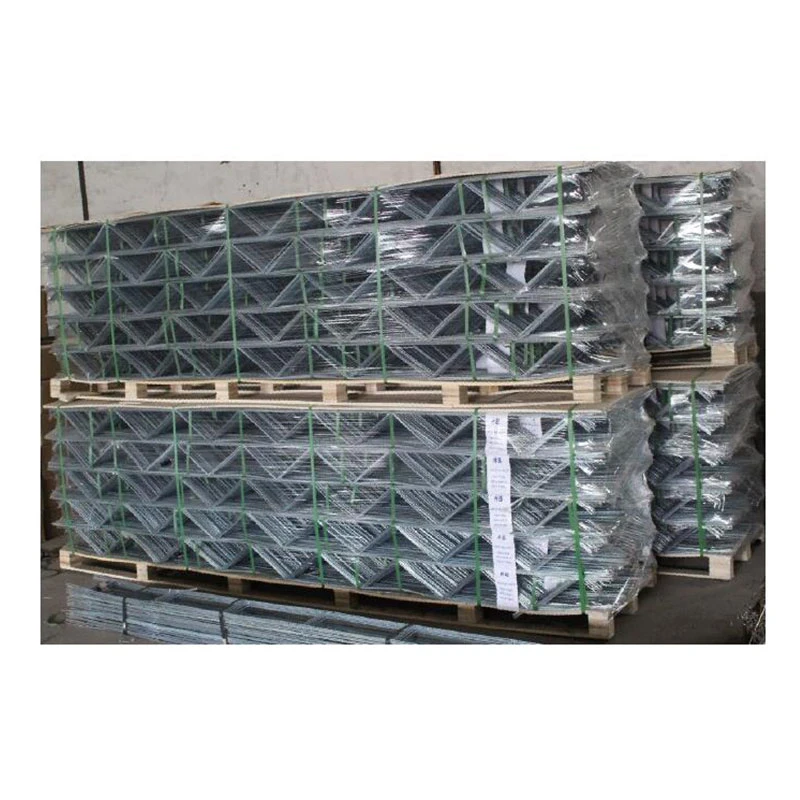
- Construction: Rebar wire mesh reinforcement in concrete structures relies on zinc plating for long-term durability.
- Infrastructure: Cable ties and lacing wire in power and communication poles benefit from zinc plating’s anti-corrosiveness.
- Disaster Relief: Temporary shelter assembly and fencing use zinc plated wire for speed and resilience in unstable environments.
For instance, NGOs in the Asia-Pacific region deploying temporary shelters post-cyclone have noted that fences and mesh made from zinc plated wire reduced replacements and maintenance by almost 30%. It’s also widely sourced in Europe, where strict ISO standards promote corrosion-resistant materials to prolong infrastructure life — a nod to sustainability goals.
Product Specifications: Common Zinc Plated Wire Grades
| Specification | Standard Range | Typical Coating Weight (g/m²) | Tensile Strength (MPa) | Common Use |
|---|---|---|---|---|
| Low Carbon Zinc Plated | 0.15-0.25 mm diameter | 80-150 | 350-450 | Agriculture fencing, trellis wire |
| High Carbon Zinc Plated | 0.3-1.2 mm diameter | 120-220 | 750-1100 | Structural reinforcements, fencing |
| Bright Zinc Plated Wire | 0.15-0.5 mm diameter | 60-100 | 300-400 | Cable supports, electrical applications |
Comparing Major Vendors of Zinc Plated Wire
| Vendor | Coating Techniques | Price Range (USD/kg) | Customization Options | Typical Lead Time |
|---|---|---|---|---|
| YJD Wire Mesh Co. | Electro-galvanized, Bright zinc finish | 1.2 – 1.6 | Diameter, tensile strength, coating weight | 2-4 weeks |
| Global Steel Wire Ltd. | Hot-dip zinc plating | 1.0 – 1.5 | Standard diameters, limited finish types | 3-5 weeks |
| EcoWire Solutions | Electro-galvanized with eco-friendly zinc alloys | 1.3 – 1.8 | Custom blends, green certifications | 4-6 weeks |
Long-Term Advantages of Choosing Zinc Plated Wire
Aside from the obvious durability, what really sells zinc plated wire is how it caters to both common sense and sustainability. Essentially, you save money through less frequent replacements and reduced maintenance. But even more, it aligns with the global push for sustainable infrastructure, reducing waste and environmental damage from rusted, discarded metals.
On a social level, infrastructures built with quality materials like zinc plated wire mean safer environments and more trust from communities. There's something reassuring about a sturdy fence or electrical setup that's not fraying or corroding after months or years in place.
Emotionally speaking, knowing your project or property is safeguarded by proven, tested materials is a subtle but significant comfort for engineers and homeowners alike. It’s the kind of product that quietly promises to hold the line.
What the Future Holds for Zinc Plated Wire
The industry is buzzing with innovations targeting greener production and smarter materials. Advances in zinc alloy coatings that reduce the environmental footprint during manufacturing are gaining traction. Automation in plating and drawing processes enhances uniformity and quality while lowering waste.
Digital transformations enable manufacturers to offer more customized wire grades and traceability—from raw materials to final product. This is especially useful for large infrastructure projects requiring strict compliance with ISO and environmental standards.
Envision wires paired with sensors—“smart wires”—that monitor tension or corrosion in real time. It sounds futuristic, but with IoT pervading every corner, zinc plated wire suppliers are eyeing these trends seriously.
Challenges & Solutions in Zinc Plated Wire Usage
Despite its benefits, zinc plated wire isn’t without challenges. The coating thickness can wear unevenly if wires are excessively bent or exposed to abrasive conditions, which might reduce protection over time. Also, in extremely corrosive environments (like marine or chemical plants), even zinc plating needs augmentation or replacement by more advanced coatings.
Experts suggest combining zinc plating with polymer coatings or using duplex systems to further enhance corrosion resistance. Additionally, precise quality control during plating and post-treatment checks can minimize weak points.
Luckily, vendor support and custom options are helping customers get exactly the right wire product without overpaying for needless features.
Frequently Asked Questions About Zinc Plated Wire
Q1: How long does zinc plated wire typically last outdoors?
A1: Under normal atmospheric conditions, zinc plated wire can maintain its protective qualities for 5 to 15 years, depending on coating thickness and environmental exposure. Maintenance and correct installation extend this lifespan notably.
Q2: Is zinc plated wire suitable for electrical applications?
A2: Yes. Zinc plating protects steel wire from corrosion while maintaining conductivity when the wire is used as a support or structural component rather than a conductor itself.
Q3: Can I use zinc plated wire in marine environments?
A3: Zinc plating alone may be insufficient for continuous marine exposure due to saltwater corrosion. Combining zinc plating with additional coatings or using stainless steel wire might be better for harsh marine conditions.
Q4: How customizable is zinc plated wire?
A4: Very customizable. Vendors often offer variations in wire diameter, coating weight, tensile strength, and finish type based on application needs and regulations.
Q5: Where can I buy quality zinc plated wire?
A5: Suppliers like YJD Wire Mesh provide a range of zinc plated wire options with customization, compliance certifications, and expert support for global clients.
In Closing: Why Zinc Plated Wire Is Worth Your Attention
Zinc plated wire might not be the flashiest material, but it plays a pivotal role in making construction, agriculture, and infrastructure projects more durable, sustainable, and cost-effective worldwide. From subtle fences protecting livelihoods to structural reinforcements holding up buildings, this material quietly keeps things together.
If longevity, affordability, and reduced maintenance resonate with your project needs, zinc plated wire is definitely worth considering. For tailored solutions and more details, visit YJD Wire Mesh — their expertise might just make your next project run smoother.