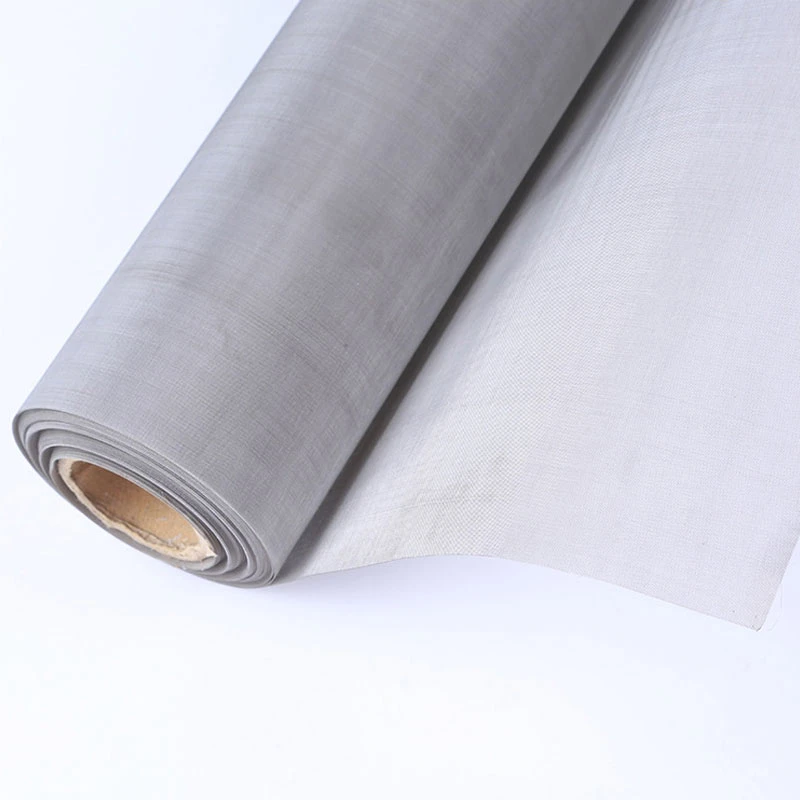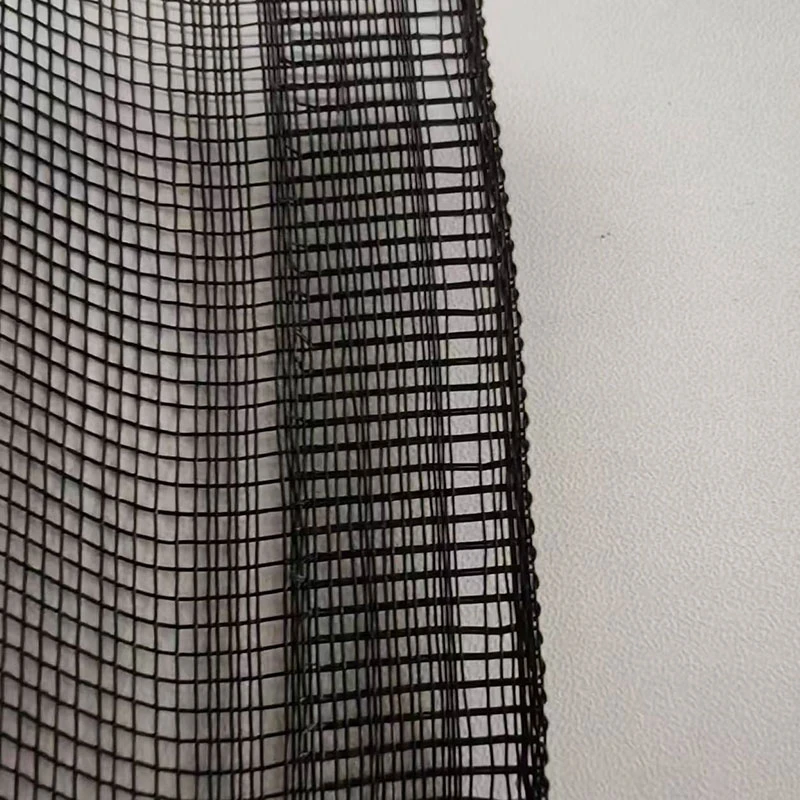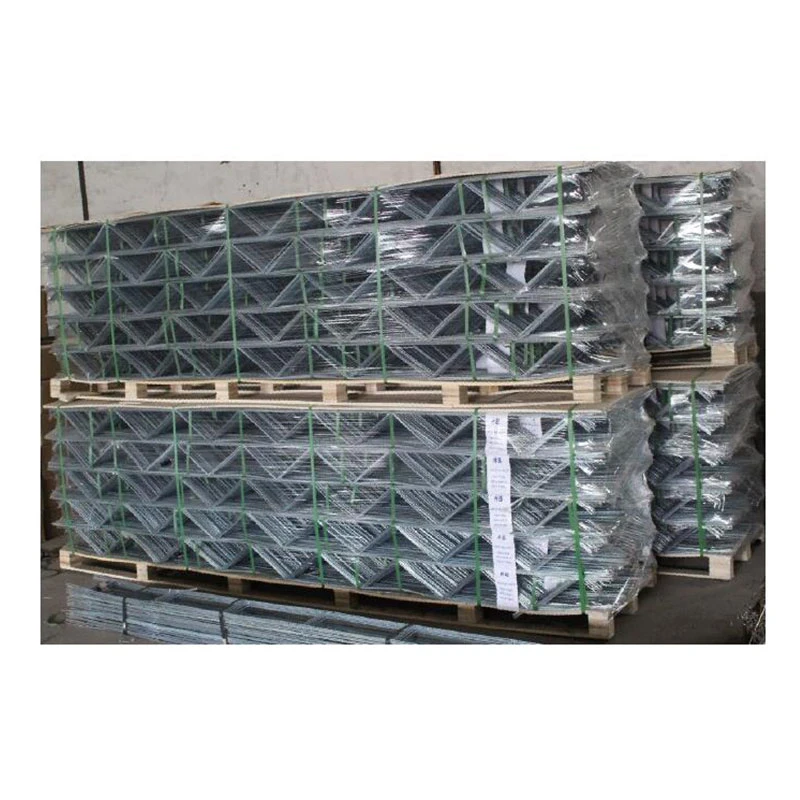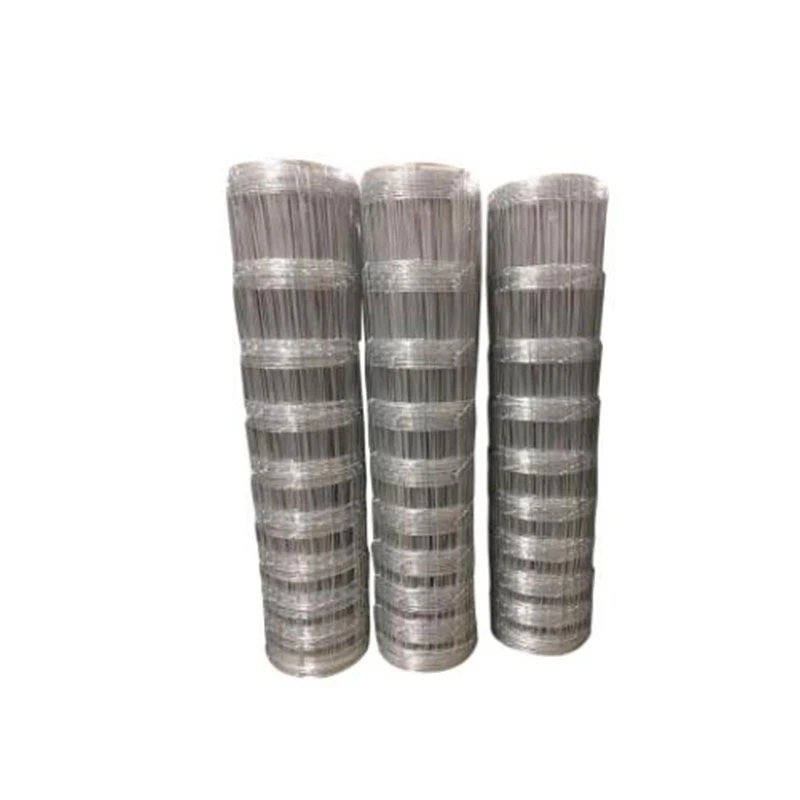
What is Zinc Coated Copper Wire and Why Does It Matter?
In today's interconnected world, materials like zinc coated copper wire form the invisible backbone of countless industries. From telecommunications and electronics to construction and humanitarian aid, this dull-sounding wire quietly ensures reliability and longevity where it counts. Globally, understanding why zinc coated copper wire matters is crucial not just for manufacturers or engineers, but for anyone interested in sustainable, efficient infrastructure.
Copper alone has always been prized for its excellent conductivity, but it can corrode and degrade over time—particularly in harsh environments. Enter zinc coating, a corrosion-resistant shield that significantly extends the wire’s usability under tough conditions. This means fewer replacements, less waste, and a big win for both economies and the environment. As industrial needs continue to grow and diversify worldwide, so does the importance of zinc coated copper wire in providing resilient, cost-effective solutions.
The Global Pulse: Zinc Coated Copper Wire in Context
Look around any urban skyline, wind farm, or remote telecommunication station, and you’re likely seeing the fruits of zinc coated copper wire applications. According to the International Copper Association, global consumption of copper wire has risen steadily, driven by urbanization and the renewable energy boom. However, with up to 30% of copper wire failures linked to corrosion issues (ISO corrosion standards), applying a zinc layer to safeguard the copper has become standard practice.
Moreover, the United Nations has highlighted durable infrastructure as part of Sustainable Development Goal 9, underlining the need for materials that combine functionality with longevity. Particularly in developing countries or disaster-prone regions, durable wiring solutions help prevent costly downtime and support rapid recovery. Zinc coated copper wire’s rise isn’t just industrial—it’s humanitarian.
Defining Zinc Coated Copper Wire
So what exactly are we talking about? At its core, zinc coated copper wire is simply copper wire dipped, sprayed, or electroplated with a thin layer of zinc. This zinc acts as a sacrificial anode — if corrosion starts, zinc corrodes first, protecting the copper beneath.
In real terms, this means the wire maintains high conductivity while dramatically increasing its resistance to the elements. It’s like giving copper a suit of armor without sacrificing flexibility or adding unwanted bulk. That’s why zinc coated copper wires have found their way into everything from power transmission lines to intricate circuitry and grounding systems—where failure isn’t an option.
Core Components of Zinc Coated Copper Wire Performance
Durability and Corrosion Resistance
Arguably the most crucial factor, the zinc coating reduces oxidation and rust dramatically. Engineers often note that galvanized copper wire outlasts bare copper by several years in coastal or industrial zones where moisture and salt abound.
Electrical Conductivity
Despite the coating, the wire preserves copper’s high conductivity. The zinc layer is thin enough not to interrupt current flow, allowing applications with strict electrical requirements—like in telecom—without compromise.
Cost Efficiency
Adding zinc coating might raise upfront costs slightly, but the lifespan extension and reduced maintenance far outweigh that. In large-scale projects, the savings on replacement and downtime can reach impressive margins.
Flexibility and Scalability
Zinc coated copper wire remains highly pliable and can be produced in strands or gauges tailored to specific needs, making it suitable for everything from tiny electronics to massive industrial systems.
Environmental Benefits
The zinc helps reduce waste and resource consumption by extending product life. Plus, both copper and zinc are recyclable, helping close the loop on material reuse—a key step towards circular economy goals.
Safety and Compliance
Many industrial and safety codes recognize the enhanced performance of zinc coated copper wire, ensuring designs meet strict quality and hazard-prevention standards.
Mini takeaway: Each of these core traits combines to make zinc coated copper wire a trustworthy, multi-purpose material that appeals across industries and climates.
Real World Uses: Where Zinc Coated Copper Wire Shines
- Power Distribution Networks: In urban grids and rural areas alike, zinc coated copper wires reduce outages caused by corrosion, especially in humid or coastal settings.
- Telecommunications: Fiber optic and copper-based communication lines rely on the wire’s reliability for signal integrity and long-term service.
- Construction: Electrical wiring in buildings benefits from zinc coating to meet building codes and ensure occupant safety over decades.
- Disaster Relief & Remote Installations: In places like hurricane-hit Caribbean islands or remote mining facilities in Africa, the resilience of zinc coated wires supports crucial infrastructure under extreme conditions.
- Green Energy Projects: Solar farms and wind turbines demand durable wiring resistant to weather; zinc coated copper wire fits perfectly.
Example: A telecom company in southeast Asia reported a 40% drop in cable replacements after switching to zinc coated copper wiring in their coastal towers. That certainly speaks volumes about real savings and reliability.
Advantages & Long-Term Value of Zinc Coated Copper Wire
The tangible benefits of choosing zinc coated copper wiring go beyond the obvious. While cost and durability are front and center, the emotional side can’t be ignored. Engineers, project managers, and end-users alike develop trust in a wire that ‘just works.’ Safety feels enhanced, downtime shrinks, and innovation flows because surprises from corrosion don’t threaten timelines.
From a sustainability perspective, longer-lasting materials require fewer replacements — a key sustainability win that helps industries meet environmental goals and reduces landfill pressure. In real terms, this can translate into smaller carbon footprints and financially sound operations, which stakeholders love.
Looking Ahead: Trends and Innovations
Industry insiders are excited about new zinc-copper alloy coatings and eco-friendly galvanizing methods that further reduce environmental impact while boosting performance. Automation in manufacturing means even more consistent coatings and tighter quality control.
Smart infrastructure initiatives are driving demand for materials that integrate well with sensors and monitoring systems—zinc coated copper wires are evolving to carry digital signals in smart grids and IoT devices. Also, reuse and recycling processes are improving thanks to ISO standards and new regulations pushing circular material use.
Challenges and How They’re Being Tackled
Of course, zinc coated copper wire isn’t a silver bullet. One challenge is the initial higher material cost—though this is typically recouped over time. Another is the risk of improper coating thickness causing premature failure, a problem being addressed by better quality assurance through advanced testing technologies.
There’s ongoing research into alternative coatings and hybrid materials that might offer even longer life or specialized resistance, especially in extreme chemical environments.
In practice, manufacturers and engineers remind us that correct installation is just as crucial as product quality—poor handling can negate many of the zinc coating’s benefits.
FAQ: Common Questions About Zinc Coated Copper Wire
- What makes zinc coated copper wire preferable to bare copper wire?
- Zinc coating dramatically improves corrosion resistance without compromising electrical performance. This results in longer lifespan, reduced maintenance costs, and better reliability in harsh environments.
- Can zinc coated copper wire be used outdoors?
- Absolutely. It’s specifically designed for outdoor and industrial environments where moisture, salt, or pollutants would quickly corrode bare copper.
- Is zinc coating environmentally friendly?
- Yes—both copper and zinc are highly recyclable, and the coating reduces waste by extending the life of wiring, supporting sustainability goals.
- How thick is the zinc coating on the wire?
- Thickness varies depending on application but typically ranges from 5 to 20 microns, carefully balanced to protect without affecting conductivity.
- Where can I source high-quality zinc coated copper wire?
- Reliable vendors include specialized manufacturers like those featured below. Always check certifications and test reports before purchasing.
Product Specifications & Vendor Comparison
| Specification | Typical Range | Notes |
|---|---|---|
| Copper Purity | 99.9%+ | Ensures conductivity and strength |
| Zinc Coating Thickness | 5–20 microns | Varies by environment/needs |
| Diameter Range | 0.1 mm – 10 mm | Stranded or single wire options |
| Tensile Strength | 210–350 MPa | Depends on gauge and grade |
| Compliance | ISO 9001, ASTM B633 | Quality & safety standards |
| Vendor | Product Range | Lead Time | Country | Certifications |
|---|---|---|---|---|
| YJD Wire Mesh | Custom zinc coated copper wires & mesh | 2-4 weeks | China | ISO9001, ASTM |
| Global Wire Co. | Standard gauge & specialty coatings | 3-6 weeks | USA | ISO9001, RoHS |
| CopperTech Ltd. | High-performance zinc alloys | 4-5 weeks | Germany | ISO14001, ISO9001 |
Wrapping It Up: Why Zinc Coated Copper Wire Should Be On Your Radar
Frankly, zinc coated copper wire feels like one of those unsung heroes — quietly working and rarely in the spotlight but utterly indispensable. Its unique combination of durability, conductivity, and sustainability keeps industries humming across the globe, from the skyscrapers in metropolitan hubs to the solar farms in the desert.
With evolving tech and rising demand for greener, longer-lasting materials, zinc coated copper wire’s role is only set to grow. Whether you’re in design, procurement, or just curious about materials science, knowing about these wires can spark better decisions and innovations.
If you’d like to explore quality options, custom solutions, or technical support, why not visit YJD Wire Mesh? You’ll find detailed specs and expert advice to help navigate your next project.
Mini takeaway: Investing in zinc coated copper wire isn’t just buying hardware, it’s choosing resilience, efficiency, and a smarter future.