Understanding Galvanized Concrete Nails: A Comprehensive Guide
Galvanized concrete nails are essential fasteners in a wide range of construction and DIY projects, particularly when working with concrete, brick, and masonry. Their corrosion resistance and robust design make them ideal for demanding applications. This article delves into the specifics of galvanized concrete nails, covering their features, applications, benefits, and how to choose the right nail for your project. We’ll explore why they are a preferred choice for professionals and homeowners alike.
What are Galvanized Concrete Nails?
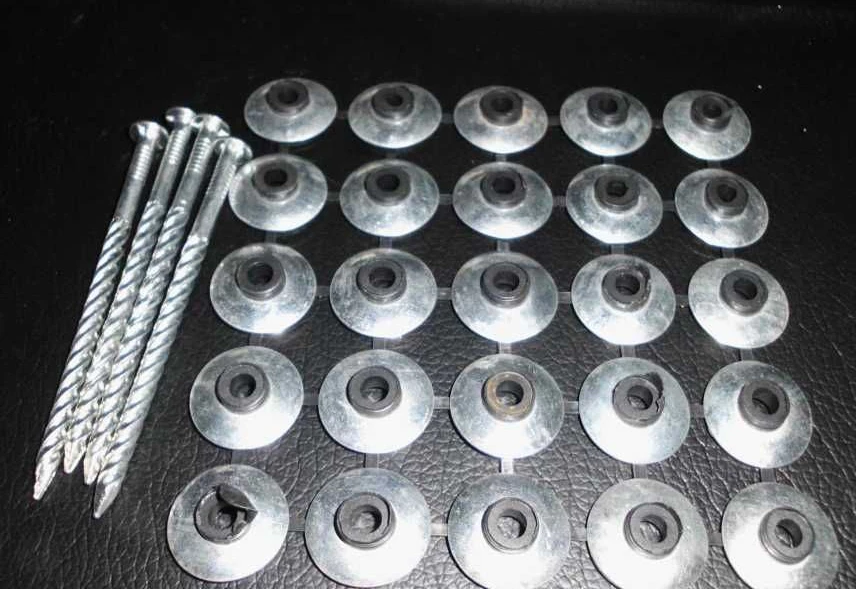
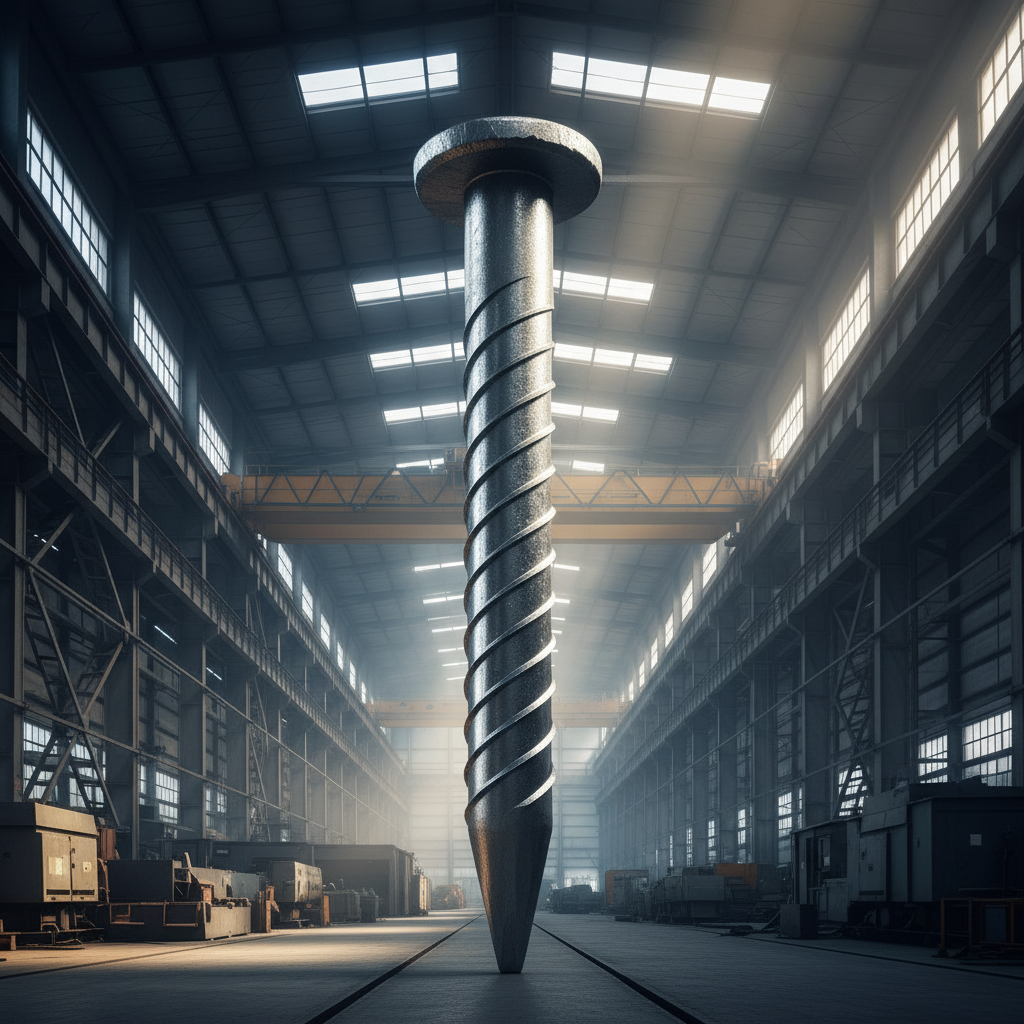
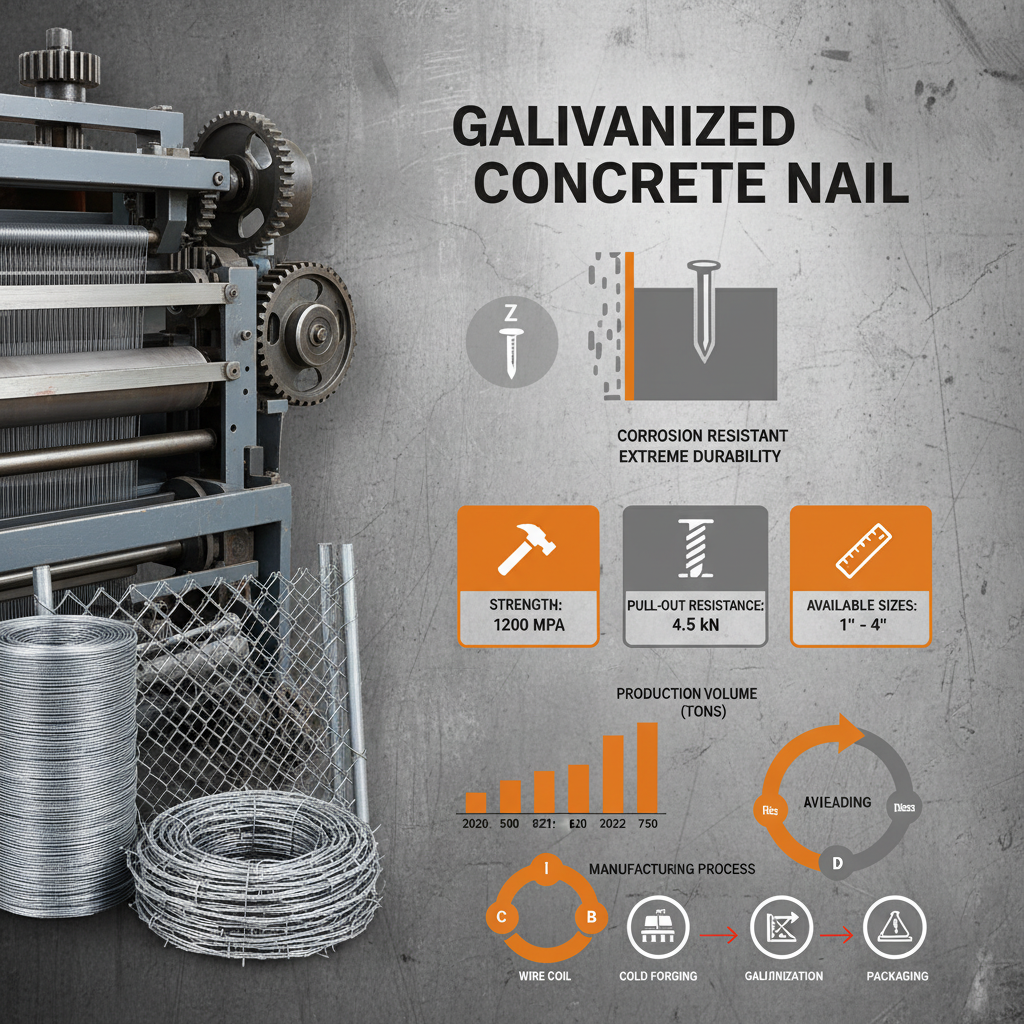
Galvanized concrete nails are specifically designed for fastening into hard materials like concrete, brick, and block. The ‘galvanized’ aspect refers to the protective zinc coating applied to the steel nail. This coating prevents rust and corrosion, significantly extending the nail's lifespan, especially when exposed to moisture and harsh weather conditions. Unlike standard steel nails, galvanized concrete nails maintain their strength and integrity over time, making them a reliable choice for both indoor and outdoor applications. These nails typically feature a hardened steel body and a specially designed head for secure holding power.
Key Highlights: Corrosion-resistant zinc coating, hardened steel construction, designed for concrete/masonry, suitable for indoor and outdoor use.
Applications of Galvanized Concrete Nails
The versatility of galvanized concrete nails makes them suitable for numerous projects. Common applications include: attaching furring strips to concrete walls, securing wood framing to concrete foundations, installing shelving and fixtures into masonry, and fastening siding or cladding to concrete surfaces. They are also frequently used in fencing construction, landscaping projects, and general repairs around the home or construction site. Their holding power and resistance to corrosion are particularly valuable in outdoor applications where exposure to the elements is a concern.
Application Benefits:
• Securing wood to concrete/masonry
• Attaching furring strips and framing
• Installing shelves and fixtures
• Fencing and landscaping
Choosing the Right Galvanized Concrete Nail
Selecting the appropriate galvanized concrete nail is crucial for project success. Factors to consider include nail length, diameter (gauge), and head type. Longer nails provide greater holding power in thicker materials, while thicker nails (lower gauge numbers) offer increased strength. Common head types include flat, cupped, and ribbed. Cupped head nails provide a larger bearing surface for enhanced holding power. Ribbed heads offer a more secure grip when hammering. Understanding your specific application will guide you towards the optimal nail selection.
Galvanized vs. Non-Galvanized Concrete Nails
The primary difference between galvanized and non-galvanized concrete nails lies in their corrosion resistance. Non-galvanized nails are susceptible to rust and corrosion, particularly in damp or outdoor environments. This can compromise their strength and lead to premature failure. Galvanized nails, with their protective zinc coating, offer significantly improved longevity and reliability in these conditions. While non-galvanized nails may be suitable for temporary indoor applications, galvanized nails are the preferred choice for long-term durability and performance.
Benefits of Using Galvanized Concrete Nails
Using galvanized concrete nails offers numerous advantages. They provide exceptional holding power in concrete and masonry, resist corrosion, ensuring long-lasting performance, are suitable for both indoor and outdoor applications, and offer a cost-effective fastening solution. Investing in quality galvanized concrete nails can save you time and money in the long run by reducing the need for frequent repairs or replacements. They are a reliable and durable choice for any construction or DIY project involving concrete or masonry.
Conclusion: The Reliable Choice for Masonry Fastening
For any project requiring a secure and lasting hold in concrete or masonry, galvanized concrete nails are the ideal solution. Their corrosion resistance, strength, and versatility make them a cornerstone of construction and DIY endeavors. Choose quality nails for lasting peace of mind.
Frequently Asked Questions (FAQs)
What is the best way to hammer galvanized concrete nails?
Hammering concrete nails requires a firm, controlled approach. Start by pre-drilling a pilot hole slightly smaller than the nail diameter to prevent concrete cracking. Hold the nail perpendicular to the surface and use steady, forceful blows. Avoid angling the hammer, as this can bend the nail. A nail set can be used to drive the nail head flush with the surface without damaging the surrounding material. Wear safety glasses to protect your eyes from flying debris.
Are galvanized concrete nails suitable for outdoor use?
Yes, galvanized concrete nails are specifically designed for outdoor use. The zinc coating provides excellent corrosion resistance, protecting the nails from rust and degradation caused by moisture, sunlight, and other environmental factors. This makes them ideal for fencing, siding, landscaping, and other exterior projects where long-term durability is essential.
Can I use galvanized concrete nails with a nail gun?
While some nail guns can be used with concrete nails, it's crucial to use a nail gun specifically designed for masonry applications. Standard nail guns may not have the power to drive the nails fully into the concrete without bending or damaging them. Always consult your nail gun's manual to ensure compatibility before attempting to use concrete nails.