A Closer Look at 1/2 Inch Galvanized Chicken Wire: Why It Still Matters Globally
In an age dominated by high-tech materials and futuristic construction, it may seem odd to linger on something as humble and old-fashioned as 1/2 inch galvanized chicken wire. Yet, this little mesh of galvanized steel has quietly maintained its global relevance for decades. Why? Because it blends affordability, durability, and versatility in a way that still addresses some of the world’s most practical challenges.
Whether it's protecting crops, securing small-scale livestock, or even aiding in humanitarian relief efforts, understanding the nuances of galvanized chicken wire isn’t just about backyard chicken coops anymore — it matters worldwide. The World Bank estimates that nearly 60% of rural populations in developing nations depend on small-scale farming, where such materials play a key role in livelihoods and food security. Meanwhile, organizations like the United Nations often incorporate galvanized wire mesh into rapid shelter construction and fencing for displaced communities, highlighting unexpected humanitarian importance.
Mini takeaway: Despite its simplicity, 1/2 inch galvanized chicken wire remains vital globally as a cost-effective, practical resource that helps feed and protect communities.
What Exactly Is 1/2 Inch Galvanized Chicken Wire?
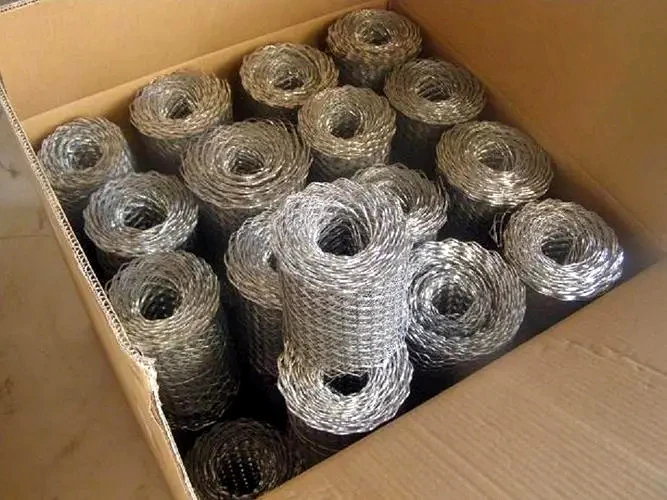
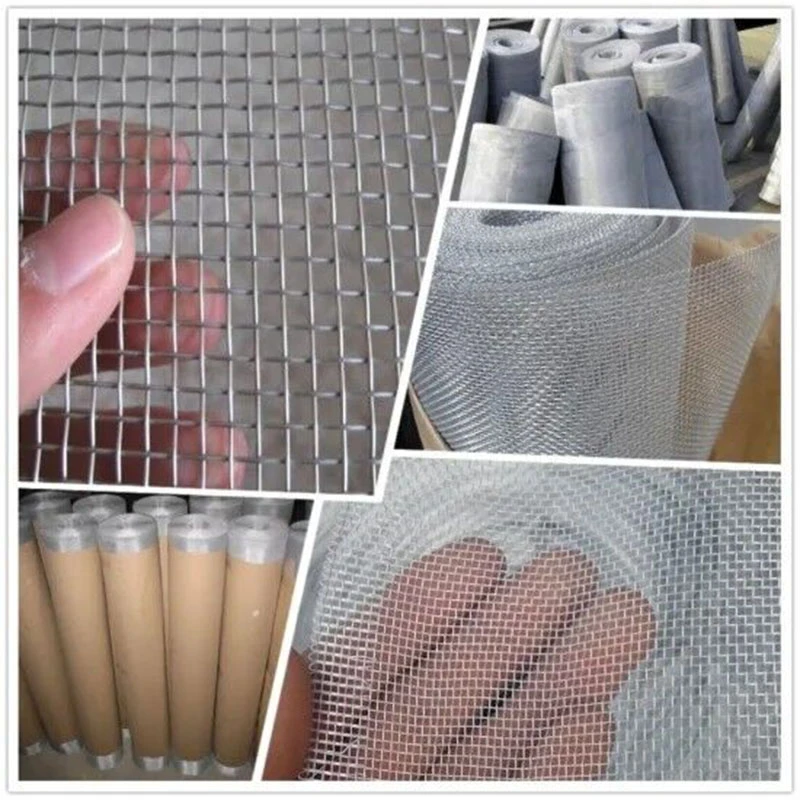
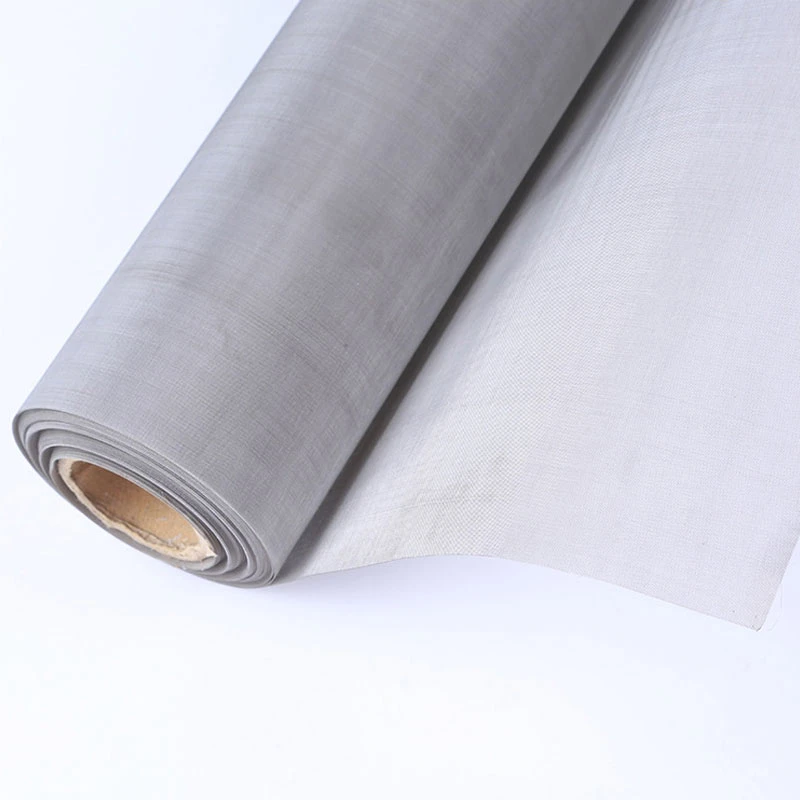
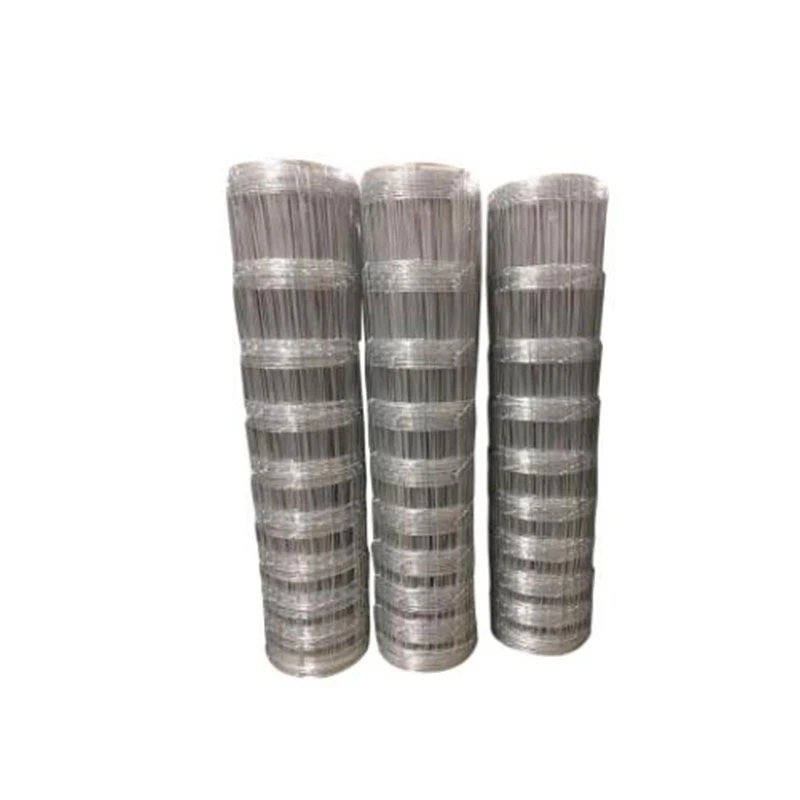
So, what are we really talking about? Simply put, 1/2 inch galvanized chicken wire is a pliable mesh made of thin steel wires twisted together, with small diamond-shaped openings measuring roughly half an inch across. The “galvanized” part means the steel has been coated with zinc to prevent rust and corrosion — crucial for outdoor or agricultural use.
This wire mesh isn’t just for coops. It’s an accessible barrier material that supports modern industry, smallholder farming, and even disaster response infrastructure. Because the mesh size is small but not too small, it strikes the perfect balance of containing small animals like chickens while maintaining airflow and visibility. Its widespread production follows ISO standards ensuring quality and durability — a big plus when you suddenly need to build a secure pen in rural Ethiopia or a makeshift fence for a refugee camp in Jordan.
Key Features That Make This Wire Mesh a Staple
Durability & Weather Resistance
The galvanized coating offers excellent rust protection — a non-negotiable factor since the wire faces rain, humidity, and sometimes salt air. This zinc layer means a typical galvanized mesh can last from 5 to 15 years outdoors, depending on conditions.
Optimal Mesh Size
The 1/2 inch (approximately 12.7 mm) opening size perfectly balances strength with utility — keeping chickens in, predators out, and allowing ventilation. Smaller meshes can be heavier and pricier, while larger ones lose containment efficiency.
Flexibility & Ease of Installation
One charming feature engineers and farmers alike love is how easy it is to mold, cut, and staple this wire. It’s light enough to handle solo but sturdy enough to stay taut once installed.
Cost Efficiency
Because it’s mass-produced and standardized, prices are kept reasonable on a global scale. This accessibility is what makes it a go-to for small-scale users and NGOs alike.
Customizability
Various gauges (wire thickness) are available, allowing buyers to pick based on their needs — from light-duty fencing to more secure containment.
| Specification | Typical Value |
|---|---|
| Mesh Opening Size | 1/2 inch (12.7 mm) |
| Wire Gauge | 20 to 24 gauge (0.5–0.8 mm) |
| Coating | Hot-dip galvanized zinc layer (40-100 g/m²) |
| Roll Length | 25 to 100 meters |
| Roll Width | 0.5 to 1 meter |
Mini takeaway: The combination of zinc coating, optimal mesh size, and flexible wire gauges makes this wire mesh practical, durable, and easy for many uses.
Real-World Uses and Global Reach
The charm of this specific type of galvanized chicken wire is its worldwide footprint. Here are a few places and sectors where it shines:
- Agriculture: Farmers from Iowa to Kenya use it to build predator-proof chicken coops and rabbit hutches.
- Construction: It can form a cheap yet reliable barrier for scaffolding or reinforce stucco walls in some regions.
- Humanitarian Aid: Agencies employ it for rapid fencing to protect camps or to create frames for temporary shelters.
- Gardening & Landscaping: It’s popular for garden fencing to keep out rabbits and deer without hampering airflow or aesthetics.
In post-disaster relief zones, such as the aftermath of typhoons in the Philippines or floods in Bangladesh, quick fencing solutions prevent looting and protect livestock. Oddly enough, despite the rush to deploy digital tech in many fields, sometimes the forgotten classics like galvanized chicken wire still save the day.
Mini takeaway: The robust utility and cost-effectiveness ensure 1 2 inch galvanized chicken wire continues to serve diverse sectors worldwide, fostering safety and productivity.
Advantages and Long-Term Benefits You Might Not Expect
Why does a farmer in rural India or an aid worker in Jordan prefer galvanized chicken wire? Beyond the obvious physical toughness, several benefits stand out:
- Cost Savings: Compared to wood or plastic fencing, galvanized mesh offers longevity at a fraction of long-term expense.
- Environmental Friendliness: Steel is recyclable, and the longevity cuts down waste and frequent replacements.
- Social Impact: Secure fencing boosts farmer confidence by protecting their livelihoods. It’s about security, dignity, and trust.
- Reliability: It performs predictably even in tough climates, unlike cheaper materials that might degrade quickly.
It’s funny how something so “simple” ticks so many boxes — emotionally reassuring and practically efficient.
Emerging Trends and Innovations in Wire Mesh Technology
The industry isn’t standing still. Innovations are underway to improve the galvanized chicken wire experience:
- Eco-Friendly Coatings: New zinc alternatives and biodegradable coatings aim to reduce environmental footprint even further.
- Smart Fencing Solutions: Though still niche, integrating sensors to detect tampering or animal movement is becoming feasible.
- Automation in Production: Advances in machinery deliver more consistent quality at lower costs, broadening accessibility.
In line with green energy shifts and sustainable development goals, even traditional products like galvanized chicken wire find their place in a modernizing world.
Common Challenges and How Industry Experts See Them Addressed
Of course, no product is perfect. Some challenges include:
- Corrosion in Harsh Environments: Coastal or industrial pollution zones can wear down zinc coatings faster.
- Installation Issues: Improper tension leads to sagging and less effective barriers.
- Wildlife Damage: Persistent animals can sometimes break through weaker gauges.
Solutions involve:
- Using thicker or double galvanized coatings for harsh sites.
- Training installers and providing better fastening hardware.
- Pairing the wire mesh with electrified fencing or stronger gauge sections where needed.
Many engineering teams emphasize that the right product-client fit is the best “fix” — a bit like matchmaking.
Frequently Asked Questions About 1/2 Inch Galvanized Chicken Wire
- How long does galvanized chicken wire typically last outdoors?
- Depending on environment and coating thickness, it can last between 5 to 15 years, with coastal areas tending to experience shorter lifespans due to salt corrosion.
- Can I reuse galvanized chicken wire after disassembly?
- Yes, the durable zinc coating allows reuse if the wire is carefully removed and stored. However, avoid bending the mesh excessively as it can weaken the structure.
- Is 1/2 inch chicken wire suitable for predator control?
- For small predators like raccoons or snakes, it generally works well. For larger or stronger animals, heavier gauge or electrified fencing might be necessary.
- What are the environmental impacts of producing galvanized wire?
- Galvanizing is energy-intensive and involves zinc usage, but steel recycling rates are high, and innovations aim to reduce environmental impacts continually.
- Where can I buy quality 1/2 inch galvanized chicken wire?
- Reliable vendors include specialist wire mesh suppliers — here is a trusted source well-known for quality and competitive prices.
Wrapping It Up: Why 1/2 Inch Galvanized Chicken Wire Remains a Practical Classic
After all’s said and done, this unassuming mesh is no relic. It still holds a crucial place in farming, construction, and aid worldwide. Its blend of affordability, durability, ease of use, and environmental sensibility means that even in a high-tech world, reliable galvanized chicken wire is far from obsolete. Want to see what options fit your needs best? Feel free to visit our website to explore quality, tailored solutions.
| Vendor | Gauge Range Available | Coating Type | Typical Roll Sizes (M) | Delivery Regions |
|---|---|---|---|---|
| YJD Wire Mesh | 20-24 gauge | Hot-dip galvanized | 25, 50, 100 m | Global, incl. Africa, Asia, Europe |
| Global Mesh Corp. | 18-22 gauge | Electro-galvanized | 30, 60 m | North America, Europe |
| AgriSteel Supplies | 22-26 gauge | Hot-dip galvanized with UV coating | 25, 40 m | Australia, New Zealand, SE Asia |
References:
1. Wikipedia - Galvanization
2. World Bank - Agriculture Overview
3. United Nations High Commissioner for Refugees (UNHCR)