Understanding 2 mm GI Wire: What It Is and Why It Matters Globally
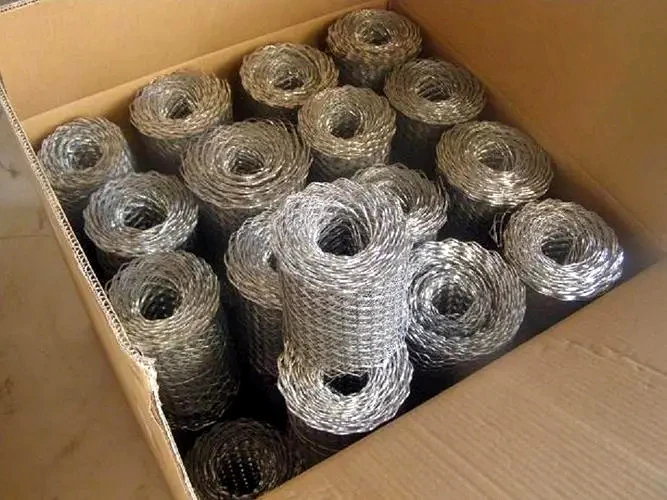
If you’ve ever wandered through a construction site or peeked into an industrial warehouse, you might have noticed rolls of wire labeled “GI wire.” Among these, 2 mm GI wire is quite popular — but what exactly does it mean, and why should we care beyond just the hardware store? At its core, 2 mm GI wire is galvanized iron wire with a diameter of 2 millimeters, utilized extensively across industries worldwide due to its versatility, durability, and cost-effectiveness. Understanding this humble but essential material gives you a window into global manufacturing trends, humanitarian infrastructure, and sustainable building practices.
Introduction: The Global Footprint of 2 mm GI Wire
Globally, galvanized iron wire constitutes a massive share of industrial wire consumption. As per the International Organization for Standardization (ISO), galvanized iron wire production approaches millions of tons annually, and variations like the 2 mm size are especially favored. Why? This size hits a sweet spot — thick enough to offer mechanical strength, but thin enough to be flexible and versatile.
Its relevance isn’t confined just to development-heavy industries. According to the United Nations Office for Disaster Risk Reduction (UNDRR), resilient infrastructure materials are crucial for disaster-prone regions. 2 mm GI wire frequently appears in fencing, mesh reinforcement, and temporary shelter setups. But there’s a problem – not every region has easy access to durable wire products, complicating logistics and disaster response. That’s where understanding such components is vital for planners worldwide.
What Is 2 mm GI Wire?
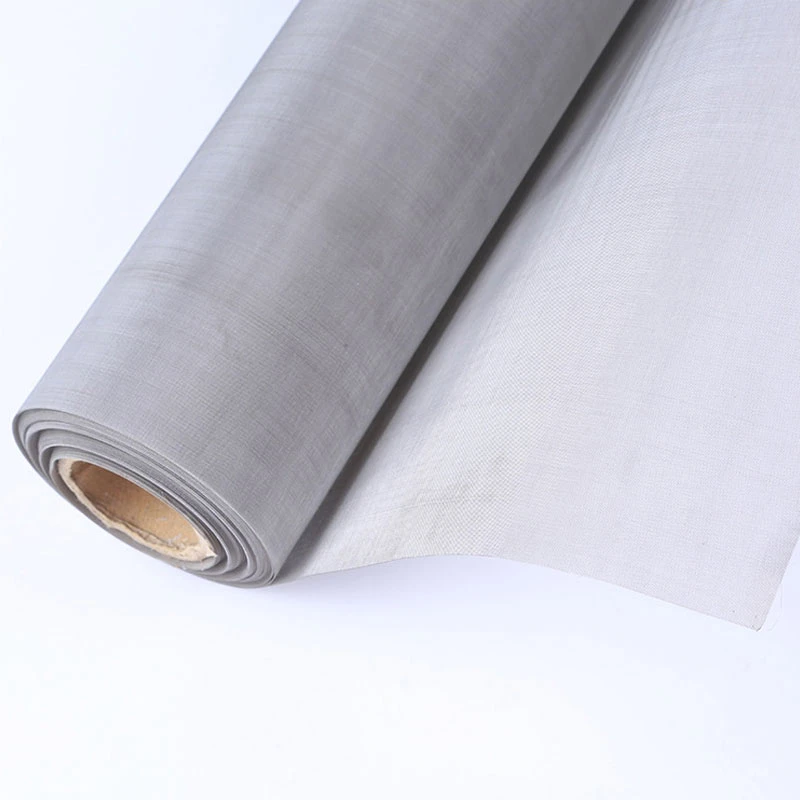
Simply put, 2 mm GI wire is a steel wire with a diameter of 2 millimeters, coated with a layer of zinc (galvanization). This zinc layer prevents rust and corrosion, extending the lifespan of the wire even in harsh outdoor conditions.
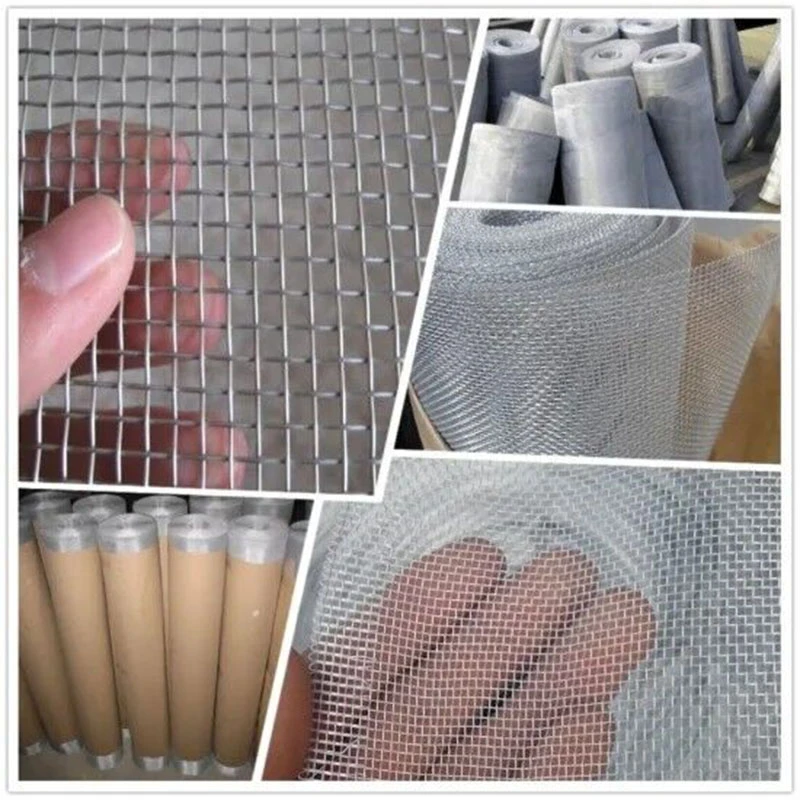
It might sound technical — and, frankly, it is at a chemical level — but the practical takeaway is that it’s a rugged, reliable material used for everything from building fences, creating wire mesh for strengthening concrete, to crafting cages or supports.
In humanitarian contexts, this means it can be shipped to emergent zones and easily deployed for creating safe, weather-resistant barriers or shelters. It’s sort of a quiet backbone of infrastructure, unnoticed yet crucial.
Core Features of 2 mm GI Wire
Durability
The galvanized zinc coating is the primary reason this wire resists rust and wear, extending usability in outdoor and industrial environments. When humidity or rain would normally degrade plain steel, GI wire holds up well.
Flexibility & Strength
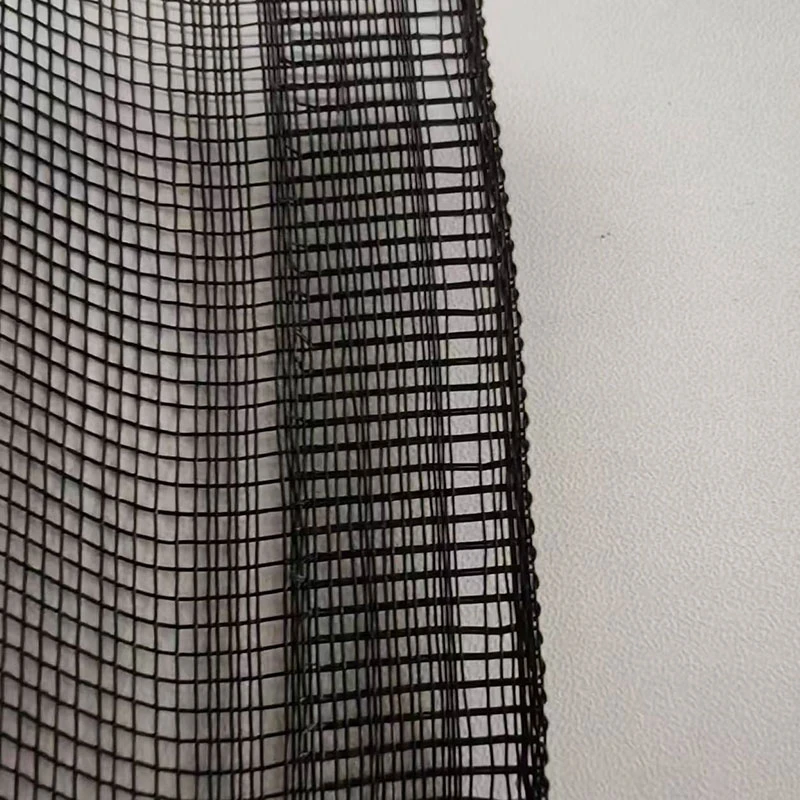
While steel itself is strong, a 2 mm diameter balances tensile strength with enough flexibility for shaping by hand or machine. This makes it adaptable for various designs, from woven wire mesh to structural supports.
Cost Efficiency
Galvanization adds longevity without drastically increasing cost, making 2 mm GI wire a budget-friendly choice when compared to stainless steel or other corrosion-resistant metals.
Compatibility & Scalability
Its standard size and specifications mean it fits seamlessly into automated processes, whether for mass mesh production or customized fence fabrication.
Eco-Friendliness
Zinc-coated wire is recyclable. In fact, recycling galvanized steel is widely promoted under ISO environmental standards to reduce carbon footprints — a growing concern as industries pivot toward sustainability.
Product Specification Table for 2 mm GI Wire
| Specification | Details |
|---|---|
| Material | Low Carbon Steel |
| Diameter | 2 millimeters (±0.05 mm) |
| Galvanization Method | Hot Dip / Electro Galvanized |
| Zinc Coating Thickness | 60–100 grams/sq.m |
| Tensile Strength | 380–450 MPa |
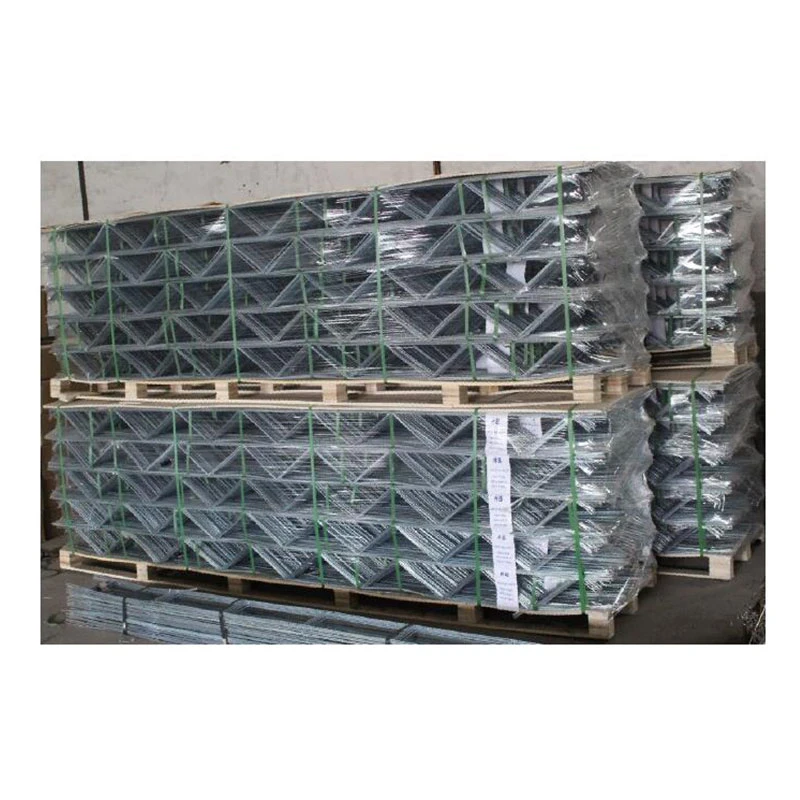
| Common Lengths Sold | 50 m to 1000 m coils |
How 2 mm GI Wire Serves Global Markets
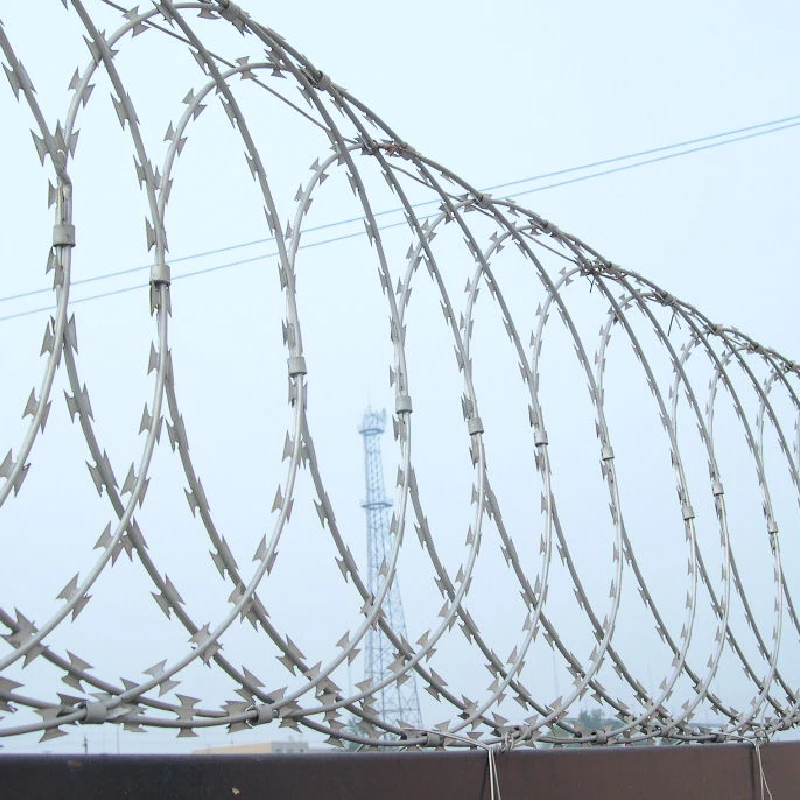
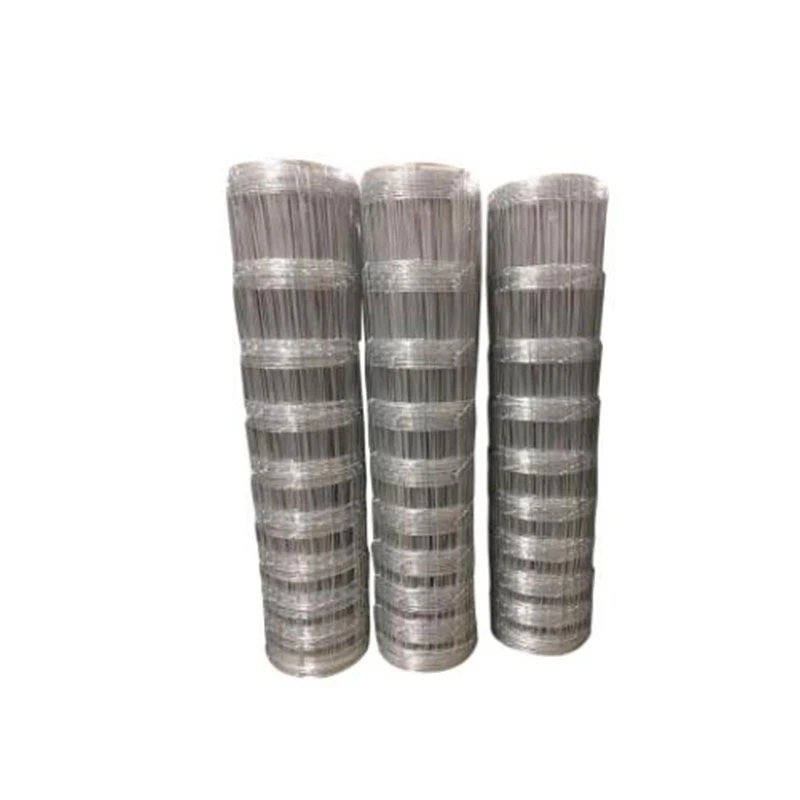
Around the world, 2 mm galvanized iron wire finds a place in diverse use cases. In agriculture, it forms fencing to secure livestock or delineate plots. Construction sectors in Asia and Africa use it to reinforce concrete or install protective mesh.
Oddly enough, in post-disaster relief operations — for instance after floods or earthquakes — quick-to-deploy fences and shelters made using 2 mm GI wire often stabilize living conditions. NGO workers in refugee camps also rely on this wire for safety installations.
Industries that come to mind include mining, for supporting tunnels, manufacturing for crafting hardware, and residential projects worldwide. Some remote industrial zones use it for temporary barriers where other materials are prohibitively expensive or unavailable.
Comparing Leading Vendors of 2 mm GI Wire
| Vendor | Galvanization Type | Typical Coil Length | Zinc Coating (g/m²) | Estimated Cost per kg |
|---|---|---|---|---|
| YJD Wire Mesh Co. | Hot Dip | 100 m / 500 m coils | 80–100 g/m² | $1.25 |
| Alpha Steel Wire | Electro Galvanized | 50 m coils | 60–70 g/m² | $1.10 |
| Global Wire Solutions | Hot Dip | 500 m coils | 90–95 g/m² | $1.35 |
Advantages & Long-Term Benefits of 2 mm GI Wire
- Cost-Effectiveness: Balancing strength and affordability makes it ideal for large scale and emergency use.
- Longevity: Zinc coating protects from weathering, minimizing maintenance costs.
- Sustainability: Fully recyclable and environmentally compliant with ISO standards.
- Reliability: Trusted by engineers worldwide for structural reinforcement or barrier needs.
- Social Impact: Enables safer living environments, especially in vulnerable communities.
Future Trends in 2 mm GI Wire Technology
The industry is moving toward greener galvanization methods like zinc-aluminum coatings that reduce environmental hazards. Digital manufacturing techniques, including robotics in wire weaving and cutting, are also increasing precision and efficiency.
Smart materials and sensors embedded in wires are an emerging frontier — imagine GI wire that alerts you when corrosion starts! These innovations align with broader green energy initiatives and the drive for smarter, more responsive infrastructure.
Challenges & Practical Solutions
Rust resistance can falter in highly saline or industrially polluted areas, challenging even galvanized wire. Additionally, transportation and storage conditions may cause mechanical damages or premature corrosion.
To combat these, experts recommend post-galvanization inspections and local coatings for added protection. Sourcing from reputable vendors who strictly adhere to ISO corrosion-resistance testing ensures better consistency. Logistic innovations like moisture-controlled packaging also help.
FAQ: Frequently Asked Questions About 2 mm GI Wire
- Q: What environments are best suited for 2 mm GI wire usage?
- A: It thrives in most outdoor and industrial environments, except extreme chemical or saltwater exposures which require specialized coatings.
- Q: How does 2 mm GI wire differ from stainless steel wire?
- A: GI wire is more cost-effective with decent corrosion resistance due to zinc coating; stainless steel wire is corrosion-resistant without coating but costs significantly more.
- Q: Can 2 mm GI wire be customized for different applications?
- A: Yes, it is widely available in different coil lengths, galvanization thicknesses, and tensile strengths to fit varied industrial needs.
- Q: How should I store 2 mm GI wire to maximize lifespan?
- A: Store coils in dry, ventilated spaces away from corrosive agents and avoid mechanical deformation by stacking properly.
Conclusion: Why 2 mm GI Wire Is a Long-Term Investment You Can Trust
To wrap things up, 2 mm galvanized iron wire is an essential material quietly shaping infrastructure projects, disaster responses, and industrial operations worldwide. Its blend of durability, cost efficiency, and adaptability makes it a preferred choice from sprawling cities to remote regions.
If you’re exploring reliable suppliers or want to learn more about applications, consider visiting YJD Wire Mesh. They specialize in superior quality 2 mm GI wire products built for international standards and real-world challenges.
There’s more to this wire than meets the eye – it’s the silent strength beneath countless projects and communities worldwide.