Understanding 2.5 mm GI Wire: The Backbone of Durable Fencing and Construction
In today’s fast-evolving industries—from agriculture to construction—materials that combine strength and versatility are gold. Among these, 2.5 mm GI wire stands out as a globally significant product. But what exactly makes this galvanized iron wire of 2.5 mm thickness so essential? And why should engineers, builders, and project managers worldwide care about it? Frankly, it’s not just about wire—it’s about reliable infrastructure, sustainability, and cost efficiency in various sectors. This article unpacks the topic, highlighting why 2.5 mm GI wire remains a preferred choice internationally and how it tackles modern challenges effectively.
Global Relevance: Why 2.5 mm GI Wire Matters
The world’s infrastructure developments—ranging from rural electrification to urban fencing—often rely on sturdy materials. According to ISO standards on steel wire products (ISO 1827:1999), galvanized iron wire, especially of medium gauge like 2.5 mm, is prized for its corrosion resistance and tensile strength. The World Bank estimates that billions of meters of wire mesh and fencing are laid globally each year to safeguard farms, secure industrial zones, and support disaster resilience efforts. Oddly enough, even in humanitarian crises, having robust, rust-resistant wiring can make a huge difference for temporary shelters and protective enclosures.
However, challenges persist in balancing durability with cost and environmental impact. The low maintenance and long lifespan of galvanized wire often provide a solution—minimizing replacements and the related carbon footprint.
Mini takeaway: The 2.5 mm GI wire is a small but crucial component in global infrastructure, blending durability and economic feasibility to support diverse industries.
What is 2.5 mm GI Wire?
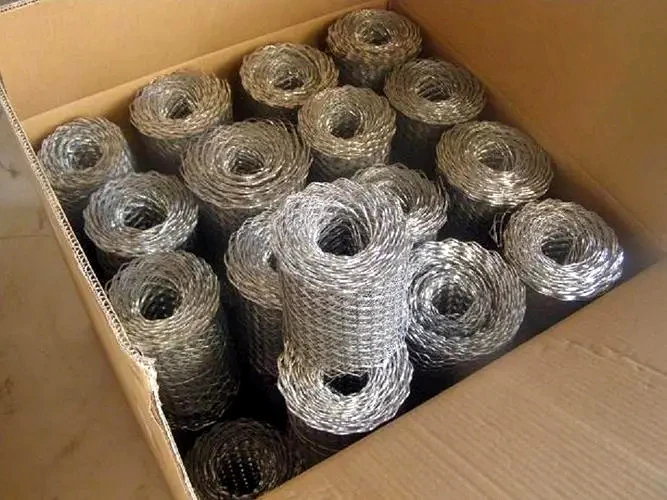
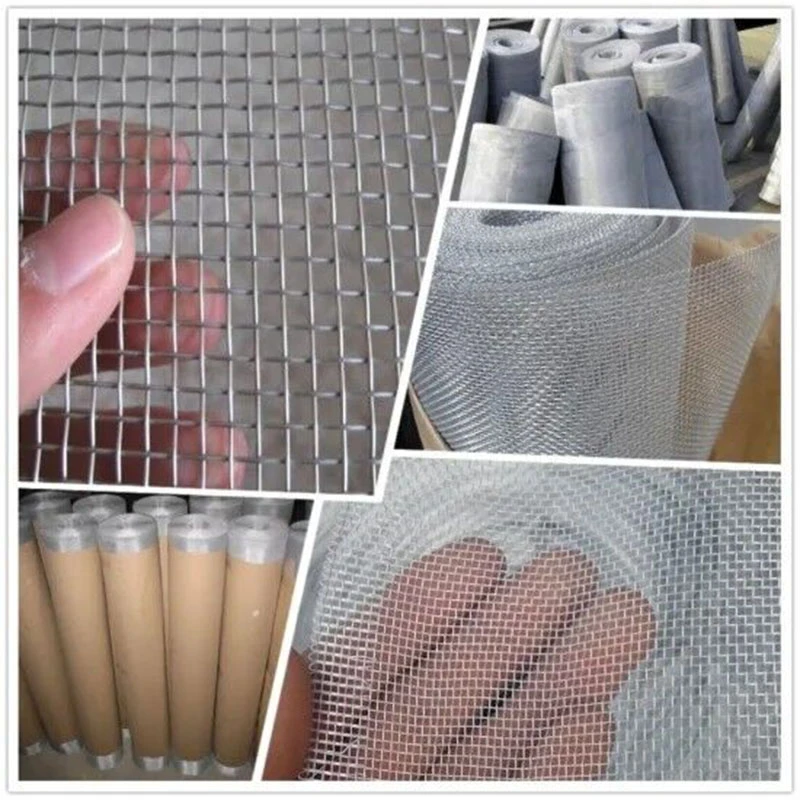
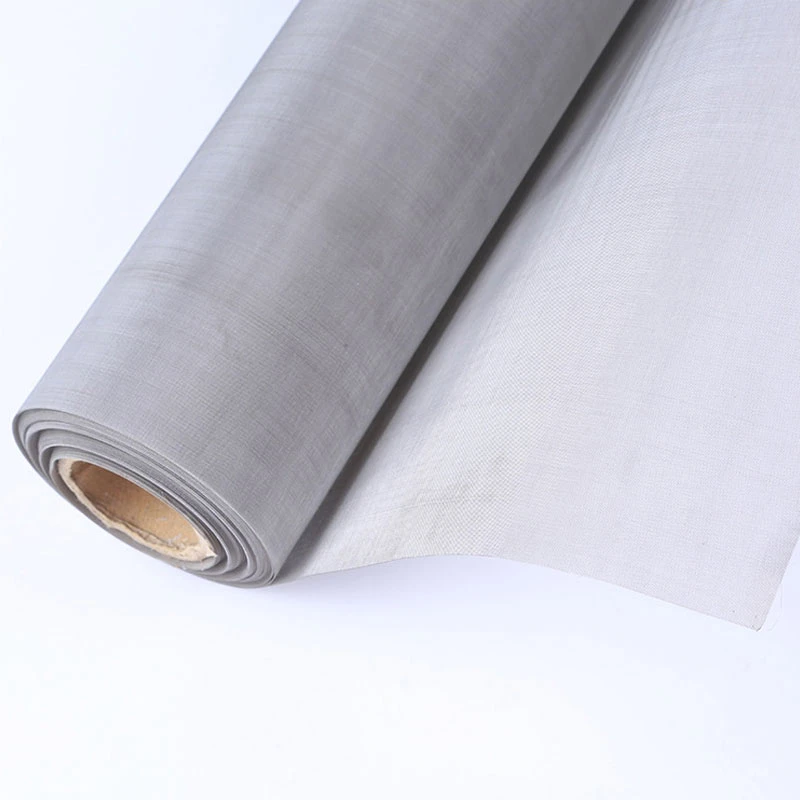
Simply put, 2.5 mm GI wire is a galvanized iron wire with a diameter of 2.5 millimeters. 'Galvanized' means it has a zinc coating that protects it from rust and corrosion, making it ideal for outdoor uses. This wire is strong enough to handle moderate mechanical loads while flexible enough to be shaped or woven.
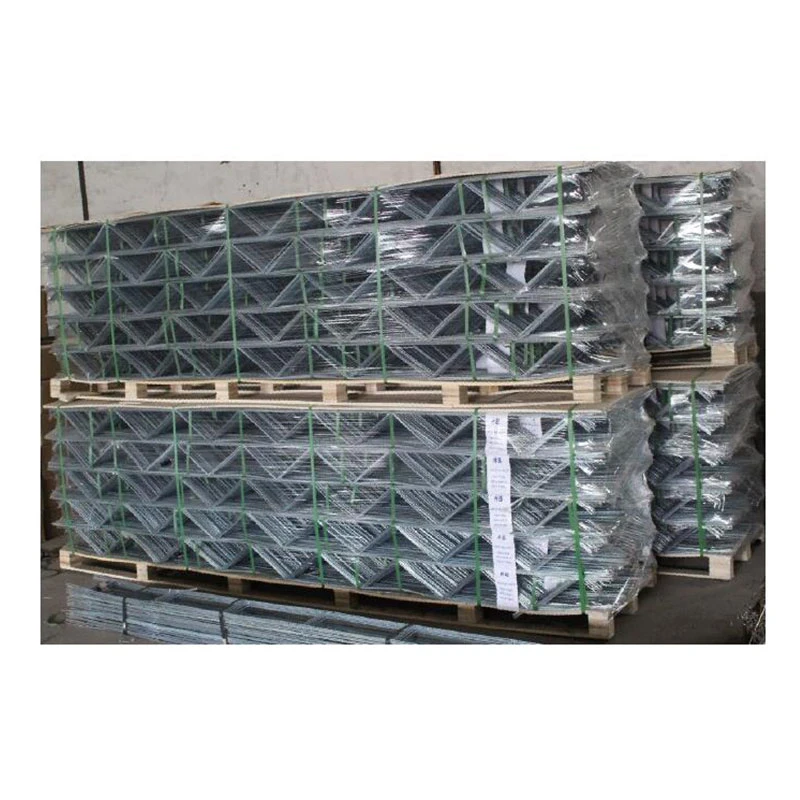
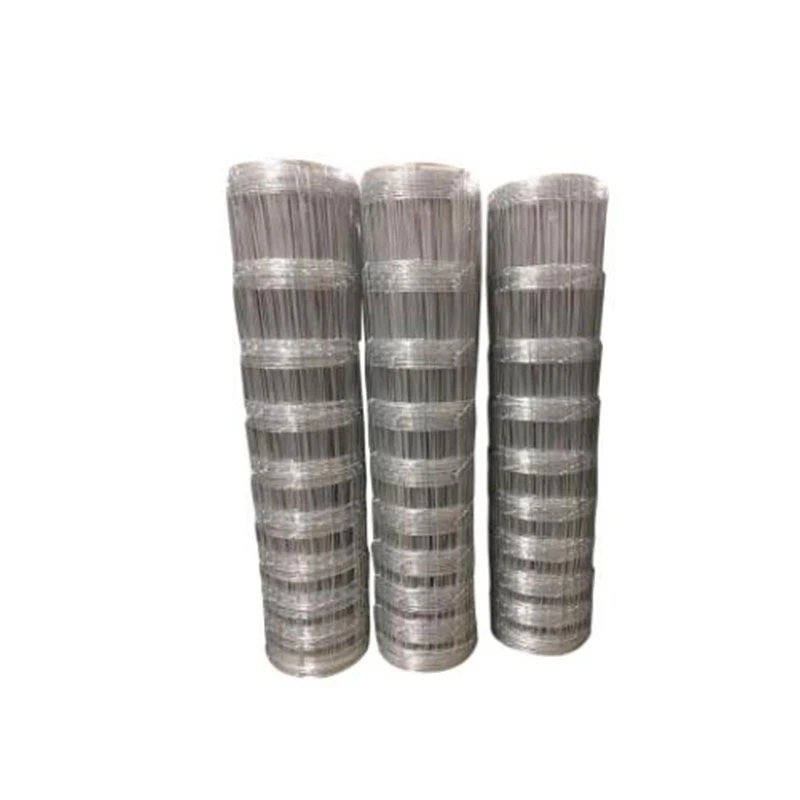
Its core utility lies in fencing, binding reinforcement bars in concrete, and forming wire mesh structures—both in construction and agriculture. Think about a farmer fencing a field, or a builder tying steel rods for a concrete slab: 2.5 mm GI wire is often the unsung hero behind those applications.
More interestingly, this wire’s role extends to humanitarian applications, such as quickly erectable shelters or protective boundaries in refugee camps, where durability and availability are key.
Mini takeaway: At 2.5 mm thickness, GI wire balances strength and manageability, making it a go-to for construction, agriculture, and emergency infrastructure.
Key Features of 2.5 mm GI Wire
Durability
The zinc coating in GI wire guards against rust, increasing longevity especially in humid or wet environments. This means that stakes, fences, or cages built with 2.5 mm GI wire often last years without significant maintenance.
Flexibility & Workability
Though thicker than some lighter gauges, 2.5 mm wire retains enough flexibility to be bent or wound easily, which facilitates quick onsite installation and custom shaping.
Cost Efficiency
Compared to stainless steel alternatives, galvanized iron is more affordable, offering a good balance between upfront price and lifespan. Especially over large projects, this can mean significant savings.
Resistance to Environmental Stress
Its ability to withstand UV exposure, moisture, and temperature swings makes it a practical choice worldwide, from tropical farms to cold mountain regions.
Availability & Standardization
Thanks to mass production and standardized sizing (per ISO and ASTM specifications), 2.5 mm GI wire is readily available globally, ensuring consistent quality and supply chains.
Mini takeaway: This wire’s main strengths lie in lasting protection against corrosion, ease of use, and cost-effective sourcing.
Product Specification Table
| Specification | Details |
|---|---|
| Diameter | 2.5 mm ± 0.05 mm |
| Zinc coating thickness | 40-60 g/m² |
| Tensile strength | 380 - 550 MPa |
| Coating type | Hot-dip galvanized |
| Material | Low-carbon steel wire |
| Standard compliance | ISO 1827, ASTM A641 |
Global Use Cases and Applications
- Agriculture: Farmers in Asia and Africa often use 2.5 mm GI wire for fencing livestock or protecting crops against wildlife.
- Construction: Developers worldwide use it to bind rebar for reinforced concrete. This ensures structural integrity in buildings and bridges.
- Disaster Relief: NGOs employ wire mesh and fencing made from galvanized wire for temporary shelters and safety cordons in refugee camps.
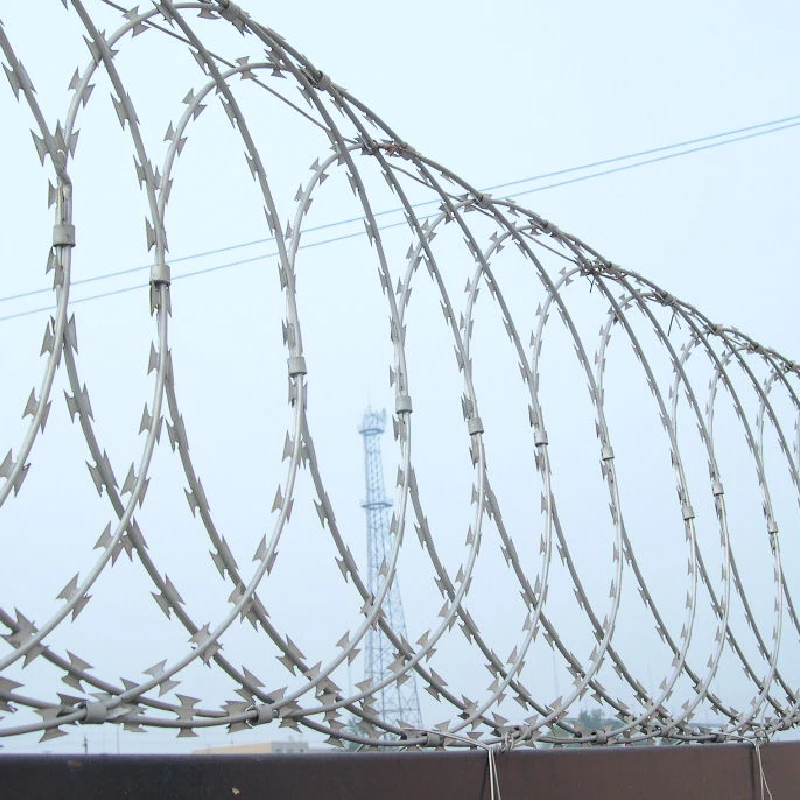
- Industrial Security: Factories and warehouses rely on wire fences of this gauge for secure perimeter barriers.
- DIY and Handicrafts: Hobbyists find it workable for garden projects, trellis frameworks, and art installations.
For example, following floods in Southeast Asia, relief workers have used galvanized wire to rapidly rebuild protective fencing around refugee settlements, showcasing both the practical and humanitarian value of this wire.
Mini takeaway: From farming plots to emergency camps, 2.5 mm GI wire’s applications are diverse and impactful globally.
Vendor Comparison: Top 3 Suppliers of 2.5 mm GI Wire
| Supplier | Zinc Coating (g/m²) | Tensile Strength (MPa) | Typical Pricing (USD/kg) | Lead Time |
|---|---|---|---|---|
| YJD Wire Mesh | 50 | 520 | 1.2 | 2-3 weeks |
| Global Wire Inc. | 60 | 550 | 1.4 | 3-4 weeks |
| SteelCore Suppliers | 40 | 480 | 1.1 | 1-2 weeks |
Advantages & Long-Term Value of 2.5 mm GI Wire
Investing in quality galvanized wire means less worry about rust, fewer replacements, and a solid return on the initial outlay. The safety aspect is just as crucial—strong fencing prevents accidents and protects property.
Emotionally, knowing that a barrier or infrastructure can withstand weather and time offers peace of mind for communities, builders, and operators alike. Plus, the sustainability angle isn’t minor: zinc-coated wire's longevity helps reduce waste and material turnover.
Future Trends and Innovations
We’re already seeing movement towards eco-friendlier coatings and higher-grade alloys. “Green galvanizing” techniques that consume less energy and discharge fewer harmful emissions look promising. Digital inventory and supply chain tech also mean faster procurement and less material wastage.
Automation in wire weaving and binding processes could soon speed up construction and further lower costs. Plus, integrating recycled steel into GI wire production is slowly gaining traction to reduce carbon footprints.
Challenges & Expert Solutions
Despite their strengths, galvanized wires face issues like coating degradation under extreme acid or alkaline exposure, and occasional brittleness. Experts recommend combining protective paints or polymers in aggressive industrial environments. Also, better monitoring of coating thickness during manufacturing helps ensure longer life.
FAQ: Common Questions About 2.5 mm GI Wire
- How long does 2.5 mm GI wire typically last outdoors?
With proper zinc coating, it can last 10-20 years, depending on exposure to elements and physical wear. - Is 2.5 mm GI wire suitable for animal fencing?
Absolutely. Its strength and corrosion resistance make it ideal for livestock enclosures and perimeter security alike. - How to import 2.5 mm GI wire for humanitarian projects?
Work with reliable suppliers who comply with international shipping regulations and provide certification of quality. Customs clearance support is essential. - Can 2.5 mm GI wire be used in marine environments?
Generally yes, but saltwater is corrosive; additional coatings or maintenance may be needed to extend lifespan.
Conclusion
In real terms, 2.5 mm GI wire is a trustworthy, cost-effective material at the heart of many sectors—from agriculture to emergency response. Its combination of strength, corrosion resistance, and versatility means it’s unlikely to lose relevance anytime soon. For those interested in sourcing premium galvanized wire, 2.5 mm gi wire by YJD Wire Mesh remains a strong contender.
If you want to explore customized galvanized wire solutions, don’t hesitate to visit their website and learn more.
Final takeaway: Small but mighty, 2.5 mm GI wire quietly supports countless global projects—and understanding its use can help you build better, last longer.
References:
1. ISO 1827: Stainless steel wire and wire products
2. The World Bank - Infrastructure Overview
3. Galvanization - Wikipedia