Understanding Expanding Concrete Nails: A Comprehensive Guide
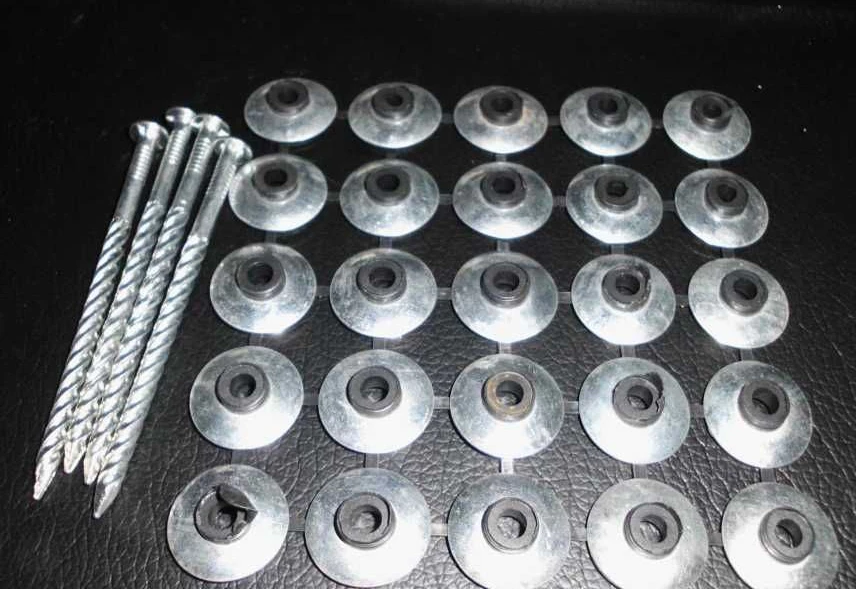
Expanding concrete nails are specialized fasteners designed for secure anchoring in concrete, brick, and other masonry materials. Unlike traditional nails, these nails expand when driven into a pre-drilled hole, creating a tight, reliable hold. This article will explore the features, benefits, applications, and selection criteria for expanding concrete nails, offering valuable insights for construction professionals and DIY enthusiasts alike. Their robust construction and ease of installation make them a preferred choice for a diverse range of projects.
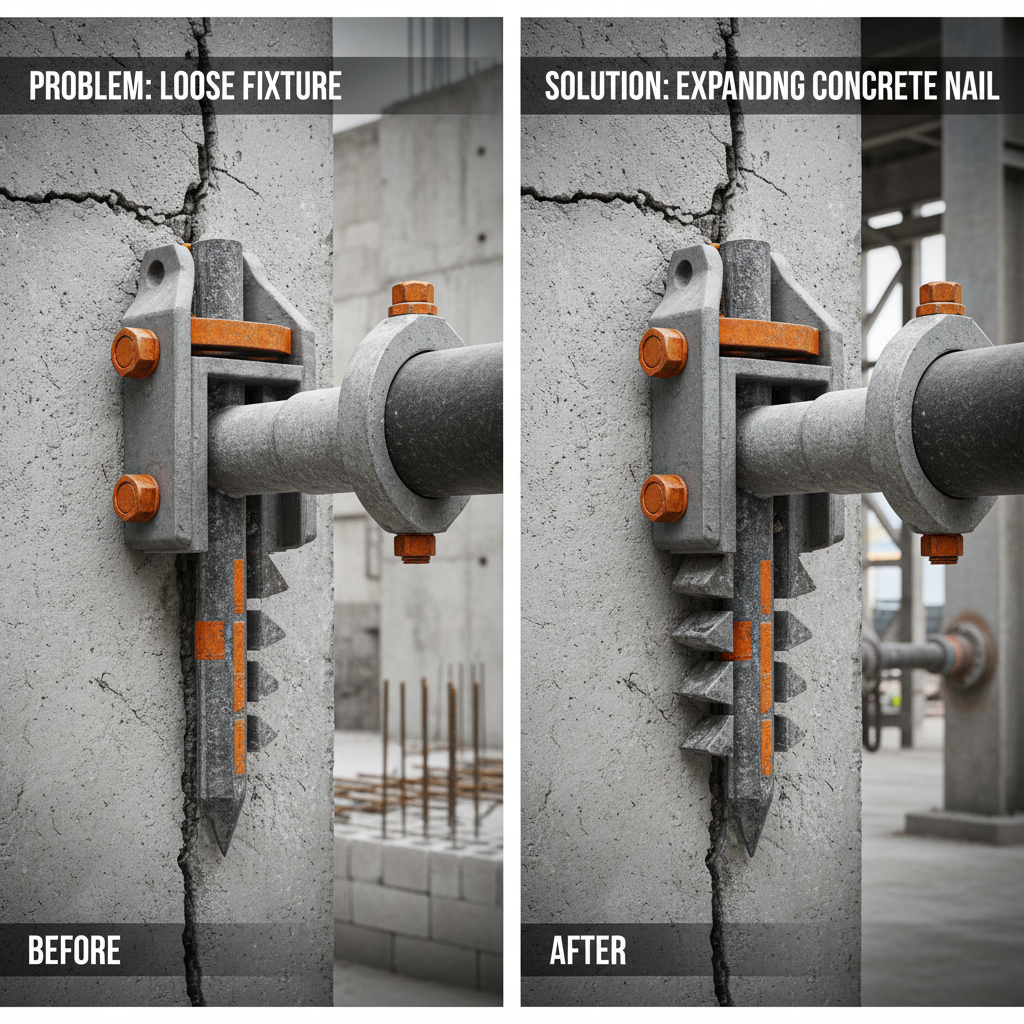
How Expanding Concrete Nails Work
The functionality of expanding concrete nails relies on their unique design. Typically, these nails feature a hardened steel shank with a specially engineered expansion mechanism near the head. When the nail is hammered into a pre-drilled hole, the expansion mechanism is activated, causing the nail to wedge tightly against the sides of the hole. This creates a strong, mechanical interlock that resists pull-out forces. The process is quick and efficient, eliminating the need for anchors or other complex fastening systems. A properly installed expanding concrete nail provides a surprisingly strong and durable connection.
Key Highlights: Rapid installation, strong holding power, minimal hole preparation, and suitable for various masonry materials.
Applications of Expanding Concrete Nails
Expanding concrete nails are incredibly versatile and find applications across a multitude of projects. Common uses include attaching furring strips to concrete walls for drywall installation, securing electrical boxes and conduit to masonry surfaces, fastening shelving and cabinets to concrete floors or walls, and mounting signs or fixtures. They are also frequently employed in framing, remodeling, and repair work. Their ability to provide a secure hold in challenging materials makes them invaluable for both indoor and outdoor applications.
Application Areas:
• Attaching Furring Strips
• Securing Electrical Boxes
• Mounting Shelving
• Framing and Remodeling
Choosing the Right Expanding Concrete Nails: A Comparison
Selecting the appropriate expanding concrete nail is crucial for ensuring a strong and lasting connection. Factors to consider include the nail's length, diameter, and steel hardness. Longer nails provide greater holding power, while thicker nails are suitable for heavier loads. Hardened steel nails offer superior resistance to bending and breaking. It’s also important to match the nail size to the pre-drilled hole diameter. Below is a comparison of common nail types:
Installation Best Practices for Expanding Concrete Nails
Proper installation is critical for maximizing the holding power of expanding concrete nails. Always use a drill bit that matches the recommended hole diameter for the nail size. Drill the hole to the appropriate depth, ensuring it’s perpendicular to the surface. Clean out any dust or debris from the hole before inserting the nail. When hammering the nail, use a firm, consistent force. Avoid overdriving the nail, as this can damage the expansion mechanism. For optimal results, consult the manufacturer's instructions and safety guidelines. You can find a wide selection of quality concrete nails at YJDWiremesh.

Product Specifications and Available Sizes
Expanding concrete nails are available in a range of lengths and diameters to suit various applications. Here is a quick reference table:
Conclusion: Reliable Anchoring with Expanding Concrete Nails
Expanding concrete nails provide a fast, reliable, and cost-effective solution for anchoring in concrete and masonry. By understanding their functionality, applications, and installation best practices, you can ensure a strong and lasting connection for your projects. For high-quality expanding concrete nails and a wide range of construction fasteners, explore the offerings at YJDWiremesh.
Frequently Asked Questions (FAQs)
What type of concrete can expanding concrete nails be used in?
Expanding concrete nails are versatile and can be used in a variety of concrete types, including standard concrete, lightweight concrete, and precast concrete. However, it is crucial to ensure the concrete is structurally sound and free from significant cracks or deterioration. For very hard or dense concrete, pre-drilling may be necessary. Always refer to the nail manufacturer's recommendations for specific concrete types. It’s also important to consider the age of the concrete; newer concrete may require longer curing times before installing nails.
Are expanding concrete nails suitable for outdoor use?
While many expanding concrete nails can be used outdoors, it’s best to choose nails made from corrosion-resistant materials like stainless steel or those with a protective coating. This will prevent rust and ensure long-lasting performance in exposed environments. Regular inspection of outdoor nails is recommended to identify any signs of corrosion and replace them as needed. Using galvanized or stainless steel nails will significantly extend their lifespan when exposed to the elements.
What is the recommended hole depth for expanding concrete nails?
The recommended hole depth typically matches the length of the nail shank, minus the expansion section. It’s generally advised to drill the hole slightly deeper than the nail’s expansion section to ensure proper engagement and maximum holding power. Refer to the nail manufacturer’s specifications for precise depth recommendations. Insufficient hole depth can compromise the nail’s grip, while excessive depth may reduce its effectiveness.