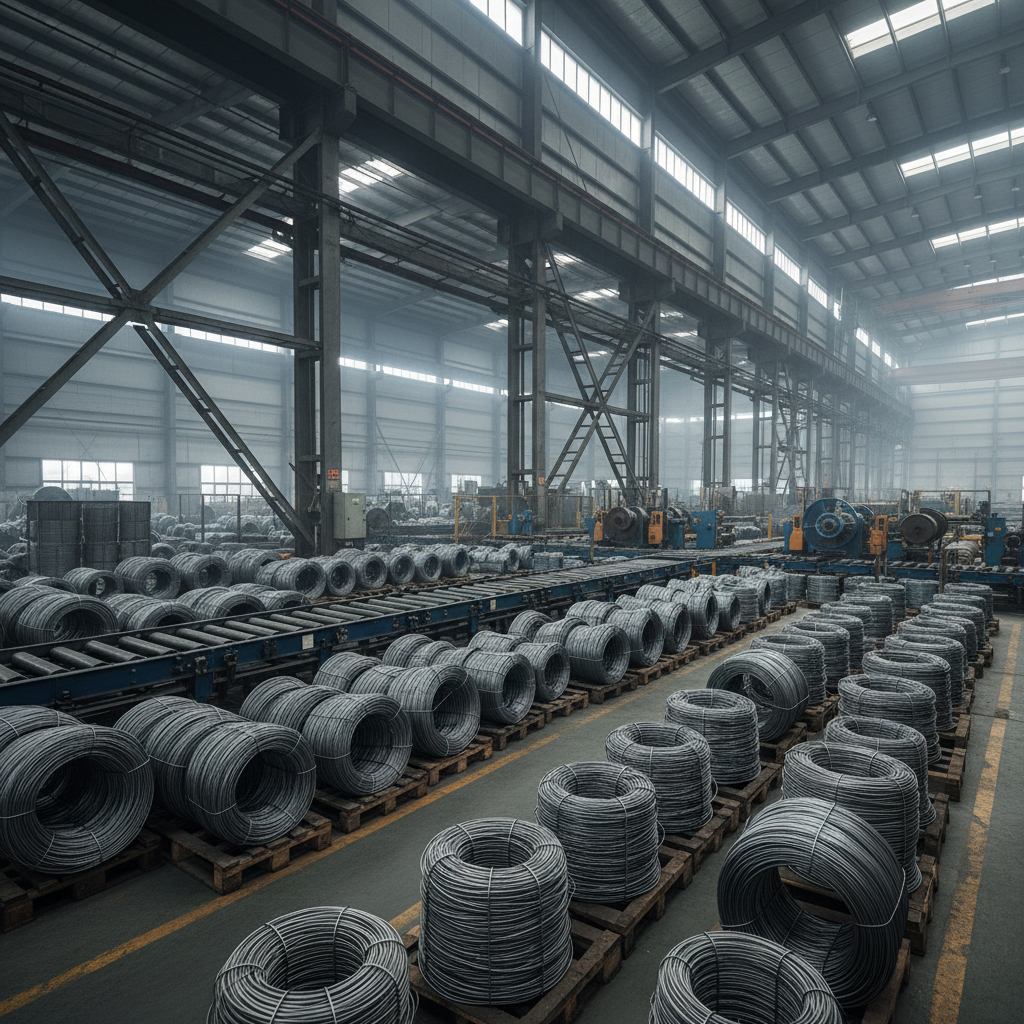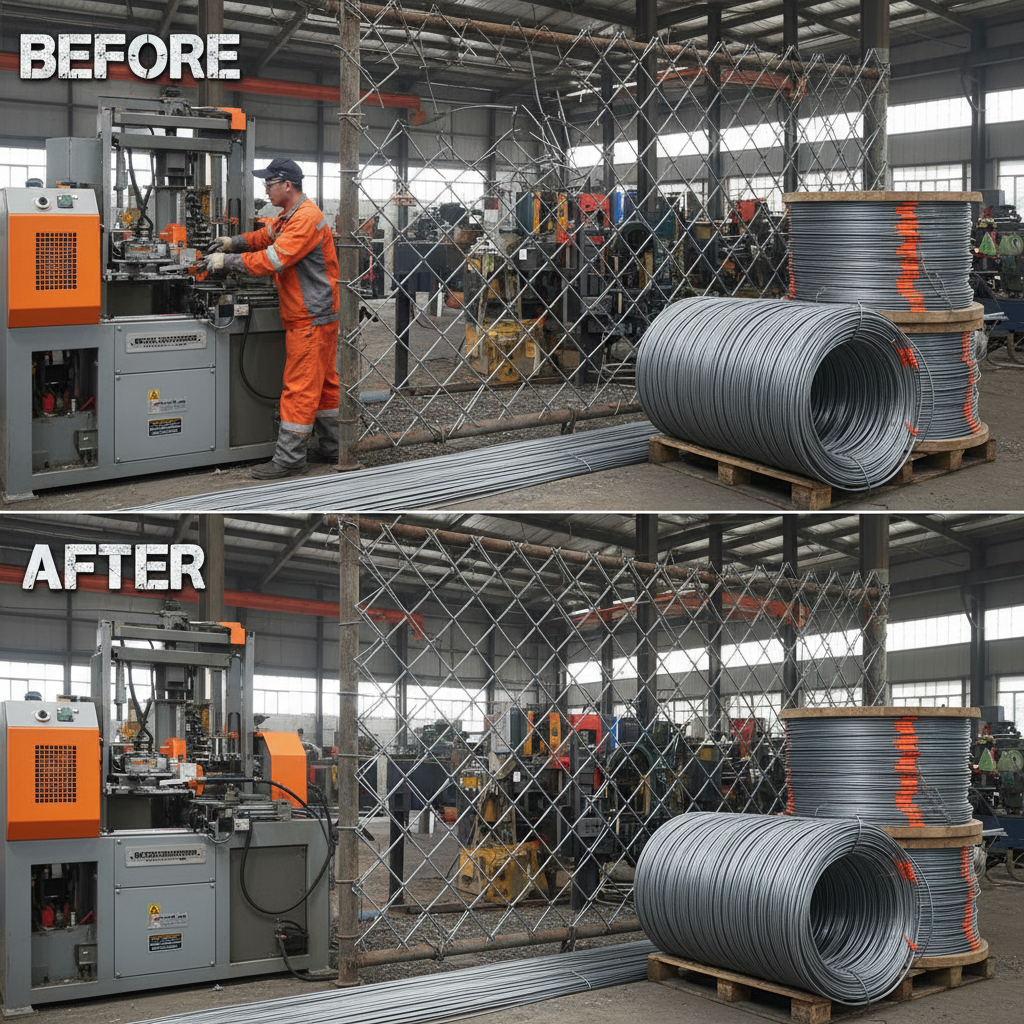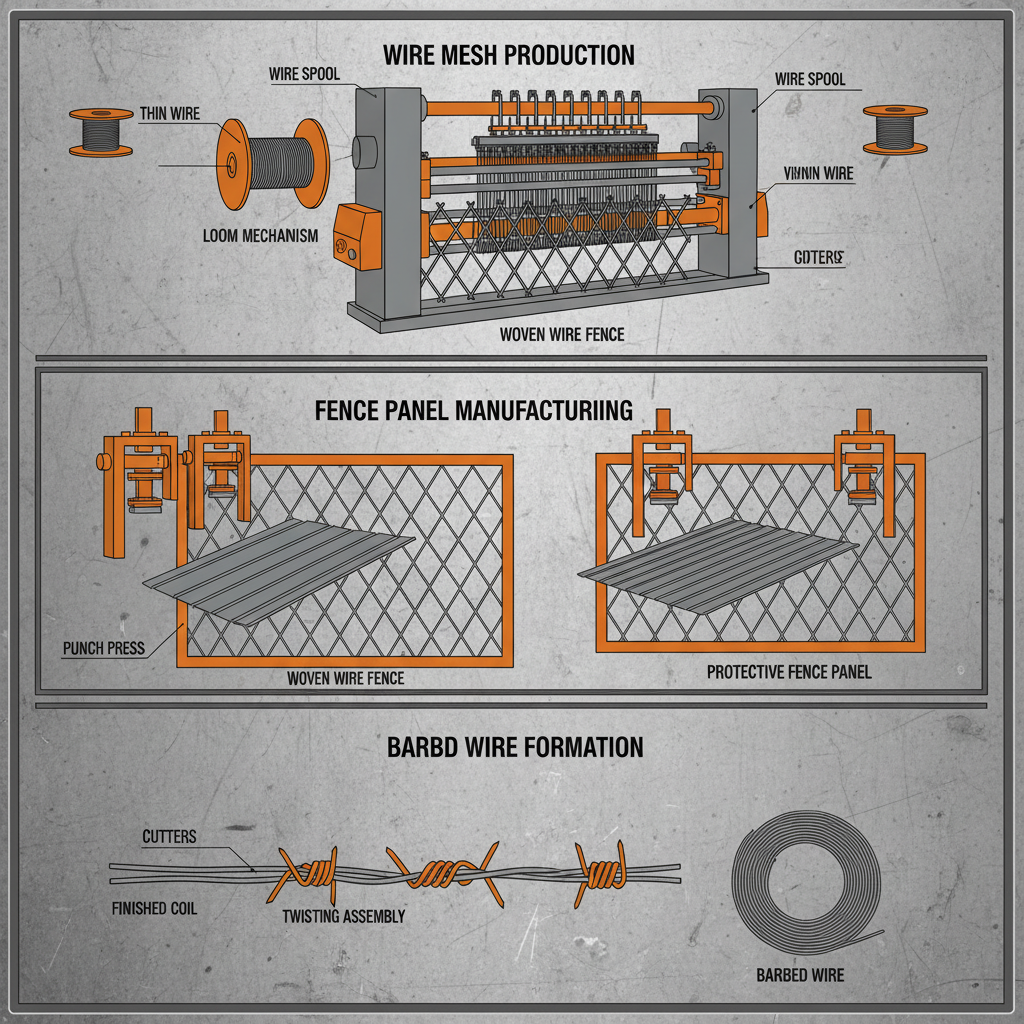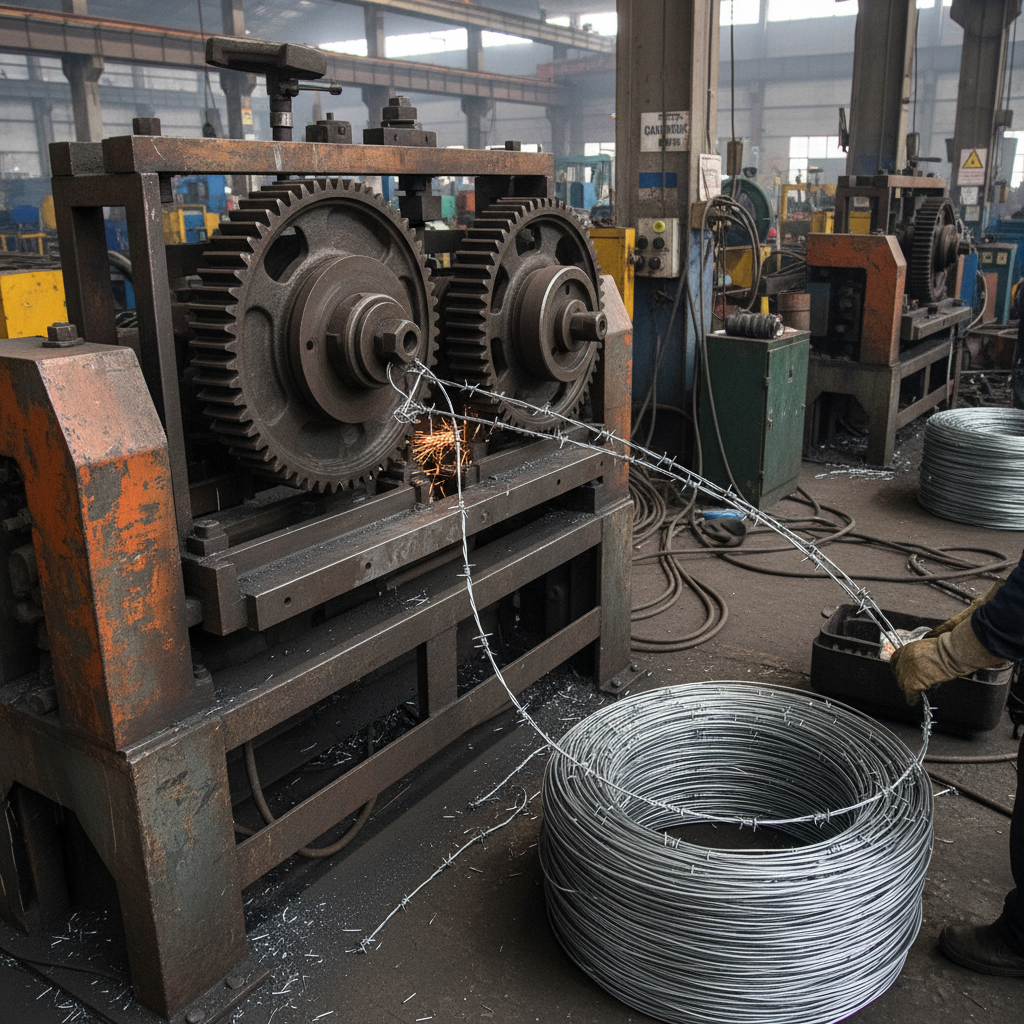


Electric iron wire, a seemingly simple component, plays a crucial role in a surprisingly wide range of modern applications. From the heating elements within common household appliances to critical industrial processes, its dependable functionality and relatively low cost make it indispensable. Understanding the nuances of electric iron wire – its composition, manufacturing techniques, and performance characteristics – is paramount for engineers, manufacturers, and consumers alike. The global demand for efficient and reliable heating solutions continues to drive innovation and refinement in this vital material.
The significance of electric iron wire extends beyond simple heating. It forms the backbone of numerous technologies, impacting sectors such as automotive, aerospace, and medical equipment. Recent advancements in material science have led to the development of specialized iron wire alloys offering superior resistance to oxidation, increased lifespan, and enhanced performance in extreme environments. This constant evolution demonstrates the enduring relevance of electric iron wire in a rapidly changing world.
As industries strive for greater energy efficiency and sustainability, the demand for high-quality electric iron wire that minimizes energy loss and maximizes operational lifespan continues to rise. This demand, coupled with growing applications in emerging technologies, positions electric iron wire as a consistently important material for the foreseeable future.
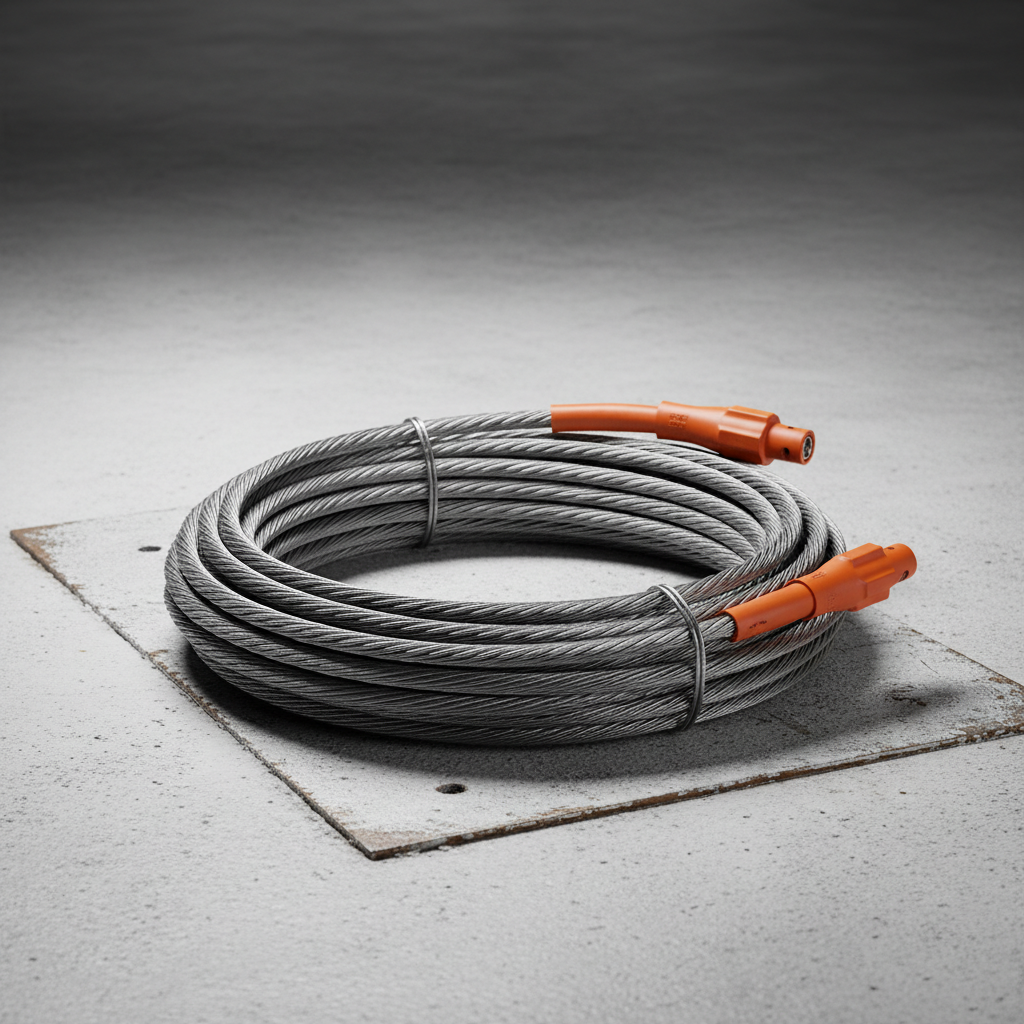
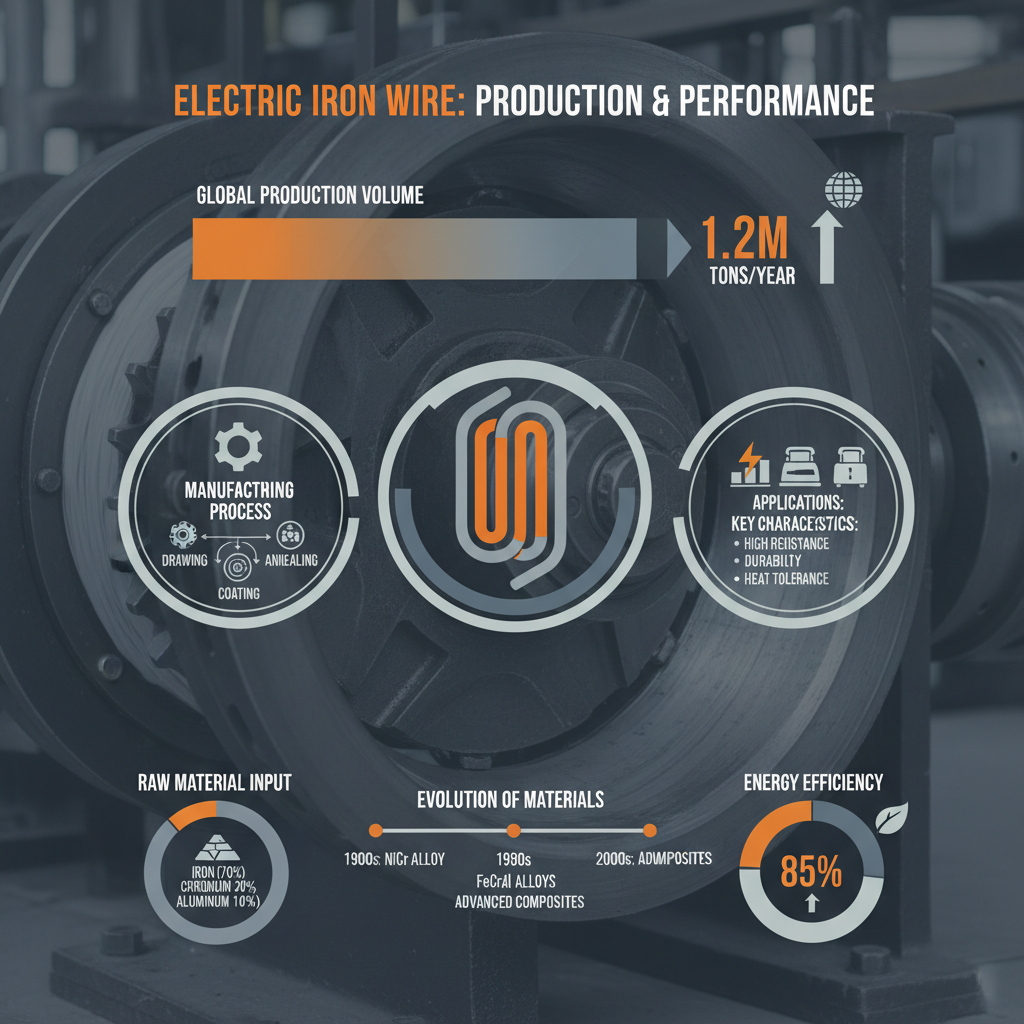
Electric iron wire is fundamentally a metallic conductor designed to generate heat when an electric current passes through it. The resistance of the wire to the flow of electricity is the key principle behind this heat generation, governed by Joule's Law. This simple yet effective property makes it ideal for a vast array of heating applications, from domestic appliances to industrial equipment.
The specific composition of the electric iron wire – often an alloy of iron, nickel, and chromium – significantly impacts its resistance, operating temperature, and longevity. Choosing the appropriate alloy is critical for optimizing performance in a given application. electric iron wire manufacturers often tailor formulations to meet specific client needs.
The lifespan of electric iron wire in a typical household appliance can vary significantly depending on usage and quality. However, with moderate use, a well-manufactured wire element should last between 5 and 10 years. Factors like overheating, voltage fluctuations, and corrosion can shorten its lifespan. Regularly checking for signs of damage, like breaks or discoloration, is recommended.
Common alloys include iron-chromium-aluminum (FeCrAl), nickel-chromium (NiCr), and iron-nickel alloys. FeCrAl offers high oxidation resistance and is suitable for high-temperature applications. NiCr provides excellent stability and resistance to corrosion. Iron-nickel alloys offer good ductility and are used where flexibility is important. Alloy selection depends on the specific application needs.
The diameter of the electric iron wire directly impacts its resistance. Thinner wires have higher resistance, generating more heat for a given current. However, they also have lower current-carrying capacity. Thicker wires have lower resistance, generating less heat but can handle higher currents. Choosing the right diameter involves balancing heat output with current capacity and safety considerations.
Repairing broken electric iron wire is generally not recommended due to safety concerns. Any repair can create a weak point, increasing the risk of further failure and potential electrical hazards. It’s typically safer and more reliable to replace the entire heating element. Attempting repairs requires specialized knowledge and should only be performed by qualified technicians.
Always disconnect power before handling electric iron wire. Use insulated tools to prevent accidental contact with live circuits. Avoid bending or stressing the wire excessively, as this can lead to cracking and failure. Ensure proper grounding and ventilation to prevent overheating and fire hazards. Follow all relevant electrical safety regulations and guidelines.
Electric iron wire heating elements are typically more responsive and reach operating temperature faster than ceramic heaters. However, ceramic heaters often maintain a more consistent temperature and have a longer lifespan. Iron wire is generally more cost-effective for simple heating applications, while ceramic heaters are better suited for applications requiring precise temperature control and durability.
In conclusion, electric iron wire remains a foundational material underpinning a vast range of applications, from everyday appliances to sophisticated industrial processes. Its cost-effectiveness, versatility, and continuous evolution through materials science and smart technologies ensure its continued relevance in a rapidly changing world. Understanding its properties and applications is critical for engineers, manufacturers, and anyone involved in heating and thermal management systems.
Looking ahead, continued innovation in alloy development, coupled with the integration of smart control systems and sustainable manufacturing practices, will further enhance the performance and value of electric iron wire. By embracing these advancements, we can unlock new possibilities for efficient, reliable, and environmentally responsible heating solutions. Visit our website at www.yjdwiremesh.com to learn more about our range of high-quality electric iron wire products.