

Iron wire fencing roll plays a crucial role in security, agriculture, and infrastructure projects globally. Its affordability, ease of installation, and durability make it a preferred choice for a wide range of applications. Understanding its characteristics and applications is paramount for effective perimeter security and efficient resource management. This guide will explore the intricacies of iron wire fencing roll, from its fundamental components to its diverse applications and future trends.
The demand for reliable and cost-effective fencing solutions is consistently high, driven by population growth, increasing security concerns, and the need for efficient agricultural practices. Iron wire fencing roll addresses these needs by providing a robust and adaptable barrier suitable for diverse environments. The global fencing market, valued at billions of dollars, demonstrates the critical importance of materials like iron wire in modern infrastructure.
From safeguarding residential properties to securing vast agricultural lands, and even playing a role in temporary enclosures during disaster relief, iron wire fencing roll offers practical solutions to numerous challenges. Its widespread use underscores its versatility and makes it a staple in both developed and developing nations.
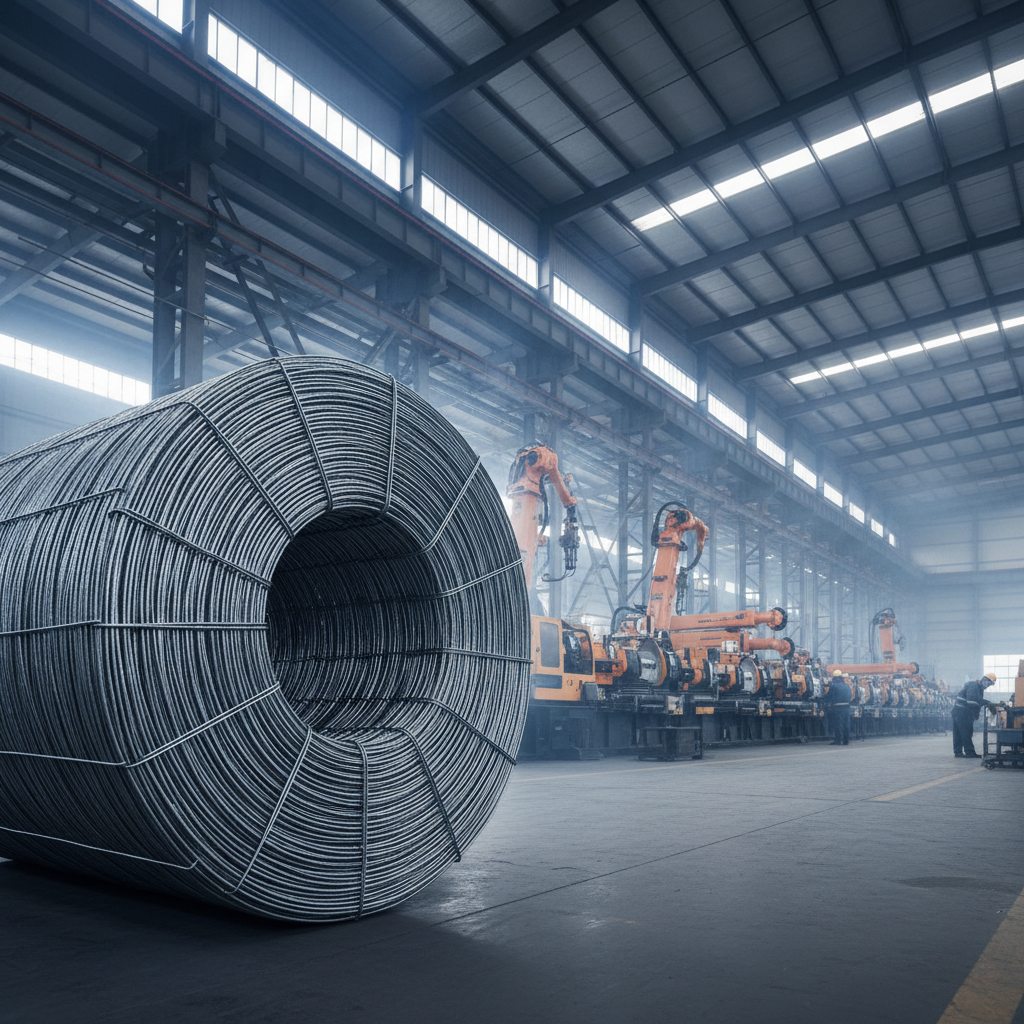
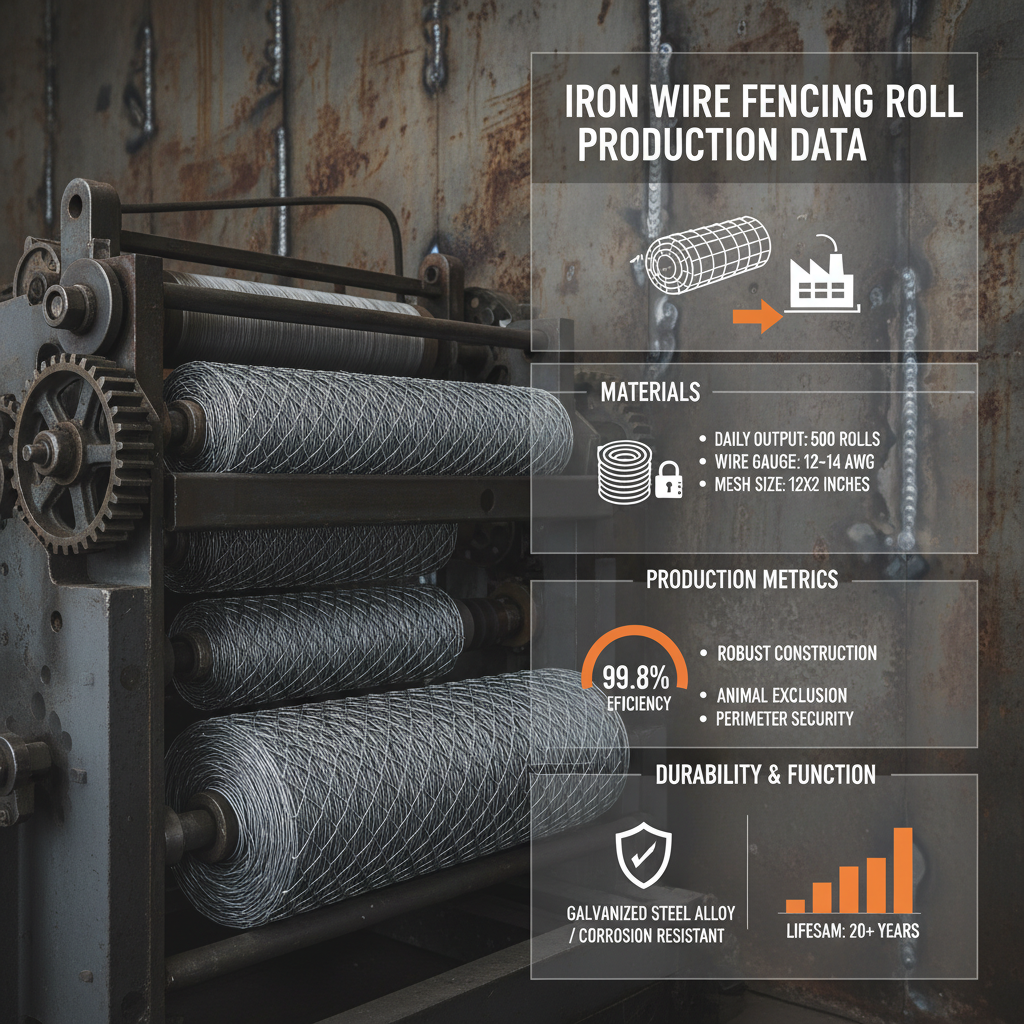
Iron wire fencing roll stands out as a fundamental component in securing properties, defining boundaries, and controlling access across a multitude of sectors. Its significance stems from its blend of affordability, practicality, and durability, making it a preferred choice for various fencing requirements. The availability of iron wire fencing roll in diverse gauges and configurations allows for tailored solutions to meet specific needs.
The widespread adoption of iron wire fencing reflects its adaptability to different terrains and environmental conditions. Whether it’s a small residential garden or a large-scale agricultural operation, this type of fencing provides a reliable and cost-effective security measure. The ease of installation further contributes to its popularity, reducing labor costs and project timelines.
The lifespan of iron wire fencing roll can vary significantly depending on the quality of the materials, the coating applied, and the environmental conditions. Generally, a well-maintained galvanized or PVC-coated iron wire fencing roll can last between 15 to 30 years or even longer. Regular inspection and timely repairs are crucial for maximizing its longevity. Factors like proximity to saltwater or industrial pollutants can accelerate corrosion and reduce the lifespan, requiring more frequent maintenance or replacement.
Galvanization is a vital process that coats the iron wire with a layer of zinc, providing excellent corrosion resistance. This protective layer prevents rust and oxidation, significantly extending the fencing’s lifespan, especially in harsh weather conditions. The thickness of the zinc coating is a key factor, with heavier coatings offering superior protection. Galvanized iron wire fencing roll is a cost-effective solution for long-term durability, requiring minimal maintenance compared to uncoated options.
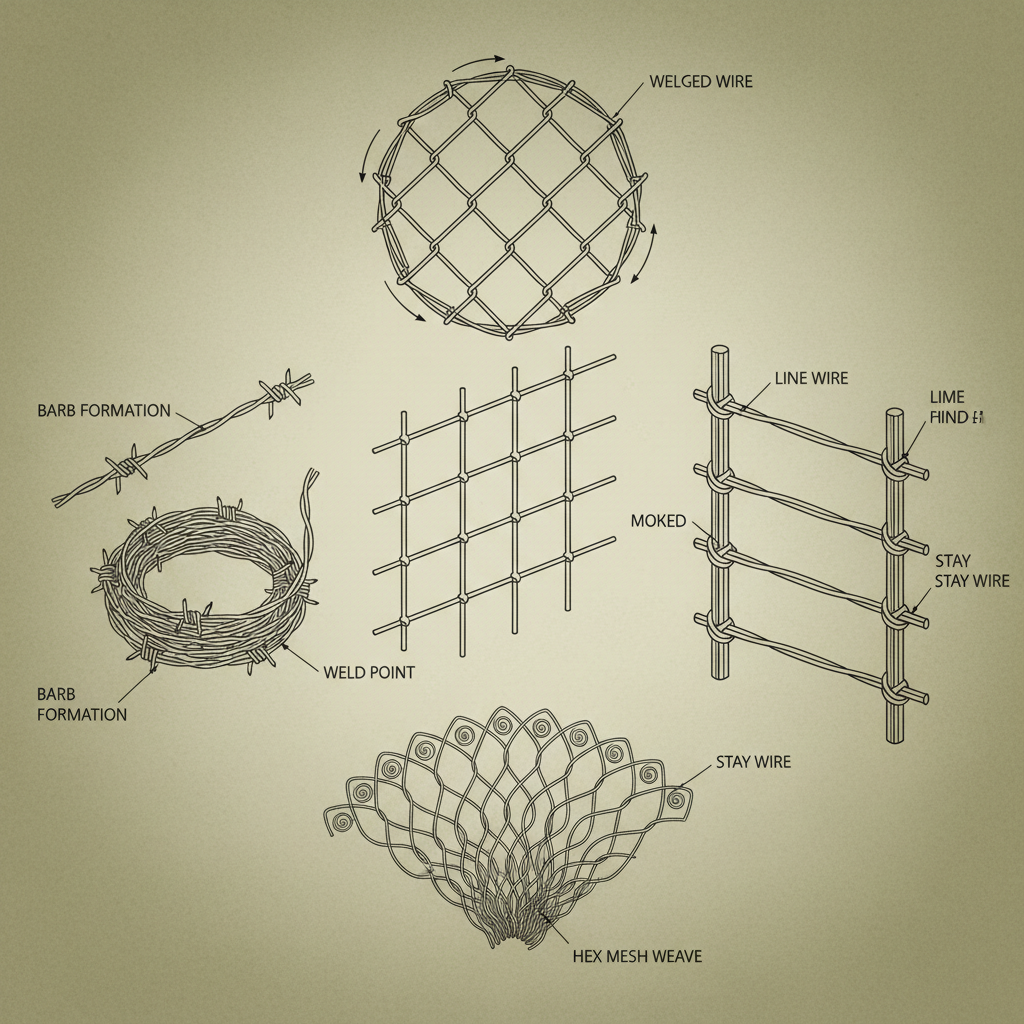
Common weaving patterns include square weave, diamond weave, and hexagonal weave. Square weave offers a uniform appearance and is suitable for general-purpose fencing. Diamond weave provides greater strength and is often used for livestock containment. Hexagonal weave, also known as chicken wire, is lightweight and commonly used for poultry enclosures or as a protective barrier for gardens. The choice of weaving pattern depends on the specific application and desired level of security.
Iron wire fencing roll is susceptible to corrosion in saltwater environments. However, using heavier galvanized coatings or opting for PVC-coated iron wire fencing can significantly improve its resistance to saltwater damage. Regular cleaning and maintenance are essential to remove salt deposits and prevent corrosion. Alternatively, consider using alternative materials like stainless steel or specialized marine-grade fencing for highly corrosive environments.
Proper installation is crucial for maximizing the durability of iron wire fencing roll. Use sturdy posts spaced appropriately for the wire gauge and height. Ensure the posts are securely anchored in the ground. Stretch the wire tightly and securely fasten it to the posts using appropriate clips or tie wires. Avoid over-stretching the wire, as this can compromise its integrity. Following manufacturer’s guidelines and using quality installation tools are essential for a long-lasting fence.
Yes, iron wire fencing roll is largely recyclable. Iron is a valuable metal that can be recovered and reused in various applications. Recycling iron wire fencing reduces the demand for virgin materials and minimizes environmental impact. Check with your local recycling facilities for specific guidelines on how to properly dispose of or recycle your old fencing materials.
In conclusion, iron wire fencing roll remains a vital and versatile fencing solution due to its affordability, durability, and adaptability. Its continued relevance across diverse industries – from agriculture and security to disaster relief – underscores its practical value. Understanding its core components, applications, and future trends is key to maximizing its benefits and ensuring long-term effectiveness.
Looking ahead, advancements in materials science and manufacturing techniques promise even more robust and sustainable iron wire fencing solutions. By embracing innovation and prioritizing responsible practices, we can harness the full potential of this essential fencing material, safeguarding properties, protecting communities, and supporting a more resilient future. For reliable and high-quality iron wire fencing roll, visit our website today.