Pure iron wire, a foundational material in countless industries, plays a critical role in global infrastructure, manufacturing, and even artistic endeavors. Its inherent strength, malleability, and relatively low cost make it an indispensable component in a diverse range of applications, from construction and agriculture to electronics and healthcare. Understanding the properties and applications of pure iron wire is essential for engineers, designers, and policymakers alike, driving innovation and shaping the future of materials science.
The global demand for pure iron wire continues to rise, fueled by rapid urbanization, infrastructure development in emerging economies, and the increasing need for robust and reliable materials. According to the World Steel Association, global steel production reached nearly 1.9 billion tonnes in 2022, a significant portion of which is ultimately utilized in the production of wire. This underscores the importance of sustainable sourcing and efficient manufacturing processes for pure iron wire to meet growing global demands.
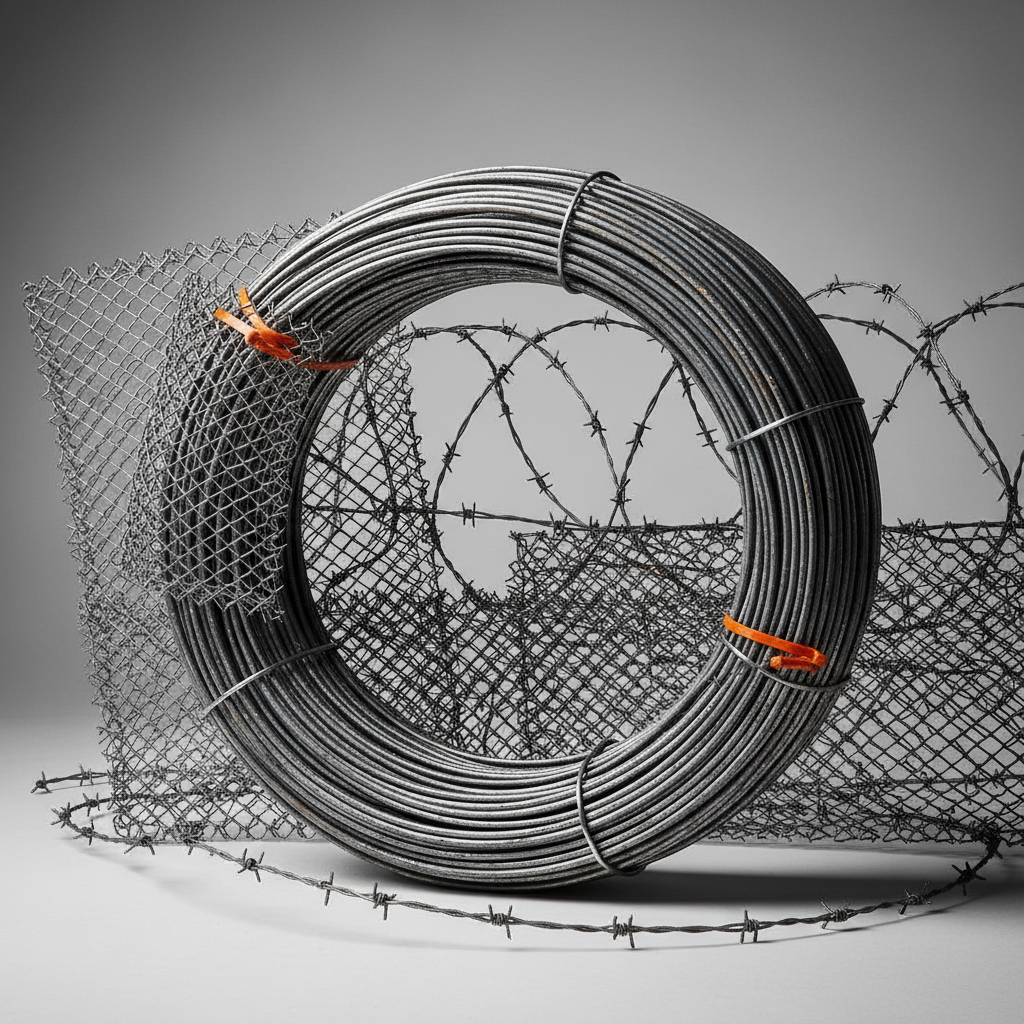
Despite advancements in alternative materials, pure iron wire remains a staple due to its unique combination of properties and cost-effectiveness. Its ability to be drawn into various gauges and shapes, combined with its weldability and corrosion resistance (especially when galvanized or coated), ensures its continued relevance in a dynamic and evolving world.
The Significance of Pure Iron Wire
Pure iron wire stands as a cornerstone material in modern civilization, often overlooked despite its pervasive presence. Its role extends far beyond simple binding or fastening, underpinning critical infrastructure and enabling a vast array of manufacturing processes. The sheer versatility of pure iron wire makes it a consistently demanded product globally.
Understanding the significance of pure iron wire involves recognizing its impact on economic development, technological advancement, and everyday life. From reinforcing concrete structures to creating intricate components in electronic devices, its influence is both broad and deep. This makes it a subject of continual research and improvement to ensure sustainable and efficient production.
Defining Pure Iron Wire
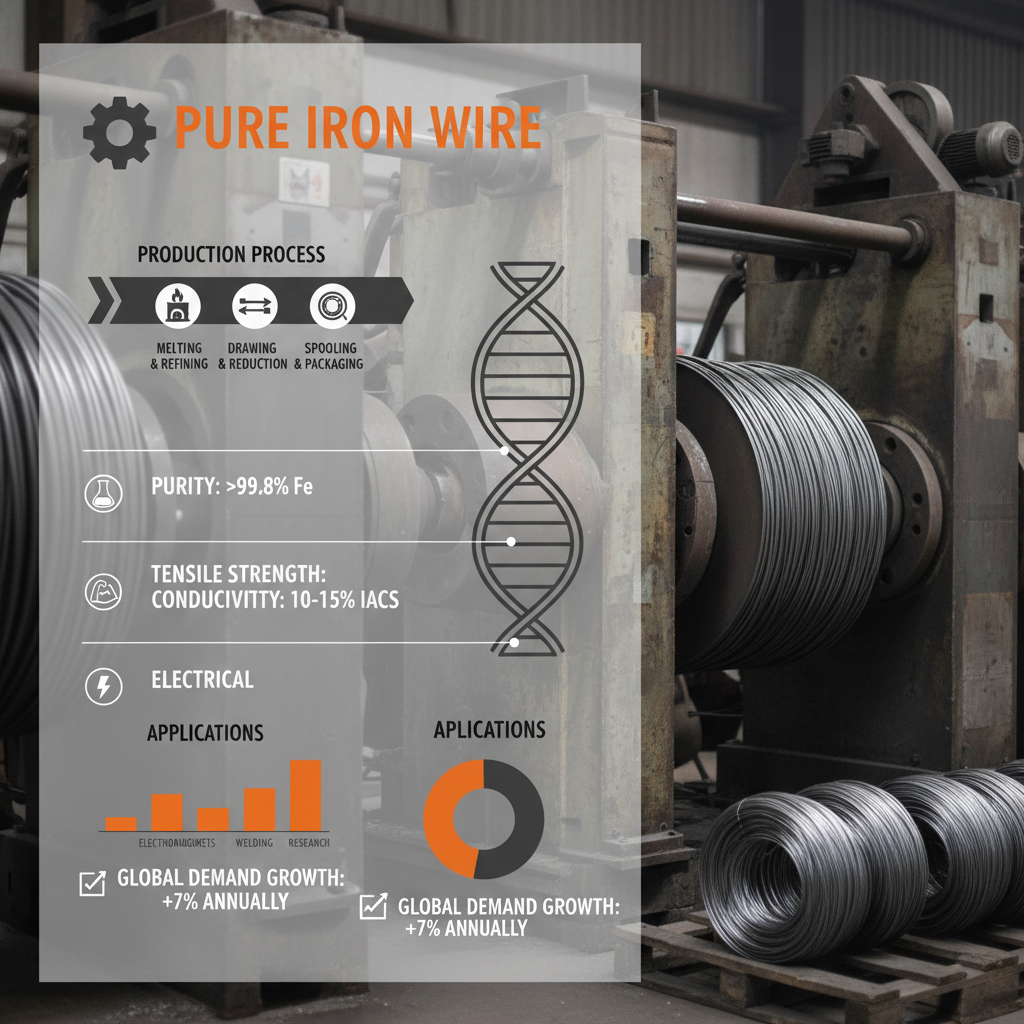
Pure iron wire, in its most basic form, is wire composed primarily of iron, typically with a very low carbon content (less than 0.08%). This distinguishes it from steel, which contains a significant amount of carbon and other alloying elements. The absence of substantial alloying agents results in a material that is relatively soft, ductile, and possesses excellent magnetic properties.
Its connection to modern industry is undeniable; it serves as a precursor to many steel alloys and is directly used in applications where magnetic permeability, weldability, and corrosion resistance (when treated) are crucial. From electrical wiring and magnetic cores to specialized applications in science and medicine, pure iron wire plays a pivotal role.
Importantly, the “purity” of iron wire can vary depending on the intended application, with manufacturers often striving for specific levels of impurity control to achieve desired material characteristics. This level of control directly impacts performance and suitability for given purposes.
Key Characteristics of Pure Iron Wire
One of the most defining features of pure iron wire is its high magnetic permeability. This means it readily allows the passage of magnetic flux, making it ideal for use in electromagnetic coils, transformers, and magnetic shielding. The ability to concentrate magnetic fields is essential in numerous electrical and electronic applications.
Ductility is another crucial characteristic. Pure iron wire is remarkably malleable and can be drawn into extremely fine diameters without fracturing. This allows for the creation of intricate wire forms and ensures its suitability for applications requiring flexibility and conformability. pure iron wire's malleability significantly expands its application possibilities.
While pure iron is susceptible to corrosion, it can be effectively protected through galvanization, coating with polymers, or alloying with other metals. This extends its lifespan and allows its use in outdoor environments and harsh conditions. Surface treatments significantly improve its durability and resistance to environmental degradation.
Practical Applications and Industries
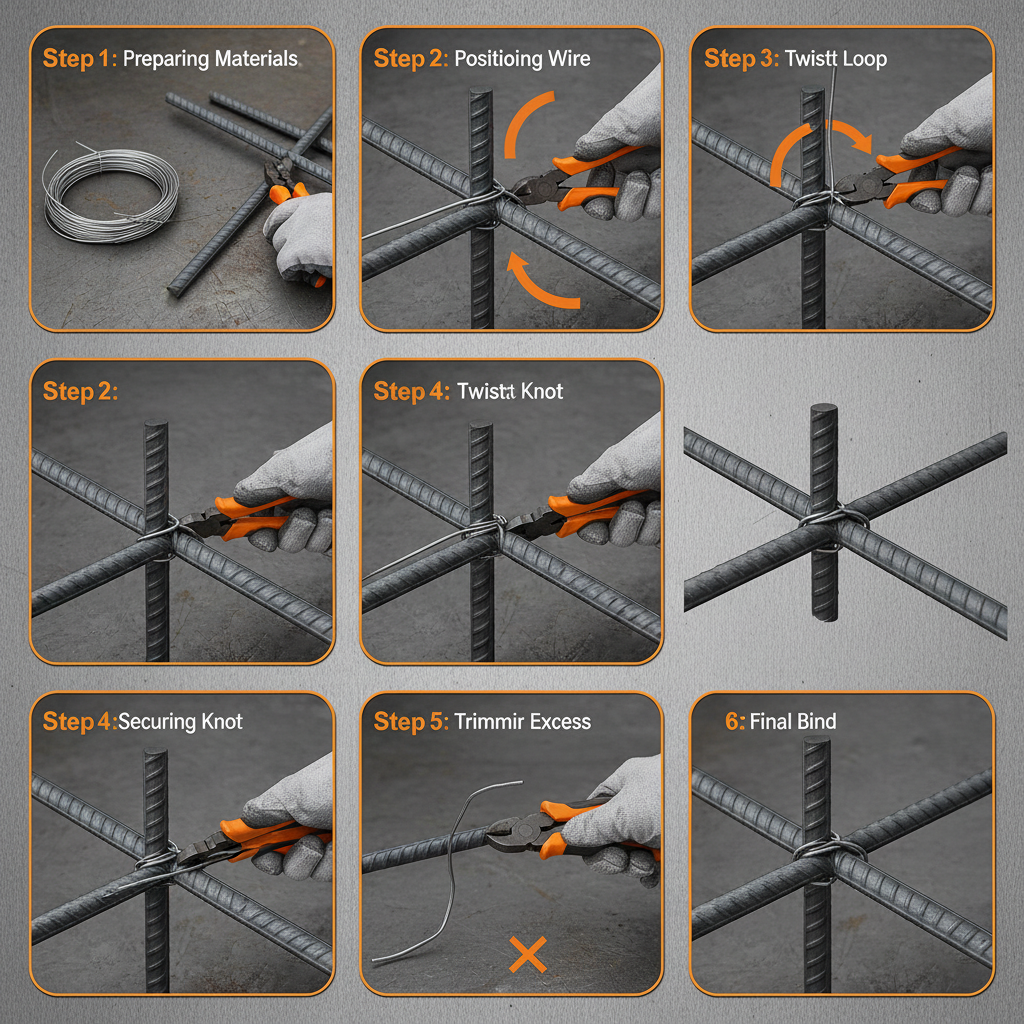
The construction industry relies heavily on pure iron wire, primarily in the form of rebar tie wire for securing reinforcing steel within concrete structures. Its ductility and strength make it an efficient and reliable binding agent. Furthermore, it's used in pre-stressed concrete applications, providing essential tensile support.
The electrical and electronics sectors leverage the magnetic properties of pure iron wire in the production of transformers, inductors, and magnetic shielding components. Its ability to efficiently channel magnetic flux is critical for the functioning of these devices. In addition, it's used in specialized sensor technologies and actuators.
Comparative Performance of Pure Iron Wire Manufacturing Methods
Global Applications & Use Cases
In post-disaster relief operations, pure iron wire is often utilized for temporary shelter construction, securing debris, and establishing basic infrastructure. Its ease of handling and strength make it a valuable resource in emergency situations where time and resources are limited.
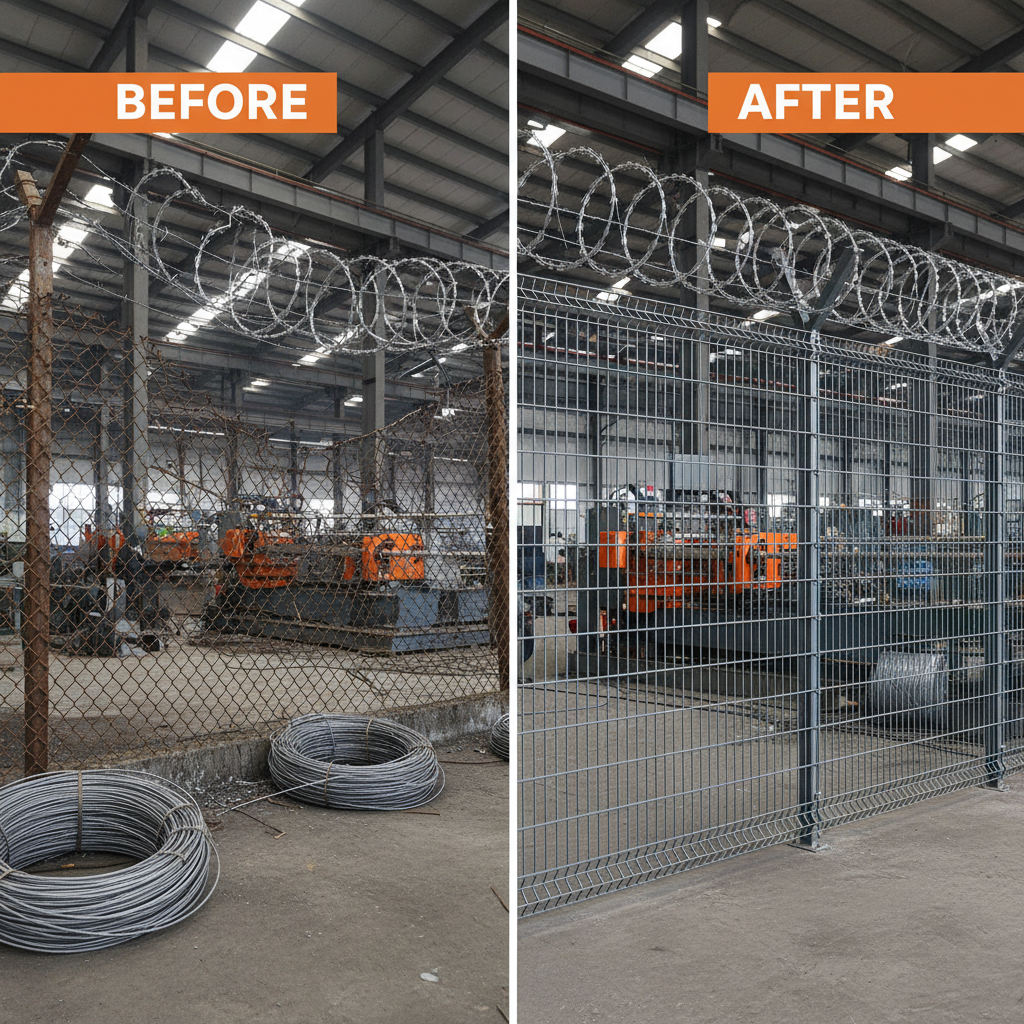
Within remote industrial zones, particularly in developing countries, pure iron wire facilitates the construction of basic fencing, support structures for agricultural applications, and essential repairs to existing infrastructure. Its affordability and accessibility make it a practical solution in areas with limited access to advanced materials.
Advantages and Long-Term Value
The cost-effectiveness of pure iron wire is a significant advantage, making it accessible to a wide range of industries and applications. Compared to many alternative materials, it offers a high strength-to-weight ratio at a comparatively low price point. This is crucial for projects with budget constraints.
The inherent reliability of pure iron wire, combined with its ability to be easily shaped and joined, contributes to its long-term value. When properly treated to prevent corrosion, it can provide decades of service, reducing the need for frequent replacements and minimizing lifecycle costs.
Future Trends and Innovations
Research is ongoing to improve the corrosion resistance of pure iron wire through advanced coating technologies, including nano-coatings and self-healing materials. These innovations aim to extend its lifespan and reduce maintenance requirements, particularly in harsh environments.
Automation in the manufacturing process of pure iron wire is increasing efficiency and precision, leading to reduced production costs and improved quality control. Robotic welding and automated wire forming are becoming increasingly prevalent. These advances further solidify the role of pure iron wire.
The integration of digital technologies, such as sensor-embedded wire, is opening up new possibilities for structural health monitoring and predictive maintenance. This allows for real-time assessment of material integrity and timely interventions to prevent failures.
FAQS
The key difference lies in the carbon content. Pure iron wire contains very little carbon (under 0.08%), making it more ductile and magnetically permeable. Steel wire, however, contains a significant amount of carbon, increasing its strength but reducing its ductility. The application dictates which type of wire is most appropriate.
Rusting is a common concern with pure iron wire. The most effective preventative measures include galvanization (coating with zinc), applying protective polymer coatings, or painting the wire. Regular inspection and maintenance are also crucial, especially in exposed environments. Oil-based coatings can provide temporary protection.
Pure iron wire is available in a wide range of gauges, typically measured in Birmingham Wire Gauge (BWG). Common sizes range from 8 BWG (thicker) to 36 BWG (thinner). The appropriate gauge depends on the intended application and the required strength and flexibility. A finer gauge is suitable for detailed work and binding.
While pure iron wire possesses inherent strength, it’s generally not recommended for long-term outdoor use without additional treatment. Exposure to moisture and air will inevitably lead to corrosion and weakening of the wire. Galvanization or a protective coating is essential for outdoor applications to ensure durability.
Pure iron wire finds use in specialized fields like magnetic resonance imaging (MRI) for creating shielding against electromagnetic interference, in scientific research involving magnetic fields, and in the production of certain types of sensors. Its high magnetic permeability makes it valuable in these niche applications.
The production method significantly influences the wire’s purity, tensile strength, and surface finish. Methods like cold drawing typically yield higher strength and a smoother surface, while hot rolling is more cost-effective for larger quantities. Careful control of the process parameters is essential to achieving consistent quality.
Conclusion
In conclusion, pure iron wire remains a vital material across a diverse spectrum of industries, from construction and manufacturing to electronics and scientific research. Its unique combination of properties – high magnetic permeability, ductility, and cost-effectiveness – continues to make it a preferred choice in numerous applications. Understanding these characteristics and ongoing advancements ensures its sustained relevance in a continually evolving technological landscape.
Looking ahead, further innovation in corrosion protection, automated manufacturing, and sensor integration will undoubtedly enhance the value and expand the applications of pure iron wire. For reliable sourcing and customized solutions, visit our website to explore our comprehensive range of pure iron wire products: www.yjdwiremesh.com.