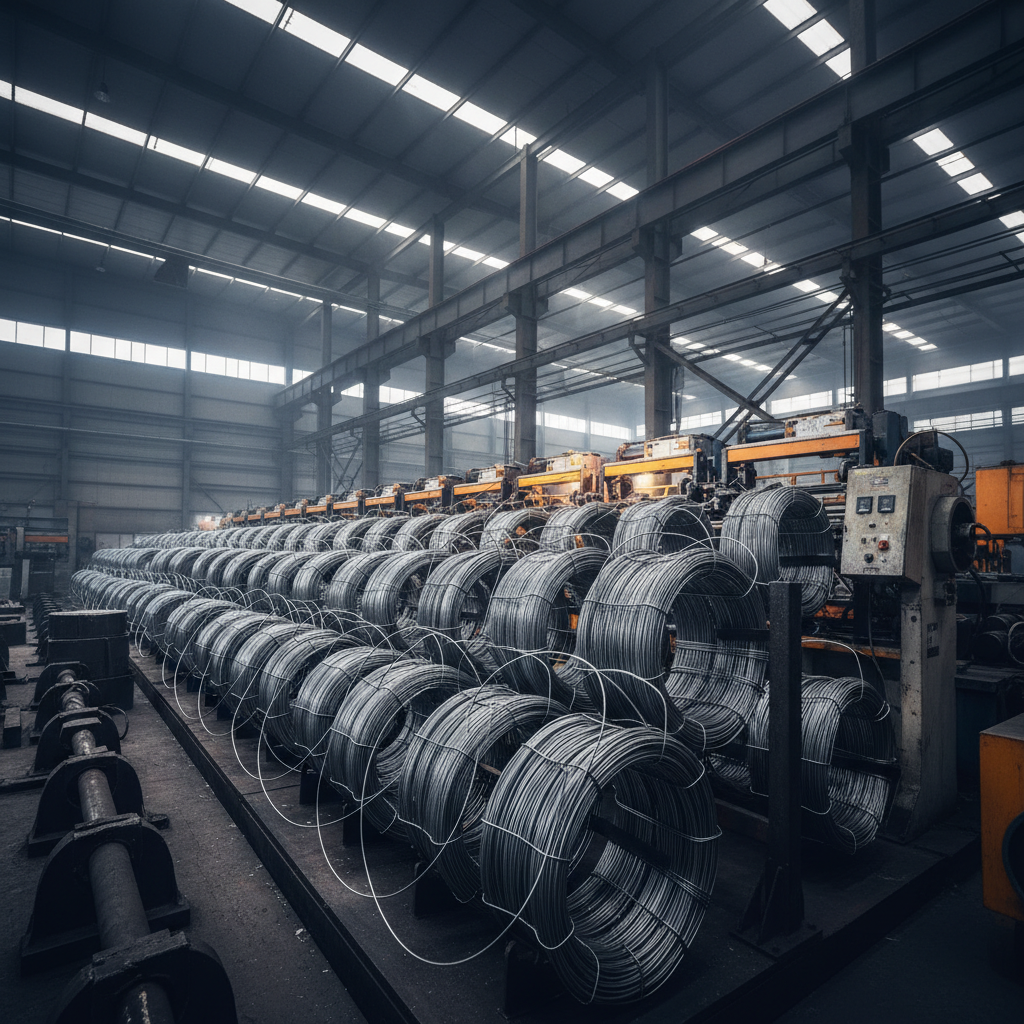
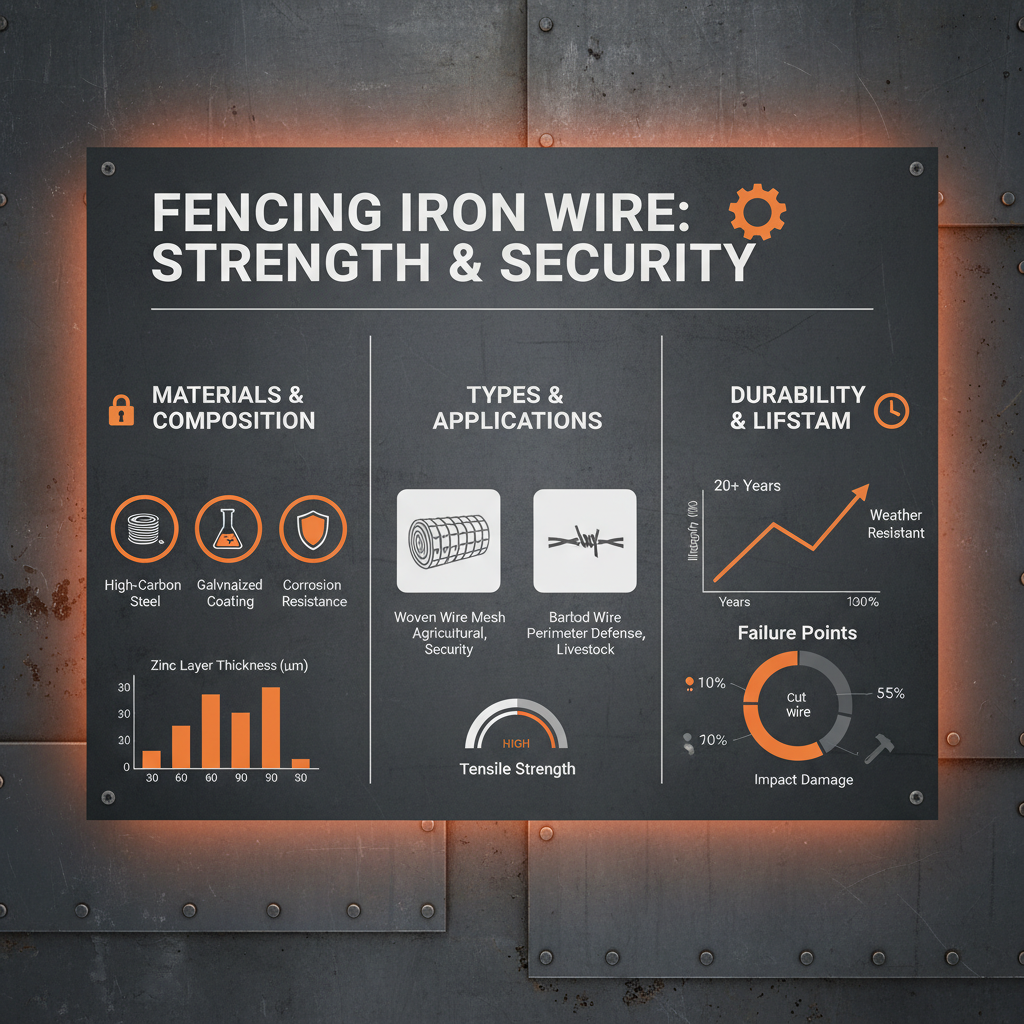
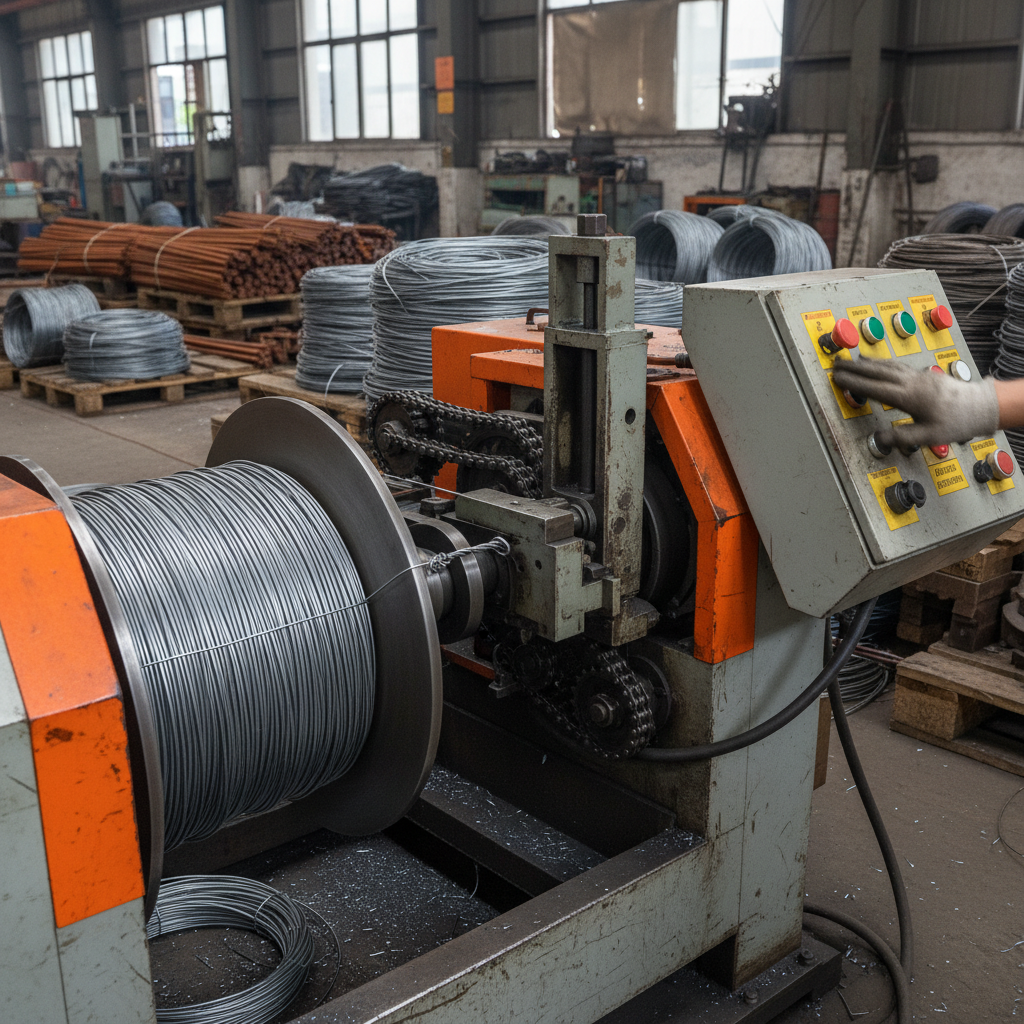
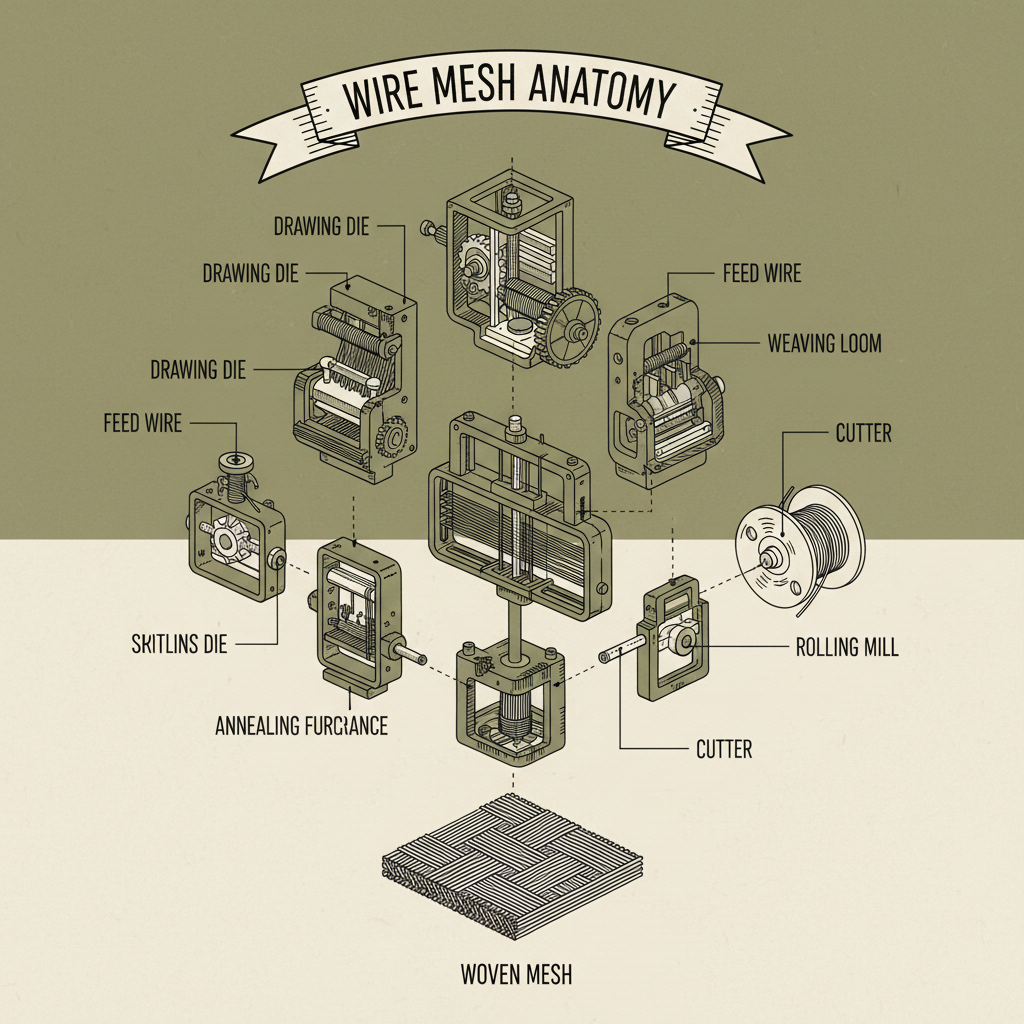
Fencing iron wire, a foundational material in security and containment, plays a crucial role in a remarkably wide array of global applications. From simple agricultural fencing to high-security perimeter defenses, its versatility and cost-effectiveness make it indispensable. Understanding its properties, manufacturing processes, and appropriate applications is essential for anyone involved in construction, security, or infrastructure development. This knowledge extends beyond mere material science; it touches upon economic stability, community safety, and even humanitarian aid efforts.
The global demand for fencing iron wire is driven by factors such as increasing population density, growing security concerns, and expanding agricultural needs. According to the World Bank, investment in infrastructure – a key driver for fencing materials – continues to rise in developing nations. ISO standards dictate quality control, ensuring the longevity and reliability of fencing solutions. However, challenges remain in sustainable sourcing and mitigating the environmental impact of production.
Ultimately, mastering the knowledge surrounding fencing iron wire empowers individuals and organizations to make informed decisions, build more secure environments, and contribute to a more sustainable future. It’s not simply about erecting barriers; it’s about creating safe, defined spaces that foster growth, protect assets, and support communities.
Introduction: Global or Industry Context
The demand for fencing iron wire is intrinsically linked to global development and security needs. Rapid urbanization, particularly in emerging economies, drives the requirement for perimeter security in residential, commercial, and industrial areas. Moreover, agricultural expansion necessitates robust fencing to protect crops and livestock. This consistent demand translates to a multi-billion dollar industry, with significant regional variations in production and consumption.
Statistics from the United Nations Population Fund show a continuing trend of migration to urban centers, increasing pressure on infrastructure and, consequently, the need for secure boundaries. This growth isn’t limited to densely populated areas; remote industrial sites and critical infrastructure require effective protection, often relying on durable and cost-effective fencing solutions built from iron wire.
A significant challenge in the fencing iron wire industry is balancing cost with sustainability. Traditional manufacturing processes can be energy-intensive, and responsible sourcing of raw materials is critical. Addressing these concerns is vital to ensure the long-term viability and ethical standing of the industry.
Definition & Meaning
Fencing iron wire fundamentally refers to wire constructed from iron, typically processed and galvanized or coated to provide resistance to corrosion and weathering. It’s employed in the creation of various fencing types, including woven wire mesh, barbed wire, chain-link fencing, and welded wire panels. The core purpose is to establish a physical barrier – to delineate boundaries, control access, and provide security.
In a modern context, fencing iron wire extends beyond simple containment. It supports agricultural practices by preventing livestock straying and protecting crops from wildlife. It secures critical infrastructure – power plants, water treatment facilities, and communication networks – against unauthorized access. Furthermore, it’s crucial in disaster relief, forming temporary shelters and establishing secure perimeters in affected areas.
The enduring relevance of fencing iron wire stems from its adaptability and cost-effectiveness. While more technologically advanced security solutions exist, iron wire fencing remains a practical and accessible option for a vast range of applications, particularly in environments where simplicity and durability are paramount.
Key Factors or Core Components
Durability: The lifespan of fencing iron wire is a primary consideration. Galvanization or coating with polymers like PVC significantly enhances its resistance to rust, corrosion, and UV degradation, extending its service life in harsh environments. Higher-grade iron and robust coatings translate directly to longer-lasting fences.
Tensile Strength: The wire’s ability to withstand stretching and breaking is crucial, particularly in applications where the fence will be subjected to stress from wind, animals, or potential intruders. Tensile strength is directly related to the gauge (thickness) of the wire and the quality of the iron alloy used.
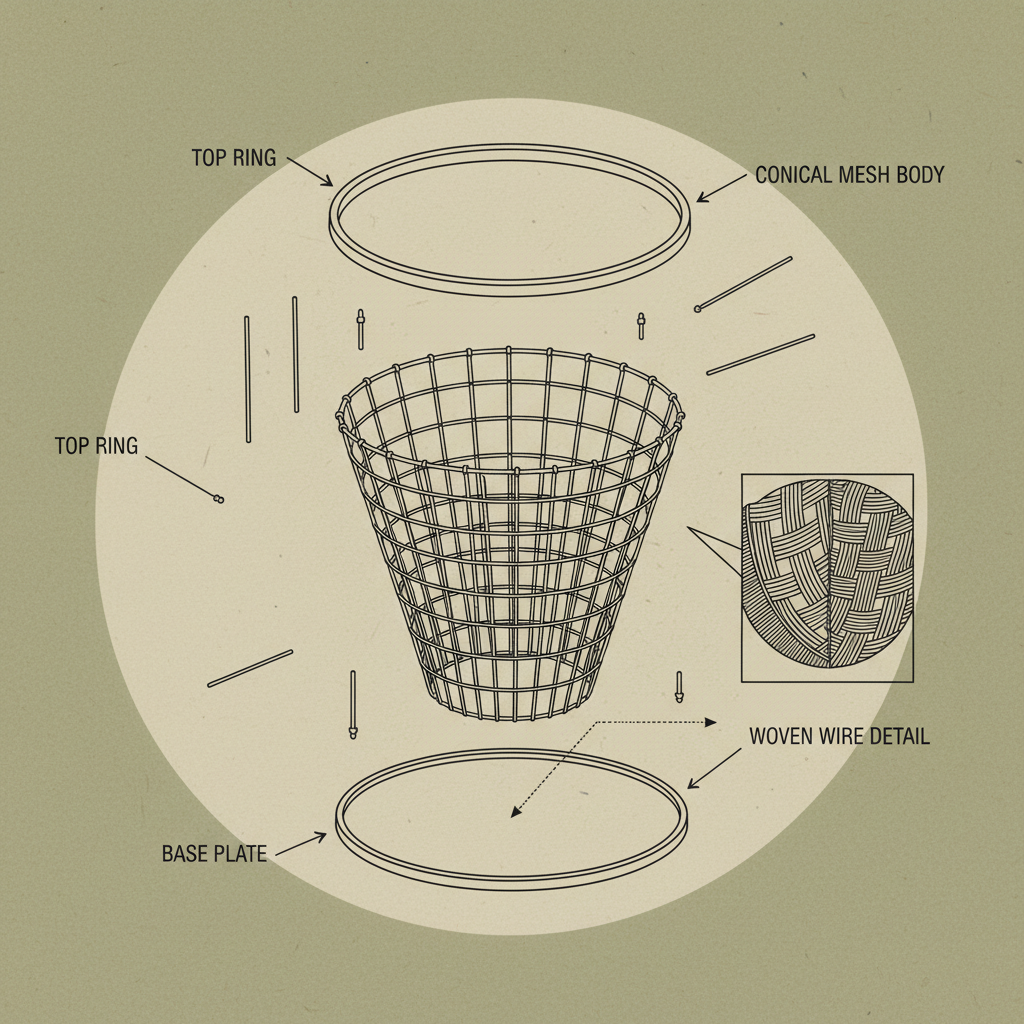
Weave Pattern/Construction: The method in which the wire is assembled – woven, welded, or twisted – determines the fence’s strength, flexibility, and overall security level. Different weave patterns are suited to different applications. For example, a tightly woven mesh offers greater security than a more open pattern.
Coating Quality: The effectiveness of the protective coating is paramount. Hot-dip galvanization provides a thick, durable layer of zinc, while polymer coatings offer additional protection against chemicals and abrasion. Regularly inspecting and maintaining the coating is essential for maximizing the fence’s lifespan.
Wire Gauge: The thickness of the wire is vital to overall strength and resistance to cutting. Thicker gauges offer greater security, but also increase the cost. Selecting the appropriate gauge depends on the specific security requirements of the application.
Corrosion Resistance: Crucial for outdoor applications, resistance to corrosion dictates the long-term performance and integrity of the fencing. Galvanization, PVC coating, and specialized alloys contribute to enhanced corrosion resistance.
Global Applications & Use Cases
Fencing iron wire is extensively used in agriculture, particularly in livestock management and crop protection. In regions like Australia and Argentina, vast areas of farmland rely on durable fencing to contain cattle, sheep, and other animals. It’s also vital for protecting crops from wild animals and preventing theft.
In post-disaster relief operations, fencing iron wire provides a quick and cost-effective means of establishing secure perimeters around temporary shelters, distribution centers, and medical facilities. Organizations like the Red Cross and UNHCR frequently deploy fencing solutions in emergency situations. This rapid deployment capability is a critical advantage.
Remote industrial zones – mining operations in South Africa, oil and gas facilities in the Middle East, and logging camps in Canada – depend on robust fencing to protect valuable assets, prevent unauthorized access, and ensure worker safety. These installations often utilize high-security fencing systems incorporating barbed wire and advanced detection technologies.
Comparison of Fencing Iron Wire Applications by Region
Advantages & Long-Term Value
The primary advantage of utilizing fencing iron wire lies in its cost-effectiveness. Compared to more elaborate security systems, it offers a significant return on investment, particularly for large-scale installations. This affordability makes it accessible to a wider range of users, from small farmers to large corporations.
Beyond cost, its durability contributes to long-term value. Properly maintained fencing can last for decades, reducing the need for frequent replacements. This longevity not only saves money but also minimizes environmental impact. Furthermore, a secure perimeter enhances the safety and security of assets and personnel, fostering peace of mind and potentially reducing insurance costs.
Future Trends & Innovations
The future of fencing iron wire is intertwined with advancements in materials science and manufacturing technology. Research into more sustainable and corrosion-resistant coatings, such as graphene-based solutions, is ongoing. These innovations promise to extend the lifespan of fences while minimizing environmental impact.
Smart fencing systems, integrating sensors and IoT (Internet of Things) technology, are emerging as a significant trend. These systems can detect intrusions, monitor fence integrity, and provide real-time alerts, enhancing security and reducing the need for manual patrols. Digital transformation is driving a shift towards more intelligent and responsive fencing solutions.
Challenges & Solutions
A significant challenge associated with fencing iron wire is its susceptibility to corrosion, particularly in harsh climates. While galvanization and polymer coatings mitigate this issue, they are not foolproof, and regular maintenance is essential. Innovative coating technologies and improved alloy compositions are key areas for addressing this challenge.
Another challenge is the potential for theft. Cut wire can compromise security and necessitate costly repairs. Implementing anti-theft measures, such as specialized fasteners and perimeter surveillance systems, can help deter theft. Furthermore, sourcing from reputable suppliers who prioritize quality control is crucial.
Finally, the environmental impact of manufacturing must be addressed. Promoting responsible sourcing of raw materials, adopting energy-efficient production processes, and exploring recycling options are essential steps towards a more sustainable fencing industry.
Summary of Challenges and Potential Solutions for Fencing Iron Wire
| Challenge |
Impact on fencing iron wire Performance |
Potential Solutions |
Implementation Cost (1-10) |
| Corrosion |
Reduced lifespan, compromised structural integrity |
Advanced coatings (graphene, polymers), stainless steel alloys |
7 |
| Theft |
Security breaches, repair costs |
Specialized fasteners, perimeter surveillance, security patrols |
5 |
| Environmental Impact |
Resource depletion, pollution |
Sustainable sourcing, energy-efficient production, recycling programs |
6 |
| Vandalism |
Damage to fencing, security compromises |
Reinforced wire, anti-climb features, strategic landscaping |
4 |
| Material Quality |
Premature failure, reduced security |
Rigorous quality control, certified suppliers, material testing |
3 |
| Installation Errors |
Weak points, compromised security |
Professional installation, proper tensioning, regular inspections |
5 |
FAQS
The lifespan of galvanized fencing iron wire varies depending on environmental conditions. In relatively mild climates, it can last for 20-30 years or more. However, in harsh environments with high salinity or industrial pollutants, the lifespan may be reduced to 10-15 years. Regular inspection and maintenance, including re-coating if necessary, can significantly extend its service life. Proper installation to avoid ground contact also contributes to longevity.
The legality of barbed fencing iron wire varies significantly by jurisdiction. Many municipalities have specific regulations regarding the height, spacing, and placement of barbed wire, particularly in residential areas. Some areas may prohibit its use altogether. It's essential to check local ordinances and obtain any necessary permits before installing barbed wire fencing. Violations can result in fines or removal orders.
Preventing rust on fencing iron wire involves several strategies. Galvanization is the primary defense, but scratches or damage to the coating should be repaired promptly with zinc-rich paint. Regular cleaning to remove dirt and debris helps maintain the coating's integrity. In coastal areas, periodic application of a corrosion inhibitor is recommended. Avoid direct contact with corrosive materials like concrete or certain fertilizers.
Galvanized fencing iron wire is coated with a layer of zinc to protect against rust. PVC-coated wire, however, has a layer of plastic over the galvanized coating, offering an additional barrier against corrosion and abrasion. PVC coating also provides color options and a smoother finish. While PVC coating adds extra protection, it can be more expensive than galvanization alone.
For containing large animals like cattle or horses, a minimum of 12.5-gauge fencing iron wire is generally recommended. Heavier gauges, such as 11 or 9.5, offer even greater strength and are preferable in areas with aggressive animals. The post spacing also plays a critical role; shorter post spacing reduces stress on the wire and increases the overall security of the fence. Consider using woven wire or multiple strands of wire for enhanced containment.
The environmental impact of fencing iron wire depends on its lifecycle. Iron is a relatively abundant resource, but mining and processing can have environmental consequences. Choosing recycled materials, utilizing energy-efficient manufacturing processes, and opting for durable, long-lasting fences reduces the overall impact. Proper disposal or recycling of old fencing is also important. Consider PVC-free coating options for a more sustainable choice.
Conclusion
In conclusion, fencing iron wire remains an indispensable material in a diverse range of applications, from securing properties and protecting livestock to aiding in disaster relief and supporting industrial operations. Its cost-effectiveness, durability, and adaptability make it a pragmatic choice for countless scenarios globally. Understanding its key characteristics – tensile strength, corrosion resistance, and appropriate coatings – is critical for maximizing its lifespan and ensuring its effectiveness.
Looking ahead, innovations in materials science and smart fencing technologies promise to further enhance the performance and sustainability of fencing iron wire solutions. Prioritizing responsible sourcing, adopting energy-efficient manufacturing practices, and promoting recycling initiatives will be crucial for mitigating environmental impact. By embracing these advancements, we can ensure that fencing iron wire continues to play a vital role in building safer, more secure, and more sustainable communities worldwide. For high-quality fencing iron wire solutions, visit our website today!