To be honest, it's been a crazy year. Everyone's talking about prefabrication, modular construction, you name it. Seems like everyone’s trying to build faster, cheaper… but they often forget about the guy actually doing the building. They design these beautiful things on computers, then send them to the site and expect it to just… work. It rarely does.
Have you noticed how everyone's obsessed with lightweight materials? It's good, don't get me wrong - less strain on the guys, easier to move things around. But lightweight often means less durable, and then you're trading one problem for another. I encountered this at the Changzhou steel factory last time; they swore their new alloy was stronger, but it buckled under the same stress as the old stuff. Looks can be deceiving.
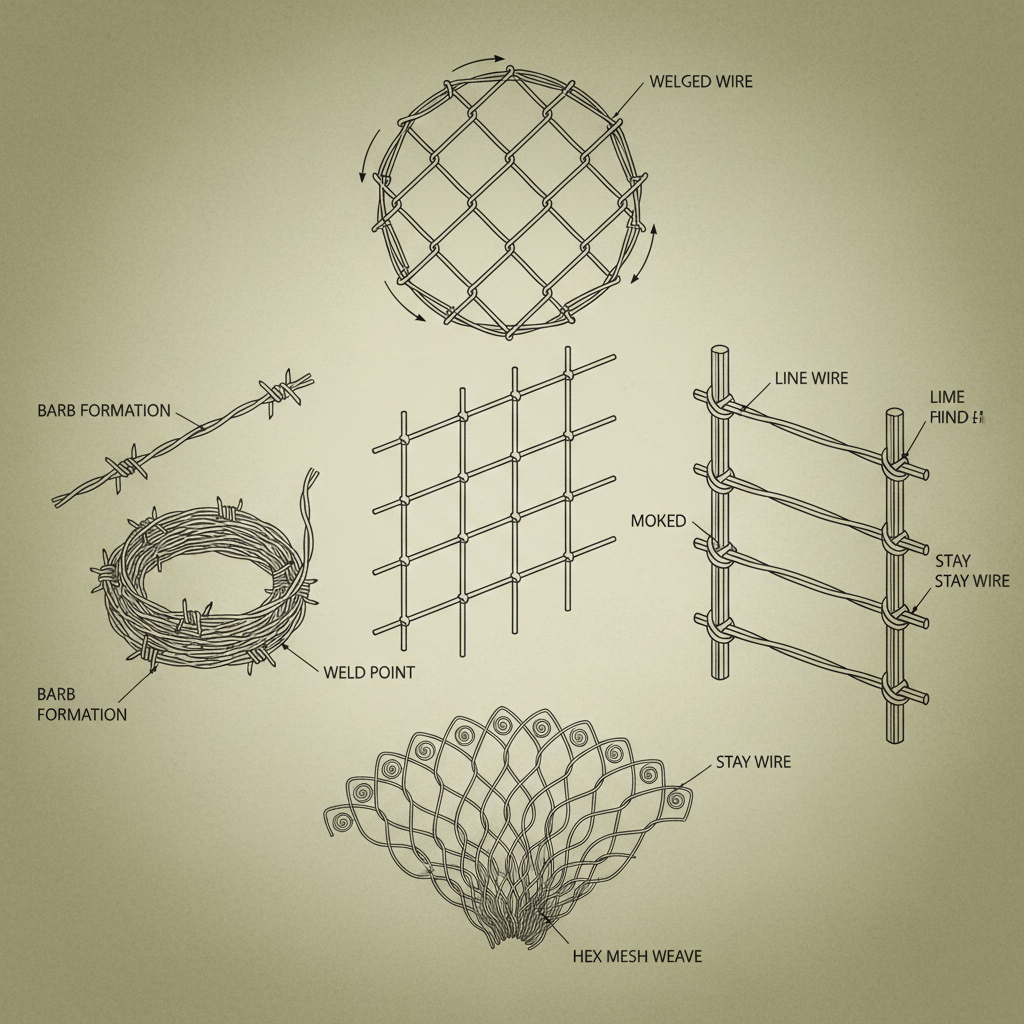
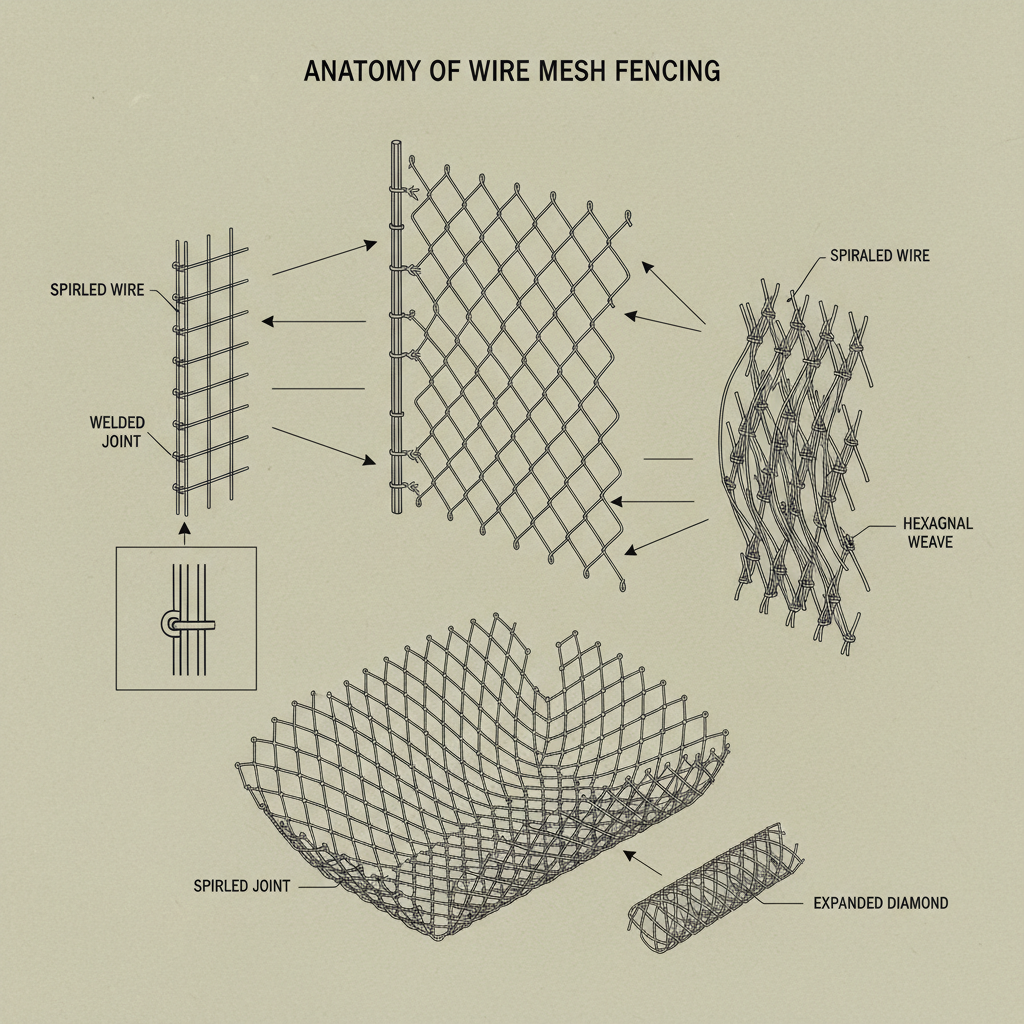
We’ve been focusing a lot on different types of wire mesh fencing lately. Not just the basic chain link, you know? We're talking about welded wire mesh, hexagonal netting, even stainless steel mesh for more… demanding applications. The welded wire mesh is pretty popular - stiff, good for security, feels solid when you handle it. The hexagonal, that's the chicken wire stuff… well, it's cheap, but it's a pain to work with. Always poking your fingers. And the stainless steel… man, that stuff is heavy. But it won't rust, which is a big win in coastal areas. Smells like… well, steel. Always a faint metallic tang.
Industry Trends and Common Pitfalls
Strangely enough, the biggest trend right now isn't about new materials, it's about smarter assembly. Everyone wants prefabricated panels of fencing, delivered to the site ready to install. Less cutting, less welding, less headache. But you gotta be careful. I've seen companies cut corners on the framing, assuming the mesh will hold everything together. It doesn't. And then you've got a collapse on your hands. Which is…bad.
A common pitfall? Thinking all wire mesh fencing is created equal. The gauge of the wire matters. The aperture size matters. The coating matters. I saw a job in Shenzhen where they used cheap galvanized steel mesh in a saltwater environment. It rusted through in six months. Six months! They saved maybe 10% on materials, and ended up paying three times that in replacements.
Material Deep Dive: What We Use and Why
So, let’s talk materials. Galvanized steel is the workhorse. Cheap, readily available, reasonably strong. But it’s prone to rust, especially if the coating is damaged. You can feel it - that slightly rough texture, almost chalky. Stainless steel, like I said, is the premium option. Smooth, heavy, doesn't rust. But it's expensive, and can be difficult to weld. PVC coated mesh is becoming more popular too – adds a layer of protection against corrosion and gives you a bit of color. The PVC smells… well, like plastic.
Then you've got aluminum. Lightweight, corrosion-resistant, but not as strong as steel. Good for decorative fencing, maybe, but not for high-security applications. And the price…ouch. We also do a lot with different alloys, trying to find that sweet spot between strength, weight, and cost. It's a constant balancing act, let me tell you.
The coatings are crucial. We specify different types depending on the environment. Polyester coating for UV resistance, epoxy coating for chemical resistance. You gotta know your stuff, or it'll all fall apart.
Real-World Testing: Beyond the Lab
Lab tests are fine, but they don’t tell the whole story. I want to see this stuff bent, stretched, hammered. I want to see how it holds up to actual abuse. We have a little testing area behind the factory where we put the mesh through the wringer. We simulate wind loads, impact resistance, even try to climb it (don't tell the safety guy).
One thing we started doing recently is burying sections of mesh in different types of soil, leaving them for six months, then digging them up to see how they’ve weathered. It's messy, it’s time-consuming, but it gives you a much better idea of long-term durability. We even had a section submerged in seawater for a year. It wasn’t pretty.
Anyway, I think real-world testing is the only way to truly assess the quality of these products. Numbers on a datasheet are one thing, but seeing it fail (or not fail) under actual conditions is something else entirely.
How People Actually Use It (and It's Not Always What You Think)
You'd be surprised how people repurpose this stuff. We sell a lot of mesh to farmers for animal enclosures, obviously. But we also get requests for sound barriers, privacy screens, even art installations. One guy used it to create a giant sculpture of a dragon for a festival. I kid you not.
The biggest misuse I see is people trying to stretch the mesh too far. They want to cover a large area with the least amount of material possible. It always ends up sagging or tearing. They don't understand the importance of proper tensioning. It's physics, people!
And then there are the guys who try to weld galvanized steel without proper ventilation. The fumes are toxic. Honestly, sometimes I feel like I spend half my time warning people about safety hazards.
Types of Wire Mesh Fencing Application Frequency
Advantages, Disadvantages, and the Inevitable Trade-offs
The biggest advantage of wire mesh fencing, plain and simple, is cost. It's the most affordable option for securing a large area. It's also relatively easy to install, and it offers good visibility. But it's not pretty. Let’s be real, it looks like… fencing.
The disadvantages? It's not the most secure option. Determined intruders can cut through it with a pair of bolt cutters. And it’s susceptible to rust and corrosion if not properly maintained. The trade-off is always between cost and security. You get what you pay for, basically.
Customization Options: Making it Fit the Job
We do a lot of customization. Different heights, widths, mesh sizes, coatings. Last month, a client in Shenzhen, a small boss making smart home devices, insisted on changing the connector on a security panel to . Said it was "more modern." I tried to explain that it wouldn't be compatible with their existing infrastructure, that it would require a complete overhaul, but he wouldn't listen. Ended up costing him a fortune. Sometimes you just can’t win.
We can also add features like razor wire or barbed wire for increased security. We can powder coat the mesh in any color you want. We even did a job where we integrated LED lights into the mesh for a decorative effect. The possibilities are endless, really.
A Customer Story and a Final Thought
So, a few weeks ago, we had a farmer call, frantic. His sheep were escaping through a hole in his old fence. He needed a quick fix, and he needed it now. We delivered a roll of welded wire mesh to his farm that afternoon, and he had the fence repaired within a couple of hours. He was so grateful, he brought us a basket of fresh eggs. That’s the kind of thing that makes this job worthwhile.
We're always looking for ways to improve our products, to make them stronger, more durable, more reliable. But ultimately…
Ultimately, whether this thing works or not, the worker will know the moment he tightens the screw.
Summary of Wire Mesh Fencing Performance Characteristics
| Mesh Type |
Corrosion Resistance (1-10) |
Installation Difficulty (1-10) |
Security Level (1-10) |
| Galvanized Steel |
6 |
4 |
5 |
| Stainless Steel |
10 |
6 |
7 |
| PVC Coated |
8 |
5 |
6 |
| Aluminum |
9 |
3 |
3 |
| Hexagonal Netting |
4 |
2 |
2 |
| Welded Wire Mesh |
7 |
4 |
6 |
FAQS
Deer are surprisingly strong, so you’ll want something fairly robust. Welded wire mesh with a small aperture size (around 2x4 inches) and a height of at least 8 feet is your best bet. You also need to bury the bottom of the fence a few inches to prevent them from digging underneath. Don't underestimate a determined deer; they’re persistent creatures.
Honestly? Not very long. Saltwater is incredibly corrosive. You’re looking at maybe 5-7 years, if you’re lucky. It really depends on how close you are to the ocean and how often you rinse it off. Stainless steel is the way to go in coastal areas, even though it's more expensive. You'll save money in the long run, trust me.
It can be, but it depends on the animal. For smaller animals like chickens or rabbits, it's a good choice. The PVC coating provides some protection against corrosion and it's relatively safe. But for larger, more aggressive animals, the PVC coating can be easily damaged, exposing the steel underneath. It’s often best to choose something more robust in those cases.
Welded wire mesh has wires that are welded together at each intersection, making it very rigid and strong. Hexagonal netting is made by twisting the wires together, which makes it more flexible but also less durable. Welded wire is better for security, while hexagonal netting is often used for cheaper applications like chicken coops. It really boils down to the job you need it for.
To a limited extent, yes. It won’t block out all the noise, but it can help to reduce it, especially when combined with other soundproofing materials. The denser the mesh, the better the soundproofing effect. The key is to create a barrier that disrupts the sound waves. Don’t expect miracles, though.
Not using enough support posts! People try to stretch the mesh too far between posts, and it ends up sagging or tearing. You need to have enough posts to provide adequate support, especially on long runs. Also, not properly tensioning the mesh. It needs to be tight enough to prevent animals from pushing through or damaging it. Those are the two biggest culprits, honestly.
Conclusion
So, there you have it. Wire mesh fencing isn't glamorous, but it's a vital part of a lot of different industries. From security and agriculture to construction and landscaping, it plays a crucial role in protecting property, containing animals, and ensuring safety. The key is to understand the different types of mesh available, their strengths and weaknesses, and how to choose the right one for the job.
Look, there's a lot of fancy technology out there, but sometimes the simplest solutions are the best. And when it comes to practical, reliable fencing, wire mesh is hard to beat. Ultimately, whether this thing works or not, the worker will know the moment he tightens the screw.