You know, things have been changing fast lately. Everyone’s talking about prefabrication, modular builds, trying to cut down on waste and speed things up. But honestly, a lot of it feels like chasing shiny objects. They want everything to be ‘smart’ and ‘sustainable’ without really understanding what that means on the ground. I spend 300 days a year on construction sites, and believe me, ‘sustainable’ becomes a lot less important when you’re trying to get a roof over someone’s head before the monsoon hits.
It’s funny, you spend all this time designing something in the office, thinking you’ve accounted for everything, and then you get to the site and… nope. Completely wrong. Have you noticed how everyone jumps on the latest alloy without thinking about how it actually feels to work with? Like that titanium composite everyone was raving about last year… lightweight, sure, but a nightmare to weld. The fumes alone! And the cost? Forget about it.
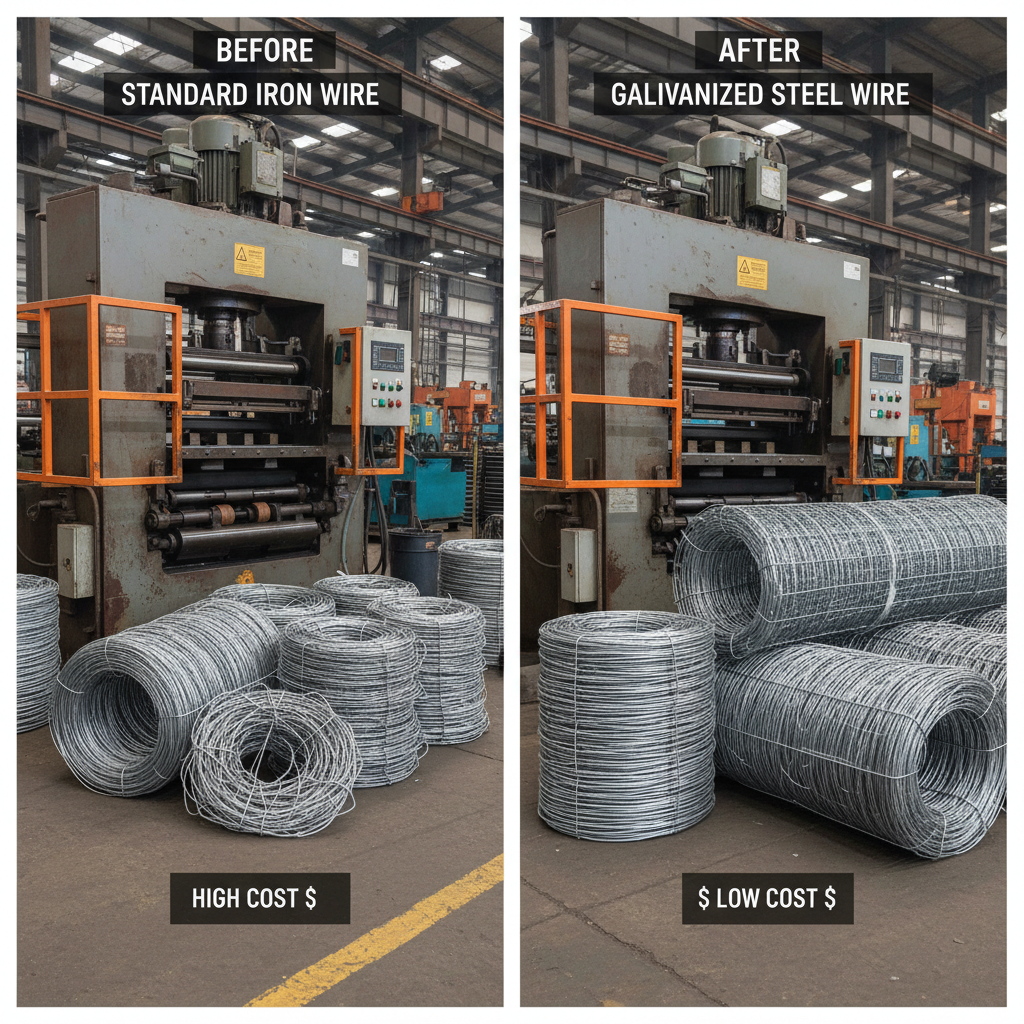
We deal with a lot of different wire mesh – galvanized steel, stainless steel, even some of the polymer stuff. Galvanized, that’s your workhorse. Smells like… well, metal, obviously. Gets slippery when it’s wet. You gotta wear gloves, even then you’ll get little cuts. Stainless steel is nicer to handle, smoother, doesn’t rust like crazy, but it's significantly more expensive. And the polymer stuff… well, it looks good in the brochures. Lightweight, corrosion-resistant, but try bending it on site. It snaps like a twig. It’s good for certain applications, like temporary fencing, but you won't catch me building a permanent structure with it.
The Current Landscape of different types of wire mesh
To be honest, the demand for different types of wire mesh is steady, but what people want is always shifting. There’s a big push for more durable, lighter materials. Everyone’s trying to reduce weight without sacrificing strength. Prefabricated components are huge now, which means the wire mesh needs to be delivered ready to go, correctly sized and pre-assembled wherever possible. There's also a lot more scrutiny on corrosion resistance, especially in coastal areas. It’s not enough to just slap on some galvanization anymore; they want coatings that will last twenty, thirty years. Strangely, nobody ever asks about how easy it is to actually install the stuff.
It’s a global market, obviously. A lot of the cheaper stuff comes out of China, and the quality… well, let's just say you get what you pay for. I saw a shipment last year that was supposed to be 304 stainless, but it failed the salt spray test within 24 hours. European manufacturers are generally more reliable, but also more expensive. American suppliers are somewhere in between.
Common Design Pitfalls in Wire Mesh Applications
I encountered this at a factory in Italy last time. They were designing a new type of facade panel using stainless steel mesh. Looked beautiful in the drawings. But they hadn’t accounted for thermal expansion. The mesh buckled and warped the first time the sun hit it. Simple stuff, right? But these designers, they sit in their air-conditioned offices and forget about the real world. Another common mistake is underestimating the load. People try to use a lighter gauge mesh to save money, and then it sags or fails under the weight of whatever it’s supporting. It’s always the same story.
And don't even get me started on the interfaces. Trying to connect wire mesh to concrete, steel, or wood… it’s a headache. You need the right connectors, the right adhesives, and a lot of patience. A poorly designed interface is a guaranteed point of failure.
The biggest trap? Thinking all wire mesh is created equal. There are subtle differences in the weave, the wire diameter, the coating… and those differences can make all the difference.
Materials Deep Dive: Beyond the Datasheet
Let's talk materials. Galvanized steel, like I said, is the staple. It's affordable, strong, and relatively easy to work with. But the zinc coating wears off over time, especially in corrosive environments. That's where stainless steel comes in. 304 and 316 are the most common grades. 316 has more nickel, which makes it more resistant to salt water. But it's also more expensive.
Then you've got the newer alloys – things like duplex stainless steel and super austenitic stainless steel. They offer even better corrosion resistance, but they're also significantly more difficult to weld and fabricate. And the price… forget about it. We had a project last year that specified super austenitic for a bridge railing. The cost almost blew the budget.
And the polymer meshes? Polypropylene, polyethylene, PVC-coated… they’re good for temporary applications, but they don’t have the strength or durability of metal. You can get fancy stuff like fiberglass reinforced polymer, but that gets expensive quickly.
I always tell the younger guys: don't just look at the datasheet. Get your hands on the material. Bend it, twist it, try to break it. Smell it. Yes, smell it. Different materials have different odors. It sounds silly, but it can help you identify the grade and quality. And if you're not sure, send a sample to a lab for testing. It's worth the money.
The feel of the material is crucial. A good quality stainless steel mesh will have a smooth, cool feel. Cheap stuff will feel rough and gritty. And pay attention to the finish. Is it consistent? Are there any blemishes or defects? These little things can be indicators of quality.
Real-World Testing and Performance
Laboratory tests are fine, but they don’t tell you everything. I've seen materials pass all the lab tests and still fail miserably on site. That’s why we do our own testing. We take samples and expose them to real-world conditions – salt spray, UV radiation, extreme temperatures, physical abuse. We bend it, stretch it, hit it with a hammer, see what happens.
We also do pull-out tests to verify the strength of the connections. And we pay close attention to how the material behaves over time. Corrosion, fatigue, creep… these are all factors that can affect performance. Anyway, I think the best test is just to build something and see if it lasts.
different types of wire mesh Performance Comparison
Actual User Applications: It's Not Always What You Expect
You think people are going to use your product the way you designed it? Forget about it. Last month, that small boss in Shenzhen who makes smart home devices insisted on changing the interface to on a security screen we were supplying. He said it was "more modern." Looked great, but the connectors kept failing because the screens were getting wet during installation. He ended up going back to the old style. Cost him a fortune in replacements.
We supplied a bunch of stainless steel mesh for a fish farm in Vietnam. They were using it to create cages to contain the fish. Turns out, the local fishermen were stealing pieces of the mesh to repair their nets! I swear, you can't predict these things.
Advantages, Disadvantages, and the Bottom Line
Alright, let’s be real. Different types of wire mesh are cheap, strong, and versatile. That’s why they’re still around. They can be used for everything from security screens to filters to reinforcement. But they’re also prone to corrosion, can be difficult to work with, and require regular maintenance.
And let’s not forget the safety issues. Sharp edges, potential for entanglement… you need to take precautions. The biggest advantage, honestly, is that it’s a known quantity. Everyone knows how to work with wire mesh, everyone knows its limitations. That's valuable.
Customization and Special Cases
We do a lot of custom work. Different weave patterns, different wire diameters, different coatings. One client wanted a mesh with a specific aperture size to filter out algae from a water treatment plant. Took a lot of trial and error, but we got it right.
Another client needed a mesh with a specific color to match their building facade. That was tricky. Painting wire mesh is a pain. The paint chips off, it rusts underneath… We ended up using a powder coating process, which worked much better.
The key is to be flexible and willing to experiment. And to listen to the client. They usually know what they need, even if they can’t articulate it clearly.
A Simple Comparison of Common Wire Mesh Properties
| Material Type |
Corrosion Resistance (1-10) |
Workability (1-10) |
Cost (Relative) |
| Galvanized Steel |
5 |
8 |
Low |
| 304 Stainless Steel |
7 |
7 |
Medium |
| 316 Stainless Steel |
9 |
6 |
High |
| Polypropylene |
10 |
3 |
Low |
| Fiberglass Reinforced Polymer |
9 |
5 |
Medium-High |
| Duplex Stainless Steel |
10 |
4 |
Very High |
FAQS
For a saltwater environment, 316 stainless steel is your best bet. It has a higher nickel content than 304, which makes it much more resistant to corrosion from salt and other harsh chemicals. Galvanized steel will rust quickly, and even 304 stainless can start to pit over time. You might even consider duplex stainless for exceptionally demanding applications, but be prepared for a higher price tag and more challenging fabrication.
Preventing bending or sagging comes down to choosing the right gauge (thickness) of wire and providing adequate support. Thicker wire is more rigid. Also, consider adding reinforcing frames or supports, especially for larger spans. Proper installation is key—make sure the mesh is securely fastened and evenly distributed. Think about the load it will bear and factor that into your calculations.
The biggest safety concerns are cuts from sharp edges and potential entanglement. Always wear gloves, long sleeves, and safety glasses when handling wire mesh. Be careful when cutting or bending it. Make sure the work area is well-lit and free of obstructions. And be aware of the potential for the mesh to unravel or become loose during installation.
Yes, absolutely! Most metal wire mesh is recyclable. Steel and stainless steel can be melted down and reused. However, it’s important to remove any non-metallic coatings or attachments before recycling. There are specialized scrap metal recyclers who can handle wire mesh. Polymer meshes are more difficult to recycle and often end up in landfills.
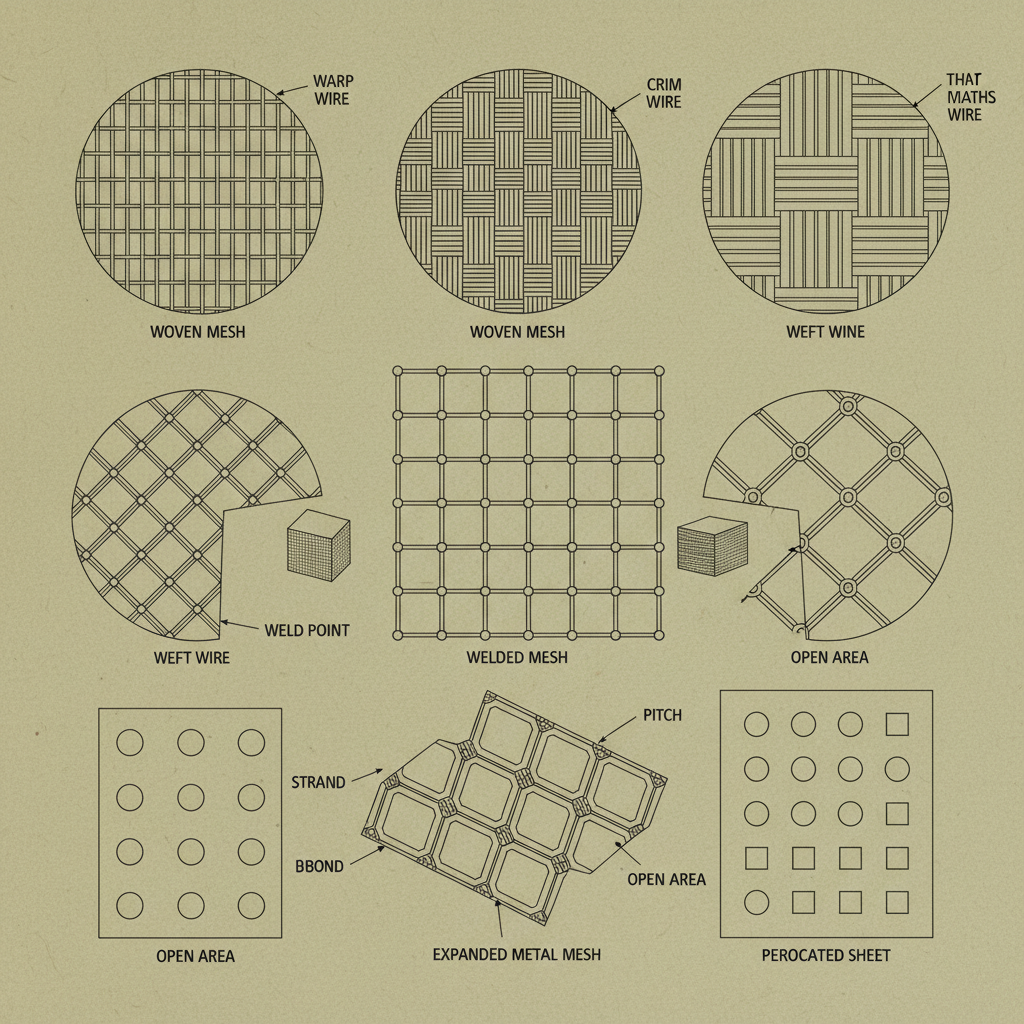
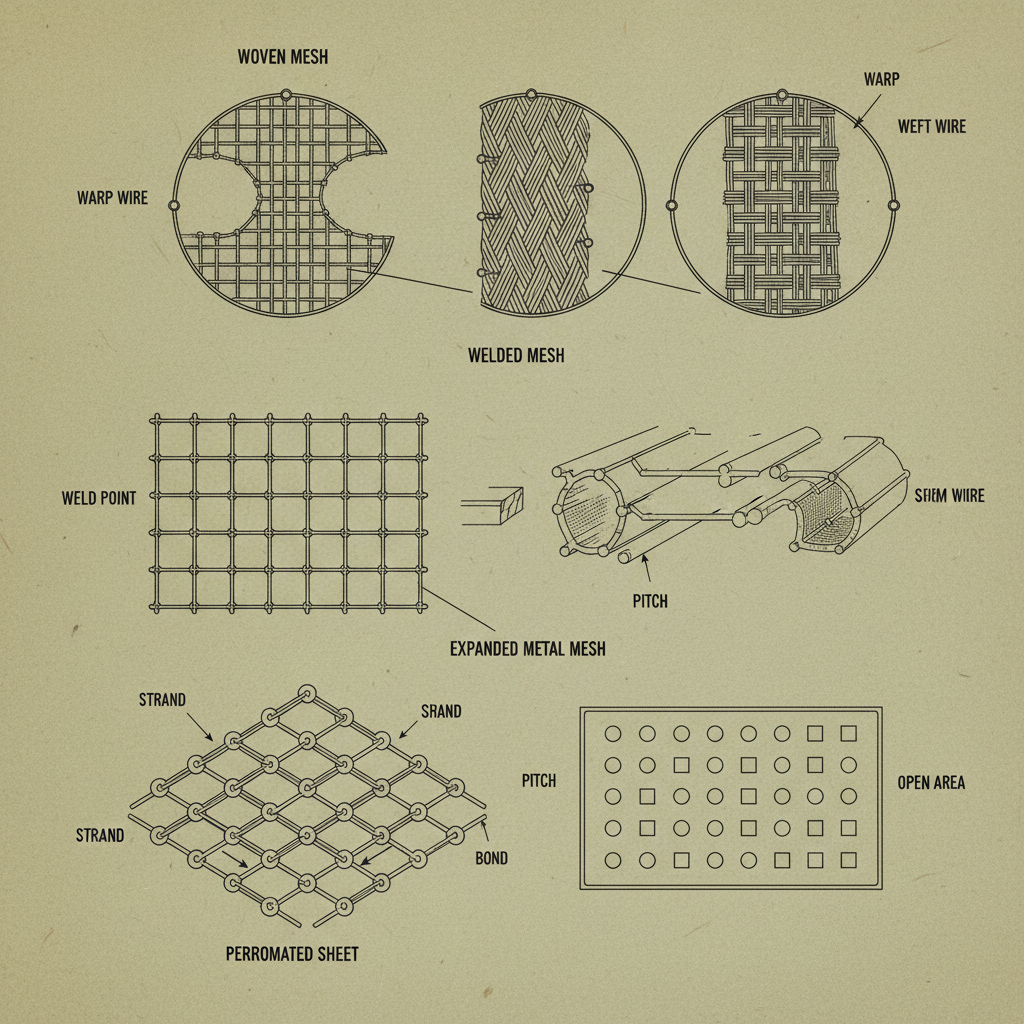
Woven wire mesh is made by interlacing wires together, creating a fabric-like structure. It’s generally more flexible and has a smoother surface. Welded wire mesh is made by welding wires together at their intersections. It’s stronger and more rigid, but can be prone to corrosion at the weld points if not properly treated. The choice depends on the application—woven for filtration, welded for security or reinforcement.
Definitely. Most manufacturers offer custom options. You can specify the wire diameter, aperture size (the size of the openings), weave pattern, and even the coating. However, custom orders typically have longer lead times and higher costs than standard sizes. Be prepared to provide detailed specifications and drawings. And get quotes from multiple suppliers to ensure you're getting a fair price.
Conclusion
So, there you have it. Different types of wire mesh aren't glamorous, but they’re essential. From keeping your garden safe to building bridges that last, it’s all about choosing the right material for the job, understanding its limitations, and installing it properly. It’s not about the fancy alloys or the latest coatings, it’s about getting the basics right.
Ultimately, whether this thing works or not, the worker will know the moment he tightens the screw. That's the honest truth. If it feels right, looks right, and holds up under pressure, then you’ve done your job. And if it doesn't… well, you learn from your mistakes and try again. Check out our full range of products at www.yjdwiremesh.com.