

Iron fencing wire is a foundational material in modern infrastructure and security, playing a critical role in delineating boundaries, protecting assets, and ensuring safety across diverse applications. Its inherent strength, durability, and cost-effectiveness make it a preferred choice globally, influencing everything from agricultural enclosures to high-security perimeter defenses. Understanding the nuances of iron fencing wire—its composition, manufacturing processes, and evolving applications—is crucial for professionals in construction, security, agriculture, and related fields.
The global demand for iron fencing wire is inextricably linked to economic growth, urbanization, and increasing security concerns. According to reports from the World Steel Association, steel production, the primary component of iron fencing wire, continues to rise, driven by infrastructure development in emerging economies. The escalating need for secure perimeters in residential, commercial, and industrial settings further fuels this demand. Addressing the challenges of corrosion, longevity, and sustainable sourcing is vital to ensuring the long-term viability of iron fencing wire solutions.
Iron fencing wire offers a compelling blend of affordability, reliability, and ease of installation, making it an accessible security solution for a wide range of users. From small-scale agricultural operations to large-scale industrial complexes, this versatile material provides essential protection and peace of mind. Choosing the right type of iron fencing wire – galvanized, PVC-coated, or stainless steel – depends on the specific environmental conditions and security requirements.
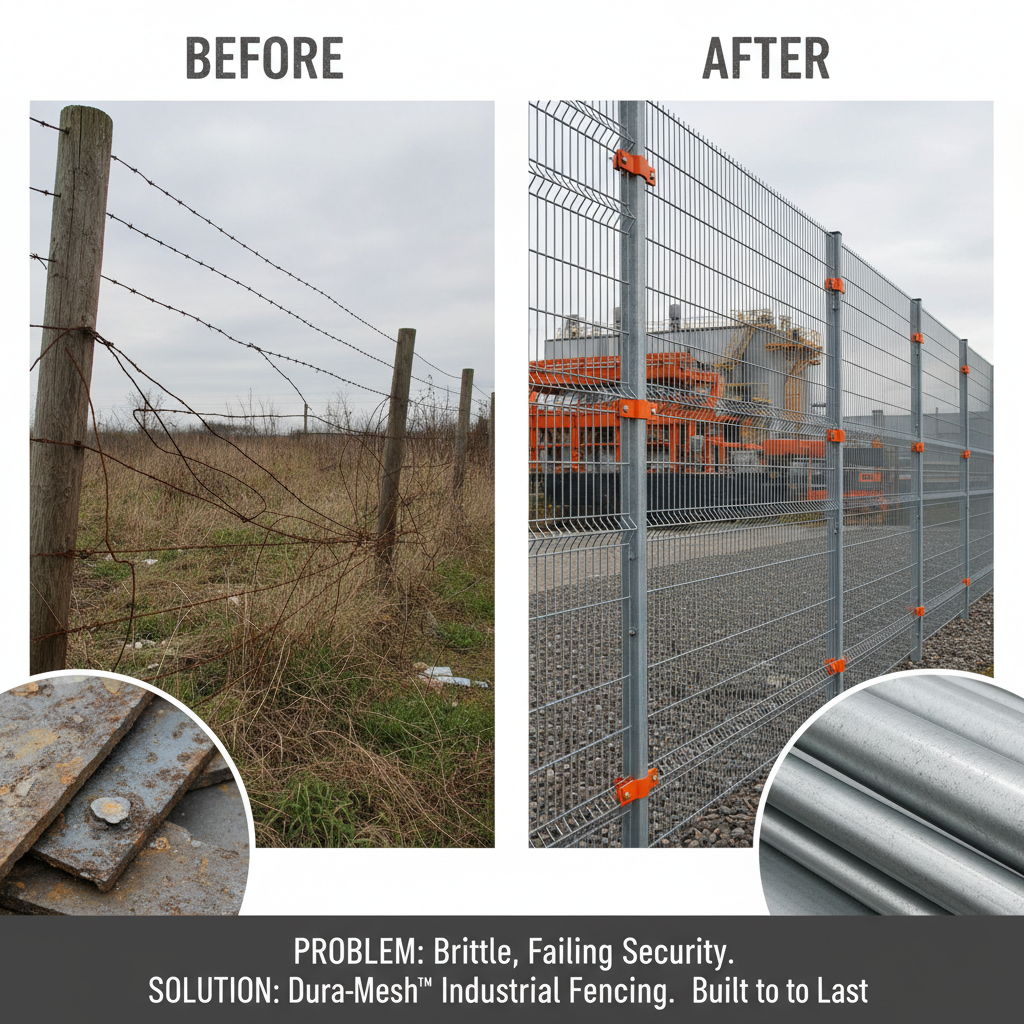
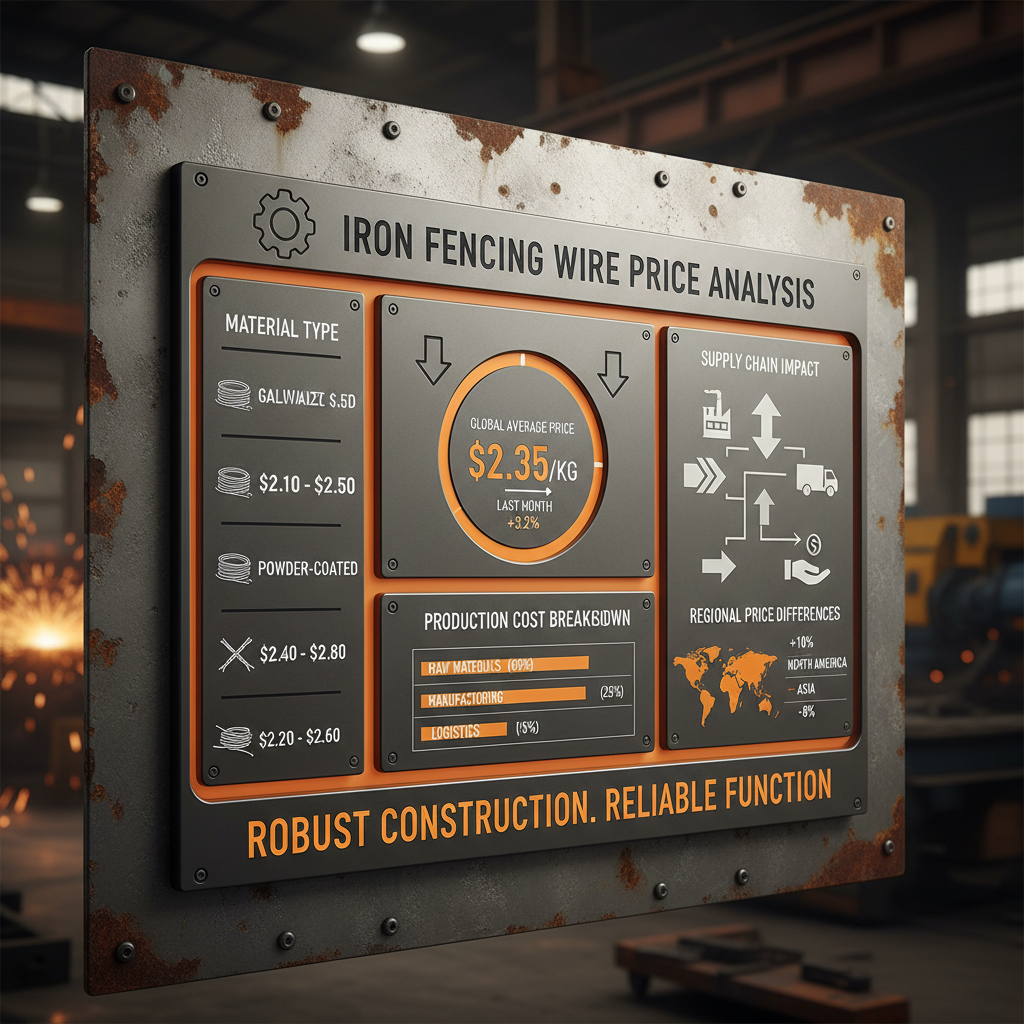
At its core, iron fencing wire relies on the inherent strength and malleability of iron. Modern manufacturing processes often involve blending iron with carbon and other alloying elements to enhance its properties, resulting in a durable and versatile material. The specific composition of the wire dictates its resistance to corrosion, tensile strength, and overall longevity. Galvanized iron fencing wire is especially prominent due to its excellent rust-resistant properties.
Understanding the different gauges (wire thickness) and finishes (galvanization, PVC coating, etc.) is paramount to selecting the optimal iron fencing wire for a given application. Thicker gauges provide greater structural integrity, while specialized finishes offer enhanced protection against environmental factors and aesthetic appeal.
Iron fencing wire in coastal regions experiences accelerated corrosion due to salt spray. Galvanized or, preferably, stainless steel iron fencing wire is recommended. With proper maintenance—regular cleaning and application of protective coatings—a galvanized wire fence can last 10-15 years, while stainless steel can exceed 30 years. Regular inspection is crucial to identify and address corrosion before it compromises the fence's integrity. Choosing a thicker gauge wire also enhances longevity.
Preventing rust on iron fencing wire involves several steps. Primarily, choose galvanized or PVC-coated wire. Regular cleaning to remove dirt and debris is essential. Applying a rust inhibitor annually can provide an extra layer of protection. For damaged areas, promptly repair the coating or apply a zinc-rich primer before painting. Avoiding contact with dissimilar metals can also minimize corrosion. Regular inspection and proactive maintenance are key to a long-lasting fence.
Galvanized iron fencing wire is coated with a layer of zinc, providing sacrificial corrosion protection. PVC-coated wire has a plastic coating over galvanized wire, offering a more durable and colorful finish. Galvanized wire is generally more cost-effective, while PVC coating provides enhanced protection and aesthetic appeal. PVC coating also prevents the zinc layer from being exposed directly to the elements, prolonging its effectiveness.
Yes, iron fencing wire, particularly high-tensile wire, is suitable for containing large animals like cattle. However, proper installation and tensioning are crucial. Using heavier gauges (2.5mm or greater) and strategically spaced posts will ensure adequate strength and prevent animals from breaking through. Electrified iron fencing wire can further enhance containment, providing an additional deterrent.
The environmental impact of iron fencing wire includes the energy used in manufacturing and the potential for corrosion products to leach into the soil. Choosing recycled content wire and opting for sustainable coating options can minimize the environmental footprint. Properly disposing of old fencing wire is also important, as it can be recycled. Considering the longevity of the wire reduces the frequency of replacements and, consequently, lowers resource consumption.
The gauge (thickness) of iron fencing wire directly impacts its strength and cost. Thicker gauges offer greater tensile strength and resistance to breaking or stretching, making them ideal for high-security or livestock containment. However, thicker gauges are also more expensive. Choosing the appropriate gauge involves balancing strength requirements with budgetary constraints. A lighter gauge may suffice for simple boundary marking, while a heavier gauge is necessary for demanding applications.
Iron fencing wire remains an indispensable material across diverse sectors, offering a compelling combination of strength, durability, and cost-effectiveness. From agricultural enclosures to high-security perimeters, its versatility and adaptability make it a preferred choice globally. Understanding the nuances of wire gauge, coatings, and installation techniques is paramount to maximizing its performance and longevity.
Looking ahead, continued innovation in materials science and manufacturing processes will further enhance the sustainability and efficiency of iron fencing wire. Embracing eco-friendly coatings, optimizing recycling programs, and leveraging smart technologies will be key to ensuring its continued relevance in a rapidly evolving world. For reliable and high-quality iron fencing wire solutions, visit our website today.