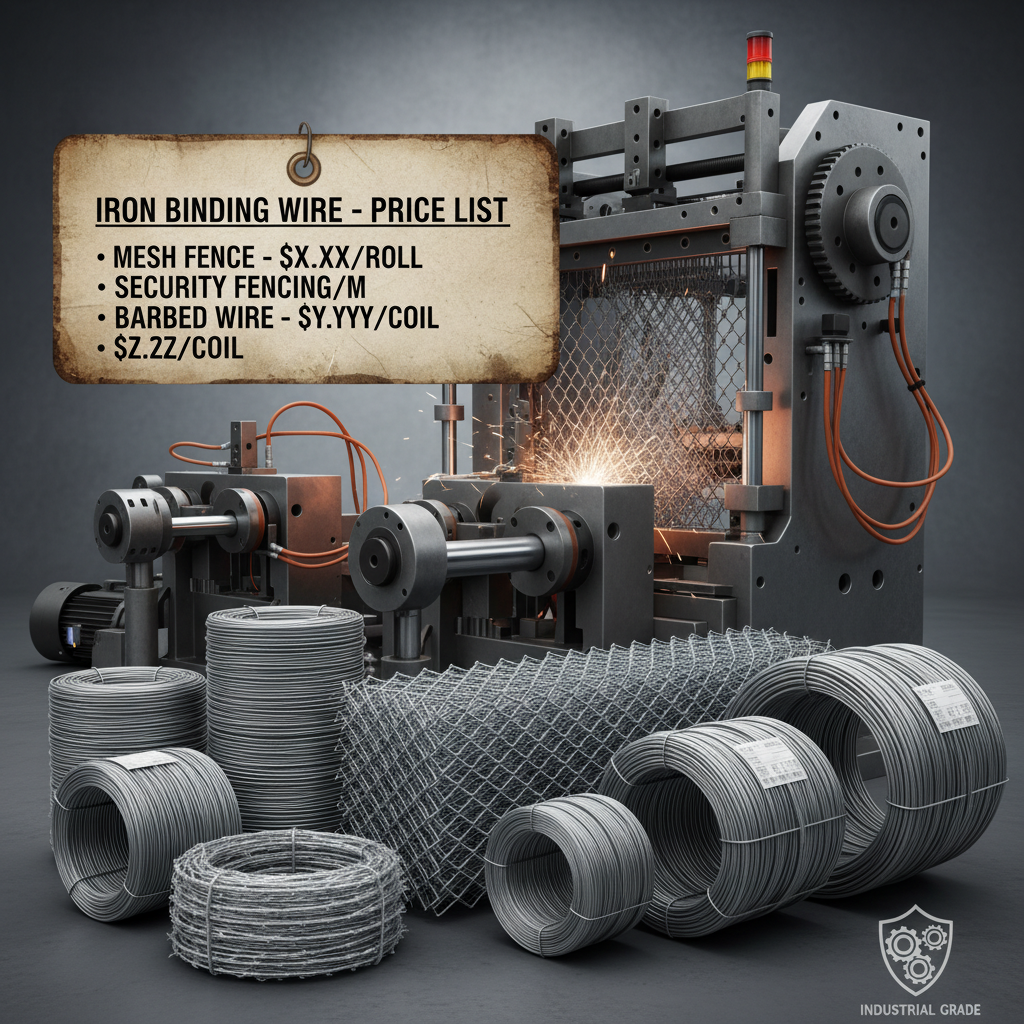
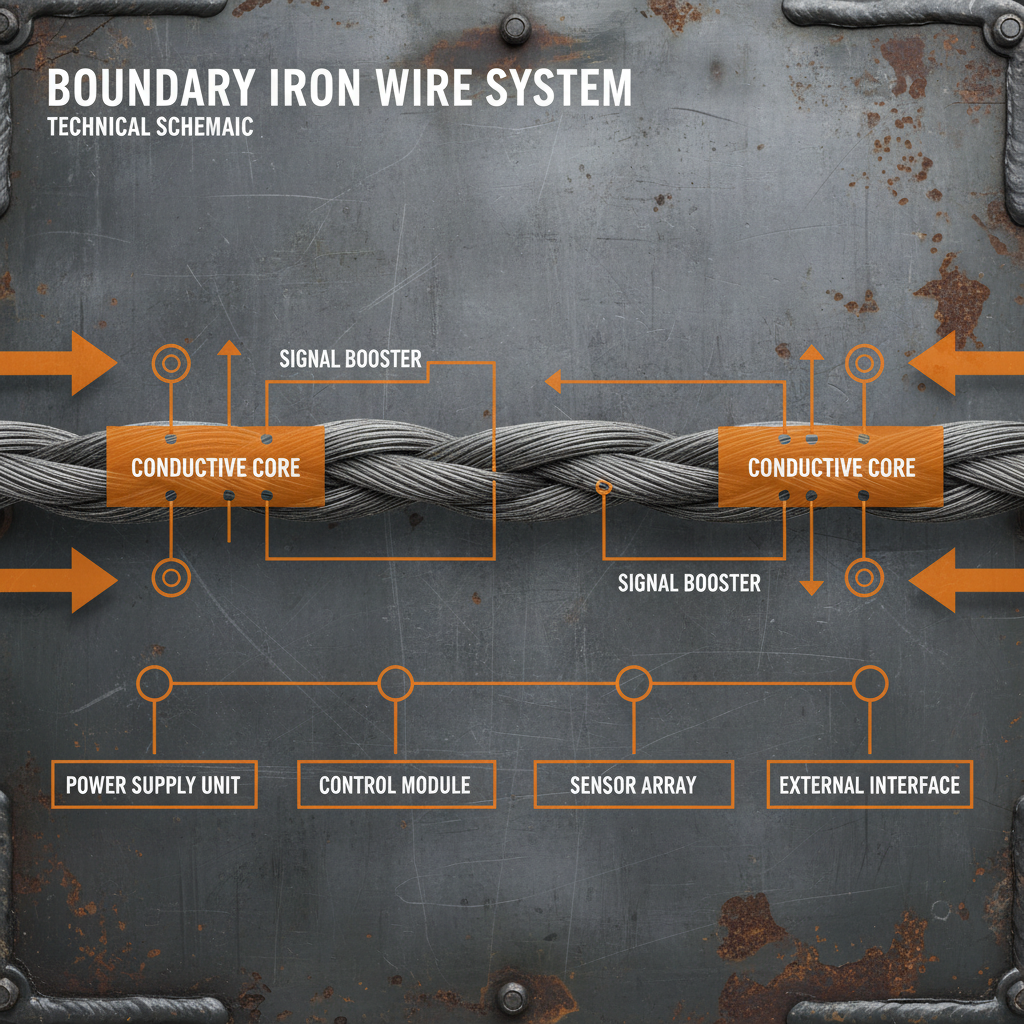
Annealed iron, a fundamental material in countless industries, plays a pivotal role in modern infrastructure and manufacturing. Its unique properties, achieved through a carefully controlled heating and cooling process, make it indispensable in applications ranging from construction and automotive engineering to electrical components and artistic creations. Understanding annealed iron’s characteristics and applications is crucial for professionals across diverse fields, enabling informed decisions about material selection and process optimization.
Globally, the demand for annealed iron continues to rise, driven by growing industrialization and urbanization, particularly in emerging economies. The versatility and cost-effectiveness of this material ensure its continued relevance, despite the emergence of alternative materials. The increasing focus on sustainability also highlights the importance of efficient production processes for annealed iron, minimizing energy consumption and waste generation.
The increasing demand for robust and reliable materials across various sectors further solidifies the significance of annealed iron. It’s a material that directly impacts the quality and longevity of countless everyday products and infrastructure projects, making its understanding a key skill for engineers, designers, and manufacturers alike.
The Fundamentals of Annealed Iron
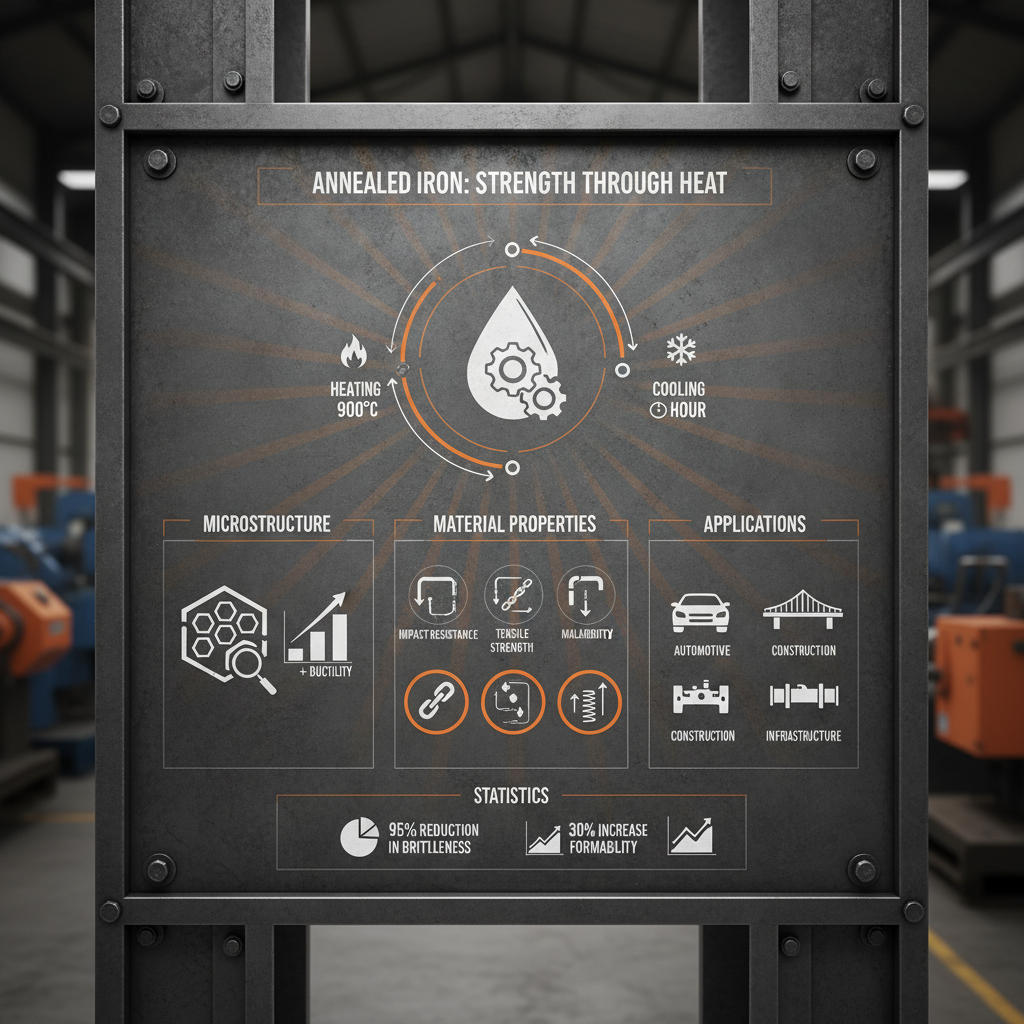
Annealed iron represents a crucial step in metalworking, transforming the material from a hard, brittle state to one that is more ductile and workable. The process involves heating the iron to a specific temperature and then slowly cooling it, relieving internal stresses and refining the grain structure. This careful control is essential for achieving the desired mechanical properties.
This process is pivotal in preparing iron for further fabrication, such as bending, forming, and machining. The resulting material exhibits enhanced malleability, toughness, and reduced hardness, making it ideal for a wide spectrum of applications, from intricate components to large-scale structural elements. Understanding the intricacies of annealing is key to maximizing the performance and lifespan of products built with annealed iron.
Global Relevance and Industry Context
The global production and consumption of annealed iron are tightly linked to the health of manufacturing industries worldwide. Countries with robust industrial sectors, like China, Germany, and the United States, are major consumers of this material. According to data from the World Steel Association, global crude steel production, the precursor to annealed iron, exceeded 1.8 billion tonnes in 2023, demonstrating the immense scale of the industry.
However, the industry faces challenges, including fluctuating raw material costs, geopolitical instability, and increasing environmental regulations. The pressure to reduce carbon emissions from steel production is driving innovation in annealing processes, with a focus on energy efficiency and the use of renewable energy sources. These challenges necessitate constant adaptation and the adoption of sustainable practices to ensure the long-term viability of the annealed iron supply chain.
The demand for annealed iron is also closely tied to infrastructure development. Large-scale projects in developing nations, such as railway construction, bridge building, and urban expansion, significantly contribute to the overall demand, pushing manufacturers to increase production and invest in advanced technologies for producing higher quality annealed iron.
Defining Annealed Iron: Process and Properties
At its core, annealing is a heat treatment process applied to iron to alter its physical and mechanical properties. It involves heating the iron to a specific temperature – typically below its melting point – and then allowing it to cool slowly. The rate of cooling is a critical factor, influencing the final microstructure and resulting properties of the metal.
The key outcome of annealing is the reduction of hardness and brittleness, making the iron more malleable and ductile. This is achieved by relieving internal stresses that accumulate during previous processing steps, like cold working. The process also refines the grain structure, reducing grain size and improving overall toughness. Different annealing techniques, such as full annealing, process annealing, and spheroidizing, are employed to achieve specific property profiles tailored to the intended application.
The resulting properties of annealed iron, including improved ductility, reduced hardness, and enhanced machinability, make it a vital component in various manufacturing processes. Its ability to be easily formed and shaped without fracturing makes it ideal for producing intricate parts and complex structures. The use of annealed iron is widespread due to its adaptability and cost-effectiveness.
Key Characteristics of Annealed Iron
One of the most significant characteristics of annealed iron is its enhanced ductility. This allows the material to be drawn into wires, rolled into sheets, or formed into complex shapes without fracturing. This characteristic is essential in applications requiring intricate designs and precise fabrication.
Another crucial property is its reduced hardness. While still possessing sufficient strength for many applications, the lower hardness of annealed iron facilitates machining, cutting, and other forming processes, reducing tool wear and production costs.
Comparative Analysis of Annealing Methods
Diverse Applications of Annealed Iron
Annealed iron finds widespread application in the automotive industry, where it is used in the manufacturing of various components, including body panels, chassis parts, and engine components. Its ductility and formability make it ideal for creating complex shapes and ensuring structural integrity.
The construction sector utilizes annealed iron extensively in the production of reinforcing bars (rebar) for concrete structures, structural steel for buildings and bridges, and various fasteners and connectors. The enhanced strength and weldability of annealed iron are critical for ensuring the safety and durability of these structures.
Advantages and Long-Term Value Proposition
The cost-effectiveness of annealed iron compared to other specialized alloys is a significant advantage. It offers a balance between performance and affordability, making it a viable option for a wide range of applications. Furthermore, its relatively low energy requirements for processing contribute to its sustainability profile.
The long-term reliability and durability of structures built with annealed iron provide significant value over their lifespan. Reduced maintenance requirements and increased resistance to corrosion contribute to lower lifecycle costs. The inherent strength and resilience of annealed iron provide a tangible return on investment.
Beyond the economic benefits, using annealed iron contributes to a more sustainable built environment. Its recyclability minimizes waste and conserves natural resources, aligning with growing environmental concerns and promoting responsible manufacturing practices.
Future Trends and Technological Advancements
Emerging trends in annealing technology focus on energy optimization and automation. Induction heating, for example, offers precise temperature control and reduced energy consumption compared to traditional furnace-based annealing. Automated control systems enhance process consistency and reduce the risk of defects.
The integration of digital technologies, such as machine learning and data analytics, is also revolutionizing annealing processes. These technologies allow for real-time monitoring, predictive maintenance, and optimized process parameters, leading to improved quality and efficiency. The use of advanced modeling and simulation tools helps in predicting the final properties of annealed iron, enabling tailored solutions for specific applications.
Researchers are actively exploring the use of alternative heating sources, such as plasma and microwave technologies, to further enhance the efficiency and sustainability of annealing processes. These innovations promise to reduce the environmental impact of annealed iron production and contribute to a greener future.
Summary of Challenges and Solutions in Annealed Iron Production
| Challenge |
Impact on Annealed Iron Quality |
Proposed Solution |
Expected Outcome |
| Energy Consumption |
Higher production costs; increased carbon footprint. |
Implementation of Induction Heating |
Reduced energy usage, lower costs, and minimized environmental impact. |
| Process Variability |
Inconsistent material properties; increased scrap rates. |
Automated Control Systems |
Enhanced process control, improved consistency, reduced defects. |
| Temperature Uniformity |
Uneven material properties; localized stress concentrations. |
Advanced Furnace Designs & Monitoring |
Improved temperature distribution; uniform material properties. |
| Cooling Rate Control |
Incorrect microstructure; suboptimal mechanical properties. |
Controlled Cooling Chambers |
Precise control over cooling rates; optimized microstructure. |
| Raw Material Impurities |
Reduced ductility; increased brittleness. |
Stringent Quality Control of Raw Materials |
Improved material purity; enhanced mechanical properties. |
| Lack of Real-time Monitoring |
Delayed detection of process deviations. |
Integration of Sensor Technology and Data Analytics |
Proactive identification and correction of process issues. |
FAQS
The typical temperature range for annealing iron varies depending on the specific type of iron and the desired properties. Generally, it falls between 650°C and 900°C (1200°F and 1650°F). Lower temperatures are used for stress relief, while higher temperatures are employed for full annealing to achieve maximum ductility. Precise control is critical, ensuring the iron reaches the optimal temperature for its specific composition and intended application. Maintaining the appropriate temperature gradient throughout the process guarantees uniform results and prevents localized weaknesses.
The cooling rate is a crucial factor in determining the final properties of annealed iron. Slow cooling promotes the formation of a more ductile and less stressed microstructure, leading to increased malleability and reduced hardness. Conversely, faster cooling can result in a harder, more brittle material, although it may retain some residual stresses. The specific cooling method – whether it's furnace cooling, air cooling, or oil quenching – is selected based on the desired balance of properties. Understanding the cooling process is essential for achieving the optimal characteristics of annealed iron.
Full annealing involves heating the iron to a temperature above its recrystallization point and then slowly cooling it, typically within the furnace. This results in a very soft, ductile material with a refined grain structure. Process annealing, on the other hand, is performed at lower temperatures and often involves a controlled cooling rate. It's used to relieve stresses and improve ductility without causing significant changes to the microstructure. Full annealing yields a more significant change in properties but requires longer processing times and higher energy consumption compared to process annealing.
Yes, annealed iron is generally weldable, although some precautions may be necessary. Due to its lower hardness and increased ductility, it typically exhibits good weldability, producing strong and reliable joints. However, the specific welding process and parameters should be carefully selected to avoid introducing excessive heat, which could alter the annealed properties in the heat-affected zone. Proper preheating and post-weld heat treatment may also be required to maintain the desired mechanical properties of the welded structure.
Spheroidizing annealing is commonly used to enhance the machinability of high-carbon steels. The process transforms the cementite structure into spherical particles, making it easier to cut and shape the material without fracturing. It's particularly beneficial for manufacturing components like gears, fasteners, and die-castings, where complex geometries and tight tolerances are required. This process significantly reduces tool wear and improves surface finish, reducing overall manufacturing costs and improving product quality.
Annealing can actually enhance the recyclability of iron. By relieving internal stresses and refining the microstructure, it makes the material more homogenous and easier to reprocess. This leads to reduced energy consumption during the recycling process and improved quality of the recycled material. Recycled annealed iron can be readily incorporated back into various manufacturing processes, contributing to a circular economy and minimizing waste.
Conclusion
In conclusion, annealed iron remains a cornerstone material in modern industry, prized for its versatility, cost-effectiveness, and enhanced mechanical properties. From automotive manufacturing to construction and beyond, its ability to be shaped, formed, and welded with relative ease makes it an indispensable component in countless applications. The process of annealing itself, carefully controlling the heating and cooling of iron, unlocks a range of desirable characteristics that contribute to the reliability and longevity of countless products.
Looking ahead, continued innovation in annealing technologies, including the integration of automation and data analytics, will further optimize the production process and enhance the quality of annealed iron. Embracing sustainable practices, such as reducing energy consumption and maximizing recyclability, will be critical for ensuring the long-term viability of this essential material. To explore our range of high-quality annealed iron products and solutions, visit our website: www.yjdwiremesh.com.