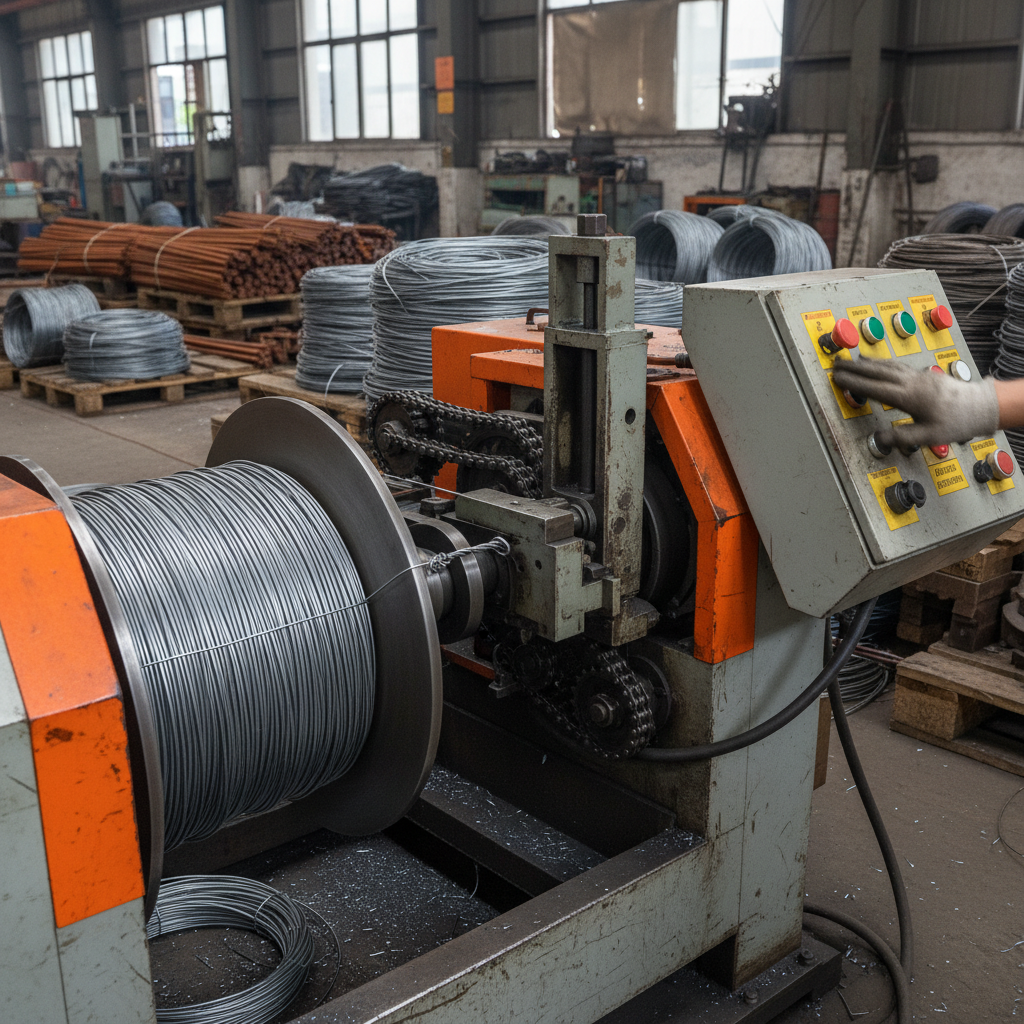
Binding iron wire, a seemingly simple material, plays a crucial role in a vast array of applications globally. From construction and agriculture to disaster relief and artisanal crafts, its versatility and cost-effectiveness make it indispensable. Understanding the properties, production, and applications of binding iron wire is essential for engineers, builders, aid workers, and anyone involved in projects where secure fastening and structural integrity are paramount. This knowledge empowers informed decision-making and optimized resource utilization.
The demand for binding iron wire is consistently high, driven by global infrastructure development and a growing need for resilient structures. The United Nations estimates that over 60% of the world’s population will live in urban areas by 2025, intensifying the demand for building materials. Furthermore, humanitarian organizations increasingly rely on readily deployable and adaptable solutions, making binding iron wire a critical component in emergency shelter construction and infrastructure repair. However, sustainable sourcing and efficient production methods are becoming increasingly important considerations.
The benefits of a strong understanding of binding iron wire extend beyond technical expertise. It directly impacts safety, cost-efficiency, and the overall quality of construction and infrastructure. Proper selection and application minimize risks, optimize resource allocation, and contribute to the longevity and resilience of structures, ultimately benefiting communities worldwide.
Introduction to Binding Iron Wire
Binding iron wire is a versatile material used extensively in various industries for securing, fastening, and reinforcing. Its primary function is to bind elements together, offering both structural support and stability. The specific gauge, tensile strength, and coating of the wire are determined by the application’s requirements, ranging from lightweight agricultural ties to heavy-duty construction reinforcement.
Understanding the nuances of different binding iron wire types is crucial for ensuring project success. Factors like galvanization, PVC coating, and wire diameter all influence durability, corrosion resistance, and overall performance. Selecting the appropriate wire for the intended application not only optimizes functionality but also extends the lifespan of the structure or system it supports.
Defining Binding Iron Wire
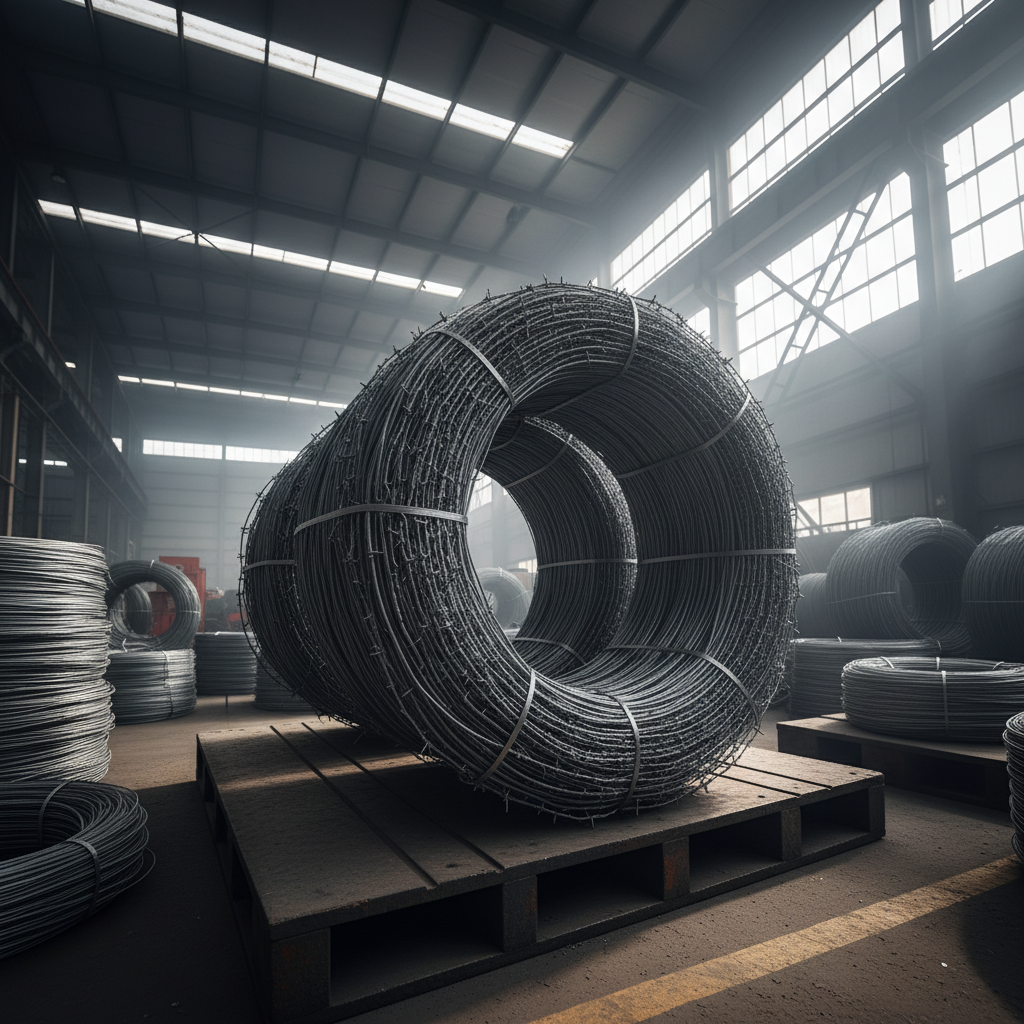
Binding iron wire is typically defined as a low-carbon steel wire, characterized by its malleability and ease of bending. It's distinguished from other types of steel wire by its relatively small diameter – typically ranging from 16 to 22 gauge – and its primary purpose: to bind, tie, or secure materials. It’s commonly available in spools for convenient handling and application.
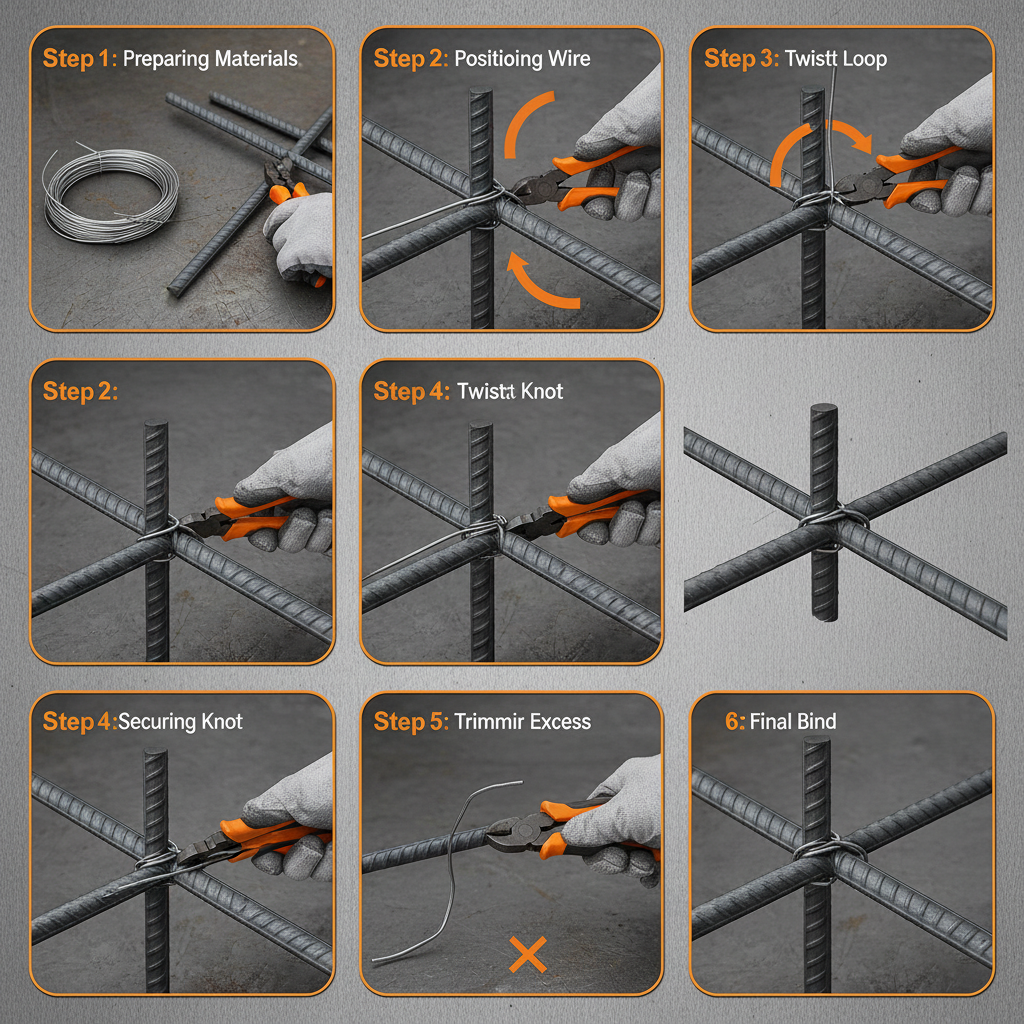
The connection to modern industry is undeniable. In construction, it’s used for tying rebar, securing formwork, and bundling materials. In agriculture, it's used for trellising plants, securing fences, and bundling harvested crops. Its affordability and ease of use make it a cornerstone material for countless projects.
Furthermore, binding iron wire plays a vital role in humanitarian aid, particularly in rapid deployment housing and emergency shelter construction. Its lightweight nature and ease of handling make it an ideal material for creating temporary structures in disaster-stricken areas, providing immediate relief and support to affected communities.
Core Characteristics of Binding Iron Wire
Durability: Binding iron wire, especially galvanized varieties, exhibits excellent resistance to corrosion and weathering, ensuring long-lasting performance even in harsh environments. This makes it suitable for outdoor applications and projects requiring extended structural integrity.
Tensile Strength: The tensile strength of binding iron wire varies based on its gauge and composition, but generally provides sufficient strength for most binding applications. This strength ensures that the tied components remain securely fastened under stress or strain.
Malleability: Its high malleability allows for easy bending and shaping, making it adaptable to various binding configurations. This characteristic simplifies application and reduces the need for specialized tools.
Global Applications of Binding Iron Wire
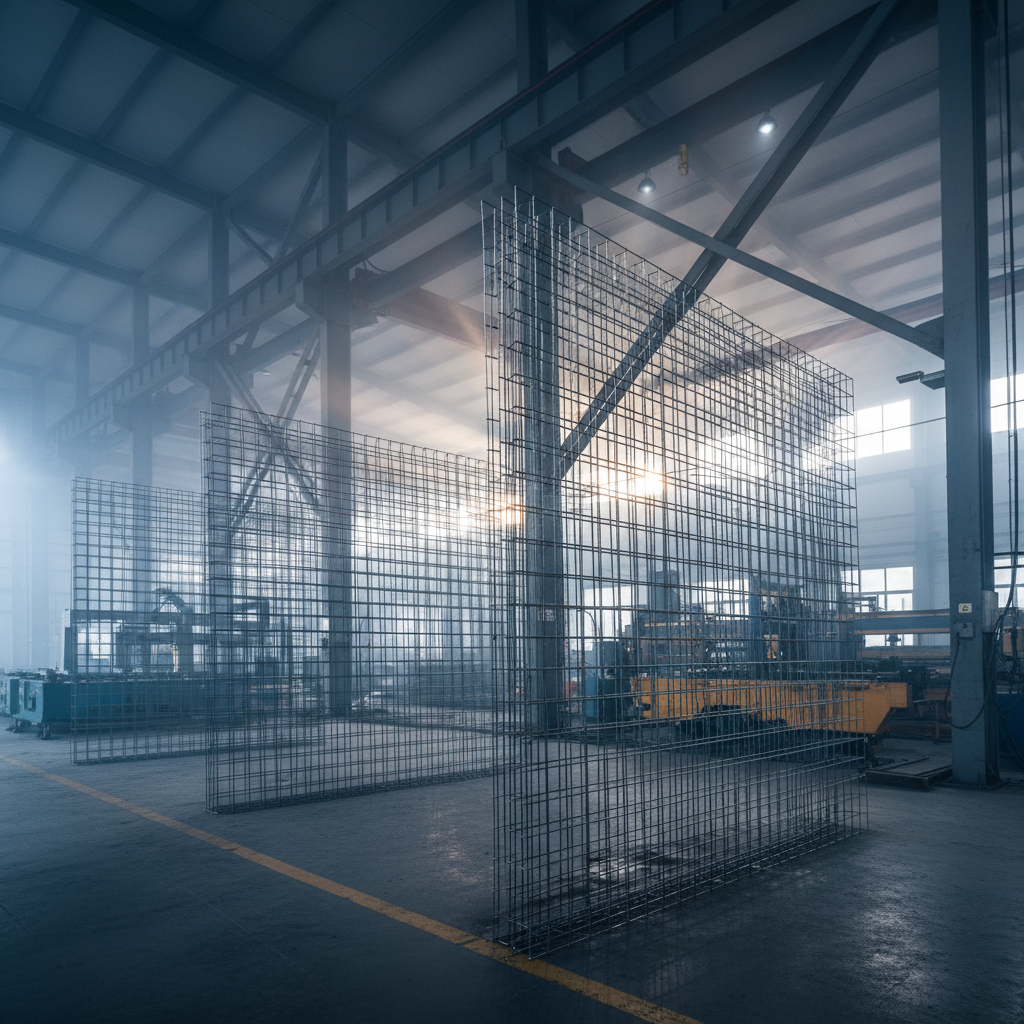
Binding iron wire finds widespread use across numerous industries globally. In construction, it’s integral for reinforcing concrete structures, tying rebar cages, and securing temporary formwork. Agricultural applications include supporting vineyards, securing crops, and constructing animal enclosures. The volume of construction in Asia, particularly in China and India, drives a significant demand for this material.
In remote industrial zones and developing countries, where access to specialized fastening systems may be limited, binding iron wire serves as a reliable and cost-effective solution for a multitude of tasks. Disaster relief organizations rely heavily on it for constructing temporary shelters, repairing damaged infrastructure, and securing vital supplies in emergency situations.
Furthermore, the craft and artisanal sectors utilize binding iron wire for creating sculptures, jewelry, and various decorative items. Its versatility and affordability make it a popular choice for artists and hobbyists worldwide.
Binding Iron Wire Application Distribution
Advantages and Long-Term Value
One of the most significant advantages of binding iron wire is its cost-effectiveness. Compared to more sophisticated fastening systems, it represents a highly economical solution, especially for large-scale projects. This accessibility makes it particularly valuable in developing countries and disaster-stricken regions where budgetary constraints are a major concern.
Beyond cost, the long-term value lies in its durability and reliability. Properly applied binding iron wire can provide a secure and lasting connection, contributing to the structural integrity of projects for years to come. The use of galvanized or coated wire further enhances its resistance to corrosion, extending its lifespan and reducing maintenance requirements.
Future Trends and Innovations
Current trends point towards a growing demand for sustainable and eco-friendly materials. Research is focused on developing binding iron wire from recycled steel sources, reducing the environmental impact of production. Furthermore, innovations in coating technologies are aimed at enhancing corrosion resistance and extending the lifespan of the wire, minimizing the need for replacement.
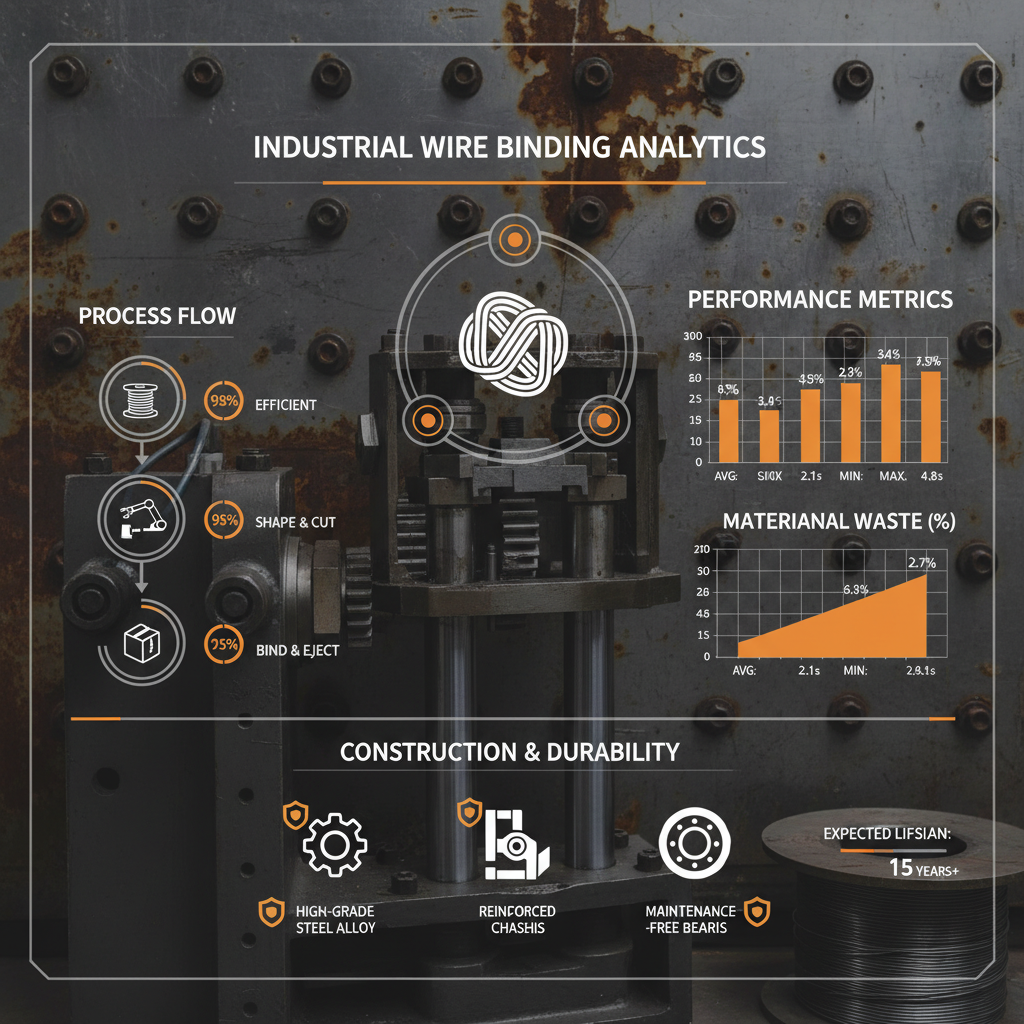
The integration of automation in wire manufacturing is also gaining momentum, leading to increased efficiency and reduced production costs. Digital technologies are being used to monitor wire quality and optimize production processes, ensuring consistent performance and reliability.
Looking ahead, the development of biodegradable binding wire alternatives represents a potential breakthrough, offering a completely sustainable solution for specific applications. While still in its early stages, this technology holds promise for minimizing environmental impact and promoting responsible material usage.
Challenges and Solutions
A primary challenge with binding iron wire is its susceptibility to corrosion, particularly in harsh environments. While galvanization provides a degree of protection, it’s not always sufficient in highly corrosive settings. Another challenge is the potential for wire breakage under extreme stress, particularly with lower gauge wires.
Solutions include utilizing advanced coating technologies, such as epoxy coatings, to provide superior corrosion resistance. Employing higher gauge wire for applications requiring greater strength and durability is also crucial. Furthermore, implementing proper binding techniques and regular inspections can help identify and address potential weaknesses before they lead to failure.
Finally, adopting a lifecycle assessment approach to material selection, considering the long-term cost of maintenance and replacement, can guide informed decisions and optimize resource utilization.
Overview of Binding Iron Wire Quality Parameters
| Wire Gauge (mm) |
Tensile Strength (MPa) |
Coating Type |
Corrosion Resistance (Rating 1-10) |
| 1.6 |
300 |
Galvanized |
6 |
| 2.0 |
400 |
PVC Coated |
8 |
| 2.5 |
500 |
Galvanized |
7 |
| 1.2 |
250 |
None |
3 |
| 3.0 |
600 |
Epoxy Coated |
9 |
| 1.8 |
350 |
Galvanized |
6 |
FAQS
For outdoor applications, galvanized or PVC-coated binding iron wire is highly recommended. Galvanization provides a zinc layer that protects against corrosion, while PVC coating offers a more durable barrier against the elements. The choice depends on the severity of the environment and the desired lifespan of the binding.
The required wire gauge depends on the tensile strength needed for your application. Heavier-duty projects, like rebar tying, require thicker wire (lower gauge). Lighter applications, such as bundling garden plants, can utilize thinner wire (higher gauge). Consider the weight and stress the binding needs to withstand.
Standard galvanized binding iron wire offers limited protection in saltwater environments. For prolonged exposure to saltwater, consider using stainless steel wire, which provides superior corrosion resistance. Alternatively, a very thick PVC coating can offer some protection, but regular inspection is crucial.
Always wear gloves to protect your hands from sharp edges. Use wire cutters designed for the wire gauge you are working with. Avoid bending or twisting the wire excessively, as it can snap and cause injury. Be mindful of your surroundings and ensure the work area is clear.
Choose galvanized or coated wire whenever possible. Avoid exposing the wire to direct moisture for prolonged periods. If rust does appear, apply a rust inhibitor or consider replacing the wire. Proper storage in a dry environment can also help prevent rust.
The production of binding iron wire, like all steel products, has an environmental impact due to energy consumption and resource extraction. Look for suppliers who utilize recycled steel and employ sustainable manufacturing processes. Consider biodegradable alternatives where appropriate.
Conclusion
Binding iron wire, despite its simplicity, is a remarkably versatile and essential material with a far-reaching impact on numerous industries. Its affordability, durability, and adaptability make it a cornerstone of construction, agriculture, disaster relief, and beyond. A thorough understanding of its properties, applications, and emerging trends is crucial for maximizing its benefits and promoting sustainable practices.
As we move forward, innovation in materials and manufacturing processes will continue to enhance the performance and environmental compatibility of binding iron wire. By embracing these advancements and adopting responsible sourcing strategies, we can ensure that this valuable material continues to contribute to building a more resilient and sustainable future. For all your binding iron wire needs, visit our website: https://www.yjdwiremesh.com