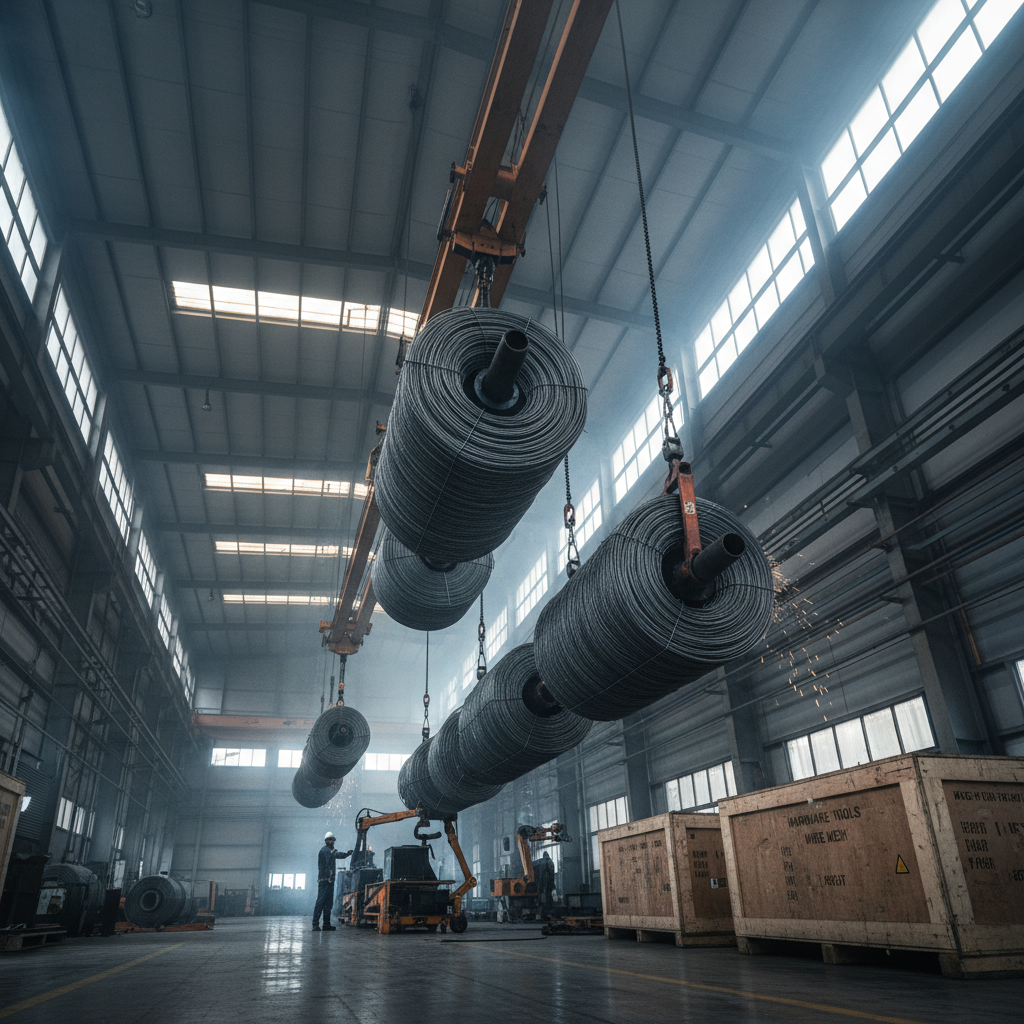
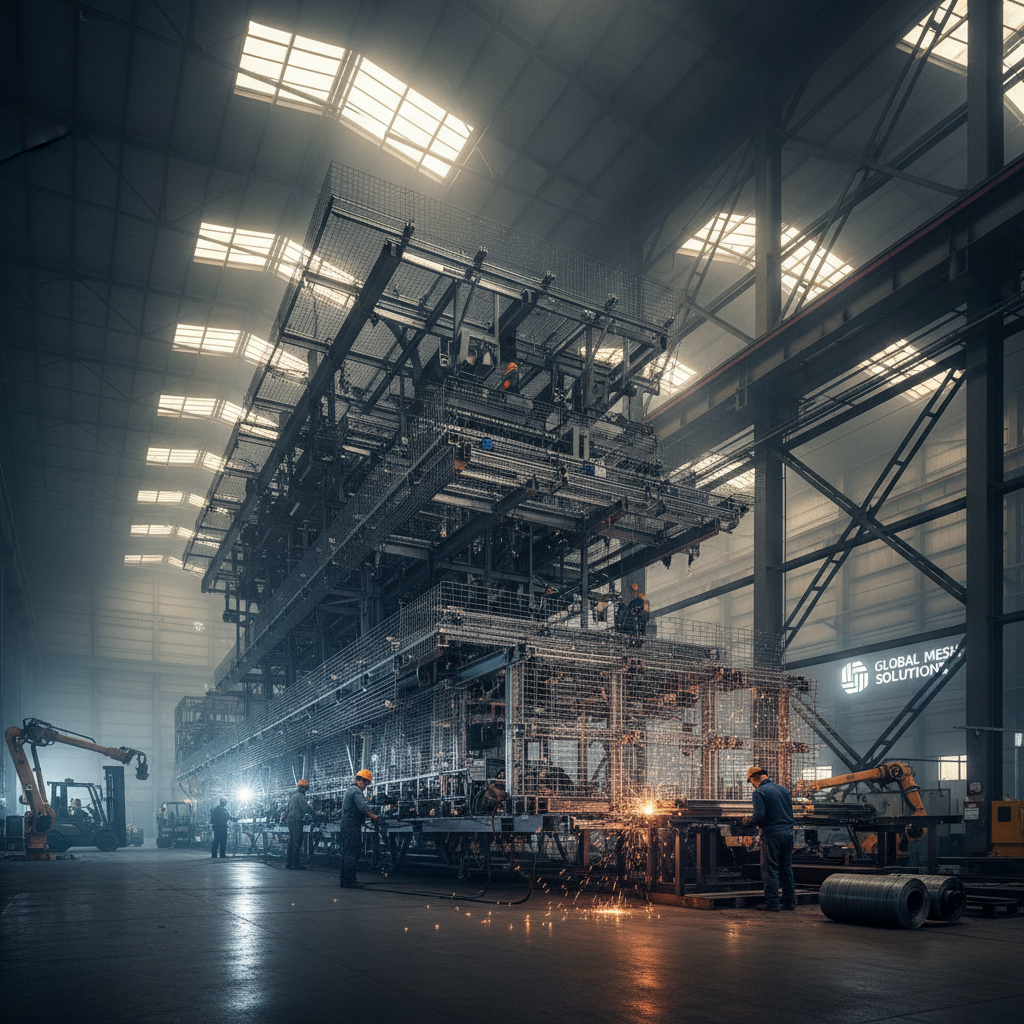
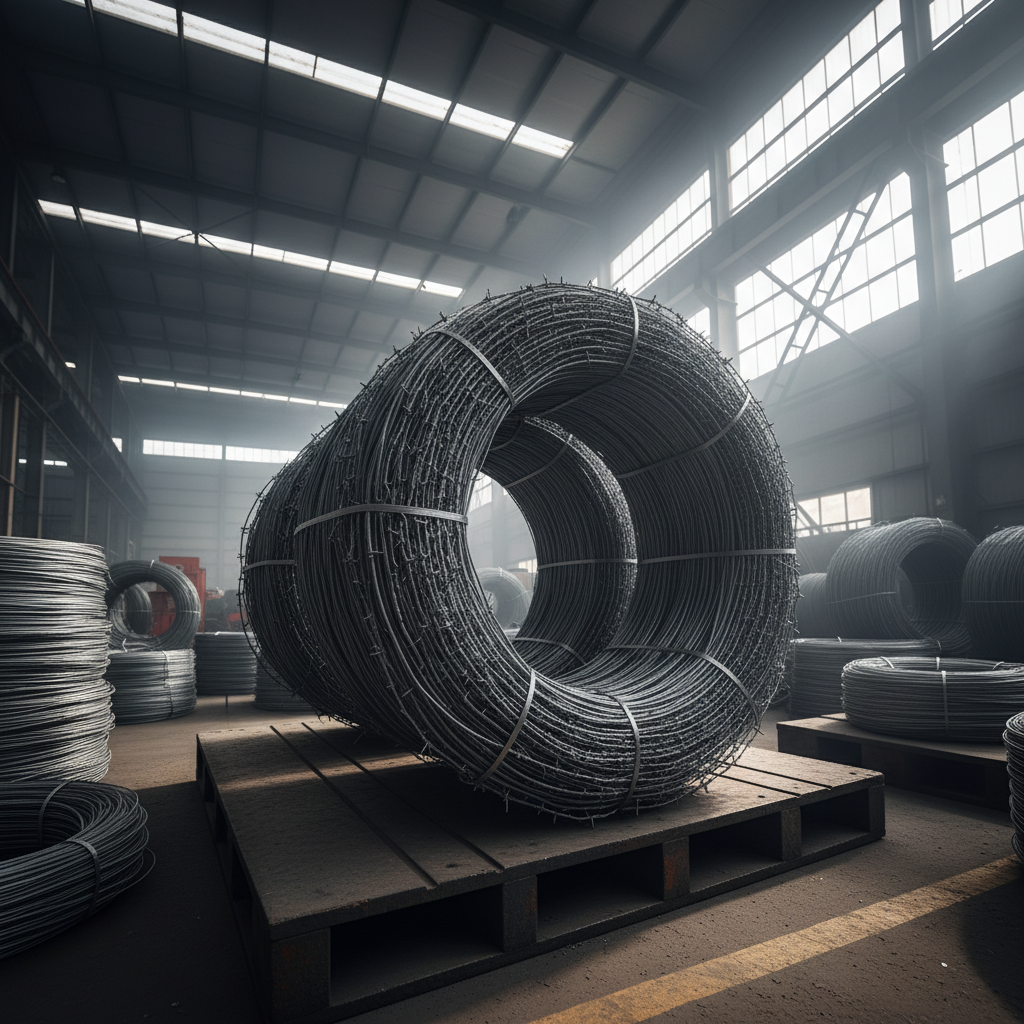
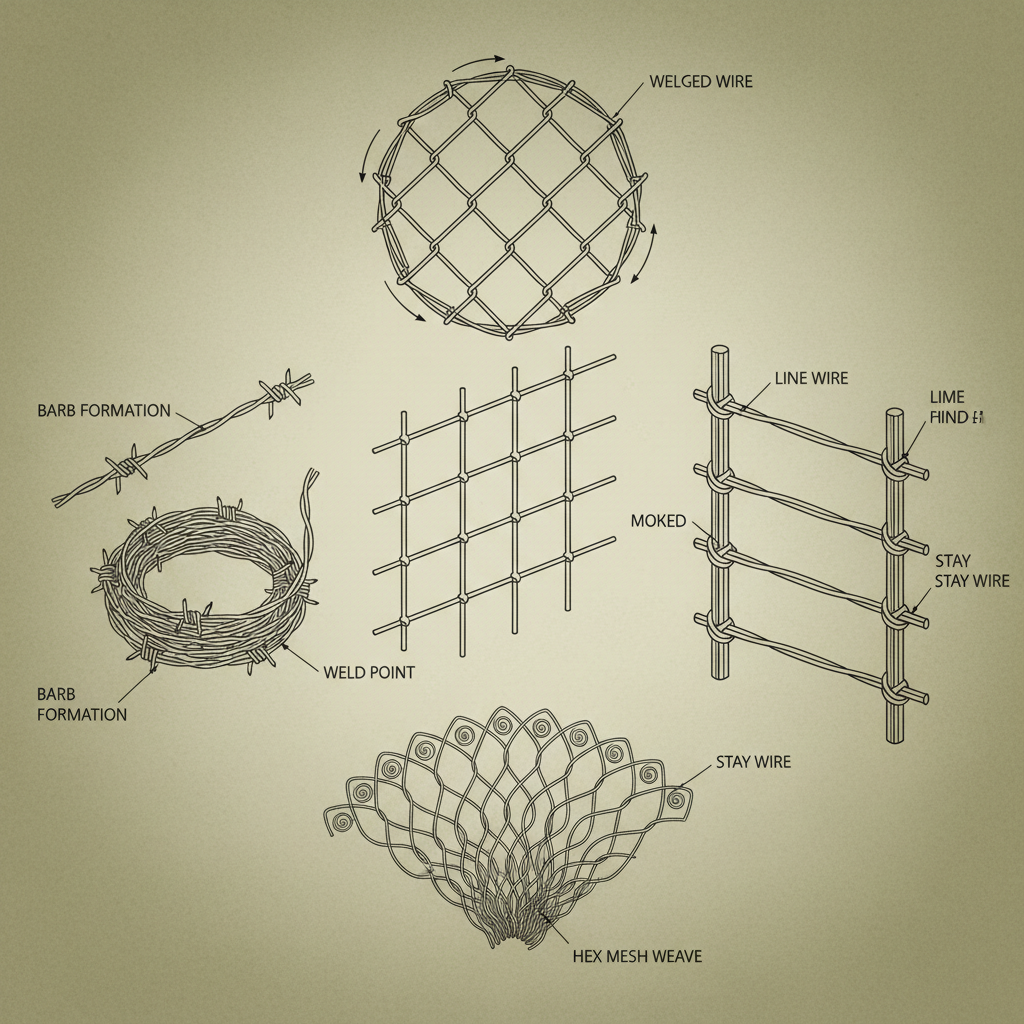
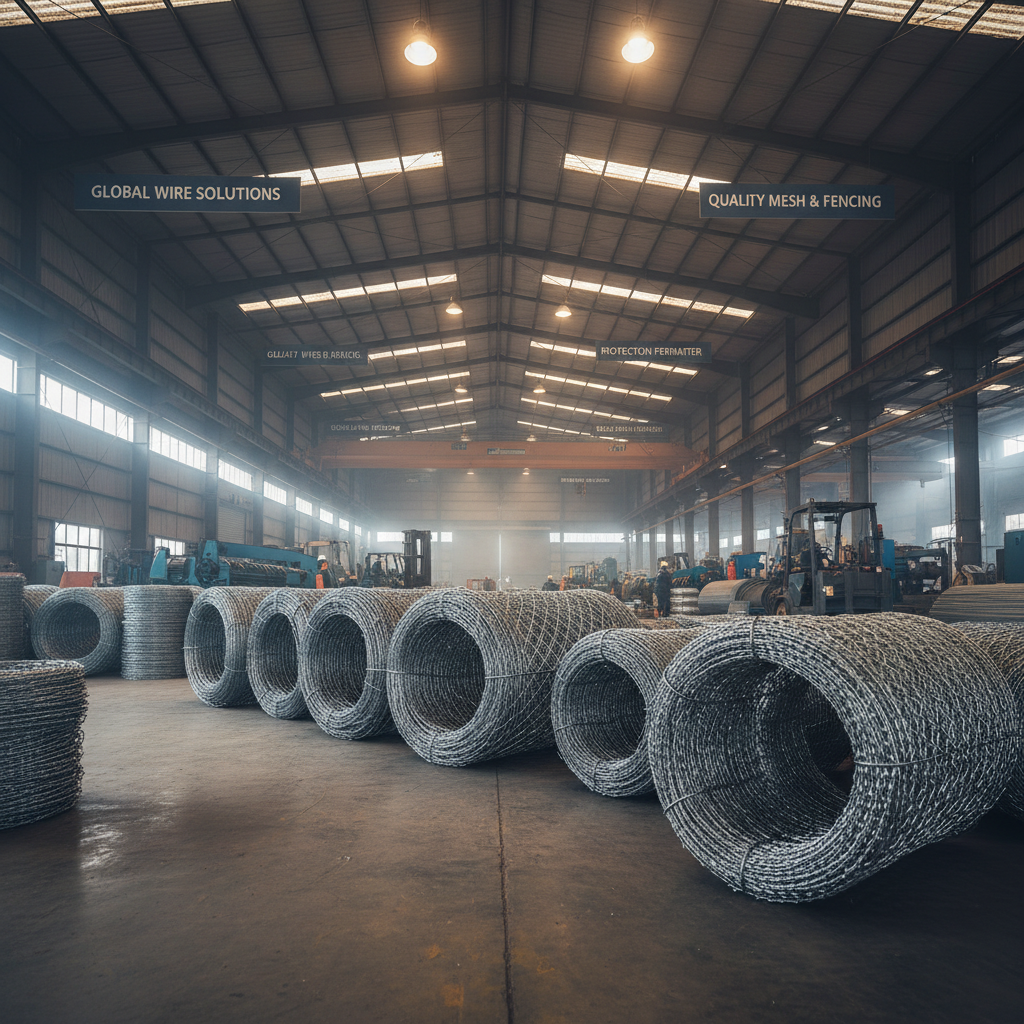
Wire mesh installation is a critical process across diverse industries, from construction and agriculture to security and environmental protection. Its significance stems from its versatility, cost-effectiveness, and durability, offering robust solutions for containment, filtration, support, and protection. Understanding the nuances of wire mesh installation is paramount for ensuring structural integrity, operational efficiency, and long-term performance of various applications globally.
The global demand for wire mesh is consistently high, driven by infrastructure development, increasing security concerns, and the expansion of agricultural practices. Reports from organizations like the UN and World Bank indicate a growing need for resilient infrastructure in developing nations, often relying on cost-effective materials like wire mesh. Furthermore, the ISO standards for material quality and installation practices highlight the importance of standardization and safety within this field.
The effective application of wire mesh installation addresses challenges such as erosion control, animal containment, structural reinforcement, and safety barriers. Its adaptability makes it a foundational component in projects ranging from large-scale construction to localized protective measures, making comprehensive knowledge of techniques and materials essential for professionals and stakeholders alike.
The Fundamental Aspects of wire mesh installation
A foundational element of successful wire mesh installation lies in material selection. Different applications require varying types of wire, including galvanized steel, stainless steel, and even specialized alloys for corrosive environments. Understanding the tensile strength, corrosion resistance, and aperture size of the mesh is critical.
Proper installation techniques are equally crucial. This encompasses correct anchoring methods, appropriate tensioning, and adherence to safety protocols. Improper installation can lead to premature failure, compromising the structural integrity and effectiveness of the wire mesh system. Quality wire mesh installation directly impacts longevity and performance.
Global Relevance and Industry Standards
Wire mesh installation’s relevance spans the globe, playing a pivotal role in projects across diverse geographical locations and industries. From reinforcing concrete structures in rapidly developing urban centers to providing erosion control along coastlines susceptible to climate change, its application is widespread. The demand is particularly strong in regions experiencing rapid industrialization or facing environmental challenges.
Several industry standards govern the quality and installation of wire mesh. ISO 9001 certification ensures quality management systems are in place, while ASTM standards define material specifications and testing procedures. Adhering to these standards is essential for guaranteeing safety, reliability, and compliance with regulatory requirements.
The consistent growth in infrastructure projects, coupled with an increased focus on sustainable construction practices, fuels the ongoing need for skilled professionals in wire mesh installation. This expertise is essential for successfully implementing projects that require durable, cost-effective, and environmentally responsible solutions.
Defining wire mesh installation: A Comprehensive Overview
Wire mesh installation, at its core, is the process of securely affixing woven or welded wire fabric to a substrate – be it soil, concrete, wood, or metal – to provide support, containment, filtration, or protection. It’s a versatile technique employed across a broad spectrum of applications, encompassing everything from reinforcing concrete structures to creating secure animal enclosures.
This practice is deeply intertwined with modern industry and critical humanitarian needs. In construction, wire mesh significantly enhances the strength and durability of concrete, crucial for building resilient infrastructure. In disaster relief, it provides rapid deployment housing and temporary shelters, offering immediate protection to vulnerable populations. Its adaptability makes it a foundational element in addressing both immediate and long-term challenges.
Effectively implementing wire mesh installation requires a thorough understanding of material properties, site-specific conditions, and appropriate fastening techniques. The process extends beyond simply attaching the mesh; it involves careful planning, precise execution, and diligent quality control to ensure optimal performance and longevity.
Core Components and Key Considerations
Durability is a paramount consideration in wire mesh installation. Selecting materials with high tensile strength and corrosion resistance, such as galvanized steel or stainless steel, ensures long-term performance, even in harsh environmental conditions. This minimizes maintenance requirements and extends the lifespan of the installation.
Scalability is another key aspect. Wire mesh can be easily adapted to various project sizes and complexities. Whether it’s a small-scale residential application or a large-scale industrial project, the modular nature of wire mesh allows for flexible and efficient installation.
Comparison of wire mesh installation Methods
Real-World Applications and Global Impact
In construction, wire mesh is extensively used to reinforce concrete in foundations, walls, and floors, enhancing structural integrity and preventing cracking. Its application is critical in high-rise buildings, bridges, and other large-scale infrastructure projects.
Within the agricultural sector, wire mesh serves as fencing for livestock containment, protection against predators, and support for climbing plants. In post-disaster relief operations, wire mesh is rapidly deployed to create temporary shelters, fencing for security, and support for emergency infrastructure.
Long-Term Benefits and Value Proposition
The cost-effectiveness of wire mesh installation is a significant advantage, particularly when compared to alternative materials. Its relatively low material cost and ease of installation contribute to reduced project expenses. Furthermore, its durability minimizes long-term maintenance and replacement costs.
From a sustainability perspective, wire mesh can be a responsible choice, especially when utilizing recycled materials. Its longevity reduces the need for frequent replacements, minimizing waste and environmental impact. The inherent safety features, such as secure containment and erosion control, contribute to the overall well-being of communities.
Future Trends and Innovation in wire mesh installation
Advancements in materials science are leading to the development of more durable, corrosion-resistant, and environmentally friendly wire mesh options. The integration of smart technologies, such as embedded sensors for structural health monitoring, is emerging as a promising trend.
Automation and robotics are streamlining the installation process, increasing efficiency and reducing labor costs. These technologies allow for precise placement and tensioning of the mesh, ensuring optimal performance. Growing emphasis on sustainable construction practices will drive the demand for eco-friendly wire mesh solutions.
Summary of Common Issues and Mitigation Strategies in Wire Mesh Installation
| Issue Category |
Potential Impact |
Mitigation Strategy |
Cost of Mitigation (Estimate) |
| Incorrect Mesh Gauge |
Structural Weakness, Premature Failure |
Detailed Load Calculations, Proper Material Selection |
$50 - $200 (Material Replacement) |
| Insufficient Anchoring |
Mesh Displacement, Loss of Containment |
Adequate Anchor Spacing, High-Strength Fasteners |
$100 - $500 (Re-Anchoring Labor & Materials) |
| Corrosion Issues |
Reduced Lifespan, Structural Compromise |
Galvanized or Stainless Steel Mesh, Protective Coatings |
$200 - $1000 (Material Upgrade & Coating) |
| Improper Tensioning |
Mesh Sagging, Reduced Effectiveness |
Tensioning Tools, Skilled Installation Technicians |
$75 - $300 (Labor & Tool Rental) |
| Incorrect Overlap |
Weak Points, Potential for Tears |
Adherence to Manufacturer’s Specifications, Precise Measurement |
$30 - $150 (Material Waste & Labor) |
| Environmental Factors (UV, Temperature) |
Material Degradation, Reduced Performance |
UV-Resistant Coatings, Material Selection Appropriate for Climate |
$100 - $400 (Coating Application or Material Upgrade) |
FAQS
Wire mesh offers several benefits compared to traditional fencing: cost-effectiveness, durability, versatility, and ease of installation. It's lighter, requires less support, and can be customized to fit various terrains. Additionally, its open weave allows for better ventilation and visibility, making it ideal for animal containment and security applications. It’s also a more scalable solution for larger areas.
The coating significantly impacts longevity. Galvanization provides a zinc layer that protects against rust, but can eventually corrode over time. Stainless steel offers superior corrosion resistance, making it ideal for marine or chemically aggressive environments. Polymer coatings, such as PVC, add an extra layer of protection but can be susceptible to UV degradation. The specific environment dictates the most suitable coating.
Aperture size (the size of the openings) depends on the application. Smaller apertures are needed for security to prevent intrusion, while larger apertures allow for better ventilation in agricultural settings. For filtration, the aperture size must be smaller than the particles being filtered. Consider the size of the objects you need to contain, exclude, or filter when selecting the appropriate mesh.
Anchoring varies by substrate. For wood, use staples, nails, or screws with washers. For concrete, use concrete nails, anchor bolts, or specialized adhesives. For metal, welding or self-tapping screws are effective. Ensure the fasteners are compatible with the mesh and substrate materials to prevent corrosion and maintain a secure connection. Pre-drilling holes can also help, especially in harder materials.
Always wear appropriate personal protective equipment (PPE), including gloves, safety glasses, and sturdy footwear. Be mindful of sharp edges on the mesh and fasteners. Use proper lifting techniques to avoid strains. If working at heights, utilize fall protection equipment. Ensure the work area is clear of obstructions and properly ventilated. Proper training in wire mesh installation techniques is crucial.
The gauge (wire thickness) is inversely proportional to strength and cost. A lower gauge number indicates a thicker wire, resulting in greater strength and durability, but also a higher material cost. Choosing the right gauge involves balancing the required strength for the application with budgetary constraints. Higher-security applications or those requiring significant load-bearing capacity necessitate a lower gauge (thicker wire).
Conclusion
In conclusion, wire mesh installation represents a versatile, cost-effective, and durable solution applicable to a vast range of industries and applications worldwide. From reinforcing concrete structures to providing secure containment and erosion control, its adaptability and relatively simple installation process make it a foundational element in modern construction, agriculture, and humanitarian efforts. Understanding the core principles of material selection, proper installation techniques, and emerging trends is crucial for maximizing its long-term benefits.
Looking ahead, continued innovation in materials science and automation will further enhance the performance and efficiency of wire mesh installation. By embracing sustainable practices and prioritizing safety, we can unlock its full potential and contribute to a more resilient and secure future. For expert guidance and high-quality wire mesh products, visit our website: www.yjdwiremesh.com