Iron wire for fencing plays a critical role in security, agriculture, and infrastructure globally. From protecting livestock to delineating property lines and providing a first line of defense, the demand for reliable and cost-effective fencing solutions is consistently high. Understanding the nuances of iron wire – its different gauges, coatings, and construction methods – is crucial for professionals and end-users alike. This knowledge ensures the selection of the most appropriate fencing material for specific needs, maximizing longevity and minimizing long-term costs. The global market for fencing materials, largely driven by demand for iron wire for fencing, continues to expand with growing urbanization and industrialization.
The increasing need for border security, perimeter protection, and animal containment fuels the continued importance of iron wire fencing. Geopolitical factors and economic development in emerging markets further contribute to this demand. Challenges such as corrosion and the need for sustainable materials are driving innovation in wire coatings and manufacturing processes. Choosing the right iron wire for fencing can significantly impact project success, influencing factors like cost, durability, and ease of installation.
Furthermore, the versatility of iron wire extends beyond simple barriers; it’s integral to constructing gabions for erosion control, creating reinforced concrete, and forming the basis for various industrial applications. Effective fencing provides security, defines boundaries, and contributes to overall societal well-being.
Introduction to iron wire for fencing
Iron wire for fencing serves as a foundational material in creating secure boundaries across diverse landscapes and industries. Its affordability, relative strength, and ease of installation make it a popular choice for residential, agricultural, and industrial applications. The specific type of iron wire used – whether galvanized, PVC-coated, or stainless steel – dictates its resistance to corrosion and overall lifespan.
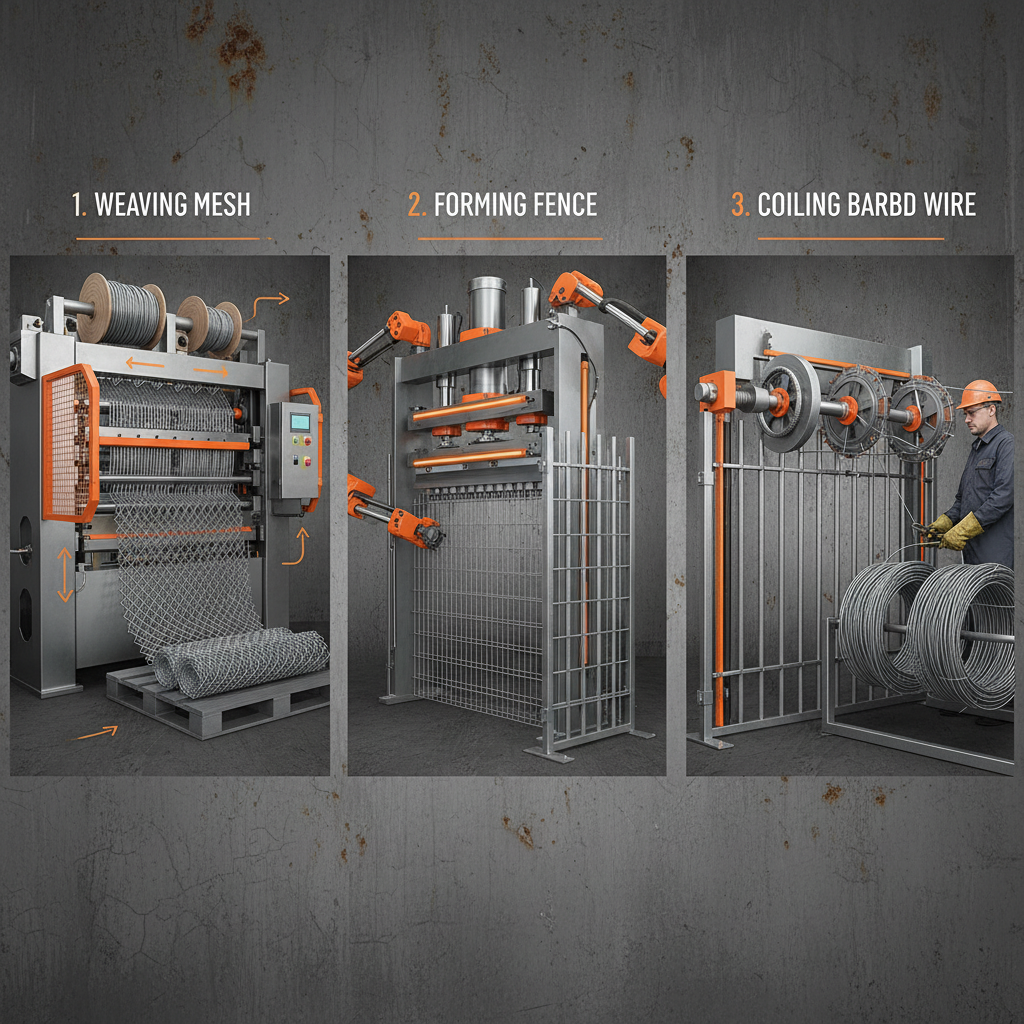
The versatility of iron wire allows it to be woven into various fencing patterns, including chain-link, barbed wire, and woven wire mesh. Each pattern offers unique security features and is suited to different applications. Understanding these patterns and their specific properties is essential for selecting the most effective fencing solution for a given need, often involving consideration of the required level of security and animal containment.
The Global Significance of Iron Wire Fencing
The demand for iron wire for fencing is globally significant, driven by population growth, increasing agricultural needs, and escalating security concerns. According to the UN, the world population is projected to reach nearly 10 billion by 2050, increasing the need for efficient land management and resource protection. Fencing plays a vital role in this context, enabling sustainable farming practices and protecting vital infrastructure.
The World Bank reports that agricultural development is a key driver of poverty reduction, and secure fencing is crucial for protecting crops and livestock. In developing countries, affordable iron wire for fencing solutions are especially important for smallholder farmers. Additionally, fencing is used extensively for border security, protecting critical national assets, and managing wildlife populations.
ISO standards for fencing materials ensure quality and reliability, facilitating international trade and promoting best practices. The continued investment in infrastructure projects globally further expands the demand for durable and cost-effective fencing solutions. Challenges such as theft and vandalism necessitate robust and well-maintained fencing systems, further emphasizing the importance of quality iron wire materials.
Defining Iron Wire for Fencing
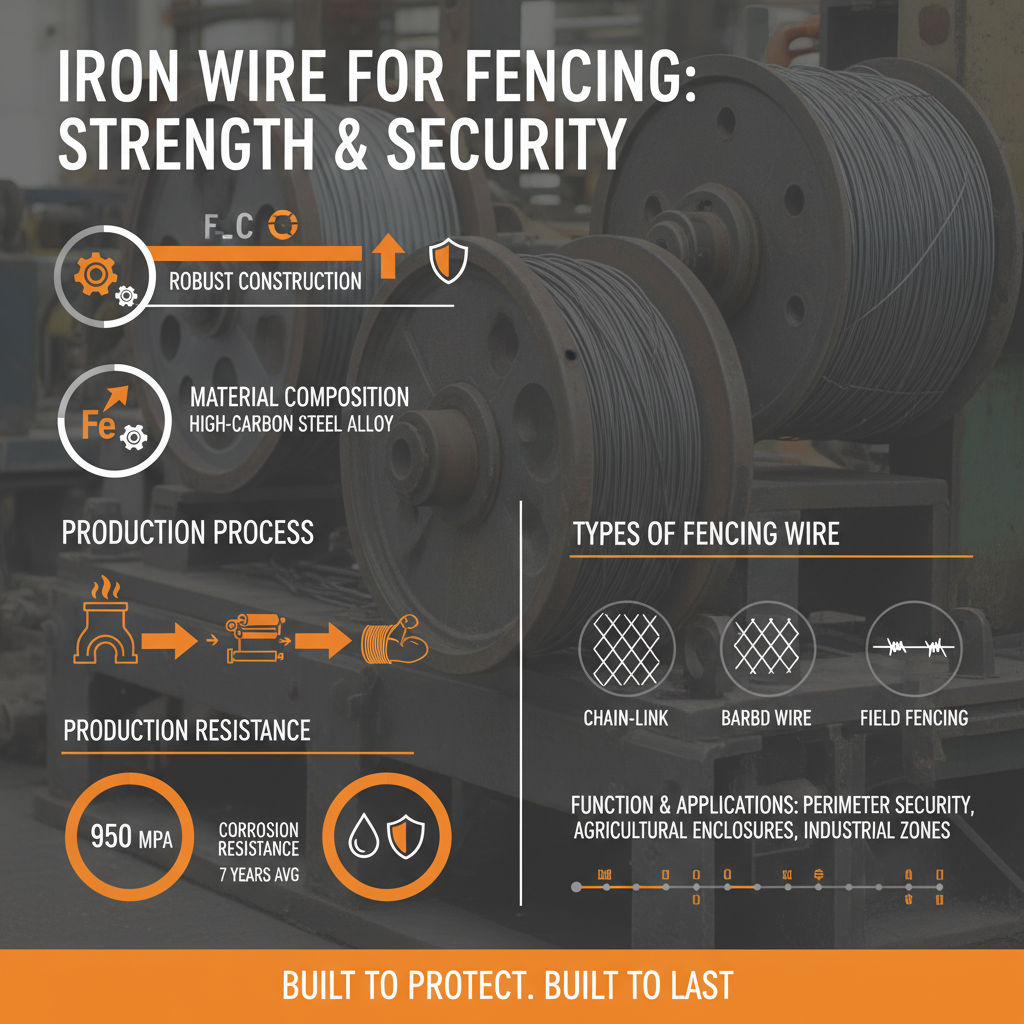
Iron wire for fencing encompasses a broad range of steel wire products used to construct barriers for security, containment, and property demarcation. It's fundamentally steel, but the composition and processing vary greatly, influencing properties like tensile strength, ductility, and corrosion resistance. Key types include low-carbon steel wire, high-tensile steel wire, and galvanized steel wire, each tailored to specific fencing applications.
Its connection to modern industry stems from the continuous need for efficient and reliable perimeter control. From securing vast agricultural lands to protecting sensitive industrial sites, iron wire fencing provides a cost-effective solution. In humanitarian contexts, it's utilized in creating temporary shelters, refugee camps, and secure zones following natural disasters or conflicts.
This material isn’t simply a product; it represents a foundational element of safety, security, and the efficient organization of space. The ongoing development of more sustainable and durable iron wire products demonstrates a commitment to addressing evolving industry demands and environmental concerns, often improving the longevity and reducing the lifecycle cost of iron wire for fencing installations.
Key Characteristics of Quality Iron Wire Fencing
Durability is paramount; high-quality iron wire resists weathering, corrosion, and physical damage, ensuring a long service life. This often involves galvanization or protective coatings like PVC. The gauge (thickness) of the wire dictates its strength – thicker wire provides greater resistance to breaking and stretching.
Scalability refers to the ease with which the fencing can be adapted to different terrains and site conditions. A flexible wire mesh allows for easier installation on uneven ground, while a rigid wire system may be more suitable for flat, stable surfaces. Cost efficiency is another crucial factor, as iron wire remains one of the most affordable fencing materials available, especially when compared to alternatives like wood or aluminum.
Iron Wire Fencing Performance Comparison
Applications of Iron Wire Fencing Worldwide
In agriculture, iron wire fencing is used extensively for livestock containment, protecting crops from animals, and creating paddocks. Across vast ranches in the Americas and Australia, barbed wire and woven wire fencing are commonplace. In Europe, more aesthetically pleasing wire mesh fencing is often preferred for smaller farms and vineyards.
For industrial and commercial properties, chain-link fencing fabricated from iron wire provides robust security for warehouses, factories, and construction sites. In post-disaster relief operations, temporary fencing constructed from iron wire helps delineate safe zones, protect aid supplies, and establish order. In remote industrial zones, the affordability and durability of iron wire for fencing make it the go-to solution for perimeter security.
Advantages and Long-Term Value Proposition
The primary advantage of iron wire fencing lies in its cost-effectiveness. Compared to materials like wood, aluminum, or concrete, it provides a comparable level of security at a significantly lower price point. Sustainability is increasingly important, and galvanized steel wire, being fully recyclable, offers a more environmentally friendly option than many alternatives.
Beyond economic and environmental benefits, iron wire fencing enhances safety and security. A well-maintained fence deters intruders, protects property, and provides peace of mind. The inherent strength and resilience of iron wire offer a long-term solution, minimizing the need for frequent repairs or replacements, and building trust in the security infrastructure.
Future Trends and Material Innovations
Innovation in coatings is a key trend, with manufacturers developing more durable and corrosion-resistant finishes. These coatings extend the lifespan of the fencing, reducing maintenance costs and minimizing environmental impact. The integration of smart technologies, such as sensors and alarms, is also gaining traction, transforming traditional fencing into intelligent security systems.
Furthermore, research into alternative steel alloys with higher tensile strength and improved weldability promises to enhance the performance and longevity of iron wire fencing. The drive for sustainability is also prompting exploration of recycled materials and eco-friendly manufacturing processes. These advances will ensure that iron wire for fencing remains a relevant and valuable solution for years to come.
Automation in manufacturing processes is increasing efficiency and reducing production costs, making high-quality fencing more accessible. Digital transformation is also impacting the industry, with online platforms facilitating easier ordering, customization, and project management.
FAQS
The lifespan of galvanized iron wire fencing typically ranges from 15 to 30 years, depending on environmental factors like humidity, salinity, and exposure to industrial pollutants. Heavier galvanization coatings and regular maintenance, such as applying protective paints or sealants, can significantly extend its lifespan. Proper installation, avoiding direct contact with soil, also contributes to longevity.
PVC coating adds a layer of protection against corrosion and abrasion, substantially increasing the durability of iron wire fencing. It also provides a more aesthetically pleasing finish and is available in various colors. While more expensive upfront, PVC-coated fencing generally lasts longer than galvanized alone, reducing long-term maintenance costs. However, the PVC coating itself can degrade over time with UV exposure.
For containing large livestock like cattle or horses, a heavier gauge iron wire is recommended, typically between 12.5 and 14.5 gauge. This provides sufficient strength to withstand the force of animals leaning or pushing against the fence. The spacing between wires should also be appropriate for the species being contained, preventing animals from getting their heads or limbs stuck.
Barbed wire fencing remains a cost-effective and widely used option, particularly in agricultural settings. However, it can pose a risk of injury to animals and humans. There are also ethical concerns regarding its use. Newer alternatives, like offset wire or electric fencing, are becoming increasingly popular due to their reduced risk of injury and improved animal welfare.
Regular maintenance is crucial for maximizing the lifespan of iron wire fencing. This includes inspecting the fence for damage, tightening loose wires, repairing broken sections promptly, and removing vegetation that may be causing corrosion. Applying a protective coating or paint to galvanized wire every few years can also help prevent rust. Periodic post checks are also recommended to ensure structural integrity.
Yes, iron wire fencing is highly recyclable. Steel is one of the most recycled materials globally. Recycling iron wire fencing reduces the demand for virgin steel production, conserving natural resources and lowering carbon emissions. Scrap metal yards typically accept iron wire fencing for recycling, and many municipalities offer recycling programs for metal materials.
Conclusion
In summary, iron wire for fencing remains a cornerstone of security, agriculture, and infrastructure worldwide. Its affordability, versatility, and relative durability make it a practical choice for a wide range of applications. From protecting livestock to securing industrial properties and providing vital support in humanitarian crises, the significance of this material is undeniable. Continuous innovation in coatings, alloys, and smart technologies will ensure its continued relevance in the years to come.
Looking ahead, investing in high-quality iron wire fencing and implementing regular maintenance practices will yield significant long-term benefits. Embracing sustainable manufacturing processes and exploring recycled materials will further enhance the environmental footprint of this essential material. For reliable iron wire for fencing solutions, visit our website today.