You know, lately everyone's talking about prefabricated buildings, modular construction… seems like everyone's trying to build things faster, cheaper. It's a good direction, honestly, but there are a lot of pitfalls. I spend 300 days a year on site, breathing in dust, wrestling with rebar, and frankly, some of these designs... they look great on paper, but they fall apart the second a real worker tries to put them together. We're seeing a big push for lightweight materials, too. Not just because of cost, but because it's a pain to haul heavy stuff up ten flights of stairs.
Honestly, it’s crazy how many designers have never actually touched the stuff they specify. Like, they’ll call for a certain grade of steel, not realizing it’s a nightmare to weld in the field. Have you noticed that? It's always the guys in the office. Anyway, I think the biggest trend right now is trying to standardize everything. Makes sense, from a manufacturing perspective. But construction sites are… chaotic. You need flexibility.
The Rising Demand for Diverse Mesh Wire Solutions
Look, the construction industry is booming – globally. UN reports show massive urbanization, especially in developing countries. That means a need for everything – housing, infrastructure, security. And different types of mesh wire are fundamental to all of it. It’s not just about building faster; it’s about building safer, more efficiently, and with materials that can withstand… well, everything. I was at a factory in Tianjin last month, and they were practically begging for consistent supply of stainless steel mesh.
Strangely, the demand isn't just construction. Agriculture, filtration, even medical applications... they're all eating into the supply chain. It’s become this crucial component across so many sectors. You'd be surprised how many problems can be solved with a well-placed piece of mesh.
Defining Mesh Wire: Beyond the Basic Grid
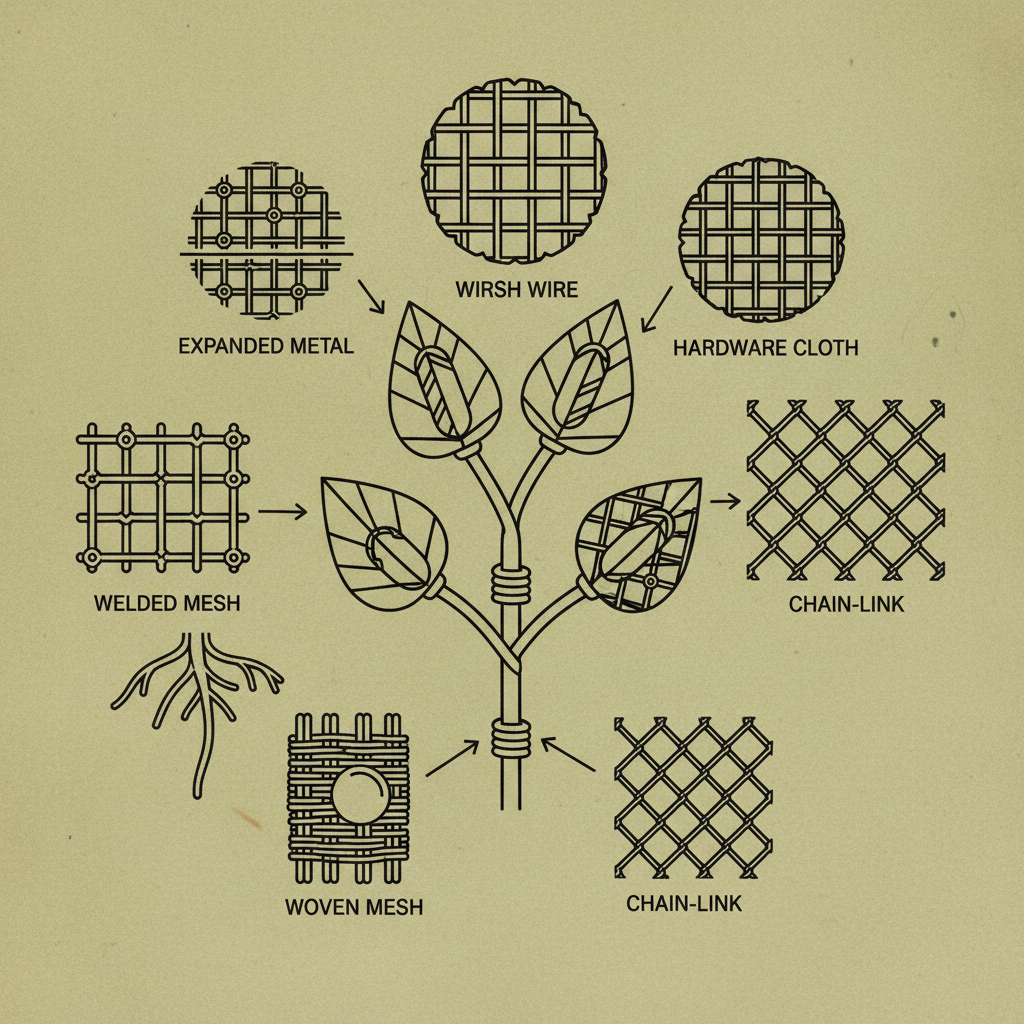
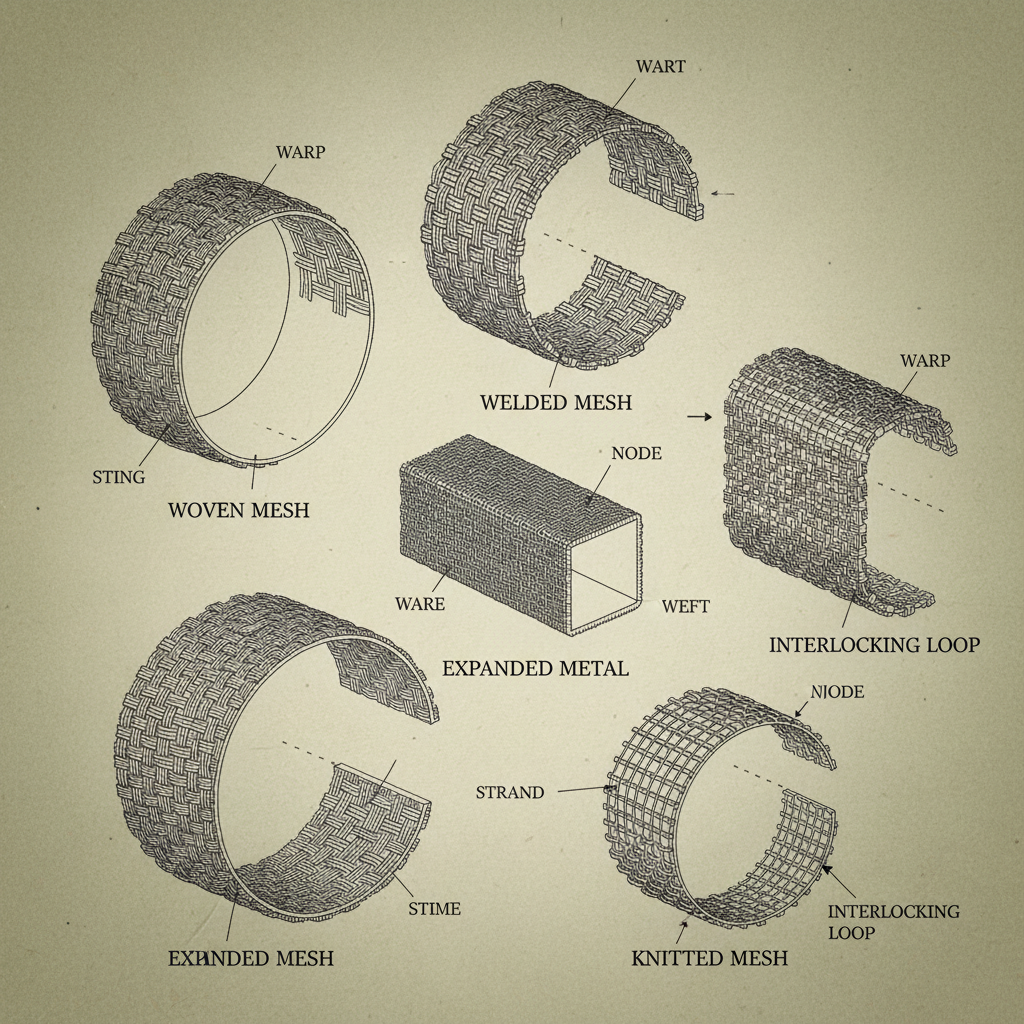
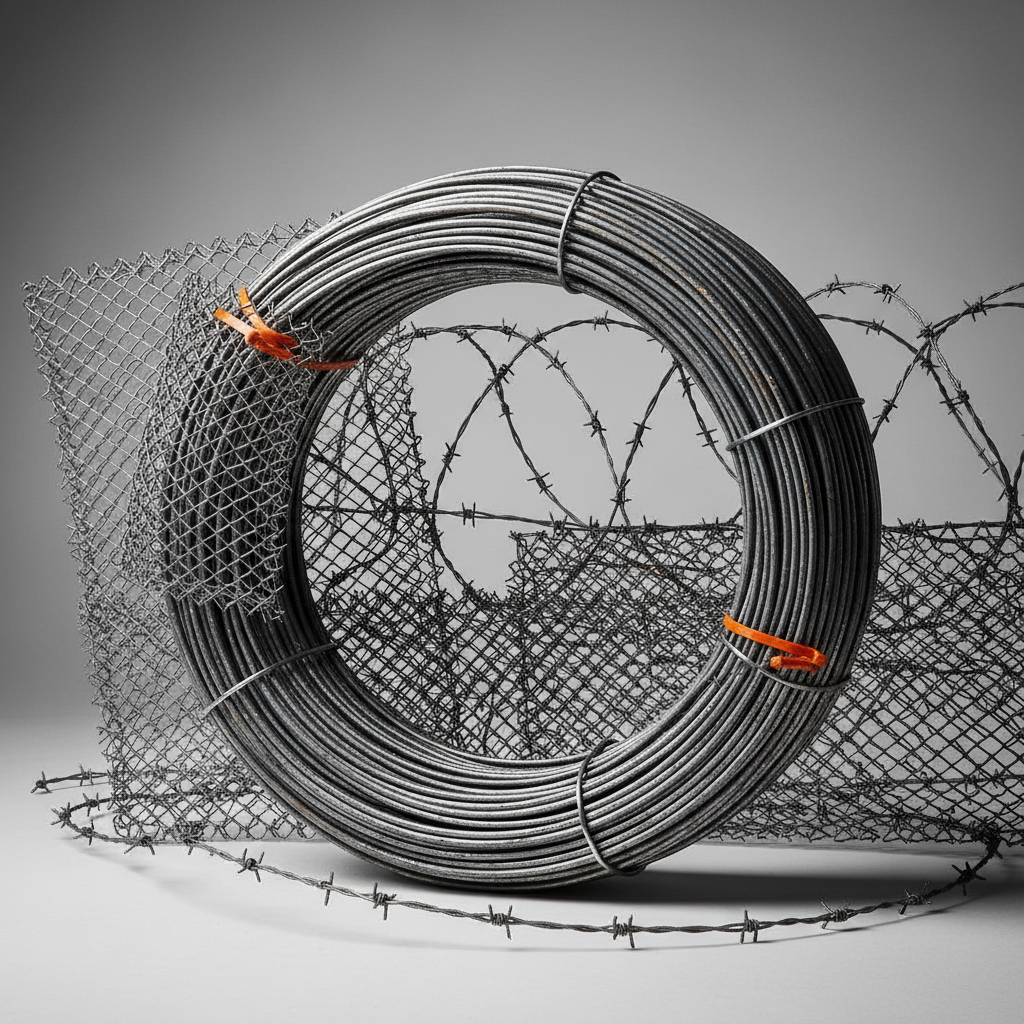
Okay, so “different types of mesh wire” sounds simple, right? But it's way more nuanced. It’s basically a network of wires woven or welded together to create a grid-like structure, but the variations are huge. You've got galvanized steel mesh – that’s your workhorse, smells a bit metallic, slightly oily to the touch. Then you have stainless steel, which… well, it's just nicer to work with, doesn’t rust. Then there’s copper mesh, used for specialized applications, feels heavier, more substantial.
And it’s not just the material. You’ve got different weaves - plain weave, twill weave, dutch weave… each with its own properties. Aperture size matters, wire diameter matters, even the way it's finished matters. It all impacts its strength, flexibility, and overall performance. This connects to modern needs because we're building things bigger, taller, more complex. We need materials that can handle the load, literally and figuratively.
I saw a project in Dubai where they used a specialized polymer-coated mesh for a facade. Reduced weight, improved corrosion resistance... but it was a nightmare to install. The coating kept peeling off. That’s why understanding the details is so important.
Core Properties Shaping Mesh Wire Performance
Let's talk about what actually matters when you're choosing mesh. Durability is obvious, right? You don’t want something that's going to fall apart after a year. But it's not just about strength. It’s about corrosion resistance, UV stability, and its ability to withstand repeated stress. Scalability is huge too. Can you get enough of it, consistently, to meet your project needs? You don’t want to be halfway through a job and realize your supplier is out of stock.
Cost efficiency is always a factor, but you can't just go for the cheapest option. You need to consider the total cost of ownership. A cheaper mesh might require more maintenance, or it might need to be replaced more frequently. That adds up. And then there’s flexibility – how easily can it be formed, cut, and welded? I encountered this at a pre-fab plant in Ohio – they were trying to use a really rigid mesh for curved panels, and it was a disaster. Everything was warping and cracking.
Another important one is permeability. How much air or liquid can flow through it? That matters for applications like filtration or ventilation. And finally, weight. Like I said before, hauling stuff around is a pain. Lighter materials can save you time and money.
Global Applications: Where Mesh Wire Makes a Difference
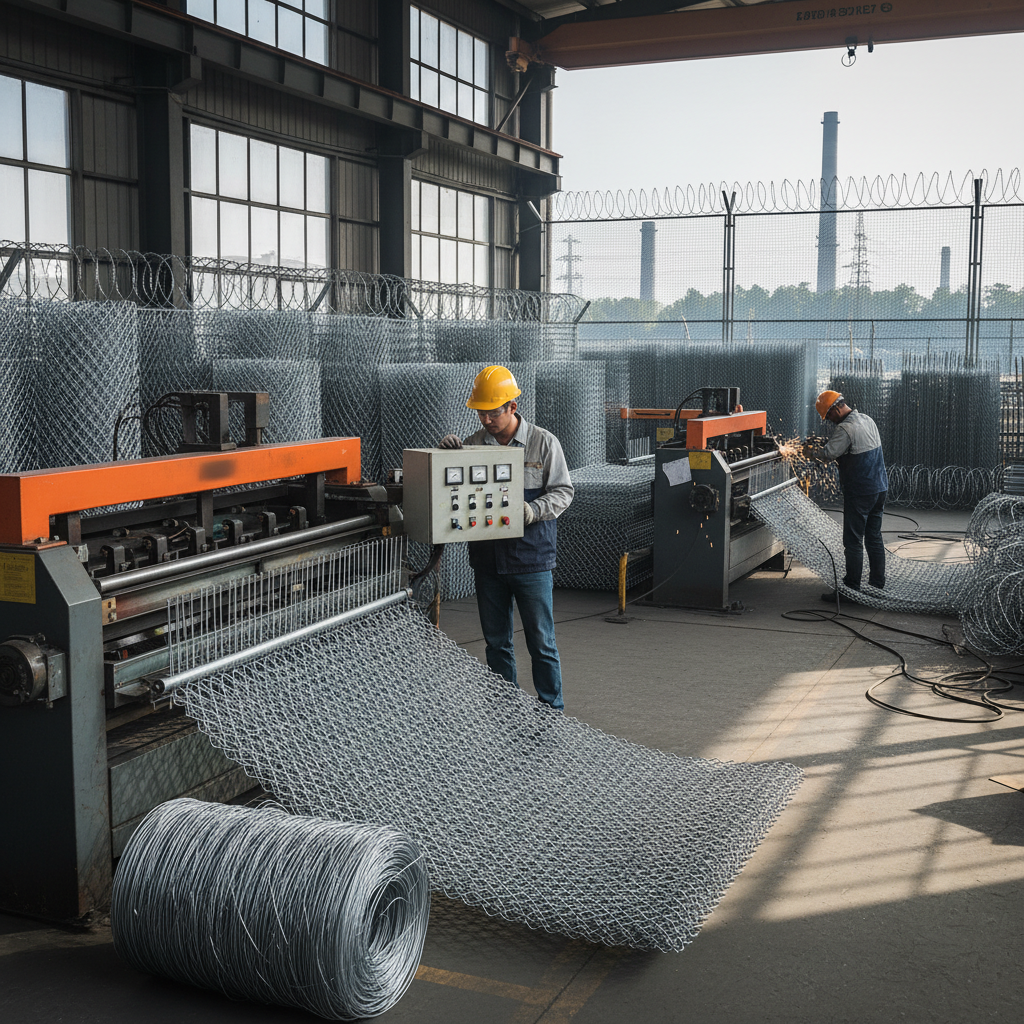
Okay, so where are we actually using this stuff? Everywhere, honestly. In construction, it's used for reinforcing concrete, creating safety barriers, and making facades. In agriculture, it's used for fencing, protecting crops from pests, and supporting plant growth. Filtration systems rely on mesh wire for everything from water purification to air filtration.
I saw a huge installation in Singapore last year – they were using stainless steel mesh for a green wall. Looked fantastic. In remote industrial zones in Australia, they use heavy-duty galvanized mesh for security fencing. Prevents unauthorized access, keeps things safe. I know a company that specializes in using mesh wire for electromagnetic shielding – protecting sensitive equipment from interference.
And in post-disaster relief operations, mesh wire is critical for creating temporary shelters and providing safe drinking water. It’s a surprisingly versatile material.
Mesh Wire Application Performance Ratings
Advantages and Long-Term Value Proposition
The benefits are pretty clear. Cost-effective, especially when you compare it to other materials. Durable – a well-maintained mesh installation can last for decades. Sustainable, because it’s often recyclable. But it goes beyond that. Safety is a big one – mesh barriers can prevent accidents, protect workers, and secure properties.
Honestly, it’s the peace of mind it provides. Knowing that your structure is reinforced with a reliable material, that your crops are protected, that your water is clean… that’s valuable. It builds trust, too. Customers trust that you're using quality materials, and that translates into repeat business.
The Future of Mesh Wire: Innovation and Adaptation
I think we're going to see a lot more innovation in the materials themselves. Self-healing meshes, maybe? Materials that can change color or conductivity. There’s also a push for more sustainable manufacturing processes – reducing waste, using recycled materials. Digital transformation is playing a role, too – using sensors and data analytics to monitor the performance of mesh installations.
And automation will continue to improve efficiency in the manufacturing process. Ultimately, I think it's all about finding ways to make mesh wire smarter, more versatile, and more sustainable. It's also about integrating it with other technologies, like IoT devices and smart building systems.
Current Challenges and Potential Solutions
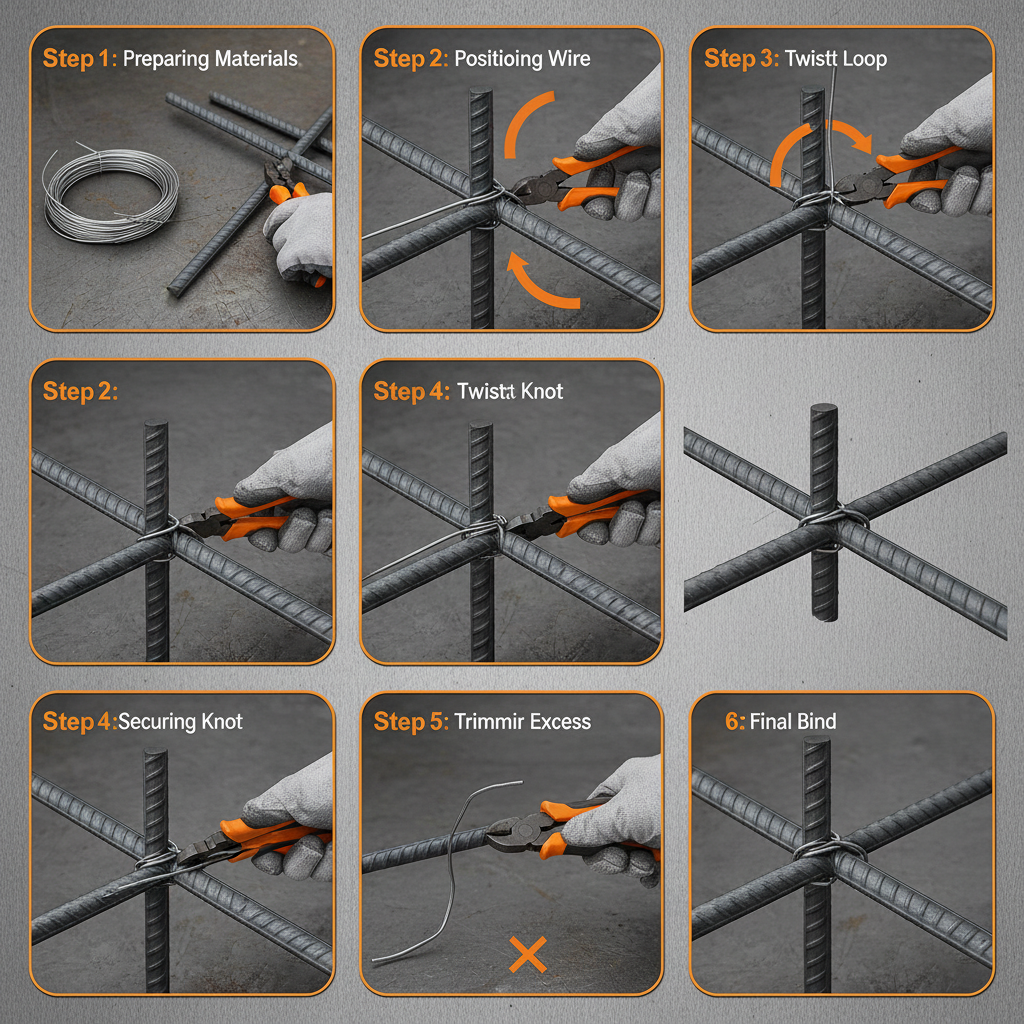
There are still issues. Supply chain disruptions are a constant headache. Quality control can be inconsistent. And finding skilled labor to install it properly is getting harder and harder. Last month, that small boss in Shenzhen who makes smart home devices insisted on changing the interface to , and the result was they couldn't find anyone who could properly crimp the connectors onto the mesh shielding. Wasted a week.
I think the solutions lie in greater collaboration between manufacturers, designers, and installers. We need standardized specifications, better training programs, and more robust quality control measures. And we need to invest in research and development to create new materials and technologies.
Anyway, I think the biggest challenge is changing the mindset. A lot of people still see mesh wire as a commodity. They don't realize how critical it is to the overall success of a project.
A Summary of Common Mesh Wire Challenges and Potential Solutions
| Challenge |
Impact on Project |
Potential Solution |
Implementation Difficulty (1-10) |
| Supply Chain Disruptions |
Project Delays, Increased Costs |
Diversify Suppliers, Strategic Stockpiling |
6 |
| Inconsistent Quality Control |
Structural Weakness, Premature Failure |
Implement Rigorous Testing Protocols, Third-Party Certification |
7 |
| Lack of Skilled Labor |
Poor Installation, Reduced Performance |
Invest in Training Programs, Apprenticeships |
8 |
| Material Corrosion |
Reduced Lifespan, Maintenance Costs |
Utilize Corrosion-Resistant Materials, Protective Coatings |
5 |
| Design Incompatibilities |
Installation Issues, Structural Instability |
Collaborative Design Process, Early Stakeholder Input |
6 |
| High Initial Costs |
Budget Constraints, Project Feasibility |
Value Engineering, Long-Term Cost Analysis |
4 |
FAQS
For saltwater environments, you absolutely need to go with 316 stainless steel mesh. Galvanized steel will corrode almost immediately. 316 has molybdenum in it, which significantly improves its resistance to chloride corrosion. It's more expensive, obviously, but it’ll save you money in the long run by not having to constantly replace it. You can also consider titanium mesh, but that's a whole different price point. It really depends on the lifespan you need and how much you're willing to spend.
Forget the lab tests. I do a simple pull test. I’ll take a section of the mesh, clamp it down, and just try to rip it apart with a pair of pliers. Sounds crude, I know, but it gives you a good feel for its tensile strength. If it stretches easily or the wires start to break, it’s no good. We also do a visual inspection for any defects or inconsistencies in the weave. We also look for proper coating thickness, if applicable.
Absolutely. We had a client building a custom aviary for exotic birds. They needed a very specific aperture size to prevent the birds from escaping, but also allow for airflow. We worked with the manufacturer to create a custom mesh with a unique weave pattern. It wasn't cheap, but it was exactly what they needed. You can also customize the wire diameter, the coating, the width and length… pretty much anything, if you're willing to pay for it.
Woven mesh is more flexible and generally stronger, but it's also more expensive to produce. It’s made by interlacing the wires, like fabric. Welded mesh is cheaper and easier to manufacture, but it’s less flexible and can be prone to unraveling if a weld breaks. Welded mesh is good for applications where rigidity is important, like reinforcing concrete. Woven mesh is better for things like screens and filters.
Safety first, always. I carry heavy-duty gloves and wire cutters specifically designed to minimize fraying. After cutting, you need to either bend the edges over to create a smooth finish, or use edge banding to cover them. You don’t want anyone getting cut. It’s a small detail, but it can prevent a lot of problems. We also train all our crews on proper handling techniques.
It depends heavily on the environment. Galvanized steel, if properly maintained, can last 10-20 years. Stainless steel can last much longer, potentially 50 years or more. Polymer-coated mesh has a shorter lifespan, typically 5-10 years, depending on the quality of the coating and the UV exposure. Regular inspection and maintenance are key to maximizing the lifespan of any mesh wire installation. Saltwater, acidic environments, and heavy use will all shorten its lifespan.
Conclusion
So, different types of mesh wire: it’s not glamorous, but it's absolutely essential. It’s in everything around us, holding things together, keeping things safe, and making life easier. Understanding the different types, their properties, and their applications is critical for anyone involved in construction, manufacturing, or any industry that relies on robust, reliable materials. We've talked about the trends, the challenges, and the potential solutions, but ultimately…
Ultimately, whether this thing works or not, the worker will know the moment he tightens the screw. If it feels right, if it holds up, if it lasts… that’s all that matters. If you’re looking for quality mesh wire solutions for your next project, visit our website today.