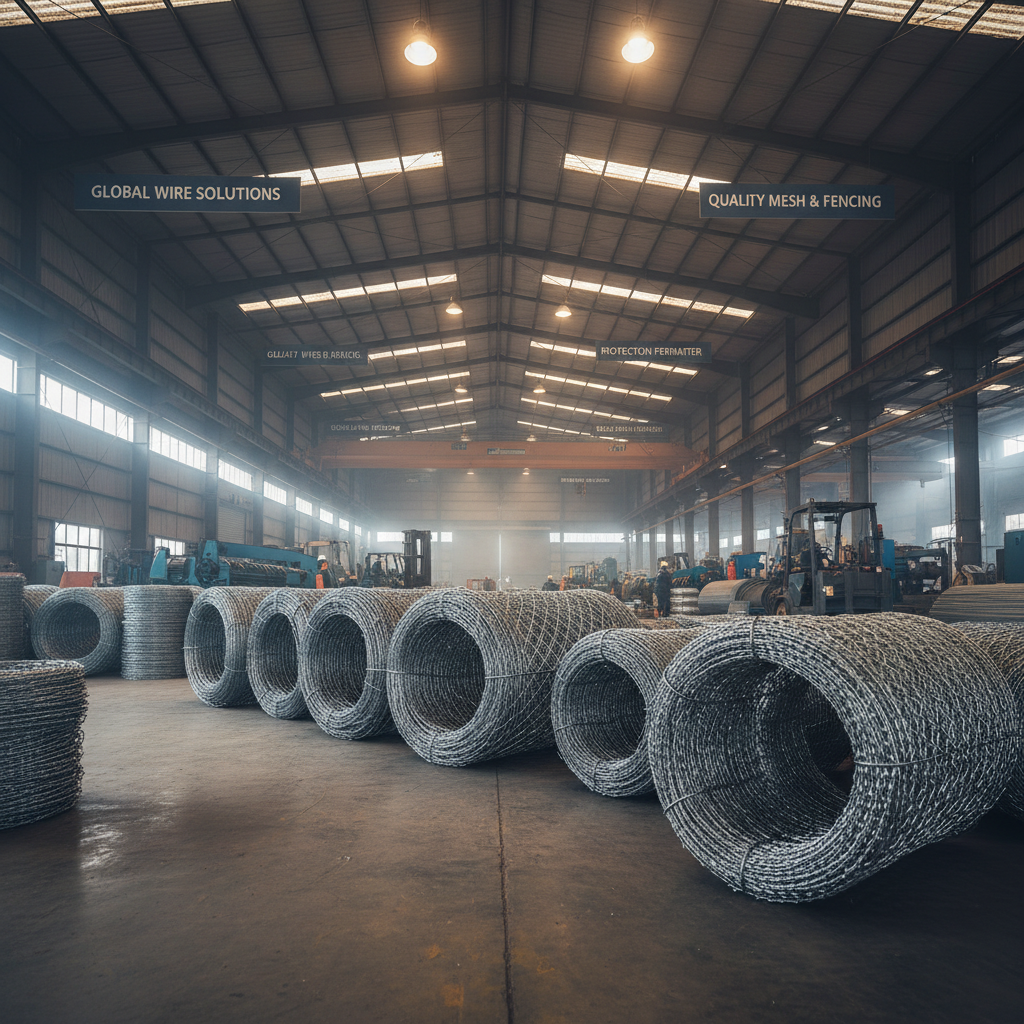
Iron wire, a seemingly simple material, plays a crucial and often overlooked role in modern society. From construction and manufacturing to agriculture and art, its versatility and affordability make it an indispensable component in countless applications worldwide. Understanding the properties, manufacturing processes, and diverse uses of iron wire is paramount for engineers, designers, and anyone involved in industries relying on robust and cost-effective materials.
The global demand for iron wire continues to grow, driven by infrastructure development in emerging economies and the increasing need for secure fencing, reinforcement in concrete, and various industrial processes. This demand presents both opportunities and challenges, particularly concerning sustainable sourcing and environmentally responsible production methods. The ability to efficiently produce high-quality iron wire is a key factor in supporting global economic growth and ensuring the longevity of vital infrastructure.
The significance of iron wire extends beyond its economic impact. In disaster relief efforts, it serves as a rapid deployment solution for temporary shelters and securing vital supplies. Its availability and ease of manipulation make it a critical resource in challenging situations, highlighting its humanitarian value and reinforcing its importance in global preparedness.
The Fundamental Properties of iron wire
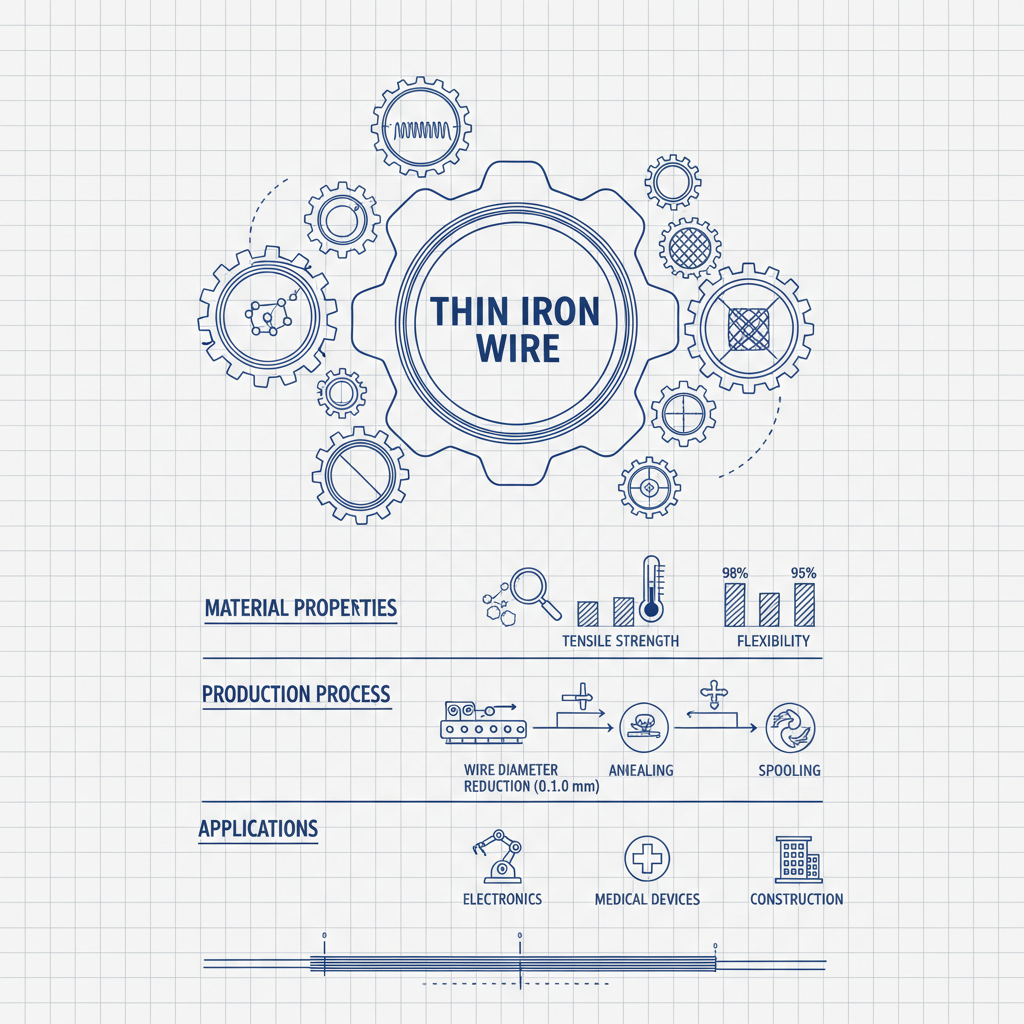
The defining characteristic of effective iron wire is its tensile strength, the ability to resist being pulled apart. This property is crucial in applications like fencing and reinforcement. However, strength isn’t the sole determinant of quality. Ductility, or the capacity to deform under tensile stress, is equally important, as it allows the wire to bend and shape without fracturing.
Corrosion resistance is another critical property, and it’s often enhanced through galvanization – coating the iron wire with a protective layer of zinc. Different gauges (diameters) of iron wire cater to specific applications, with thicker wires offering greater strength for heavy-duty tasks and thinner wires suited for intricate binding or weaving.
Global Production and Market Trends of iron wire
Global production of iron wire is heavily concentrated in Asia, particularly in China, which accounts for a significant percentage of the world’s output. This dominance is driven by lower labor costs and established manufacturing infrastructure. However, production is also substantial in countries like India, Russia, and the United States. Market trends indicate a growing demand for high-tensile iron wire, driven by the construction industry’s need for stronger and more durable reinforcement materials.
According to data from the World Steel Association, global steel production, the primary source material for iron wire, has been steadily increasing in recent years, although fluctuations are observed due to economic cycles and geopolitical events. Furthermore, there is a rising demand for specialized iron wire products, such as coated wires for specific industrial applications and annealed wires for enhanced ductility.
The market is also increasingly focused on sustainable production practices. Concerns regarding the environmental impact of steel manufacturing are driving investments in cleaner technologies and a greater emphasis on recycling and reusing materials, influencing the overall cost structure and market dynamics for iron wire.
Defining Characteristics and Composition of iron wire
At its core, iron wire is produced from steel, an alloy primarily composed of iron and carbon. The carbon content significantly influences the wire's properties – higher carbon content generally increases hardness and tensile strength, but reduces ductility. Different grades of steel are used to create iron wire suited to various applications, ranging from low-carbon steel for general-purpose binding to high-carbon steel for demanding structural applications.
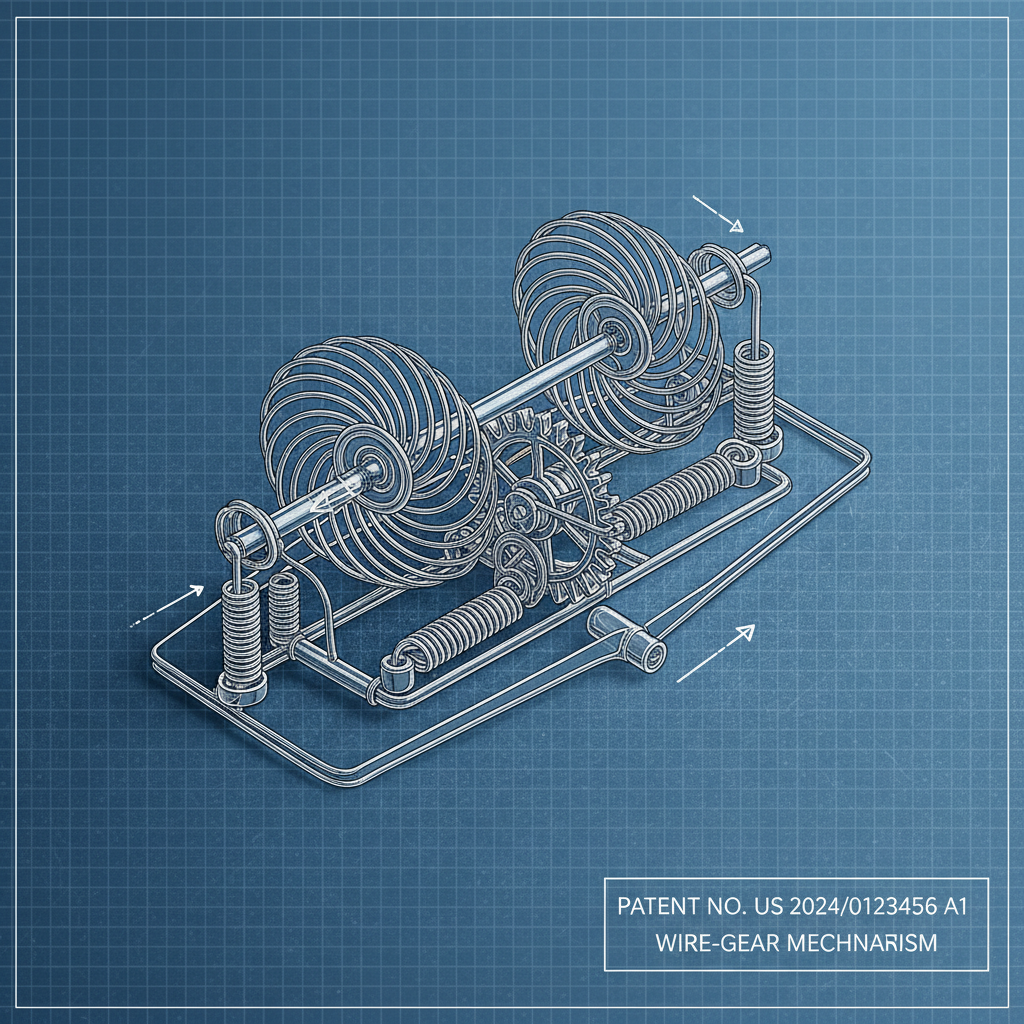
The manufacturing process typically involves drawing steel rods through a series of progressively smaller dies, reducing the diameter and increasing the length of the wire. Annealing, a heat treatment process, is often employed to relieve internal stresses and enhance the wire’s ductility. Surface treatments, such as galvanization or PVC coating, are applied to improve corrosion resistance and provide additional protection.
The composition of the steel used also includes trace elements like manganese, silicon, and phosphorus, which contribute to specific properties like strength, weldability, and corrosion resistance. The precise formulation of the alloy is carefully controlled to meet the requirements of specific applications and industry standards, ensuring consistent quality and performance of the final product.
Performance Metrics: Evaluating iron wire Quality
Assessing the quality of iron wire involves evaluating several key performance metrics. Tensile strength, measured in megapascals (MPa), is a primary indicator, defining the wire’s resistance to breaking under tension. Yield strength, the point at which the wire begins to deform permanently, is also crucial for assessing its load-bearing capacity.
Elongation at break, expressed as a percentage, measures the wire’s ductility – its ability to stretch before fracturing. A higher elongation value indicates greater flexibility and resistance to brittle failure. Corrosion resistance is typically assessed through salt spray tests, measuring the time it takes for corrosion to appear on the wire’s surface.
iron wire Quality Comparison
Diverse Applications of iron wire Across Industries
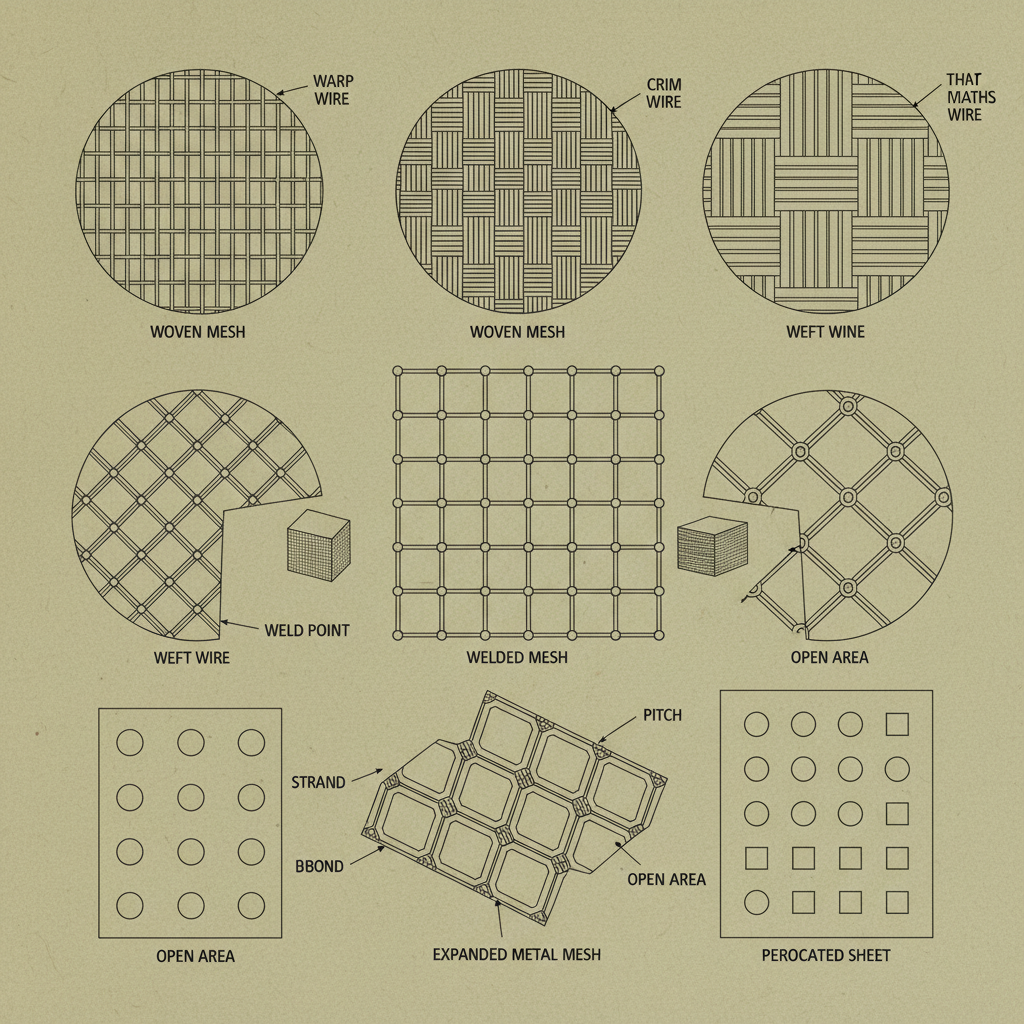
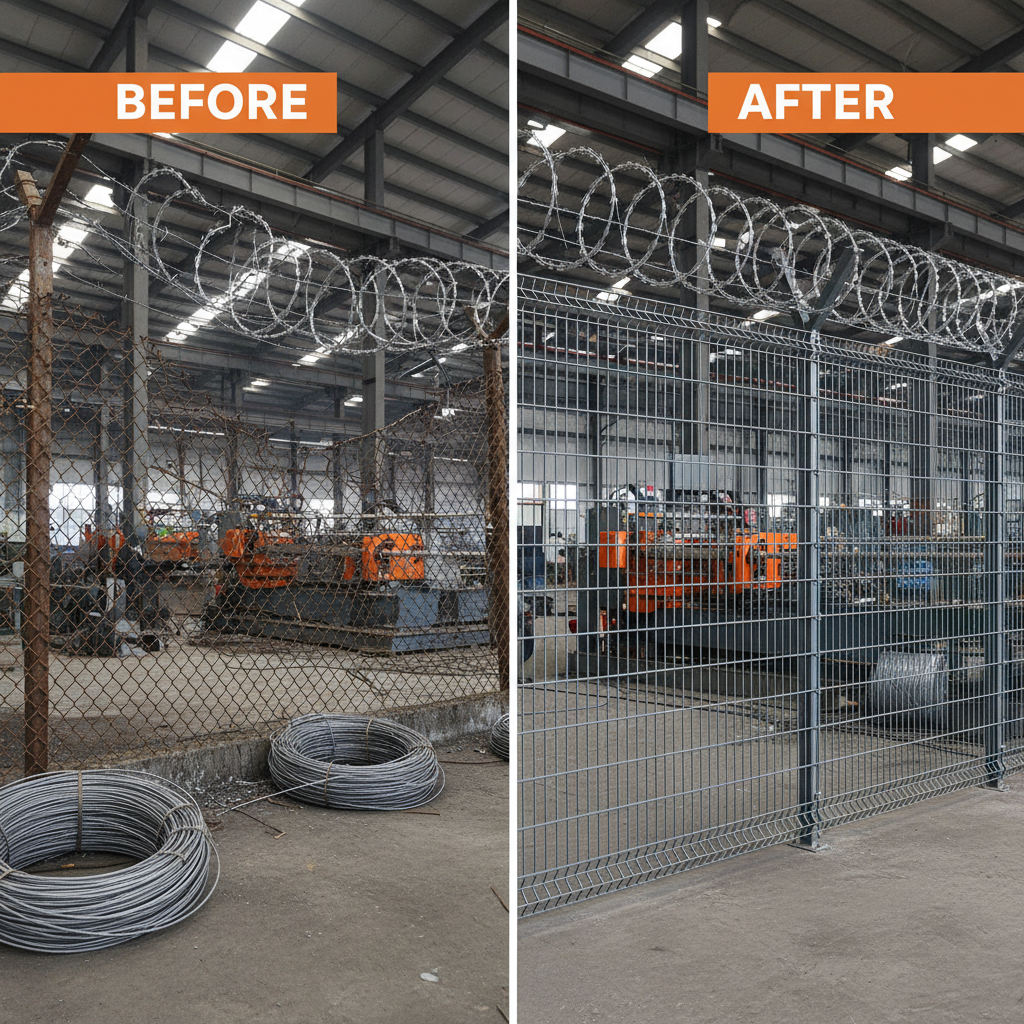
The applications of iron wire are incredibly diverse. In the construction industry, it’s used extensively in reinforcing concrete, creating rebar cages that provide structural integrity. It also forms the backbone of fencing solutions, offering security and boundary definition in both rural and urban settings.
Agricultural applications include creating mesh for livestock enclosures, supporting climbing plants, and securing fruit trees. In manufacturing, iron wire is used in the production of springs, fasteners, and a wide range of metal components. Even in art and crafts, it serves as a versatile medium for sculpting and creating intricate designs.
Advantages and Long-Term Sustainability of iron wire
The primary advantage of iron wire lies in its cost-effectiveness. Compared to other materials like stainless steel or aluminum, iron wire offers a significantly lower price point, making it accessible for a broader range of applications. Its strength and durability provide long-term reliability, reducing the need for frequent replacements.
Regarding sustainability, iron is a highly recyclable material. Recycling iron wire reduces the demand for virgin materials, lowering energy consumption and minimizing environmental impact. Furthermore, advancements in galvanization and coating technologies are increasing the lifespan of iron wire products, contributing to reduced waste and a more circular economy.
Future Innovations and Challenges in iron wire Technology
Future innovations in iron wire technology are focused on enhancing its properties and reducing its environmental footprint. Research into new alloy compositions aims to create iron wires with even greater strength, ductility, and corrosion resistance. The development of more sustainable coating materials, free from harmful chemicals, is also a priority.
One significant challenge is addressing the energy intensity of steel production. Adopting cleaner manufacturing processes, utilizing renewable energy sources, and implementing carbon capture technologies are crucial steps towards mitigating the environmental impact. Furthermore, advancements in automated wire drawing and forming processes can improve efficiency and reduce waste.
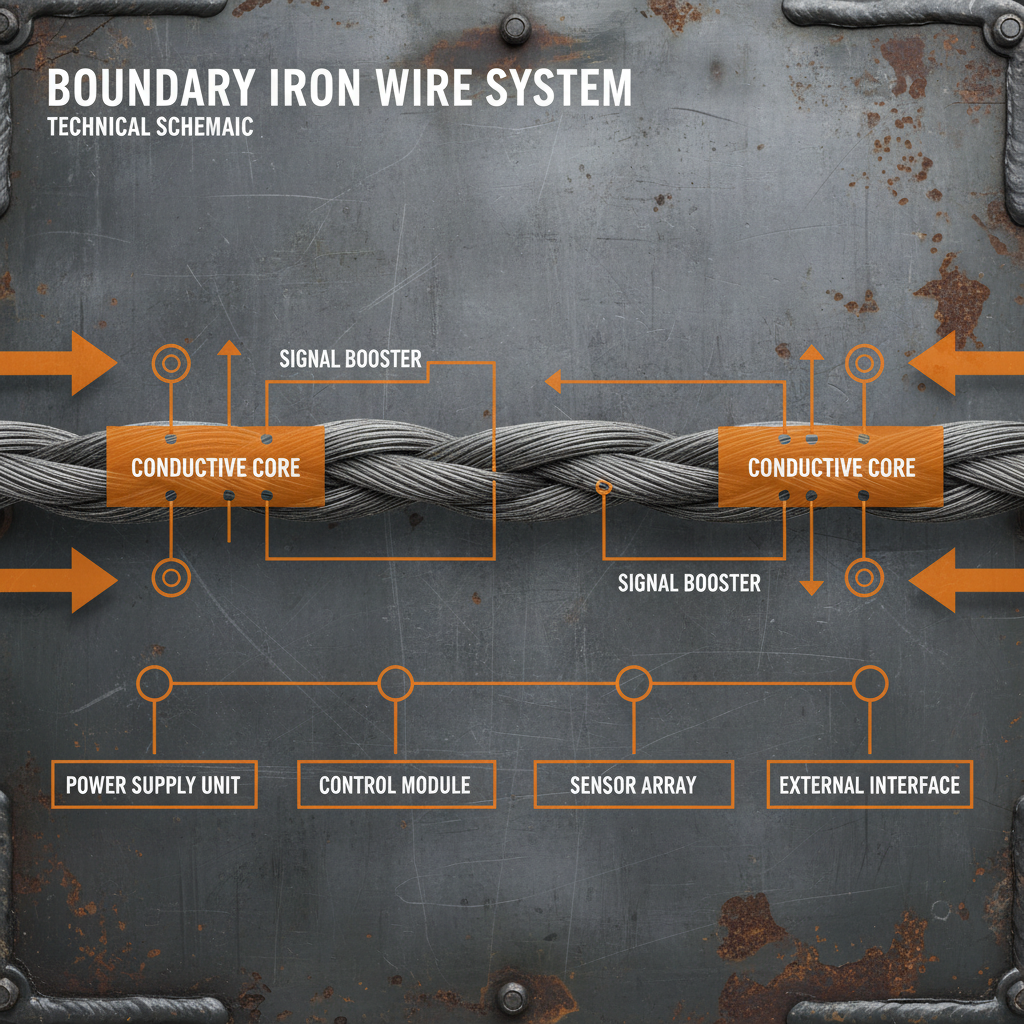
Digital technologies, such as sensor-based quality control systems, are also playing an increasing role, ensuring consistent product quality and optimizing production parameters.
Summary of Key Challenges and Proposed Solutions in iron wire Production
| Challenge |
Impact Area |
Proposed Solution |
Implementation Cost (1-10) |
| High Energy Consumption in Steel Production |
Environmental Sustainability |
Transition to Renewable Energy Sources |
8 |
| Corrosion Vulnerability |
Product Longevity |
Development of Advanced Coatings |
6 |
| Inconsistent Quality Control |
Product Reliability |
Implementation of Automated Inspection Systems |
7 |
| Waste Generation during Wire Drawing |
Resource Efficiency |
Optimized Die Design & Material Recovery |
5 |
| Dependence on Virgin Materials |
Resource Depletion |
Increased Utilization of Recycled Steel |
4 |
| Fluctuating Raw Material Costs |
Production Expenses |
Strategic Sourcing & Long-Term Contracts |
3 |
FAQS
The lifespan of iron wire agricultural fencing depends heavily on the quality of the wire, the coating used (galvanization being most common), and the environmental conditions. Generally, a properly galvanized wire can last between 10 and 20 years, though coastal areas with higher salt content may experience faster corrosion. Regular inspection and maintenance, such as repairing damaged coatings, can extend its lifespan significantly. Proper tensioning also prevents premature failure.
Carbon content is a critical factor in determining the properties of iron wire. Higher carbon content increases hardness and tensile strength, making the wire more resistant to deformation. However, it also reduces ductility, making it more brittle and prone to fracturing. Lower carbon content results in greater ductility but lower strength. The optimal carbon content depends on the intended application, balancing strength and flexibility.
The safety of galvanized iron wire in organic farming is a complex issue. While zinc is an essential micronutrient for plants, concerns exist regarding potential zinc runoff into the soil. Some organic certification bodies permit the use of galvanized wire under specific conditions, such as ensuring the coating is intact and preventing direct contact with edible crops. It’s crucial to check with your specific certification body for their guidelines.
Alternatives to galvanization include PVC coating, epoxy coating, and specialized polymer coatings. These coatings provide a barrier against moisture and corrosive agents. Stainless steel wire offers superior corrosion resistance but comes at a significantly higher cost. Another option is to use weathering steel, which forms a protective rust layer that inhibits further corrosion, though this is less common for wire applications.
The correct gauge of iron wire depends on the tensile strength required for the application. Heavier-duty applications, such as fencing requiring high security or supporting significant weight, require thicker gauges (lower numbers). Lighter-duty applications, like tying plants or creating craft projects, can use thinner gauges (higher numbers). Consulting load charts and considering the expected stress on the wire are crucial steps in determining the appropriate gauge.
Iron wire production, stemming from steel manufacturing, carries a significant environmental impact due to energy consumption and greenhouse gas emissions. However, iron is highly recyclable, which mitigates the long-term impact. Proper disposal of end-of-life iron wire is crucial; recycling prevents resource depletion and reduces landfill waste. Choosing manufacturers committed to sustainable practices minimizes the overall ecological footprint.
Conclusion
In conclusion, iron wire remains a foundational material across diverse industries, valued for its strength, versatility, and cost-effectiveness. From bolstering construction projects and securing agricultural landscapes to enabling intricate manufacturing processes, its applications are deeply ingrained in modern infrastructure and daily life. Understanding its properties, production methods, and potential for sustainable practices is crucial for maximizing its benefits and minimizing its environmental impact.
Looking ahead, continued innovation in alloy development, coating technologies, and recycling processes will be vital for enhancing the performance and sustainability of iron wire. By embracing responsible manufacturing practices and prioritizing resource efficiency, we can ensure that this essential material continues to play a critical role in building a more resilient and sustainable future. Visit our website at www.yjdwiremesh.com to learn more about our iron wire products.